Your Smile, Perfected with Precision.

Why Americans Travel to the Philippines for Dental Implants
Language :

A Real-World Perspective from an American Patient Abroad
If you’ve ever been quoted $30,000 or more for dental implants in the United States, you’re not alone—and you’re probably wondering if there’s a smarter way to get the same treatment without draining your savings.
That’s exactly why thousands of Americans are now traveling to the Philippines for dental implants.
This isn’t just about saving money. It’s about value, experience, and access to quality care—all from the perspective of someone who has been there, done that, and come back smiling.
Why the Philippines Is on the Radar for Dental Implants
Let’s start with the obvious: cost.
In the U.S., a single dental implant can cost $3,000–$6,000. Full-mouth implants? Easily $30,000–$50,000.
In the Philippines:
- Single implant: $800 – $2,000
- Full-mouth implants: $8,000 – $18,000
Even after flights, hotel stays, and meals, the total cost is often 50%–70% lower.
But here’s what surprised many American patients: it’s not just cheaper—it can still deliver high-quality results.
1. Major Cost Savings Without Cutting Corners
When Americans first explore dental tourism, the biggest concern is quality.
The reality is more nuanced.
Lower prices in the Philippines are driven by:
- Lower cost of living
- Lower clinic overhead
- Competitive international pricing
Many reputable clinics use the same globally recognized implant systems used in the U.S.
The key is choosing the right clinic, not the cheapest one.
2. English-Speaking Dentists and Staff
Communication is one of the biggest barriers in international healthcare—but not in the Philippines.
English is widely spoken, especially in medical and dental settings.
Patients consistently report:
- Clear explanations
- Easy consultations
- Comfortable communication throughout treatment
This removes a major source of stress for American travelers.
3. Highly Skilled Dentists with Global Training
Many Filipino dentists:
- Train in the U.S., Europe, or Australia
- Attend international dental conferences
- Use modern implant techniques
This global exposure allows them to deliver treatment aligned with international standards.
4. Modern Clinics and Advanced Technology
Top dental clinics in the Philippines often feature:
- 3D imaging (CBCT scans)
- Digital treatment planning
- Sterile, modern facilities
In many cases, the technology matches what you’d find in high-end U.S. practices.
5. Faster Access to Treatment
In the U.S., scheduling can take weeks—or even months.
In the Philippines:
- Consultations can be arranged quickly
- Treatment often begins within days
For patients eager to restore their smile, this speed is a major advantage.
6. Combining Treatment with Travel
One unique advantage of dental tourism is the ability to combine care with travel.
Popular destinations include:
- Manila
- Cebu
- Boracay
Patients often plan recovery time alongside:
- Beach visits
- City exploration
- Cultural experiences
This turns a medical trip into a more positive, memorable experience.
7. Personalized Patient Care
Many American patients notice a difference in how care is delivered.
In the Philippines:
- Dentists spend more time per patient
- Staff are attentive and supportive
- Clinics focus heavily on patient comfort
This often results in a more relaxed and personalized experience.
A Short Story: An American Patient’s Journey
I’m Mark, a 51-year-old from California.
I needed multiple dental implants. My U.S. quote? $32,000.
I delayed treatment for nearly a year—until I started researching options abroad.
My Approach:
- Compared several clinics in the Philippines
- Verified credentials and patient reviews
- Planned a 10-day trip
My Costs:
- Dental treatment: $12,000
- Travel and accommodation: $2,000
- Total: $14,000
My Savings:
Approximately $18,000
The Outcome:
- Smooth procedure
- Easier recovery than expected
- Restored smile and confidence
The biggest surprise wasn’t just the savings—it was how comfortable and professional the entire experience felt.
Risks You Should Consider
Dental tourism isn’t risk-free. It’s important to plan carefully.
1. Follow-Up Care
Some treatments require multiple visits, meaning additional travel.
2. Clinic Quality Differences
Not all clinics meet the same standards—research is critical.
3. Travel Considerations
Long flights and recovery timing need careful planning.
4. Limited Legal Protection
Resolving disputes internationally can be more complex.
How to Choose the Right Dental Clinic
Before committing, take these steps:
- Review patient testimonials and case studies
- Verify dentist credentials and training
- Ask about implant brands and materials
- Confirm sterilization protocols
- Request a detailed treatment plan
Choosing the right provider is the most important factor in success.
FAQ: Americans Traveling to the Philippines for Dental Implants
1. Is it safe to get dental implants in the Philippines?
Yes—if you choose a reputable clinic with proper credentials.
2. How much can I save?
Typically between 50% and 70% compared to U.S. prices.
3. How long should I stay?
Usually 7–14 days per visit, depending on treatment.
4. Does U.S. insurance cover treatment abroad?
Most plans do not, though some may offer partial reimbursement.
5. Are implant materials the same as in the U.S.?
Many clinics use internationally recognized implant systems.
6. Will I need multiple trips?
Often yes, especially for full implant procedures.
Related Topics
1. Dental Implants Cost USA vs Philippines
Understand the full cost comparison and savings potential.
2. Financing Dental Implants Abroad
Learn how to plan and manage international treatment costs.
3. Risks of Dental Tourism Explained
Explore common challenges and how to avoid them.
Final Thoughts from an American Traveler
Traveling to the Philippines for dental implants isn’t just about saving money—it’s about making a strategic, informed decision.
When done right, patients can:
- Reduce costs significantly
- Receive high-quality care
- Enjoy a unique travel experience
The key is preparation.
The better your research and planning, the better your outcome—both medically and financially.
Can tooth extraction cause infection? Mild inflammation is normal, but increasing swelling, fever, or severe pain may indicate infection. Learn more about post-extraction infection warning signs in this detailed guide.
Book a consultation with our Cebu dental specialists for proper evaluation and care.
Ready to get expert guidance?
If you’re experiencing severe pain or delayed healing, book a consultation with our Cebu dental specialists to get proper evaluation and care.
Consultation or contact page .
Book a Consultation
For severe discomfort or delayed healing, book a consultation with our Cebu dental specialists today.
Looking for a dentist? Browse our Cebu dental directory to find trusted clinics near you.
Medical Review and Clinical Basis
This article is based on clinical dental guidelines and real patient recovery patterns observed after tooth extraction procedures. The information reflects common post-extraction healing stages, including normal clot formation, gum tissue repair, and signs of possible complications such as dry socket or infection.
While mild discomfort is expected after a dental extraction, worsening pain after Day 3, bad odor, exposed bone, or spreading pain may require professional evaluation. These symptoms are consistent with known post-extraction complications described in standard dental practice.
About Cebu Dental Implants
Cebu Dental Implants provides comprehensive tooth extraction, surgical procedures, and dental implant services in the Philippines. Our team evaluates post-extraction healing, manages complications such as dry socket, and advises patients on proper aftercare to prevent infection and delayed healing.
If you experience severe pain or unusual symptoms after extraction, early professional assessment is recommended to prevent further complications.
Important Medical Disclaimer
This content is for educational purposes only and does not replace professional dental diagnosis. Every patient heals differently. If symptoms worsen or do not improve within a few days, consult a licensed dentist for proper evaluation and treatment.
Author
This article was prepared by the Cebu Dental Implants content team in consultation with licensed dental professionals experienced in tooth extraction and implant procedures.
Related Clinical Cases
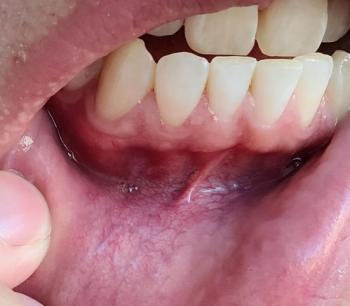
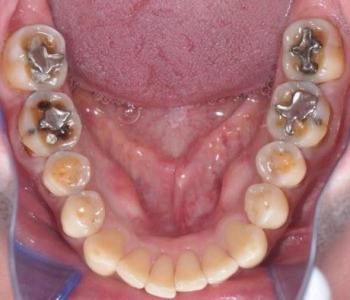
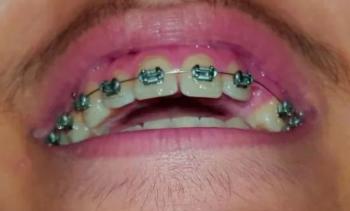
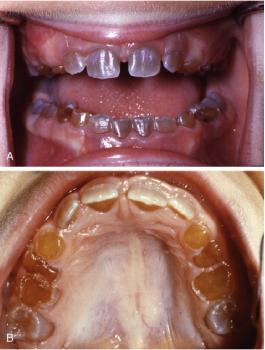
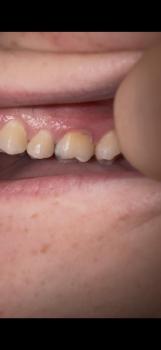
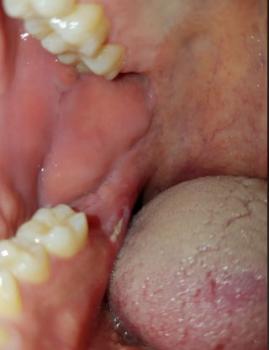
Patients with lower front gum inflammation may also experience tartar buildup, periodontal disease, gum abscesses, or tooth decay. Explore these related clinical case studies.

Other topics:
Other Dental Clinic