Building Confidence One Smile at a Time.
Dental Health Hub: Yellow or Cream-Colored Spot Near the Tonsils
Tonsil Stones — Causes, Signs, Evaluation & When to Seek Care
A tonsil stone (tonsillolith) is a small, hardened deposit that forms inside the natural folds or crypts of the tonsils. It can appear white, yellow, or cream-colored. Tonsil stones are made from trapped material such as food particles, mucus, bacteria and minerals that gradually harden.
What Causes Tonsil Stones?
Tonsil stones are not uniquely caused by living in the USA. They can occur in people anywhere. The main contributing factors include:
Tonsil Stone or Something More Serious? How to Identify It, Treat It & Know When to Act
Severity:
Teeth Problems:
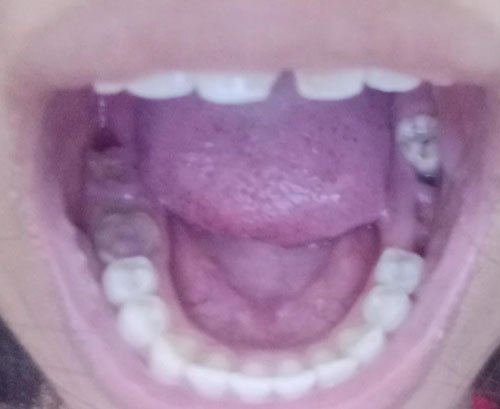
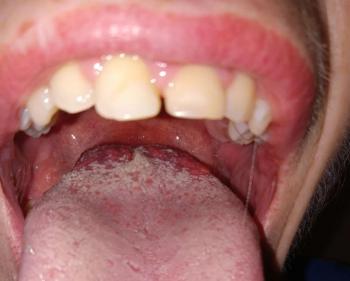
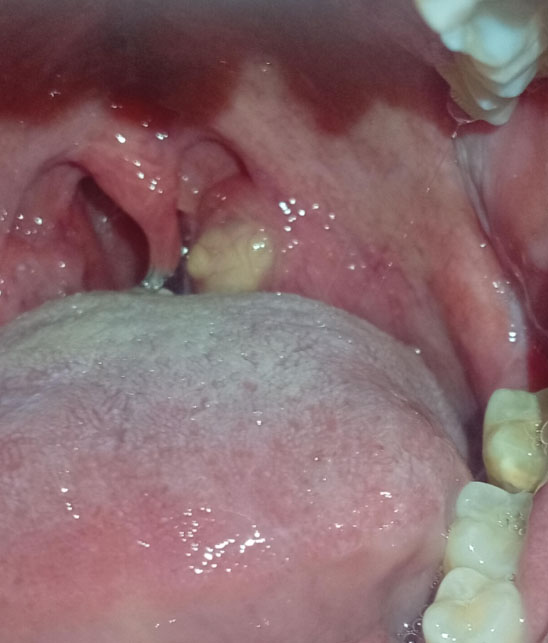
I enlarged the uploaded image to 200% for visual inspection and focused on the tonsillar area, back teeth, tongue, and surrounding soft tissue.

Main finding: Could this be a tonsil stone?
Yes — the yellow/cream-colored rounded material beside the tonsillar area is compatible with a tonsil stone (tonsillolith), but the photograph alone cannot confirm it.
Is This Gum Recession? Braces, Gum Inflammation & What Happens in 14 Days
Severity:
Teeth Problems:
I examined the uploaded photo at 100% and enlarged the lower teeth/gum area. This is a visual assessment only—not a definitive dental diagnosis. A dentist/orthodontist needs periodontal probing and, if indicated, X-rays to determine whether there is true gum recession or bone loss. The American Association of Orthodontists specifically notes that gum health cannot be accurately evaluated from appearance alone.
1. What I can see in this case
Lower front teeth with fixed braces:
Dental X-Ray Case Analysis: Severe Tooth Crowding, Eruption Problems, and What Happens If Treatment Is Delayed 14 Days
Severity:
Teeth Problems:
The image appears to be an anterior dental occlusal radiograph, likely showing a developing/mixed-dentition situation. However, an X-ray alone cannot provide a definitive diagnosis or replace an in-person examination.
1. What I can see
The most important finding is crowding/overlap of the anterior teeth with developing or unerupted teeth positioned behind/among the erupted teeth.