Blogs

Dental Implants Cost Australia vs Philippines: The Hidden Truth Behind Saving Money Overseas

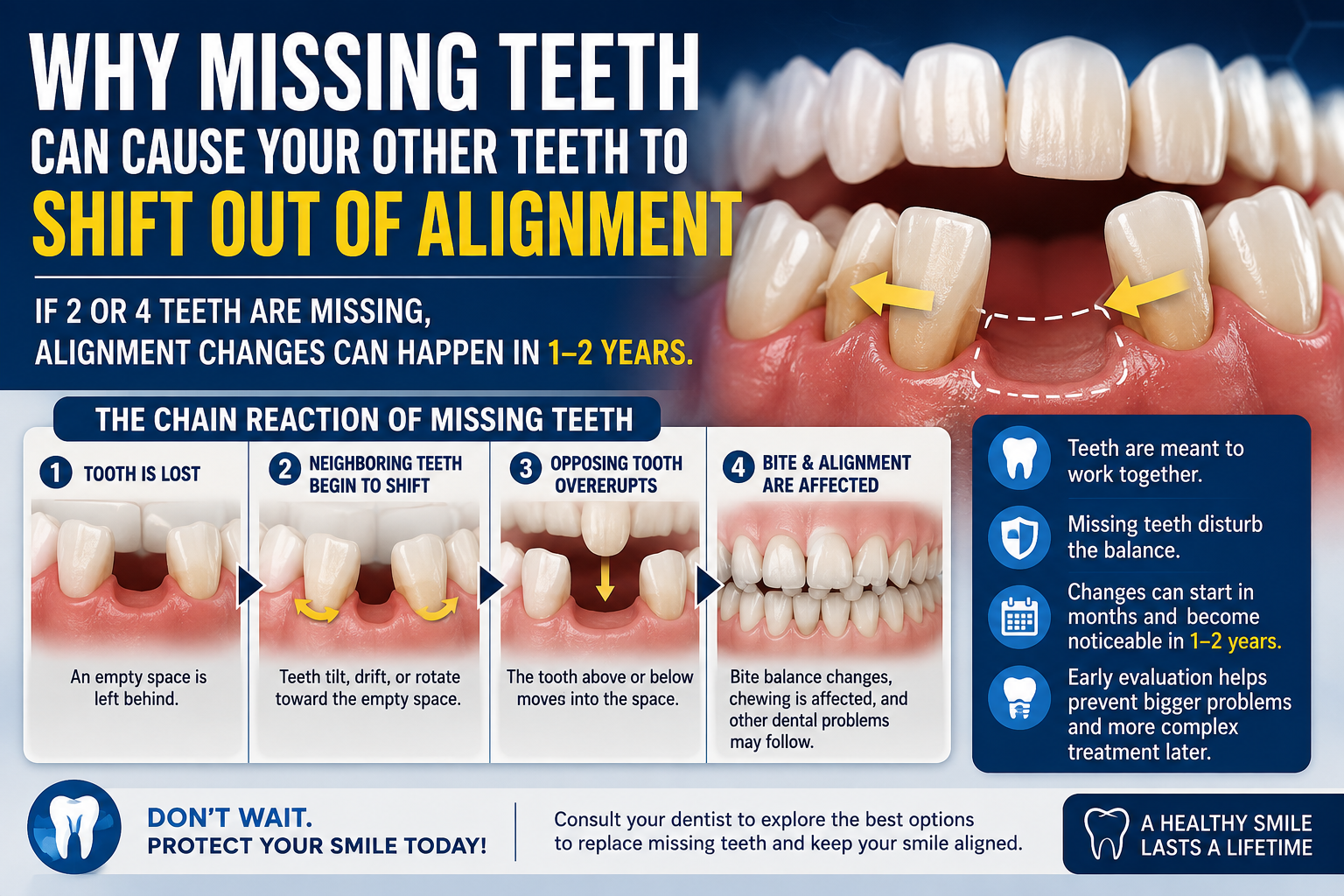
I Thought One Missing Tooth Didn't Matter — Until It Changed My Smile, My Confidence, and My Wallet

Have you ever lost a tooth and told yourself:

"It's only one tooth."

"Nobody can see it anyway."

"I'll replace it later when I have more money."

"I'm too busy right now."

If so, you're not alone.

How Many Root Canals Can a Tooth Have? Understanding 3, 4, 5, and 6-Canal Molars and Why Hidden Canals Cause Root Canal Failure

podcast audio: 

Understanding the Layers of Root Canal Complexity

Think of a tooth like a tree.

  • The crown is the top of the tree.
  • The roots are underground.
  • The canals are like tunnels running through the roots on your teeth.
  • Smaller accessory canals are like side branches just image vividly so it will be easy to understand.

A dentist must locate, clean, disinfect, and seal every significant canal. Missing even one infected canal can allow bacteria to survive and cause persistent infection.

Why Lower Molars Fail More Often: A USA Dental Expert Explains the Science, Clinical Risks, and How to Save Your Back Teeth

Topics: 

Among all permanent teeth, lower molars (mandibular molars) perform the majority of chewing, grinding, and crushing food. Every day, they withstand tremendous biting pressure while simultaneously being exposed to bacteria, food debris, saliva, and acidic by-products.

Unfortunately, these same characteristics make lower molars one of the most commonly damaged teeth in clinical dentistry.

Facial Swelling After Root Canal Treatment in Oregon: A USA Dental Expert Explains What's Normal vs. When It's a Medical Emergency

By a USA Dental Expert

A root canal treatment is designed to eliminate infection, relieve pain, and save a natural tooth. While most patients recover without complications, it's not uncommon to experience mild facial swelling during the first few days after the procedure. The challenge is knowing whether the swelling is simply part of the normal healing process—or the first sign of a potentially life-threatening infection.

As a practicing dental professional, one of the most common questions I hear from patients is:

The Clinical Cascade of Untreated Tooth Decay: A USA Dentist Explains How a Small Cavity Can Become a Life-Threatening Dental Emergency

Topics: 

Many patients assume a small cavity is simply a minor inconvenience that can wait until the next dental visit. Unfortunately, tooth decay rarely remains small. Once bacteria penetrate the protective enamel layer, the disease accelerates through the tooth's internal structures, often leading to severe pain, infection, facial swelling, tooth loss, and in rare cases, hospitalization for life-threatening complications.

Understanding how tooth decay progresses helps explain why dentists recommend treating cavities early instead of waiting until symptoms become unbearable.

Pages