From Pain to Perfect — We Care for Your Smile.

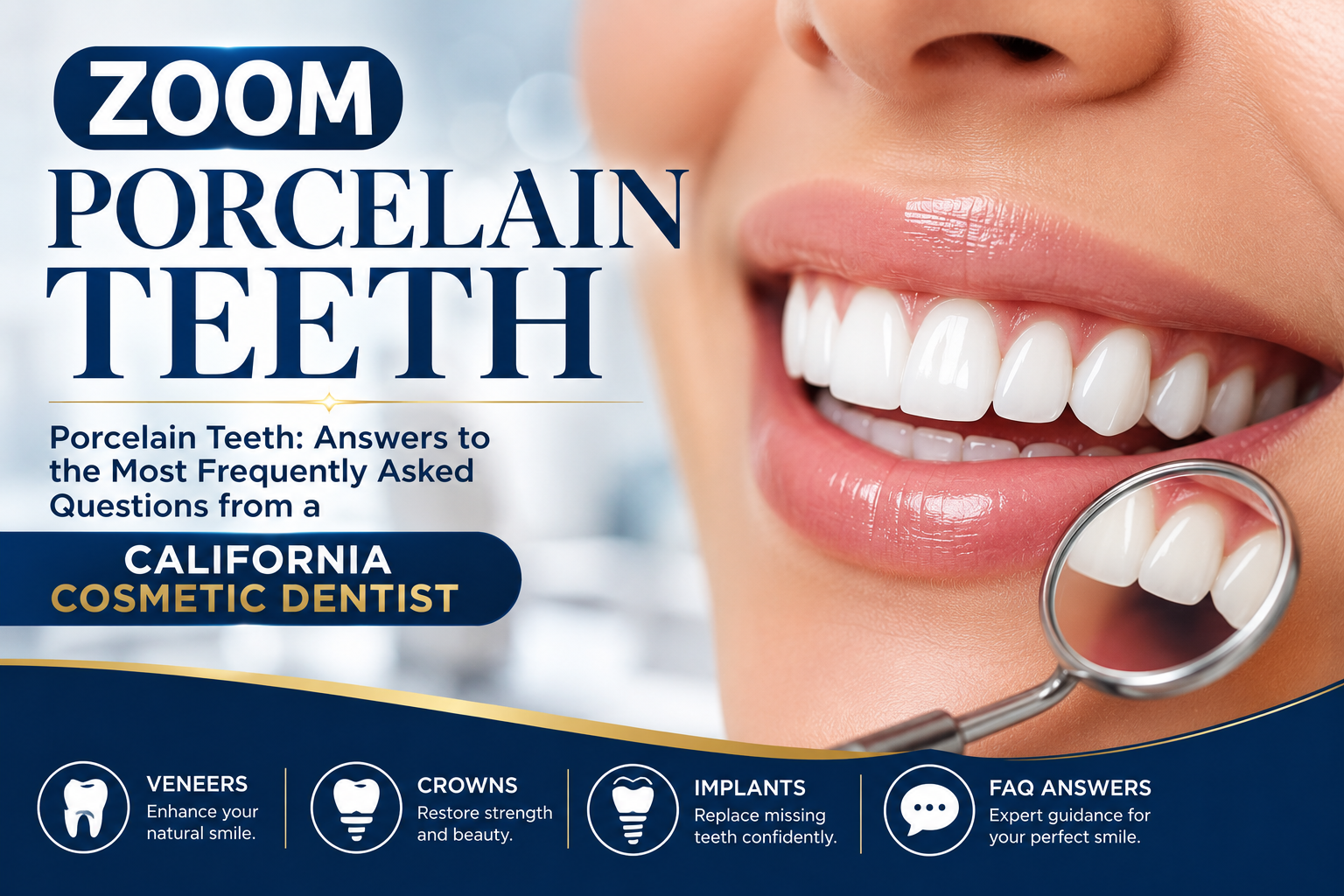
Porcelain Teeth: Answers to the Most Frequently Asked Questions from a California Cosmetic Dentist
Language :
Topics:
A beautiful smile can improve confidence, make lasting first impressions, and even encourage better oral health. As a cosmetic dentist practicing in California, I often receive questions about porcelain veneers, crowns, and dental implants. Here are straightforward answers to the questions patients ask most often.
Are Porcelain Veneers Permanent?
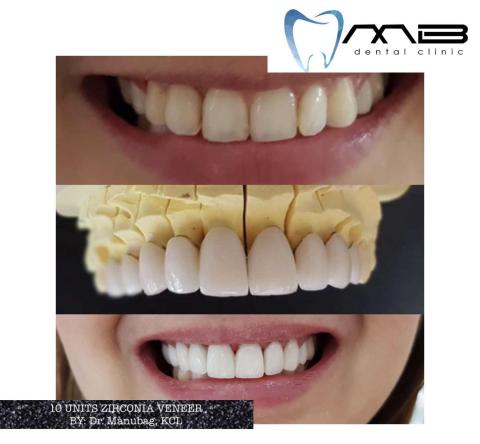
Yes. Porcelain veneers are considered a permanent cosmetic treatment because a very thin layer of natural tooth enamel must be removed before the veneers are bonded. Since enamel does not grow back, the prepared tooth will always require a restoration. The good news is that high-quality porcelain veneers commonly last 10 to 15 years or longer when properly maintained.
Can Porcelain Crowns Whiten Your Smile?
Absolutely. Porcelain crowns can dramatically improve the appearance of teeth that are severely stained, cracked, or damaged. Unlike whitening products, porcelain crowns are custom-made in a shade that complements your smile, providing a bright, natural-looking result that resists staining.
What Is the Difference Between Veneers, Crowns, and Dental Implants?
Although these treatments may look similar, each serves a different purpose.
- Porcelain Veneers improve the appearance of healthy front teeth by covering only the front surface.
- Porcelain Crowns completely cover and strengthen weakened or damaged teeth.
- Dental Implants replace missing teeth by using a titanium implant placed into the jawbone and topped with a custom crown.
Your dentist will recommend the treatment that best matches your oral health needs.
How Much Do Porcelain Veneers Cost?
In the United States, porcelain veneers generally cost $1,000 to $2,500 per tooth. The final investment depends on your location, the complexity of treatment, the experience of the cosmetic dentist, and the quality of the dental laboratory creating your restorations.
How Do Dentists Make Porcelain Teeth Look Natural?
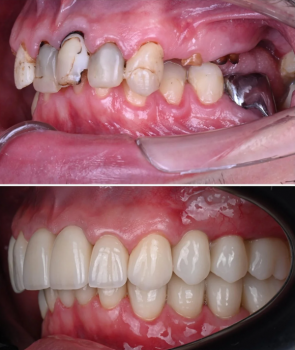
Creating a beautiful smile involves much more than selecting a white shade. Cosmetic dentists carefully evaluate tooth shape, facial symmetry, gum contours, bite alignment, and smile design. Skilled dental laboratories reproduce natural enamel using translucent porcelain, layered shading, and subtle surface textures so restorations blend seamlessly with surrounding teeth.
What Foods Should You Avoid After Getting Porcelain Veneers?
Porcelain is extremely durable, but it should still be treated with care. Avoid chewing ice, hard candy, popcorn kernels, or using your teeth to open packages. If you enjoy apples or raw carrots, cut them into smaller pieces instead of biting directly with your front teeth.
Can Porcelain Restorations Stain?
Modern dental porcelain is highly resistant to stains from coffee, tea, wine, and other dark-colored foods. However, the natural teeth surrounding the restorations may discolor over time, and poor oral hygiene can stain the bonding margins. Daily brushing, flossing, and professional cleanings help keep your smile bright.
How Should You Care for Porcelain Crowns and Veneers?
Maintaining porcelain restorations is simple:
- Brush twice daily using a non-abrasive toothpaste.
- Floss every day to keep the gums healthy.
- Wear a custom nightguard if you grind your teeth.
- Visit your dentist regularly for professional cleanings and routine examinations.
A Smile That Lasts
Porcelain veneers, crowns, and dental implants are among the most predictable and successful treatments in modern cosmetic dentistry. When carefully planned and maintained, they provide natural beauty, restore function, and give patients the confidence to smile without hesitation. If you're considering a smile makeover, consult an experienced cosmetic dentist to determine which option is best suited to your individual needs.
Can tooth extraction cause infection? Mild inflammation is normal, but increasing swelling, fever, or severe pain may indicate infection. Learn more about post-extraction infection warning signs in this detailed guide.
Book a consultation with our Cebu dental specialists for proper evaluation and care.
Ready to get expert guidance?
If you’re experiencing severe pain or delayed healing, book a consultation with our Cebu dental specialists to get proper evaluation and care.
Consultation or contact page .
Book a Consultation
For severe discomfort or delayed healing, book a consultation with our Cebu dental specialists today.
Looking for a dentist? Browse our Cebu dental directory to find trusted clinics near you.
Medical Review and Clinical Basis
This article is based on clinical dental guidelines and real patient recovery patterns observed after tooth extraction procedures. The information reflects common post-extraction healing stages, including normal clot formation, gum tissue repair, and signs of possible complications such as dry socket or infection.
While mild discomfort is expected after a dental extraction, worsening pain after Day 3, bad odor, exposed bone, or spreading pain may require professional evaluation. These symptoms are consistent with known post-extraction complications described in standard dental practice.
About Cebu Dental Implants
Cebu Dental Implants provides comprehensive tooth extraction, surgical procedures, and dental implant services in the Philippines. Our team evaluates post-extraction healing, manages complications such as dry socket, and advises patients on proper aftercare to prevent infection and delayed healing.
If you experience severe pain or unusual symptoms after extraction, early professional assessment is recommended to prevent further complications.
Important Medical Disclaimer
This content is for educational purposes only and does not replace professional dental diagnosis. Every patient heals differently. If symptoms worsen or do not improve within a few days, consult a licensed dentist for proper evaluation and treatment.
Author
This article was prepared by the Cebu Dental Implants content team in consultation with licensed dental professionals experienced in tooth extraction and implant procedures.
Related Clinical Cases
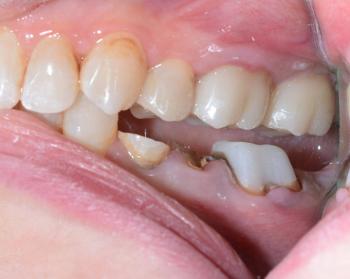
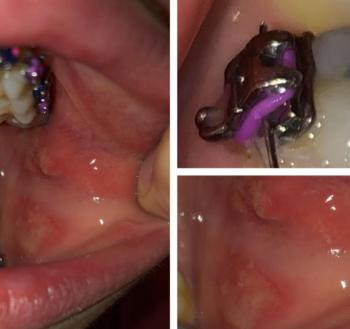
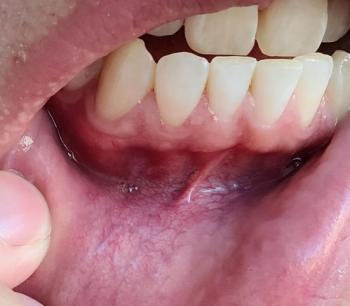
Patients with lower front gum inflammation may also experience tartar buildup, periodontal disease, gum abscesses, or tooth decay. Explore these related clinical case studies.


Other topics:
Other Dental Clinic
 |
 |
 |
 |