Missing Teeth? Find Your Smile Again.

Severe Tooth Decay: Treatment Options, Root Canal, Dental Crowns and Complete Smile Restoration
Image:
Severity:
Teeth Problems:
Severe tooth decay is one of the most serious dental problems because it can destroy large portions of the natural tooth structure. When cavities are left untreated, bacteria gradually penetrate the enamel and dentin and may eventually reach the dental pulp.
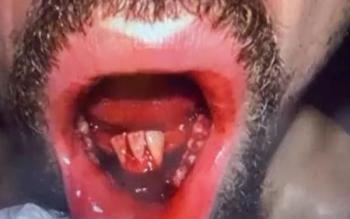
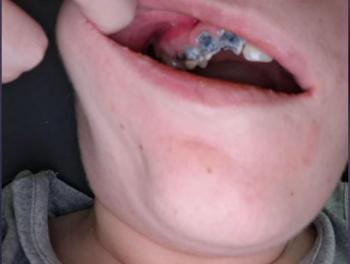
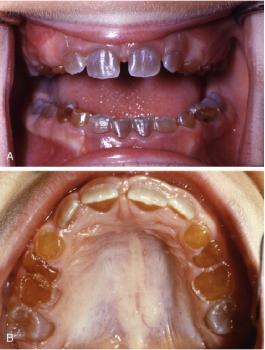
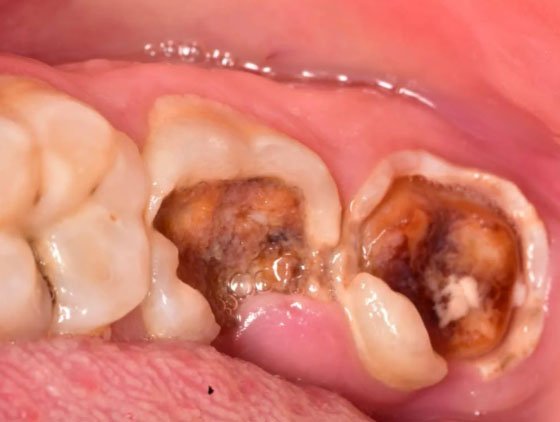
In this dental case, the photograph shows two severely damaged back teeth with extensive brown and dark cavities. The remaining tooth structures appear significantly weakened.
The good news is that some severely decayed teeth can still be restored. However, the correct treatment depends on the remaining healthy tooth structure, the condition of the roots, and whether infection has reached the surrounding tissues.
The primary goal is to eliminate active decay, control infection, preserve natural teeth whenever possible, restore chewing function, and achieve a healthier-looking smile.
This is an educational case discussion based on the visible photograph. A dentist must perform a clinical examination and take appropriate dental X-rays before confirming the diagnosis and treatment.
1. Understanding the Dental Problem
The photograph suggests several possible dental complications:
Extensive tooth decay: Large areas of brown and dark discoloration suggest significant destruction of the tooth structure.
Deep cavities: The decay may have extended into the dentin and could be approaching the dental pulp.
Weakened tooth structure: The remaining tooth walls appear thin and may not withstand normal chewing pressure.
Possible gum inflammation: The surrounding gum tissue should be examined for swelling, irritation, or infection.
Possible dental pulp infection: If bacteria have reached the inner pulp, the patient may develop severe toothache, sensitivity, or an abscess.
The dentist must determine whether each affected tooth can still be saved or whether extraction is necessary.
2. Standard Dental Treatment Procedures
Step 1: Comprehensive Dental Examination
The first step is a complete examination by a qualified dentist.
The dentist will:
-
Examine the affected teeth and surrounding gums.
-
Check for pain, swelling, pus, and sensitivity.
-
Evaluate how much healthy tooth structure remains.
-
Perform pulp vitality tests when appropriate.
-
Take periapical X-rays or other suitable dental radiographs.
Dental imaging helps determine the depth of decay, root condition, and whether infection has affected the surrounding bone.
Step 2: Remove Infected and Damaged Tooth Structure
If the tooth is considered restorable, the dentist removes the decayed tissue and evaluates the remaining healthy structure.
Local anesthesia may be administered to make the procedure comfortable.
After removing the decay, the dentist determines whether the tooth can be restored with a filling, core buildup, inlay, onlay, or dental crown.
If the damage extends too far below the gumline, additional procedures may be necessary or the tooth may be considered non-restorable.
Step 3: Root Canal Treatment When Necessary
If extensive decay has caused irreversible pulp inflammation or infection, root canal treatment may be recommended.
The standard procedure includes:
-
Creating an opening in the tooth.
-
Removing infected or inflamed pulp tissue.
-
Cleaning and disinfecting the root canals.
-
Shaping the canals.
-
Filling and sealing the root canals.
-
Restoring the tooth with an appropriate filling or crown.
Root canal treatment aims to eliminate infection inside the tooth while preserving the natural tooth structure.
Not every deep cavity requires root canal treatment. The dentist must first establish the condition of the dental pulp.
Step 4: Rebuilding and Restoring the Damaged Teeth
After removing decay and treating any necessary root canal infection, the dentist evaluates the best restoration.
Possible treatments include:
Composite filling: Used when enough healthy tooth structure remains to support a direct restoration.
Core buildup: Reconstructs missing tooth structure and provides support for a crown.
Inlay or onlay: Used for selected larger cavities when a conventional filling may not provide sufficient strength.
Dental crown: Covers and protects a heavily weakened tooth, restoring its shape, function, and appearance.
A dental crown may be recommended following root canal treatment when significant tooth structure has been lost.
3. What If the Teeth Cannot Be Saved?
Sometimes tooth decay becomes so extensive that restoration is no longer predictable.
In these situations, tooth extraction may be the safest option.
After extraction and appropriate healing, the patient can discuss several replacement options.
Dental implants: A dental implant replaces the missing tooth root and supports a replacement crown. Bone condition and overall suitability must be evaluated.
Dental bridges: A bridge replaces a missing tooth using supporting neighboring teeth.
Removable partial dentures: These provide a removable replacement for missing teeth and may be a more affordable option.
The dentist will recommend the most appropriate treatment based on bone health, gum condition, neighboring teeth, general health, and the patient's budget.
4. Complete Treatment Roadmap: From Damaged Teeth to a Healthy Smile
A successful dental rehabilitation should follow a systematic treatment plan.
Phase 1: Initial Consultation
Complete dental examination, X-rays, assessment of the affected teeth, and preparation of a treatment plan.
Phase 2: Control Infection and Inflammation
Treat active dental infections and address gum disease. Drainage or other urgent treatment may be necessary when indicated.
Phase 3: Determine Which Teeth Can Be Saved
Evaluate each affected tooth to establish whether it can be restored or requires extraction.
Phase 4: Perform Restorative Treatment
Depending on the diagnosis, treatment may involve fillings, root canal procedures, core buildup, inlays, onlays, or dental crowns.
Phase 5: Replace Teeth That Cannot Be Saved
Consider dental implants, bridges, or removable partial dentures after appropriate assessment and healing.
Phase 6: Final Smile Restoration
Check the bite, chewing function, appearance, and comfort of the restored teeth.
Phase 7: Long-Term Maintenance
Schedule regular dental examinations, professional cleaning, and consistent daily oral hygiene.
5. How to Prevent Severe Tooth Decay From Happening Again
Restoring damaged teeth is only part of the solution. Preventing future cavities is equally important.
Recommended preventive practices include:
-
Brush twice daily with fluoride toothpaste.
-
Clean between teeth daily using dental floss or interdental brushes.
-
Reduce frequent consumption of sugary foods and drinks.
-
Avoid smoking and tobacco products.
-
Drink water regularly.
-
Visit the dentist every six months, or more frequently when recommended.
-
Treat small cavities before they become extensive.
-
Follow professional recommendations for fluoride treatments when appropriate.
Good oral hygiene and regular dental care can significantly reduce the risk of future dental complications.
6. Warning Signs That Require Urgent Dental Attention
Severe tooth decay can progress into a dental infection.
Patients should seek prompt dental attention if they experience:
-
Severe or persistent toothache.
-
Swelling around the gums or jaw.
-
Pus or an unpleasant taste coming from the affected area.
-
Fever accompanying dental pain or swelling.
-
Difficulty opening the mouth.
Facial or neck swelling, difficulty swallowing, or difficulty breathing requires immediate emergency medical attention.
Antibiotics alone cannot repair a decayed tooth or eliminate the underlying dental cause. Definitive dental treatment is essential when infection is present.
7. Expected Results: What Does Successful Treatment Look Like?
With appropriate dental treatment, the patient may achieve:
-
Better chewing ability.
-
Reduced pain and sensitivity.
-
Removal of active decay and treatment of infection.
-
Improved tooth appearance.
-
Healthier surrounding gums.
-
Better long-term oral health.
-
Improved confidence when smiling.
The final result depends on the amount of healthy tooth structure remaining and the condition of the supporting bone and gums.
Modern restorative dentistry offers several treatment options to improve both the function and appearance of severely damaged teeth.
8. Frequently Asked Questions
Q1: Can severely decayed teeth still be recovered?
Sometimes. Even severely damaged teeth may be saved with root canal treatment and dental crowns if enough healthy tooth structure remains. Other teeth may require extraction.
Q2: Can a dentist simply put a filling over these large cavities?
Not necessarily. Large cavities may require more extensive reconstruction. Covering untreated decay is not an appropriate solution.
Q3: How many dental appointments are required?
The number of appointments depends on the number of affected teeth and the complexity of treatment. Root canal procedures, crowns, and replacement treatments may require multiple appointments.
Q4: Is dental implant treatment possible after extraction?
Yes, in many cases. The dentist must evaluate bone volume, gum condition, infection control, and the patient's overall suitability.
Q5: Will the patient get normal-looking teeth again?
A combination of restorative dentistry and suitable tooth replacement options can often produce a natural-looking result and restore chewing function.
Final Dental Expert Recommendation
This dental case demonstrates extensive visible tooth destruction involving two posterior teeth.
The priority should be to arrange an examination with a qualified dentist, preferably one experienced in restorative dentistry and endodontics.
The dentist should first determine whether the affected teeth are still restorable. If they can be saved, treatment may involve removing decay, performing root canal treatment when necessary, rebuilding the damaged structures, and placing protective dental crowns.
If the teeth cannot be restored predictably, extraction followed by an appropriate replacement option may be necessary.
Do not wait until severe pain develops. Early professional assessment provides the best opportunity to preserve teeth that are still treatable.
A healthy smile starts with early diagnosis, proper dental treatment, and consistent oral care.
Related Clinical Cases
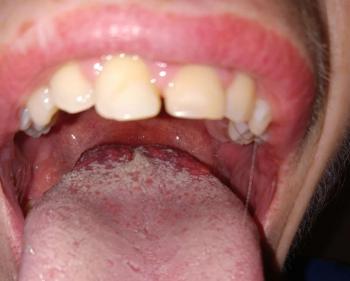
Patients with lower front gum inflammation may also experience tartar buildup, periodontal disease, gum abscesses, or tooth decay. Explore these related clinical case studies.