Where Bright Smiles Begin.

Why Cold Water Hurts Your Teeth: A Common Problem for Filipino Families
For many Filipinos, drinking cold water, iced coffee, soft drinks, or eating ice cream can sometimes cause a sudden, sharp pain in one or more teeth.
That quick "electric" or shooting sensation is often called dentin hypersensitivity.
Although sensitivity can be temporary and relatively minor, it should not automatically be considered normal. Cold sensitivity can also be a warning sign of tooth decay, gum recession, enamel wear, a cracked tooth, or a damaged filling.
For families who may already be dealing with limited access to dental care, recognizing these early warning signs can help prevent a small dental problem from becoming more complicated.
Why Does Cold Cause Sharp Tooth Pain?
The outer part of a healthy tooth is protected by enamel. Underneath the enamel is a layer called dentin.
Dentin contains microscopic channels called tubules. When dentin or exposed root surfaces become unprotected, temperature changes can stimulate the nerves inside the tooth and produce a sudden sharp sensation.
This is why a cold drink can sometimes cause pain within seconds.
Common Reasons Your Teeth Hurt With Cold Drinks
1. Enamel Wear
Aggressive brushing can contribute to enamel wear, particularly when combined with abrasive products or frequent acidic food and drinks.
You do not need to scrub your teeth aggressively to clean them effectively.
A soft-bristled toothbrush and gentle technique are generally better choices.
2. Gum Recession
When gums recede, the root surface of the tooth can become exposed.
Unlike the crown of the tooth, the root does not have the same enamel protection. This can make exposed roots particularly sensitive to cold.
Gum recession can have several causes, including periodontal disease, brushing trauma, and normal changes associated with aging.
3. Tooth Decay
A cavity can make a tooth sensitive to cold, especially as decay becomes deeper.
If sensitivity occurs repeatedly in the same tooth, particularly with a visible dark spot, hole, or food trapping, a dental examination is recommended.
4. Cracked or Chipped Teeth
A cracked tooth can sometimes produce sharp pain when exposed to cold or when biting.
Even a small crack may be difficult to see without a professional examination.
5. Damaged or Leaking Fillings
An old, broken, or leaking filling can allow temperature changes to reach sensitive areas of the tooth.
If a previously restored tooth suddenly becomes sensitive, the filling and tooth should be examined.
When Is Cold Sensitivity More Concerning?
Occasional sensitivity does not always indicate serious disease.
However, pay particular attention if:
-
The same tooth repeatedly hurts
-
The pain is becoming stronger
-
Pain continues after the cold food or drink is gone
-
You also have a toothache
-
You notice a cavity or broken tooth
-
The tooth hurts when biting
-
Your gums are swollen or bleeding
-
You have facial swelling or fever
Lingering or spontaneous pain deserves a dental assessment.
What Can You Do at Home?
Use Toothpaste for Sensitive Teeth
Desensitizing toothpaste containing ingredients such as potassium nitrate or stannous fluoride may help reduce sensitivity with consistent use.
It may take time before you notice improvement.
Use a Soft-Bristled Toothbrush
Brush gently rather than scrubbing aggressively.
A soft toothbrush can help clean your teeth while reducing unnecessary irritation to the gums and tooth surfaces.
Be Careful With Acidic Foods and Drinks
Frequent exposure to acidic foods and beverages can contribute to enamel erosion.
Common examples include soft drinks, citrus products, and vinegar-containing foods.
After consuming acidic foods or drinks, rinse with water. Avoid brushing immediately after a strongly acidic exposure because softened enamel can be more vulnerable to mechanical wear.
Don't Simply Mask Persistent Pain
Pain relief can make you more comfortable, but it does not tell you why the tooth is sensitive.
If the problem continues, a dentist can determine whether the cause is sensitivity, decay, gum recession, a crack, or another dental condition.
A Social Perspective: Why Early Dental Care Matters
For many Filipino families, dental care is affected by more than oral hygiene.
Household income, transportation, distance from dental clinics, work schedules, and the cost of treatment can all influence when someone seeks professional care.
A person may tolerate a few seconds of cold sensitivity because it seems easier than spending money on a dental consultation.
But persistent sensitivity can sometimes be an early sign of a problem that is easier to manage when identified early.
This does not mean every sensitive tooth will develop into a serious dental problem. It means persistent symptoms are worth investigating rather than automatically ignoring them.
A Message From a Dental Professional
If cold water makes one of your teeth suddenly hurt, don't panic—but don't automatically dismiss it either.
Sensitivity may have a simple cause, such as exposed root surfaces or enamel wear. It can also be associated with a cavity, cracked tooth, or damaged restoration.
If the sensitivity keeps returning, especially in the same tooth, arrange a dental examination.
Early assessment can help you understand the cause, protect the tooth, and potentially avoid more extensive treatment later.
For Filipino families managing tight household budgets, early attention to dental symptoms can be both a health decision and a practical financial decision.
Related Clinical Cases
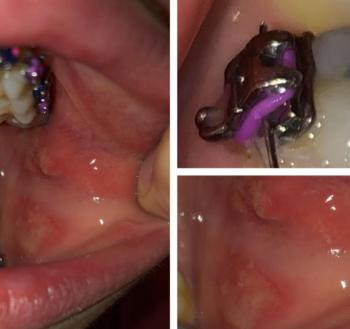
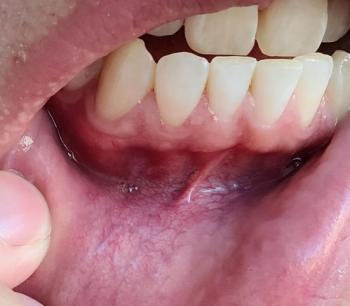
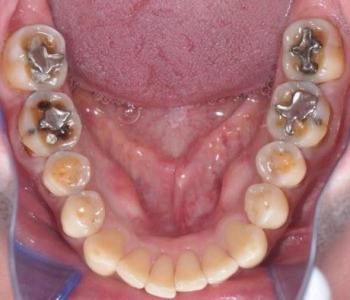
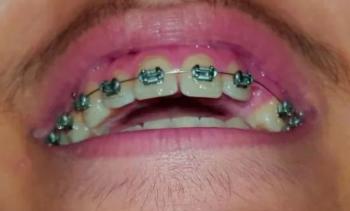
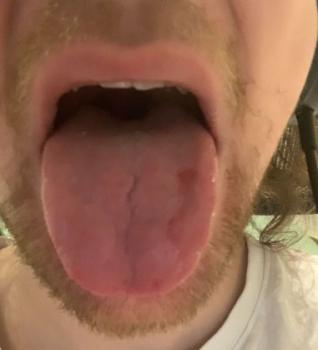
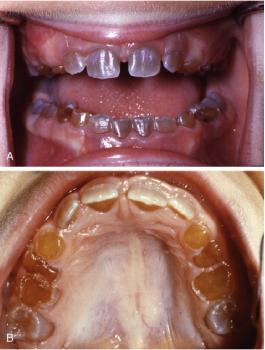
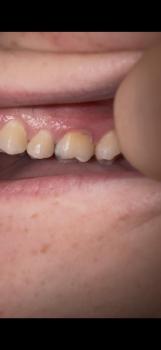
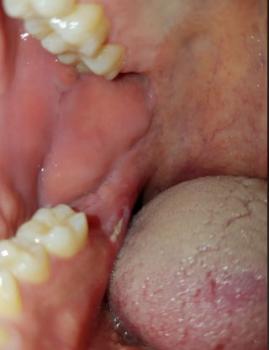
Patients with lower front gum inflammation may also experience tartar buildup, periodontal disease, gum abscesses, or tooth decay. Explore these related clinical case studies.
Other topics:
Other Dental Clinic