Smile Again with Comfort and Confidence.

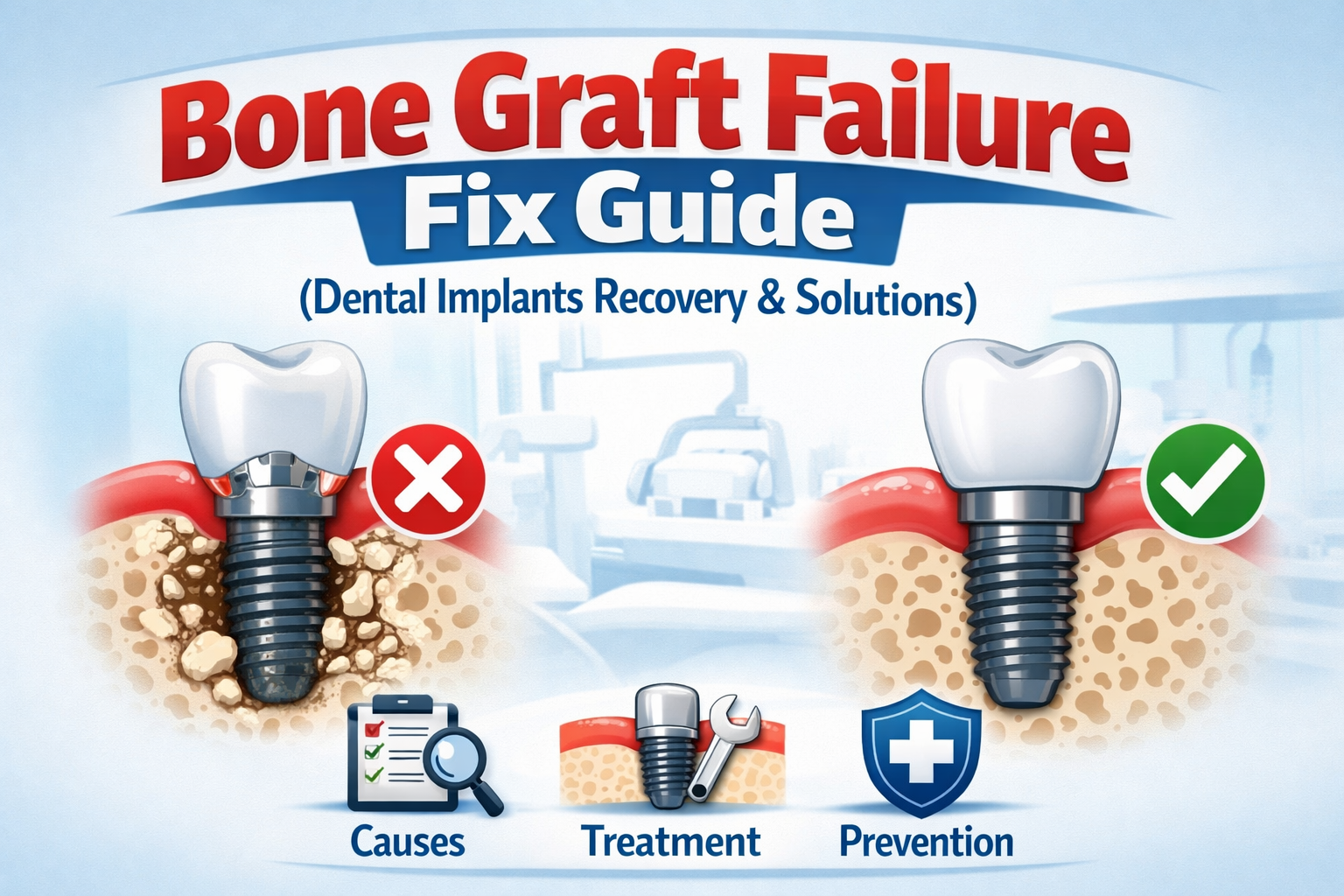
Bone Graft Failure Fix Guide (Dental Implants Recovery & Solutions)
Language :
Topics:
Bone grafting is a common and highly successful procedure used to rebuild jawbone for dental implants. However, in some cases, bone grafts may fail due to infection, poor healing, or underlying health issues. If this happens, don’t panic—there are proven solutions to fix and recover from bone graft failure.
This guide explains the causes, signs, treatment options, and how to successfully redo a bone graft for long-term implant success.
What is Bone Graft Failure?
Bone graft failure occurs when the transplanted bone does not properly integrate with your natural jawbone. This process, called osseointegration, is critical for supporting dental implants.
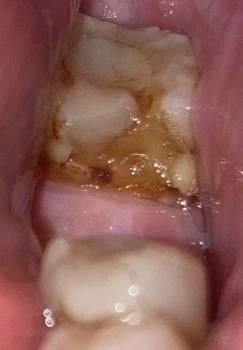
When failure happens, the graft may dissolve, become infected, or fail to develop enough bone density.
Common Causes of Bone Graft Failure
1. Infection
Bacterial contamination during or after surgery can prevent healing and damage the graft.
2. Poor Blood Supply
Bone grafts need proper blood flow to survive. Limited circulation can lead to graft rejection.
3. Smoking
Smoking reduces oxygen supply and significantly slows healing, increasing failure risk.
4. Movement of Graft Material
If the graft shifts or is unstable, it cannot properly fuse with existing bone.
5. Medical Conditions
Conditions like diabetes or immune disorders can delay or impair healing.
Signs Your Bone Graft May Be Failing
- Persistent pain beyond normal healing time
- Swelling that does not reduce
- Pus or bad taste in the mouth
- Gum recession around graft site
- Loose or exposed graft material
- Delayed healing (more than 3–6 months)
Early detection is critical for saving the graft or planning corrective treatment.
Bone Graft Failure Fix Options
1. Infection Control Treatment
If infection is the cause:
- Antibiotics are prescribed
- Cleaning of the graft site
- Removal of infected tissue if necessary
2. Graft Removal and Replacement
In severe cases:
- Failed graft is removed
- Area is cleaned and allowed to heal
- New graft is placed after recovery
3. Use of Advanced Grafting Materials
Modern techniques improve success rates:
- PRF (Platelet-Rich Fibrin) for faster healing
- Synthetic or donor bone with higher integration success
- Membrane protection for stability
4. Sinus Lift or Ridge Augmentation (if needed)
For upper jaw cases, additional procedures may be required to rebuild sufficient bone volume.
5. Improve Patient Health Before Retry
- Stop smoking
- Control blood sugar levels
- Improve oral hygiene
- Address gum disease
Recovery Timeline After Bone Graft Fix
- Week 1–2: Initial healing, swelling reduces
- 1–3 Months: Bone regeneration begins
- 3–6 Months: Bone becomes stable
- After 6 Months: Ready for dental implant placement
Healing may vary depending on the severity of failure and treatment approach.
How to Prevent Bone Graft Failure
- Follow post-operative instructions strictly
- Avoid smoking and alcohol
- Maintain excellent oral hygiene
- Take prescribed medications properly
- Attend follow-up dental visits
- Avoid pressure on the graft site
Cost Consideration (Philippines vs Abroad)
Redoing a bone graft can be expensive in countries like the US, UK, or Australia. In the Philippines, patients can save up to 60–70% while receiving high-quality dental care.
This makes it an ideal destination for dental tourism, especially for complex procedures like bone graft repair and dental implants.
FAQ – Bone Graft Failure Fix
1. Can a failed bone graft be redone?
Yes. Most failed bone grafts can be successfully redone after proper healing and infection control.
2. How long should I wait before redoing a graft?
Typically 3–6 months, depending on healing and condition of the site.
3. Is bone graft failure common?
No. Success rates are high (90–95%), but failures can happen due to specific risk factors.
4. Will I still be able to get dental implants?
Yes. After successful regrafting, implants can usually be placed.
5. Is the second graft more successful?
Often yes—especially if the cause of failure is identified and corrected.
Related Topics
- Tooth Extraction Healing Stages Day by Day
- Dental Implant Healing Timeline
- Dry Socket Treatment and Prevention
- Sinus Lift Procedure for Dental Implants
- Full Mouth Dental Implants Philippines Cost
- Bone Loss in Jaw: Causes and Treatment
- Failed Dental Implant Fix Guide
Bone graft failure can feel discouraging, but it is not the end of your dental implant journey. With proper diagnosis, advanced techniques, and improved patient care, most cases can be successfully corrected.
If you are considering a redo procedure, choosing an experienced dental team and following proper aftercare can significantly improve your chances of long-term success.
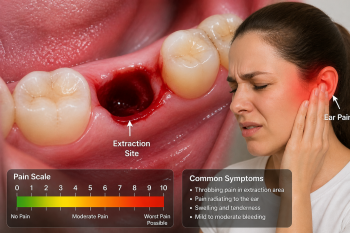
Can tooth extraction cause infection? Mild inflammation is normal, but increasing swelling, fever, or severe pain may indicate infection. Learn more about post-extraction infection warning signs in this detailed guide.
Book a consultation with our Cebu dental specialists for proper evaluation and care.
Ready to get expert guidance?
If you’re experiencing severe pain or delayed healing, book a consultation with our Cebu dental specialists to get proper evaluation and care.
Consultation or contact page .
Book a Consultation
For severe discomfort or delayed healing, book a consultation with our Cebu dental specialists today.
Looking for a dentist? Browse our Cebu dental directory to find trusted clinics near you.
Medical Review and Clinical Basis
This article is based on clinical dental guidelines and real patient recovery patterns observed after tooth extraction procedures. The information reflects common post-extraction healing stages, including normal clot formation, gum tissue repair, and signs of possible complications such as dry socket or infection.
While mild discomfort is expected after a dental extraction, worsening pain after Day 3, bad odor, exposed bone, or spreading pain may require professional evaluation. These symptoms are consistent with known post-extraction complications described in standard dental practice.
About Cebu Dental Implants
Cebu Dental Implants provides comprehensive tooth extraction, surgical procedures, and dental implant services in the Philippines. Our team evaluates post-extraction healing, manages complications such as dry socket, and advises patients on proper aftercare to prevent infection and delayed healing.
If you experience severe pain or unusual symptoms after extraction, early professional assessment is recommended to prevent further complications.
Important Medical Disclaimer
This content is for educational purposes only and does not replace professional dental diagnosis. Every patient heals differently. If symptoms worsen or do not improve within a few days, consult a licensed dentist for proper evaluation and treatment.
Author
This article was prepared by the Cebu Dental Implants content team in consultation with licensed dental professionals experienced in tooth extraction and implant procedures.
Related Clinical Cases
Patients with lower front gum inflammation may also experience tartar buildup, periodontal disease, gum abscesses, or tooth decay. Explore these related clinical case studies.

Other topics:
Other Dental Clinic
 |
 |
 |
 |