Smile Again with Comfort and Confidence.

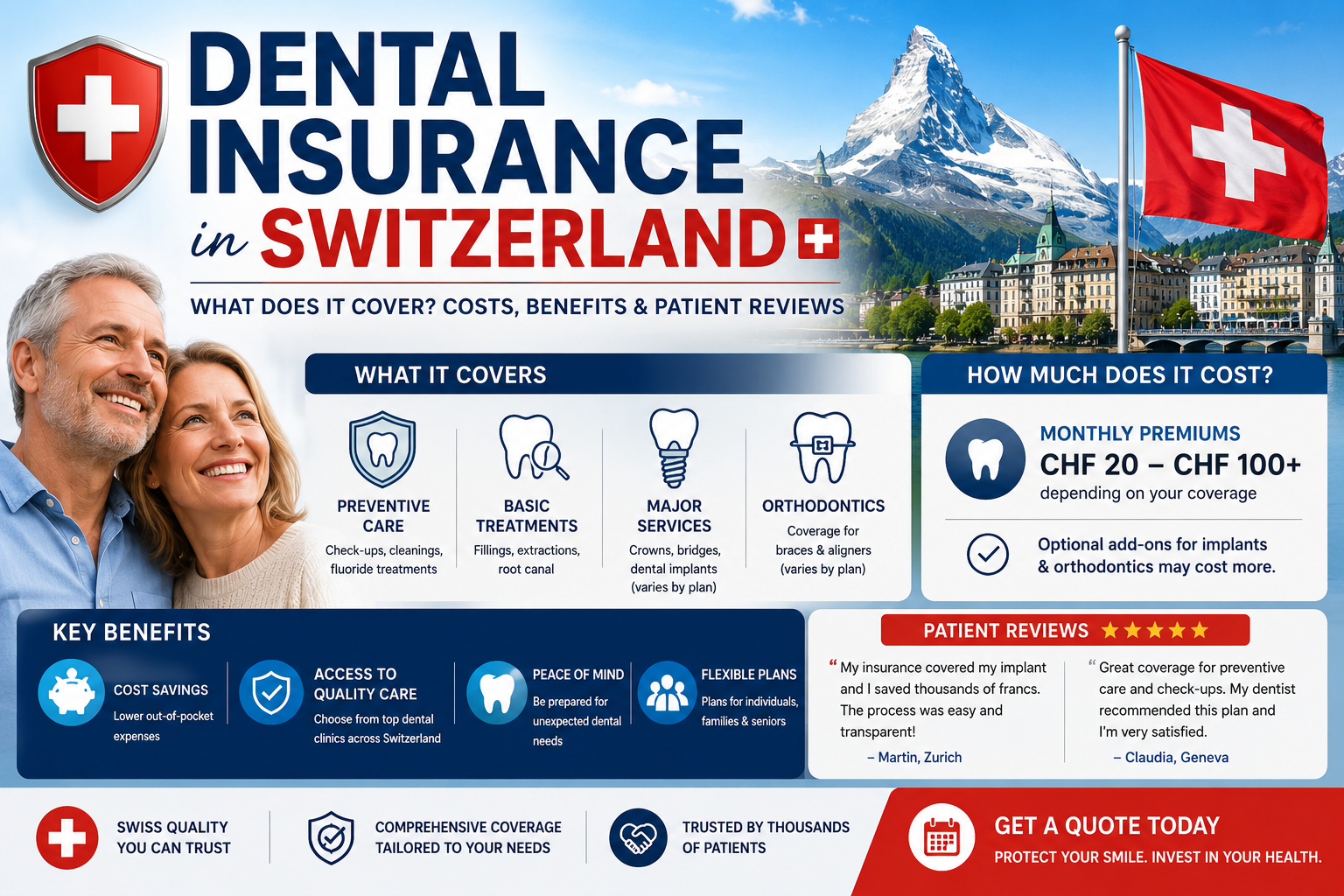
Dental Insurance in Switzerland: What Does It Cover? Costs, Benefits & Patient Reviews
image hero:
Country:
Dental treatment in Switzerland can be expensive, and one of the biggest surprises for residents and newcomers is that mandatory basic health insurance (LAMal/KVG) generally does not pay for ordinary dental care.
Routine dental treatment such as fillings, standard restorative work and most orthodontic treatment is normally paid privately by the patient. Basic insurance only covers dental treatment in specific legally defined situations, such as certain serious diseases affecting the masticatory system, certain severe systemic illnesses, or qualifying accidents when no other accident insurance covers the treatment.
For this reason, many people consider supplementary dental insurance (Zahnzusatzversicherung / assurance dentaire complémentaire / assicurazione dentale complementare).
But is dental insurance actually worth the premium?
The answer depends heavily on your age, dental health, expected treatment needs, policy limits, waiting periods and whether you are buying coverage before or after a dental problem is identified.
Quick Answer: Does Swiss Health Insurance Cover Dental Treatment?
| Treatment | Basic LAMal/KVG | Supplementary Dental Insurance |
|---|---|---|
| Routine dental examination | Usually no | Often yes |
| Dental hygiene / cleaning | Usually no | Often partially covered |
| Filling for ordinary decay | Usually no | Often partially covered |
| Root canal | Usually no | May be covered depending on policy |
| Crown | Usually no | May be covered |
| Bridge | Usually no | May be covered |
| Dental implant | Usually no | Depends heavily on policy |
| Dentures | Usually no | May be covered |
| Orthodontics | Limited/specific situations | Often covered, especially for children |
| Dental treatment after qualifying accident | May be covered depending on accident insurance | Policy dependent |
The exact benefits always depend on the individual supplementary insurance contract.
1. What Does Basic Health Insurance Cover?
Switzerland's compulsory health insurance provides a standardized statutory package, but ordinary dental treatment is largely outside that package.
The Federal Office of Public Health states that dental treatment is generally not covered. Reimbursement is possible only in specifically defined circumstances, including serious, non-preventable diseases of the masticatory system or dental treatment connected with certain serious general illnesses. Dental treatment following an accident may also be covered when another insurance does not assume the costs.
This means that a patient should not assume that having LAMal/KVG automatically protects them from a large dental bill.
For example, a standard filling caused by ordinary tooth decay is generally not paid by basic insurance.
Why This Matters
A person may have comprehensive Swiss health insurance for medical treatment while still being responsible for thousands of francs in dental expenses.
That distinction is one of the most important things newcomers to Switzerland should understand.
2. What Is Supplementary Dental Insurance?
Supplementary dental insurance is voluntary coverage purchased in addition to compulsory health insurance.
The Federal Office of Public Health explains that supplementary insurance is optional and governed by the Insurance Contract Act (VVG/ICA), rather than the compulsory-health-insurance rules. Insurers can therefore define their own benefits, premiums and acceptance conditions.
Depending on the policy, dental insurance may contribute toward:
-
Dental examinations
-
Dental hygiene
-
X-rays
-
Fillings
-
Extractions
-
Periodontal treatment
-
Root canal treatment
-
Crowns
-
Bridges
-
Dentures
-
Orthodontic treatment
-
Certain implant-related treatment
However, not every policy covers every treatment.
This is especially important for expensive procedures such as implants and crowns.
3. How Much Does Dental Insurance Cost in Switzerland?
Premiums vary according to the insurer, plan, age and individual underwriting conditions.
Rather than judging a policy solely by its monthly premium, compare:
-
Monthly or annual premium
-
Percentage reimbursed
-
Annual maximum
-
Waiting period
-
Deductible or excess
-
Dental treatments included
-
Orthodontic limits
-
Implant and prosthetic coverage
-
Pre-existing-condition exclusions
-
Whether treatment abroad is permitted
A low-cost policy may look attractive initially but provide relatively little protection against a major dental bill.
Conversely, a more expensive policy may have better reimbursement but still have an annual maximum that limits its usefulness for very expensive treatment.
4. Annual Reimbursement Limits
Annual caps are one of the most important features to check.
For example, current Swiss products demonstrate how dramatically policies can differ.
SWICA's Denta products currently range from 50% reimbursement up to CHF 500 per year for dental treatment at the lower level to 75% up to CHF 2,000 per year at the higher level. Its orthodontic benefits also vary by plan.
CSS currently advertises dental insurance with benefits of up to CHF 5,000 per year, with coverage depending on the selected insurance combination and treatment.
This illustrates why simply asking "Does Swiss dental insurance cover implants?" is not enough.
The better question is:
How much will my specific policy reimburse for my specific treatment, and what is the annual maximum?
5. Waiting Periods Can Be Critical
Many supplementary dental policies have waiting periods before certain benefits become available.
For example, CSS states that its dental cover has a six-month waiting period, while treatment involving dentures such as crowns, pivot teeth and bridges has a one-year waiting period.
Sanitas similarly lists waiting periods that can vary by treatment, including six months for certain restorative and periodontal treatment and 12 months for prosthetic work such as bridges and crowns.
Some accident-related dental treatment may be treated differently.
Never assume that buying insurance today means a dental procedure next month will be covered.
Check the policy's waiting-period provisions before scheduling expensive treatment.
6. Pre-Existing Dental Problems
This is one of the most important issues when purchasing supplementary dental insurance.
Because supplementary insurance is voluntary private insurance, insurers can assess applicants individually and may refuse coverage or impose restrictions based on health conditions.
A dental assessment may therefore be required.
For example, CSS states that a dental certificate confirming good dental condition is required for eligibility for its dental insurance, with specific rules for children.
This creates an important practical rule:
Do not wait until you already have a major dental problem before investigating insurance.
If a dentist has already diagnosed decay, recommended a crown or planned an implant, the insurer may exclude that problem or decline the application.
7. Are Dental Implants Covered?
Dental implants deserve special attention because they can produce substantial costs.
A policy may advertise coverage for dental treatment while applying different rules to:
-
The implant fixture
-
Bone grafting
-
Abutment
-
Crown
-
Surgical procedure
-
X-rays and diagnostics
-
Laboratory costs
Consequently, "implant coverage" does not necessarily mean that the insurer will pay most of the total implant bill.
Before proceeding, request a detailed treatment estimate (Kostenvoranschlag) from your dentist and ask the insurer for written confirmation of the expected reimbursement.
Example
Suppose a treatment costs:
CHF 4,000
If your insurance reimburses:
75%
the theoretical reimbursement would be:
CHF 3,000
But if your annual policy maximum is only:
CHF 2,000
the actual reimbursement may be limited to CHF 2,000, leaving the patient responsible for the remaining CHF 2,000.
This is why reimbursement percentages should never be considered separately from annual limits.
8. Orthodontic Insurance for Children
Dental insurance can be particularly relevant for families with children.
Orthodontic treatment can continue over several years, and some supplementary plans provide significant contributions toward braces and other orthodontic appliances.
SWICA, for example, currently lists orthodontic benefits through age 25 with annual limits that vary according to the Denta plan.
Parents should therefore compare:
-
Age limits
-
Percentage reimbursement
-
Lifetime maximum
-
Annual maximum
-
Covered orthodontic procedures
-
Waiting periods
-
Existing orthodontic problems
-
Whether treatment must be approved before it begins
Buying coverage after orthodontic treatment has already been recommended may result in exclusions or rejection.
9. Patient Reviews: What Do Residents Complain About?
Online patient and consumer discussions about Swiss dental insurance tend to revolve around several recurring issues.
"I Didn't Realize Dental Wasn't Covered"
New residents can be surprised that their compulsory health insurance does not normally pay for ordinary dental treatment.
The distinction between medical insurance and dental expenses can therefore produce significant financial surprises.
"The Insurance Doesn't Pay as Much as I Expected"
Another common source of frustration is misunderstanding the difference between:
75% reimbursement
and
75% reimbursement up to CHF 2,000 per year.
The second figure is the one that can determine the actual financial benefit.
"I Couldn't Get Coverage After the Problem Was Found"
Underwriting and dental assessments can make it difficult to obtain comprehensive coverage after a problem has already been identified.
This is why timing matters.
"The Premium Became Less Attractive as I Got Older"
Some plans have age-dependent premiums or other pricing structures. The financial value of insurance can therefore change over time.
Consumers should compare the long-term premium cost against realistic expected reimbursements rather than looking only at today's monthly price.
10. Is Swiss Dental Insurance Worth It?
There is no universal answer.
It May Make Sense If:
-
You have children who may need orthodontic treatment.
-
You expect significant dental treatment over several years.
-
You want predictable protection against some dental expenses.
-
Your policy has strong reimbursement limits.
-
You can obtain coverage before dental problems develop.
-
The policy covers the procedures you are most concerned about.
It May Be Less Attractive If:
-
You have very healthy teeth and rarely need treatment.
-
The annual reimbursement limit is low.
-
Premiums are high relative to the maximum benefit.
-
Major existing dental problems are excluded.
-
Your expected treatment is outside the policy.
-
You could comfortably maintain a dedicated dental savings fund.
The most important calculation is not simply:
Premium × 12
Instead, compare the expected annual premium with the realistic amount the insurer is likely to reimburse.
11. Dental Insurance vs. Saving Money Yourself
For some healthy adults, a personal dental savings fund may be an alternative worth considering.
For example, someone paying CHF 50 per month would spend:
CHF 600 per year
If that person receives only CHF 300 of eligible reimbursement during the year, the insurance may not provide a financial advantage that year.
However, the calculation changes substantially if a family member requires expensive orthodontic treatment or several major procedures.
Insurance provides something that savings do not:
risk protection.
You may pay premiums for years without needing much treatment, but a major covered dental problem could potentially generate a much larger claim.
12. Before Buying: Ask These 10 Questions
Before signing a dental insurance contract in Switzerland, ask the insurer:
-
What percentage of dental treatment is reimbursed?
-
What is the annual maximum?
-
Are crowns covered?
-
Are bridges covered?
-
Are dental implants covered?
-
Are root canals covered?
-
Is periodontal treatment covered?
-
What orthodontic benefits are available?
-
What waiting periods apply?
-
Are existing dental conditions excluded?
Also ask whether the dentist must provide a treatment estimate before treatment begins.
13. Get a Written Treatment Estimate
If you are considering expensive treatment, request an itemized Kostenvoranschlag from your dentist.
This should ideally identify:
-
Diagnosis
-
Proposed treatment
-
Individual procedures
-
Laboratory costs
-
Materials
-
Number of teeth involved
-
Estimated total cost
Then submit the estimate to your insurer before treatment begins.
Written confirmation is much safer than relying on a verbal statement from a call-center representative.
14. Comparing Major Swiss Dental Insurance Providers
Several major Swiss insurers offer supplementary dental products, but their policies are not identical.
Examples include:
-
CSS
-
SWICA
-
Sanitas
-
Concordia
-
Other Swiss health insurers and private insurers
For example, CSS currently advertises dental coverage that can contribute toward examinations, hygiene, fillings, extractions, orthodontics and prosthetic work.
SWICA's Denta range provides different reimbursement levels and annual limits depending on the selected plan.
Sanitas also applies treatment-specific waiting periods and eligibility requirements.
These examples demonstrate why comparing insurers by brand name alone is insufficient.
Compare the actual policy terms.
15. What About Dental Treatment Abroad?
Switzerland's geographic position means that some residents live relatively close to dental providers in neighboring countries such as Germany, France, Italy and Austria.
Cross-border dental treatment can therefore be financially attractive in some circumstances.
However, coverage abroad is entirely dependent on the policy.
Some supplementary dental products specifically define whether treatment outside Switzerland is eligible and may require treatment to be performed by recognized providers.
Before travelling for treatment, obtain written confirmation from your insurer.
Do not assume that a treatment covered in Switzerland will automatically be reimbursed if performed abroad.
16. The Bottom Line
Swiss compulsory health insurance is not the same as dental insurance.
For most ordinary adult dental treatment, patients should expect to pay privately unless their circumstances fall within the limited statutory situations where basic insurance applies.
Supplementary dental insurance can reduce the financial burden, but policies vary considerably.
The three numbers that matter most are:
1. Premium
2. Reimbursement percentage
3. Annual maximum
Then check the waiting period and exclusions.
For someone with healthy teeth, dental insurance may or may not be financially worthwhile. For families facing orthodontic costs or people seeking protection against major restorative treatment, the calculation can be very different.
The safest approach is to compare several policies, read the exclusions carefully and obtain written confirmation of coverage before starting expensive treatment.
Frequently Asked Questions
Does LAMal cover dental treatment in Switzerland?
Generally, no. Basic insurance covers dental treatment only in specific legally defined circumstances, including certain serious diseases and qualifying accidents.
Does Swiss dental insurance cover implants?
Some supplementary policies may contribute toward implant-related treatment, but coverage, reimbursement percentages, annual limits and exclusions vary by insurer and plan.
How much does dental insurance cost in Switzerland?
Premiums vary according to the insurer, plan and applicant. Always compare the annual premium against the policy's actual reimbursement limits.
Is there a waiting period?
Often, yes. The period depends on the insurer and treatment. CSS, for example, lists six months for dental cover and one year for certain prosthetic treatments.
Can I buy dental insurance after my dentist finds a problem?
You can apply, but acceptance and coverage are not guaranteed. Supplementary insurers may request dental assessments, exclude existing conditions or refuse an application.
Is dental insurance worth it in Switzerland?
It depends on your age, dental health, expected treatment, premiums, reimbursement percentage and annual maximum. There is no single answer that applies to every patient.
Should I ask my dentist for a Kostenvoranschlag?
Yes. For expensive treatment, an itemized written estimate can help you compare treatment costs and obtain confirmation from your insurer before proceeding.
Important Disclaimer
Insurance products, premiums, reimbursement limits and eligibility rules can change. This article provides general educational information and should not be treated as insurance, financial or medical advice. Always verify the current policy wording directly with the insurer before purchasing coverage or beginning treatment.
Last reviewed: August 2026
Related Clinical Cases
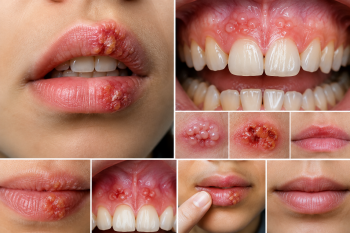
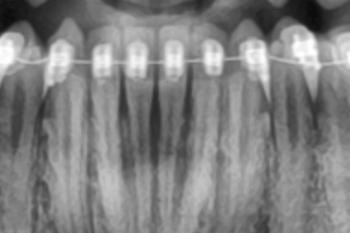
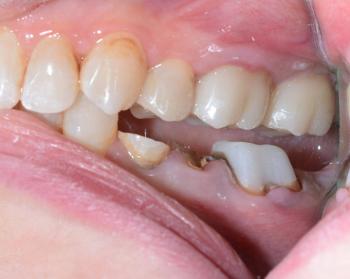
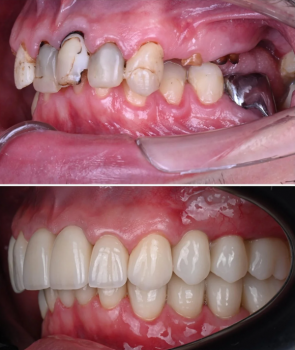
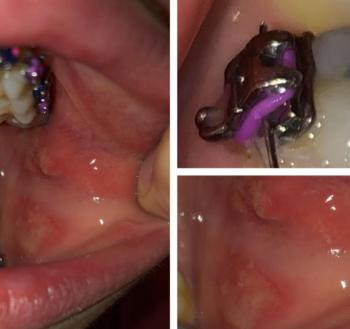
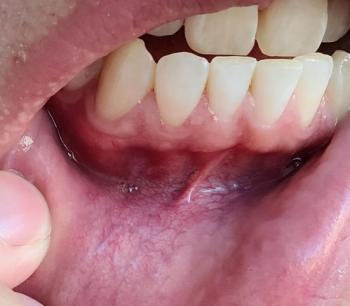
Patients with lower front gum inflammation may also experience tartar buildup, periodontal disease, gum abscesses, or tooth decay. Explore these related clinical case studies.


Other topics:
Other Dental Clinic
 |
 |
 |
 |