Strong Teeth, Fresh Breath, Brighter You.

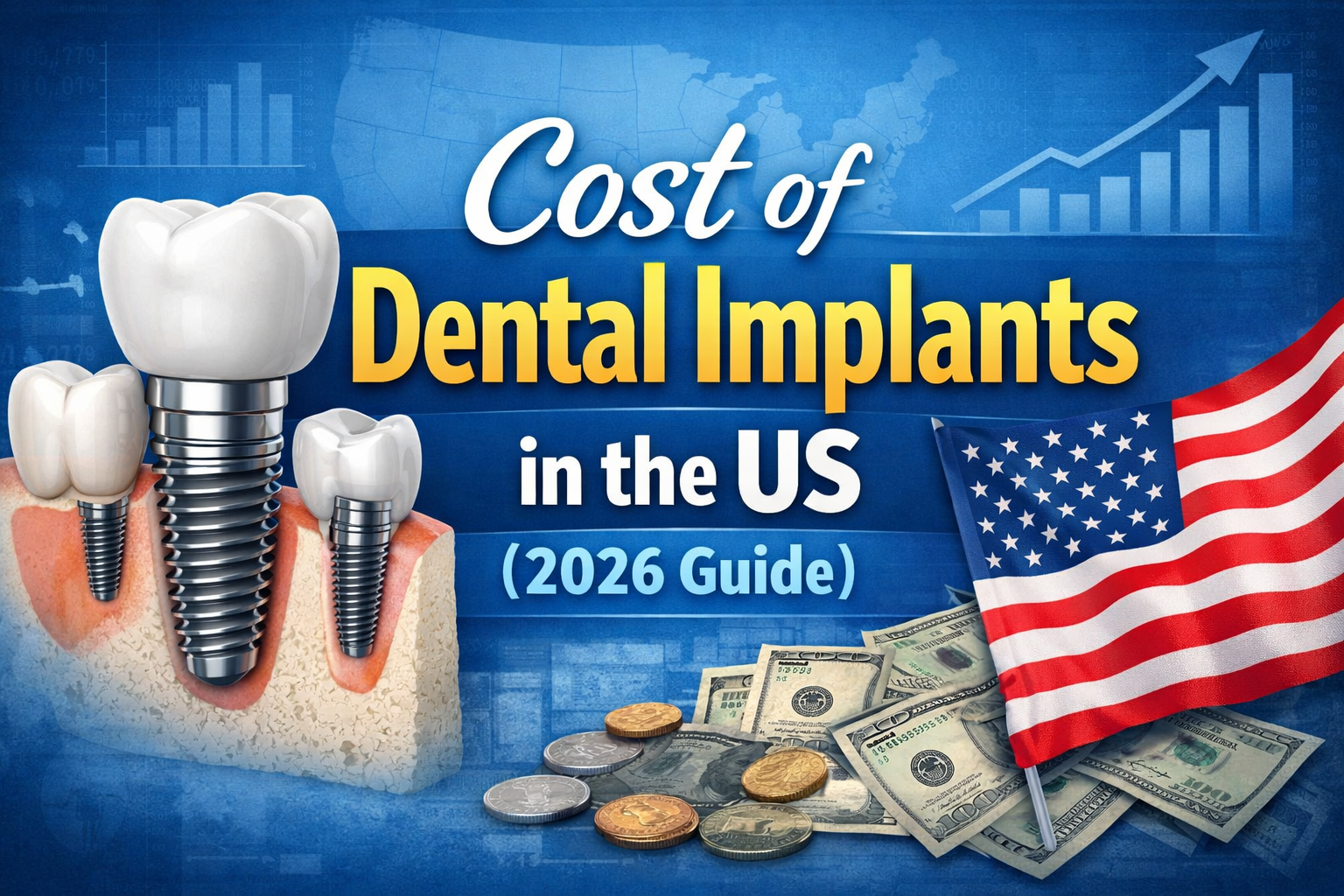
Cost of Dental Implants in the US (2026 Guide)
Language :
Topics:
Dental implants are one of the most popular long-term solutions for missing teeth in the United States. In 2026, the cost of dental implants varies widely depending on the procedure type, materials used, location, and whether insurance helps cover the treatment.
This complete guide explains average prices, what affects the cost, insurance coverage, and how patients in the US can reduce expenses.
Average Cost of Dental Implants in the United States (2026)
In 2026, the national average costs are:
Single Tooth Dental Implant
-
$3,000 to $6,000 per tooth
(Includes implant post, abutment, and crown)
Implant Post Only
-
$1,500 to $3,000
Abutment and Crown
-
$1,000 to $3,000
Bone Graft (if needed)
-
$300 to $3,000
Full Mouth Dental Implants
-
$20,000 to $50,000 per arch
-
$40,000 to $90,000 for both upper and lower
All-on-4 Dental Implants
-
$15,000 to $35,000 per arch
Costs vary significantly by state. Major cities like New York, Los Angeles, and Miami typically charge more than smaller metropolitan areas.
What Affects the Cost of Dental Implants?
Several factors influence pricing in the US:
1. Location
Dental offices in high-cost states such as California, New York, and Texas may charge more than rural clinics.
2. Dentist’s Experience
Board-certified implant specialists or oral surgeons typically charge higher fees.
3. Type of Implant
Titanium implants are standard. Zirconia implants may cost more.
4. Additional Procedures
Patients may require:
-
Tooth extraction
-
Bone grafting
-
Sinus lift
-
3D imaging (CBCT scan)
Each adds to the total price.
5. Materials Used
Premium crown materials like zirconia or porcelain fused to metal affect final cost.
Does Dental Insurance Cover Implants in the US?
Many dental insurance plans now partially cover implants in 2026.
Coverage depends on:
-
Annual maximum benefit (often $1,000–$2,000)
-
Waiting periods
-
Policy exclusions
Major insurance providers that may offer implant coverage:
-
Delta Dental
-
Cigna
-
Aetna
-
MetLife
-
Guardian
However, most plans cover only 10% to 50% of the procedure.
Medicare typically does not cover dental implants unless medically necessary. Medicaid coverage varies by state.
Are Dental Implants Worth the Cost?
Compared to bridges or dentures, implants:
-
Last 20+ years
-
Prevent bone loss
-
Feel like natural teeth
-
Improve chewing strength
-
Preserve facial structure
Although the upfront cost is higher, implants often become more cost-effective long term.
Dental Implant Financing Options in the US
Many clinics offer:
Payment Plans
Monthly installment options through the dental office.
Third-Party Financing
Companies such as:
-
CareCredit
-
LendingClub
-
Sunbit
Health Savings Accounts (HSA) and FSA
Implants are often eligible medical expenses.
Cost Comparison: Implants vs Dentures vs Bridges
Dental Implants
$3,000–$6,000 per tooth
Longest lifespan
Dental Bridge
$2,000–$5,000
May need replacement after 10–15 years
Dentures
$600–$3,000
Lower cost but less stable
Implants provide the highest long-term stability and function.
Frequently Asked Questions (FAQ)
How much do dental implants cost in the US in 2026?
The average cost for a single dental implant in 2026 ranges from $3,000 to $6,000, depending on location and additional procedures.
Why are dental implants so expensive?
Implants require surgery, high-quality materials, laboratory work, and advanced imaging technology. The expertise of the dental specialist also impacts pricing.
Can I get dental implants for under $2,000?
It is rare in the US to receive a complete implant (post, abutment, and crown) under $2,000. Some clinics advertise implant post-only pricing.
Does Medicaid cover dental implants?
Medicaid coverage depends on the state. Some states offer limited implant coverage when medically necessary.
Are full mouth implants covered by insurance?
Most insurance plans do not fully cover full mouth implants, but they may partially contribute up to the annual maximum benefit.
Is it cheaper to get dental implants abroad?
Some patients travel internationally for lower costs. However, follow-up care and complication risks should be considered carefully.
Does dental insurance cover implants in America?
Many dental insurance plans partially cover implants, usually between 10% and 50%, depending on the annual maximum benefit and waiting period.
What is the cheapest option to replace missing teeth?
Dentures are usually the least expensive option, costing between $600 and $3,000, but they do not prevent bone loss like dental implants.
Related Topics
You may also find these guides helpful:
- Dental Implants vs Dentures: Which Is Better?
- Best Dental Insurance for Implants in the US
- All-on-4 Dental Implants Cost Explained
- Signs of Dental Implant Failure
- Bone Graft Cost for Dental Implants
- Emergency Tooth Extraction Cost in America
- Same Day Dental Implants: Benefits and Risks
- Medicaid Dental Coverage by State
- How Long Do Dental Implants Last?
- Dental Implant Financing Options Explained
Can tooth extraction cause infection? Mild inflammation is normal, but increasing swelling, fever, or severe pain may indicate infection. Learn more about post-extraction infection warning signs in this detailed guide.
Book a consultation with our Cebu dental specialists for proper evaluation and care.
Ready to get expert guidance?
If you’re experiencing severe pain or delayed healing, book a consultation with our dental specialists to get proper evaluation and care.
Consultation or contact page .
Book a Consultation
For severe discomfort or delayed healing, book a consultation with our Cebu dental specialists today.
Looking for a dentist? Browse our dental directory to find trusted clinics near you.
Medical Review and Clinical Basis
This article is based on clinical dental guidelines and real patient recovery patterns observed after tooth extraction procedures. The information reflects common post-extraction healing stages, including normal clot formation, gum tissue repair, and signs of possible complications such as dry socket or infection.
While mild discomfort is expected after a dental extraction, worsening pain after Day 3, bad odor, exposed bone, or spreading pain may require professional evaluation. These symptoms are consistent with known post-extraction complications described in standard dental practice.
About Cebu Dental Implants
Cebu Dental Implants provides comprehensive tooth extraction, surgical procedures, and dental implant services in the Philippines. Our team evaluates post-extraction healing, manages complications such as dry socket, and advises patients on proper aftercare to prevent infection and delayed healing.
If you experience severe pain or unusual symptoms after extraction, early professional assessment is recommended to prevent further complications.
Important Medical Disclaimer
This content is for educational purposes only and does not replace professional dental diagnosis. Every patient heals differently. If symptoms worsen or do not improve within a few days, consult a licensed dentist for proper evaluation and treatment.
Author
This article was prepared by the Cebu Dental Implants content team in consultation with licensed dental professionals experienced in tooth extraction and implant procedures.
Video:
Related Clinical Cases
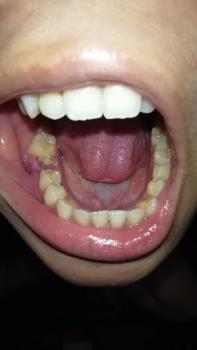
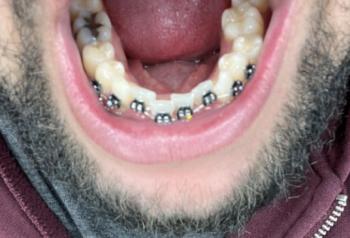
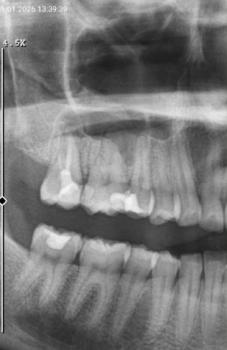
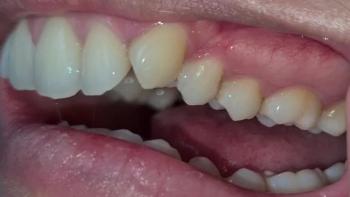
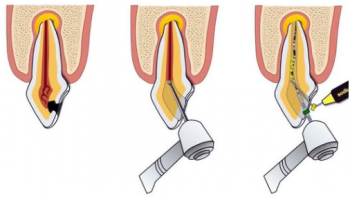
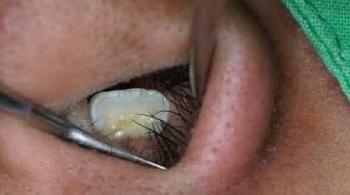
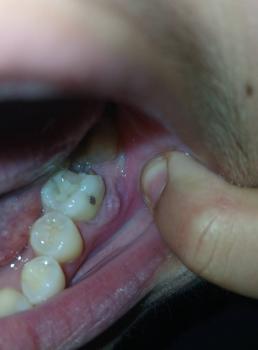
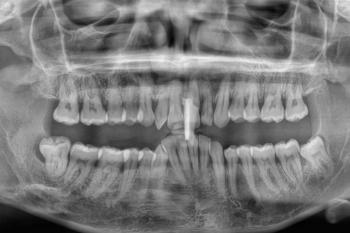
Patients with lower front gum inflammation may also experience tartar buildup, periodontal disease, gum abscesses, or tooth decay. Explore these related clinical case studies.
Other topics:
Other Dental Clinic