Your Smile, Perfected with Precision.

Teeth Misalignment and Gum Irritation: How Scaling Helps Protect Your Gums
Image:
Severity:
Teeth Problems:
Understanding Crowded Teeth, Plaque Buildup, and Professional Dental Cleaning
Teeth misalignment, also called malocclusion, occurs when teeth are crowded, rotated, overlapping, or do not meet properly when biting. Although crooked teeth do not automatically cause gum disease, crowded tooth surfaces can make brushing and flossing more difficult. Plaque may accumulate in these hard-to-clean areas, increasing the risk of gingivitis and tooth decay.
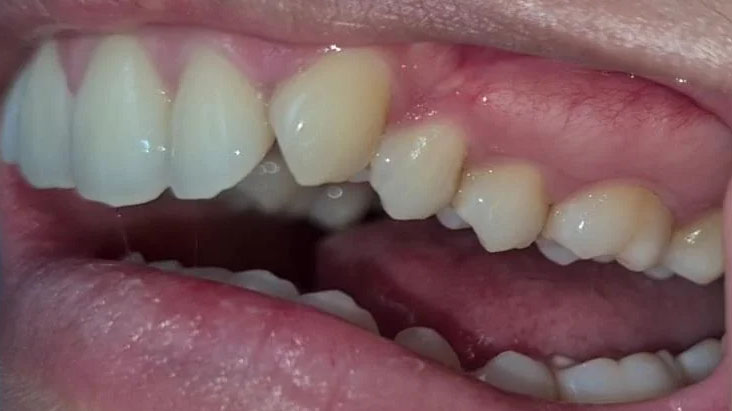
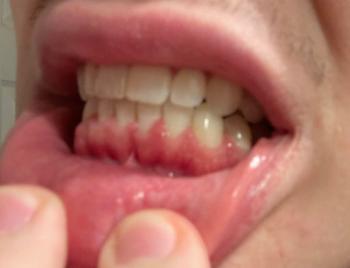
According to the original dental case analysis on CebuDentalImplants.com, the reported visual findings include tooth crowding, irregular tooth positioning, and localized gum redness. These observations can suggest areas that need closer examination, but a photograph alone cannot confirm the severity of gum disease or determine whether bone loss is present.
1. Why Misaligned Teeth Can Irritate the Gums
Several factors may contribute to gum irritation around crowded teeth:
-
Plaque accumulation: Bacterial plaque collects along the gumline and between overlapping teeth.
-
Calculus formation: When plaque hardens into tartar, it cannot be completely removed by ordinary brushing.
-
Difficult interdental cleaning: Crowded teeth may make flossing or using interdental brushes more challenging.
-
Food impaction: Food trapped between poorly positioned teeth can irritate the gums.
-
Bite-related problems: Certain bite irregularities can contribute to uneven tooth wear or discomfort, although they do not necessarily cause gingivitis.
Redness, swelling, tenderness, bleeding during brushing, and persistent bad breath are common warning signs of gum inflammation. Persistent symptoms should be assessed by a dentist.
2. How Professional Scaling Helps
Professional dental scaling removes hardened calculus and bacterial deposits from tooth surfaces. It helps reduce plaque-retentive areas and supports healthier gums.
A dentist or dental hygienist may recommend the following approach:
Step 1: Comprehensive dental examination
The dentist examines the teeth, gumline, bite, and areas of crowding. Periodontal probing measures gum-pocket depths. Dental X-rays may be appropriate when there is concern about bone loss, hidden decay, or other problems that cannot be evaluated visually.
Step 2: Professional cleaning
Scaling removes calculus and plaque from accessible tooth surfaces. If periodontal pockets and deeper deposits are present, scaling and root planing may be needed. The appropriate treatment depends on the clinical findings.
Step 3: Personalized oral hygiene instruction
Patients may benefit from a soft-bristled toothbrush, fluoride toothpaste, daily flossing, or appropriately sized interdental brushes. A dentist can demonstrate how to clean overlapping teeth without injuring the gums.
Step 4: Follow-up assessment
Gum bleeding, redness, and tenderness may gradually improve after effective plaque removal and consistent home care. The recovery period varies according to the severity of inflammation and the patient's overall oral health. Persistent bleeding or swelling requires reassessment.
3. Does Scaling Straighten Crooked Teeth?
No. Scaling removes plaque and tartar; it does not move teeth into proper alignment.
If crowding makes cleaning difficult or causes bite problems, an orthodontic assessment may be appropriate. Depending on the patient's needs, treatment may involve braces or clear aligners.
Active gum disease should be evaluated and managed before and during orthodontic treatment. Healthy gums and adequate supporting bone are important for safe tooth movement.
Orthodontic treatment is not necessary for every case of mild misalignment. The decision should consider oral health, function, cleaning difficulty, the patient's goals, and the condition of the supporting tissues.
4. Home Care for Crowded Teeth
To reduce plaque buildup and protect the gums:
-
Brush twice daily with fluoride toothpaste.
-
Clean between the teeth every day using floss or suitable interdental brushes.
-
Use gentle brushing movements along the gumline.
-
Avoid forcing floss or interdental brushes into tight spaces.
-
Follow the dentist's recommended cleaning schedule.
-
Avoid smoking or tobacco use, which can worsen periodontal health.
-
Do not attempt to scrape tartar off your teeth with sharp tools.
Home care helps control plaque but cannot remove established calculus or replace professional periodontal treatment.
5. When to Seek Dental Care
Arrange a dental appointment if your gums repeatedly bleed, remain swollen, become painful, or produce persistent bad breath. Loose teeth, receding gums, or changes in the way your teeth fit together also warrant evaluation.
Seek urgent dental care for severe gum swelling, pus, or rapidly worsening pain. Facial swelling accompanied by difficulty swallowing or breathing requires emergency medical attention.
Short Fictional Patient Story: A Firefighter With Crowded Teeth
This is an educational fictional story, not a documented patient case.
Marco was a firefighter who worked long shifts responding to emergencies. During busy weeks, he sometimes rushed through brushing before leaving for another call. Over time, he noticed that the gums around his crowded lower front teeth bled when he brushed.
Initially, Marco assumed that his crooked teeth were the only problem. After a dental examination, he learned that crowded teeth could make cleaning more difficult, while plaque accumulation was a likely contributor to his gum irritation. The dentist explained that the exact condition of his gums needed to be assessed clinically.
Marco received professional cleaning and learned how to clean between his teeth with suitable interdental tools. Because his gums needed further monitoring, he arranged a follow-up appointment. He also discussed whether orthodontic treatment might make long-term cleaning easier.
Over the following weeks, Marco became more consistent with his oral hygiene routine. His gum condition improved, although the dentist continued monitoring his progress.
Lesson from Marco's story: Straight teeth are not the only measure of oral health. Effective plaque control, healthy supporting tissues, professional assessment, and appropriate treatment all matter.
Frequently Asked Questions
1. Can crooked teeth cause gingivitis?
Crooked or crowded teeth can make cleaning difficult, allowing plaque to accumulate. The plaque bacteria can trigger gingivitis. However, misalignment alone does not prove that gum disease is present.
2. Can dental scaling stop gum bleeding?
Scaling can help reduce bleeding when plaque and calculus are contributing to gum inflammation. Continued bleeding may indicate persistent gingivitis, periodontitis, trauma from brushing, or another condition that needs assessment.
3. How long do gums take to improve after scaling?
Mild inflammation may begin improving within several days, while more established gum disease may take longer and require additional treatment. There is no guaranteed recovery timeline for every patient. A dentist should reassess symptoms that persist or worsen.
4. Is scaling painful when teeth are crowded?
Scaling may cause temporary sensitivity or discomfort, particularly when the gums are inflamed or roots are exposed. The dentist can adjust the technique and discuss local anesthesia when needed.
5. Can scaling remove tartar between overlapping teeth?
A dental professional can remove accessible calculus around and between crowded teeth using appropriate instruments. Deep deposits or periodontal pockets may require more involved treatment.
6. Should I get braces if my gums bleed?
Bleeding gums should be evaluated before starting orthodontic treatment. A dentist may recommend treating active gum inflammation first. Braces are not a treatment for gingivitis, and orthodontic appliances can make plaque control more demanding.
7. Can clear aligners fix crowded teeth?
Clear aligners can correct many types of mild to moderate crowding, but they are not suitable for every case. An orthodontist must assess the bite, tooth positions, gum health, and supporting bone before recommending treatment.
8. Can gum disease cause teeth to become loose?
Yes. Advanced periodontitis can damage the tissues and bone supporting the teeth, leading to tooth mobility and potentially tooth loss. Loose teeth should be assessed promptly.
9. Is mouthwash enough to prevent gum disease?
No. Mouthwash does not replace brushing, cleaning between teeth, or professional care. Some mouthwashes may be useful as an additional measure when recommended by a dental professional.
10. When is deep cleaning necessary?
Scaling and root planing may be recommended when periodontal examination reveals deeper pockets and deposits below the gumline. Ordinary professional cleaning may be sufficient for plaque-induced gingivitis without significant supporting-tissue damage.
Clinical Takeaway
Teeth misalignment can create plaque-retentive areas, but gum irritation may have several causes. Professional scaling, daily interdental cleaning, periodontal assessment, and orthodontic consultation when indicated can help protect long-term oral health.
The best treatment plan is based on a complete clinical examination rather than tooth appearance alone.
Medical disclaimer: This article provides general dental education and does not replace an individual examination, diagnosis, or treatment plan from a licensed dentist.
Suggested References
-
American Dental Association — Scaling and Root Planing for Gum Disease
Teeth Case – Zoom 100%
Focused Area: Upper and lower teeth alignment with surrounding gingival tissue
Full Analysis and Deep Visual Examination
This assessment is based solely on the provided image and does not replace a comprehensive dental examination, orthodontic evaluation, or dental X-rays.
Observed Findings
-
Noticeable tooth misalignment and crowding, particularly in the upper arch
-
Irregular tooth positioning creating plaque-retentive areas
-
Mild gingival redness and irritation, especially near crowded teeth
-
Uneven contact points making brushing and flossing more difficult
-
No obvious large cavities visible, but risk areas are present
Probable Diagnosis
-
Dental crowding and malocclusion
-
Plaque-induced gingivitis related to misaligned teeth
-
Increased long-term risk of periodontal disease and tooth wear
Recommended Treatment Process
Step 1: Full Mouth Scaling and Polishing (Day 1)
-
Ultrasonic scaling to remove plaque and early calculus
-
Manual scaling around crowded and overlapping teeth
-
Polishing to smooth enamel surfaces and reduce plaque retention
Estimated duration: 30–60 minutes
Local anesthesia: Usually not required unless sensitivity is present
Step 2: Alignment and Preventive Planning (Day 7–30)
-
Orthodontic consultation to assess alignment correction options
-
Consider clear aligners or braces depending on severity
-
Customized oral hygiene instruction for crowded teeth areas
Healing and Recovery Timeline
| Time Frame | Expected Outcome |
|---|---|
| Days 1–3 | Reduction in gum redness and irritation |
| Days 4–7 | Improved gum tone and reduced inflammation |
| Days 8–14 | Stable gingival health with proper cleaning |
A 14-day healing period is realistic for gum tissue after scaling, assuming good oral hygiene.
What Will Scale Up If Left Untreated
-
Progressive gingivitis and plaque accumulation
-
Increased risk of periodontal pockets
-
Accelerated enamel wear due to misaligned bite forces
-
Higher chance of cavities in crowded areas
-
Potential tooth mobility and gum recession over time
Post-Treatment Care Instructions
-
Brush twice daily using a soft-bristle toothbrush
-
Use interdental brushes or floss designed for crowded teeth
-
Maintain regular professional dental cleanings
-
Follow orthodontic advice if alignment treatment is initiated
Professional Comment
Tooth misalignment significantly increases the risk of gum disease due to cleaning difficulty. While scaling improves gum health, long-term stability depends on proper alignment and consistent oral hygiene.
Visit a Dental Clinic Near You
For professional scaling, orthodontic assessment, and gum evaluation, search for a nearby dental clinic using our directory:
Related Clinical Cases
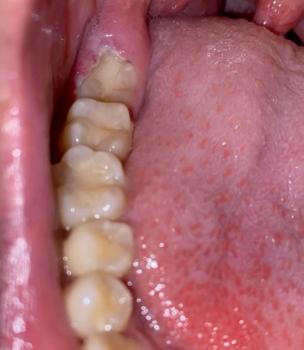
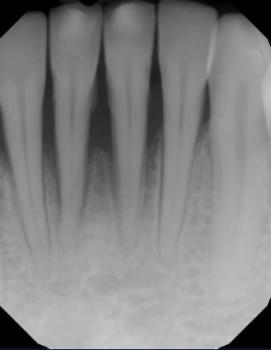
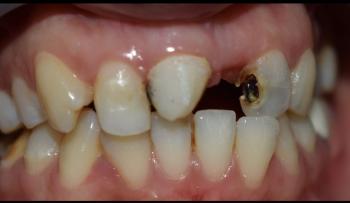
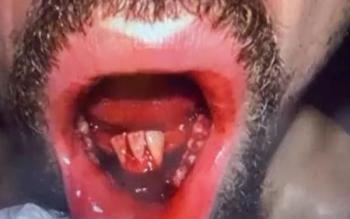
Patients with lower front gum inflammation may also experience tartar buildup, periodontal disease, gum abscesses, or tooth decay. Explore these related clinical case studies.



Other topics:
Other Dental Clinic