Missing Teeth? Find Your Smile Again.

Dental Care for Adults in Denmark: Costs, Subsidies, Insurance, and Money-Saving Tips for Expats (2026 Guide)
Language :
Topics:
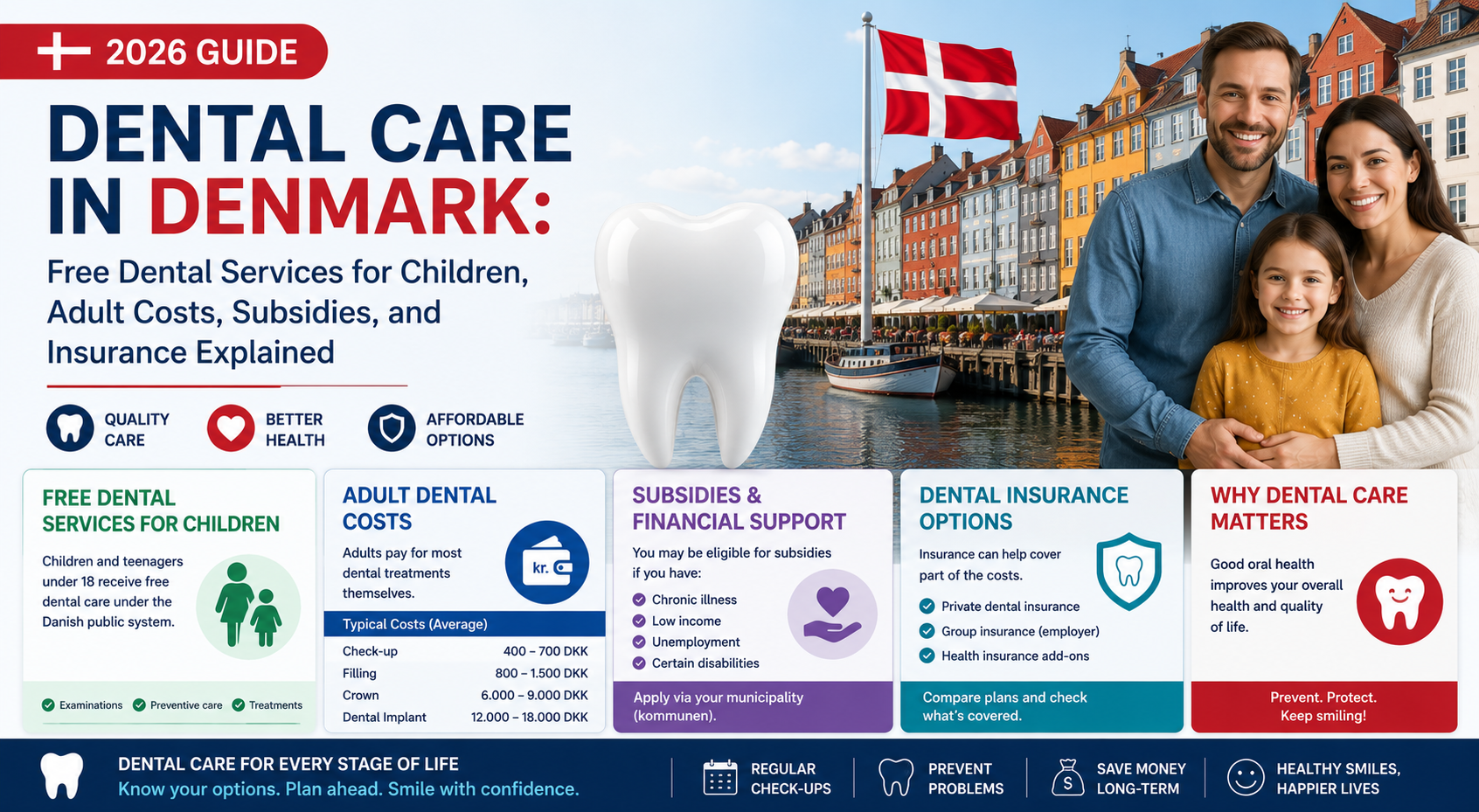
Moving to Denmark offers many advantages, including access to one of the world's most respected healthcare systems. However, many expats are surprised to discover that dental care for adults operates differently from general medical services. While doctor visits and hospital care are largely covered through the Danish healthcare system, dentistry follows a mixed public-private model in which adult patients are responsible for a significant portion of their treatment costs.
Unlike children's dental care, which is generally provided free of charge through municipal programs, adult dentistry is primarily delivered through private dental practices. Although the Danish government provides subsidies for selected treatments, patients are still expected to contribute toward their care. Depending on the procedure, these out-of-pocket expenses can range from modest copayments for routine examinations to several thousand kroner for crowns, implants, and other advanced restorative treatments.
For expats who are unfamiliar with the Danish system, understanding how subsidies work, how to reduce expenses, and which insurance options are available can make a significant difference in managing healthcare costs. Fortunately, Denmark offers several practical ways to reduce dental expenses without compromising treatment quality.
This guide explains how adult dental care works in Denmark, what subsidies are available, how private insurance can help, and the most effective strategies for reducing dental costs as an expatriate or international resident.
Understanding Adult Dental Care in Denmark
One of the most important concepts for expats to understand is that Denmark does not operate a separate public-versus-private dental system in the way many other countries do.
In countries such as the United Kingdom, patients may choose between public National Health Service treatment and private dentistry. Denmark functions differently.
Almost all adult dental treatment is delivered through private dental practices.
These private clinics operate under national agreements that allow state subsidies to be applied directly to eligible treatments.
As a result, patients generally receive care in private clinics regardless of whether subsidies are involved.
Why Adult Dental Care Is Not Free
The Danish healthcare system places a strong emphasis on preventive dentistry during childhood and adolescence.
Children and young adults receive extensive public support because policymakers view early prevention as an investment in long-term health.
Once patients transition into adulthood, responsibility shifts toward a shared-cost model.
Under this system:
- The government contributes to certain services.
- Patients contribute the remaining amount.
- Optional insurance may help reduce costs further.
This approach encourages both personal responsibility and preventive care.
How the Danish Subsidy System Works
Many expats worry that they must complete complicated paperwork to receive government assistance.
Fortunately, the process is relatively straightforward.
The Role of the Yellow Health Card
The Danish Yellow Health Card (Sygesikringskort) serves as proof of enrollment in the national healthcare system.
When visiting a participating dentist:
- Present your Yellow Health Card.
- The clinic verifies your eligibility.
- Applicable subsidies are automatically applied.
- You pay only the remaining balance.
Most patients never need to submit separate reimbursement claims.
The system is designed to be simple and efficient.
Automatic Subsidy Deduction
One of the advantages of the Danish system is that subsidies are deducted automatically at the point of service.
Patients do not need to:
- Complete reimbursement forms.
- Wait for payments.
- Submit invoices manually.
The clinic handles these administrative procedures directly.
Treatments Commonly Covered by Subsidies
Government support generally focuses on preventive and essential dental care.
Commonly subsidized services include:
Routine Examinations
Regular dental check-ups help identify problems early.
Subsidies encourage preventive attendance and long-term oral health maintenance.
Dental X-Rays
Diagnostic imaging is essential for detecting:
- Hidden cavities
- Bone loss
- Root infections
- Impacted teeth
Many diagnostic radiographs qualify for partial support.
Professional Cleaning
Preventive cleanings help reduce the risk of gum disease and tooth decay.
Government subsidies often help offset these costs.
Basic Fillings
When cavities develop, subsidies may help reduce the cost of restorative treatment.
The amount covered varies depending on the procedure.
Certain Oral Surgery Procedures
Some medically necessary surgical treatments may receive partial financial assistance.
Examples include:
- Surgical extractions
- Treatment of infections
- Certain emergency procedures
Treatments Usually Not Covered
Although subsidies help with basic care, more advanced procedures often receive limited or no support.
Patients should expect to pay most or all of the costs for:
Dental Crowns
Crowns typically involve substantial patient contributions.
Dental Bridges
Bridgework is often funded primarily by the patient.
Dental Implants
Implants remain one of the largest out-of-pocket expenses in Danish dentistry.
Cosmetic Dentistry
Procedures such as:
- Teeth whitening
- Veneers
- Cosmetic smile design
are generally considered elective and therefore receive little or no subsidy.
Adult Orthodontics
Braces and clear aligners for adults are usually privately funded.
Why Dental Costs Can Be High
Several factors contribute to Danish dental pricing.
These include:
- High labor costs
- Advanced technology
- Strict regulations
- Premium materials
- Extensive professional training
While costs may appear high compared with some countries, they also reflect Denmark's strong emphasis on quality and patient safety.
Saving Money Through Dental Schools
One of the most effective cost-saving strategies available to expats involves university dental clinics.
Copenhagen School of Dentistry
The Copenhagen School of Dentistry is among the most well-known options.
Patients can often receive treatment at reduced prices compared with private practices.
How Dental School Treatment Works
Treatment is typically provided by dental students who are nearing completion of their professional education.
Importantly:
- Students work under close supervision.
- Licensed dentists oversee procedures.
- Treatment standards remain high.
Patients benefit from lower fees while still receiving quality care.
Advantages of Dental School Clinics
Benefits may include:
- Reduced costs
- Comprehensive examinations
- Academic oversight
- Access to modern facilities
Many patients find this to be an excellent option for routine and restorative care.
Potential Drawbacks
Patients should understand that appointments may:
- Take longer
- Require multiple visits
- Follow academic schedules
The tradeoff is often worthwhile for those seeking affordability.
Why You Should Compare Dental Clinics
Unlike government-regulated healthcare fees, many dental services in Denmark are subject to market pricing.
This means clinics may charge different amounts for the same procedure.
Requesting a Prisoverslag
Before agreeing to significant treatment, ask for a written treatment estimate, known in Danish as a prisoverslag.
This document should include:
- Diagnosis
- Treatment recommendations
- Cost breakdown
- Expected timeline
A written estimate helps prevent surprises.
Comparing Multiple Quotes
For expensive procedures such as:
- Crowns
- Bridges
- Implants
- Orthodontics
obtaining multiple opinions can save considerable money.
Different clinics may:
- Use different materials
- Recommend different approaches
- Charge significantly different fees
Comparing options is common practice in Denmark.
Understanding Emergency Dental Services
Dental emergencies can occur unexpectedly.
Denmark provides out-of-hours emergency services known as Tandlægevagten.
When to Use Emergency Services
Emergency clinics are intended for:
- Severe pain
- Trauma
- Broken teeth
- Dental infections
They are not intended for routine care.
Emergency Care Costs
Emergency treatment is generally more expensive than standard appointments.
Additional fees often apply because services are provided outside normal operating hours.
Whenever possible, preventive care remains the most cost-effective approach.
Sygeforsikring Danmark: Denmark's Popular Dental Insurance Solution
Many expats quickly discover that Danish residents frequently mention Sygeforsikring Danmark.
This organization plays a major role in helping people manage healthcare expenses.
What Is Sygeforsikring Danmark?
Sygeforsikring Danmark is a voluntary health insurance association.
Members pay monthly or annual premiums in exchange for additional reimbursements.
It supplements—not replaces—the public healthcare system.
Why Expats Join
Membership can help reduce:
- Examination costs
- Cleaning costs
- Filling costs
- Crown expenses
- Other dental treatment expenses
For individuals requiring regular care, savings can be substantial.
Additional Benefits
Depending on membership category, benefits may extend beyond dentistry and include support for:
- Prescription medications
- Vision care
- Physiotherapy
- Other health-related expenses
This broad coverage contributes to its popularity.
Join Early
One of the most important pieces of advice for expats is to join before major dental problems develop.
Insurance organizations often review:
- Current oral health
- Existing conditions
- Treatment history
Waiting until expensive treatment is required may limit eligibility.
Pre-Existing Condition Considerations
Some benefits may be restricted when major dental problems already exist.
This makes early enrollment particularly valuable.
The healthiest time to join is often before treatment becomes necessary.
Municipal Financial Assistance
Certain individuals may qualify for additional support through local municipalities.
Who May Be Eligible?
Potentially eligible groups include:
- Social assistance recipients
- Early retirees
- Pensioners
- Individuals with significant financial hardship
Municipal assessment determines eligibility.
Importance of Applying Before Treatment
One of the most important rules is to seek approval before beginning treatment.
Retroactive support is often unavailable.
Patients should never assume reimbursement will be granted after treatment has already started.
Required Documentation
Applicants may need to provide:
- Financial information
- Treatment estimates
- Medical documentation
Municipal authorities evaluate each case individually.
Financial Planning for Major Dental Work
Large dental expenses can be challenging.
Proper planning helps reduce stress and avoid unexpected costs.
Obtain Detailed Treatment Plans
Ask your dentist to explain:
- What treatment is necessary
- What alternatives exist
- What costs are involved
Transparency supports informed decision-making.
Prioritize Urgent Treatment
When finances are limited, patients may choose to address:
- Pain
- Infection
- Functional problems
before pursuing elective procedures.
A phased approach can improve affordability.
Budget for Preventive Care
Routine maintenance remains one of the most cost-effective investments in oral health.
Regular examinations often prevent:
- Root canals
- Extractions
- Implants
The long-term savings can be substantial.
Upcoming Changes to Adult Dental Care
Denmark is currently implementing reforms designed to improve accessibility and transparency.
Several changes are expected to influence future dental care.
The New Dental Account Model
One significant initiative involves the introduction of a Dental Account system.
Under current plans:
- Citizens aged 21 and older will receive annual allocations.
- Amounts are expected to range from approximately DKK 450 to DKK 850.
- Funds may be used for preventive and restorative care.
The objective is to encourage regular attendance and reduce financial barriers.
Increased Focus on Prevention
The new model places strong emphasis on preventive treatment.
Policymakers hope that early intervention will reduce future healthcare costs.
Greater Price Transparency
Another important initiative involves improving price transparency.
A digital platform is being developed to allow patients to compare clinic prices more easily.
Benefits may include:
- Better consumer information
- Increased competition
- Easier provider selection
This could make shopping for dental care significantly simpler.
Practical Tips for Expats
If you are new to Denmark, the following strategies can help control dental expenses.
Always Bring Your Yellow Health Card
Without it, automatic subsidy processing may be delayed.
Request a Prisoverslag
Never hesitate to ask for a written estimate.
Dentists provide these regularly.
Maintain Regular Check-Ups
Preventive care remains less expensive than corrective treatment.
Compare Providers
Different clinics may offer significantly different prices.
Consider Sygeforsikring Danmark
Early enrollment can provide valuable financial protection.
Explore Dental School Clinics
University clinics often offer substantial savings.
Seek Municipal Guidance if Eligible
Individuals facing financial hardship should inquire about available assistance.
Final Thoughts
Dental care for adults in Denmark operates through a unique model that combines private dental practice with government subsidies. While comprehensive free dental care is generally reserved for children and young adults, adult patients still benefit from automatic state contributions toward many preventive and essential services. By presenting their Yellow Health Card, eligible residents receive subsidies directly at the clinic, reducing administrative burdens and lowering out-of-pocket expenses.
For expats, understanding this system is critical. Routine examinations, X-rays, cleanings, and certain fillings often receive financial support, while major treatments such as crowns, bridges, implants, and cosmetic procedures are largely paid for by the patient. Fortunately, several strategies can help manage these costs, including obtaining treatment at university dental schools, comparing treatment estimates from multiple providers, joining Sygeforsikring Danmark, and exploring municipal assistance programs when eligible.
Upcoming reforms, including the Dental Account model and new price comparison tools, are expected to improve affordability and transparency further. In the meantime, preventive care remains the most effective way to reduce long-term dental expenses. By staying informed, planning ahead, and taking advantage of available resources, expats in Denmark can successfully navigate the dental care system while maintaining excellent oral health and controlling costs.
Can tooth extraction cause infection? Mild inflammation is normal, but increasing swelling, fever, or severe pain may indicate infection. Learn more about post-extraction infection warning signs in this detailed guide.
Book a consultation with our Cebu dental specialists for proper evaluation and care.
Ready to get expert guidance?
If you’re experiencing severe pain or delayed healing, book a consultation with our Cebu dental specialists to get proper evaluation and care.
Consultation or contact page .
Book a Consultation
For severe discomfort or delayed healing, book a consultation with our Cebu dental specialists today.
Looking for a dentist? Browse our Cebu dental directory to find trusted clinics near you.
Medical Review and Clinical Basis
This article is based on clinical dental guidelines and real patient recovery patterns observed after tooth extraction procedures. The information reflects common post-extraction healing stages, including normal clot formation, gum tissue repair, and signs of possible complications such as dry socket or infection.
While mild discomfort is expected after a dental extraction, worsening pain after Day 3, bad odor, exposed bone, or spreading pain may require professional evaluation. These symptoms are consistent with known post-extraction complications described in standard dental practice.
About Cebu Dental Implants
Cebu Dental Implants provides comprehensive tooth extraction, surgical procedures, and dental implant services in the Philippines. Our team evaluates post-extraction healing, manages complications such as dry socket, and advises patients on proper aftercare to prevent infection and delayed healing.
If you experience severe pain or unusual symptoms after extraction, early professional assessment is recommended to prevent further complications.
Important Medical Disclaimer
This content is for educational purposes only and does not replace professional dental diagnosis. Every patient heals differently. If symptoms worsen or do not improve within a few days, consult a licensed dentist for proper evaluation and treatment.
Author
This article was prepared by the Cebu Dental Implants content team in consultation with licensed dental professionals experienced in tooth extraction and implant procedures.
Related Clinical Cases
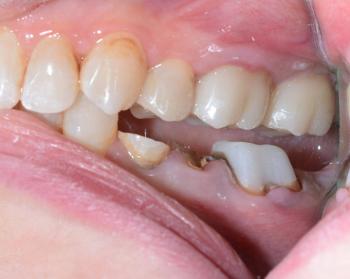
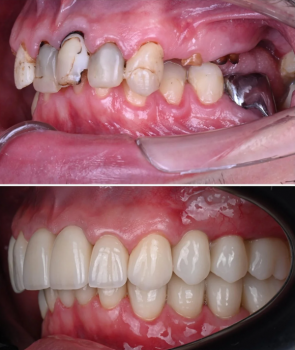
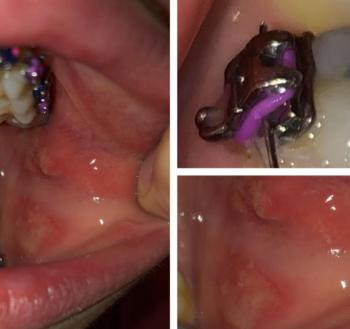
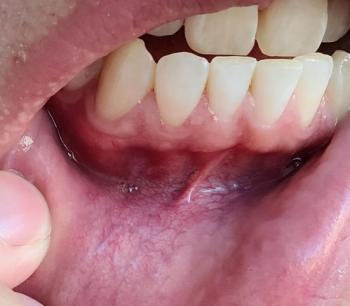
Patients with lower front gum inflammation may also experience tartar buildup, periodontal disease, gum abscesses, or tooth decay. Explore these related clinical case studies.


Other topics:
Other Dental Clinic