Modern Dentistry, Timeless Smiles.

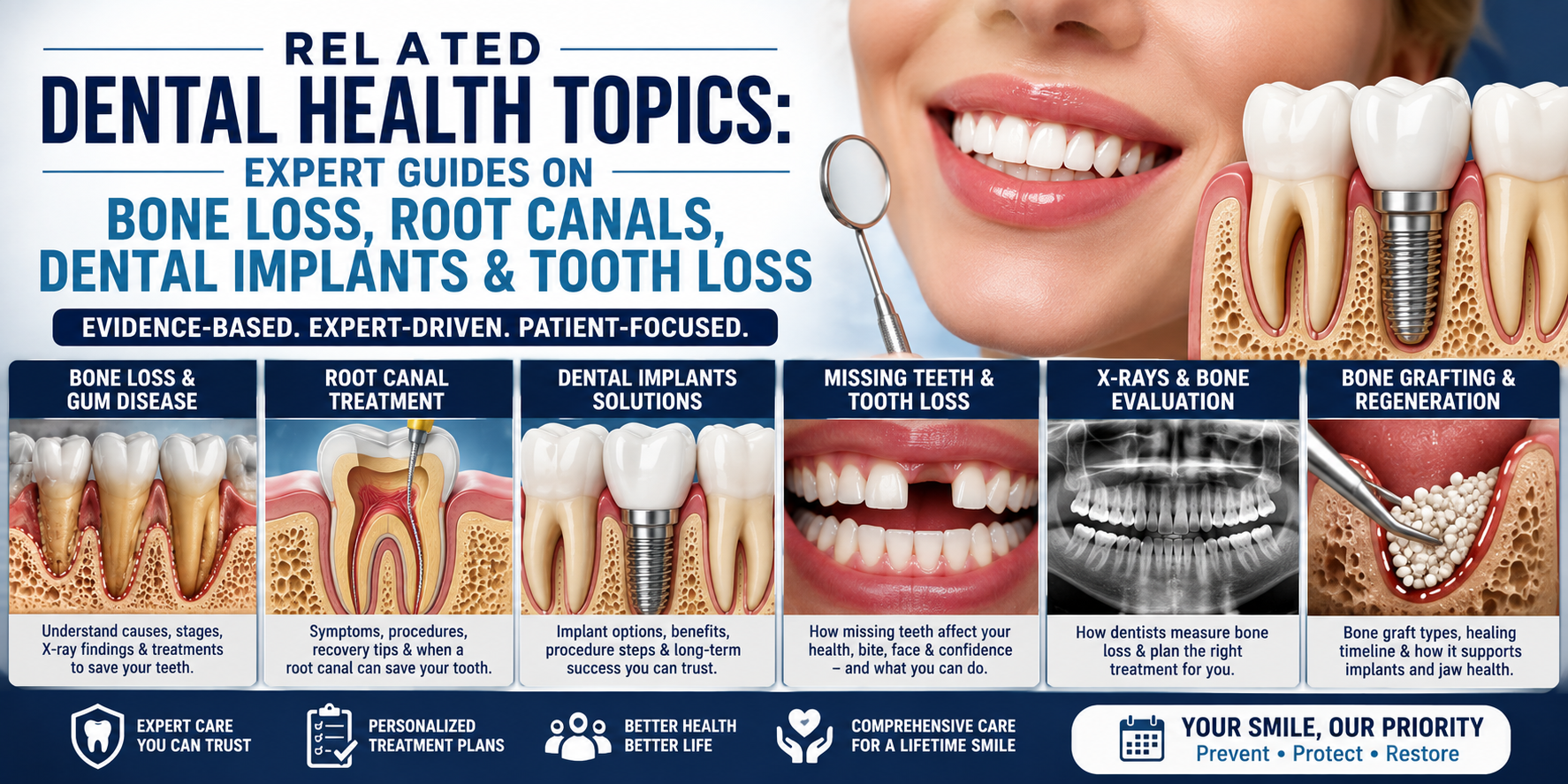
Related Dental Health Topics: Expert Guides on Bone Loss, Root Canals, Dental Implants & Tooth Loss
Language :
Topics:
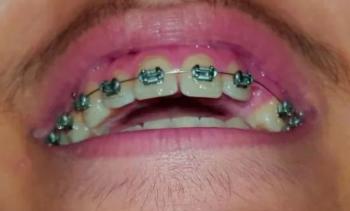
Bone Loss Around Front Teeth With Braces: X-Ray Warning Signs & Treatment Explained
Orthodontic treatment can create a healthy, well-aligned smile, but braces require excellent oral hygiene and regular periodontal monitoring. When plaque accumulates around brackets and wires, bacteria can inflame the gums and gradually destroy the supporting jawbone. Dental X-rays often reveal bone loss long before patients notice loose teeth or gum recession. Early diagnosis allows dentists to control infection, modify orthodontic treatment if necessary, and preserve the natural teeth. Regular cleanings, proper brushing techniques, and routine X-ray evaluations remain essential throughout orthodontic care.
Tooth Decay That Reaches the Root Canal: Symptoms, Treatment & Prevention
A cavity that is left untreated can progress beyond the enamel and dentin until it reaches the dental pulp, where the tooth's nerves and blood vessels are located. Once bacteria enter the root canal system, patients often experience severe pain, lingering sensitivity, swelling, or an abscess. Root canal therapy removes the infection while preserving the natural tooth whenever possible. Seeking treatment early usually prevents more extensive damage and reduces the likelihood of extraction.
Facial Swelling From a Tooth Infection: Emergency Warning Signs
Facial swelling caused by a dental infection should never be ignored. What begins as an untreated cavity or failed filling can develop into a serious abscess capable of spreading into the surrounding facial tissues and neck. Symptoms such as rapidly increasing swelling, difficulty swallowing, fever, or trouble breathing require immediate emergency evaluation. Prompt diagnosis, drainage of the infection, antibiotics when appropriate, and definitive dental treatment are essential to prevent life-threatening complications.
Missing Teeth and Bite Collapse: How Your Jaw Changes Over Time
Every missing tooth affects more than appearance. When a tooth is lost, the surrounding teeth gradually drift into the empty space while the opposing tooth may over-erupt. At the same time, the jawbone begins to shrink because it no longer receives stimulation from the tooth root. Over several years, patients may experience bite collapse, facial changes, chewing difficulties, and increased stress on the remaining teeth. Replacing missing teeth promptly helps preserve both function and facial support.
Can a Failed Root Canal Cause Jawbone Loss?
Although root canal treatment has a high success rate, failure can occur if bacteria remain inside the canal, new decay develops, or the tooth fractures. Persistent infection around the root tip can gradually destroy the surrounding jawbone and produce chronic inflammation. Dentists evaluate these cases using clinical examination and dental imaging to determine whether retreatment, apicoectomy, or extraction offers the best long-term solution.
When Is It Too Late for a Dental Implant?
Many patients worry they have waited too long after losing a tooth. While prolonged tooth loss often results in jawbone shrinkage, modern implant dentistry offers several solutions, including bone grafting and advanced regenerative procedures. In many cases, even patients with significant bone loss remain candidates for dental implants after careful planning with three-dimensional CBCT imaging. A comprehensive evaluation is the best way to determine available treatment options.
How Dentists Measure Bone Loss on Dental X-Rays
Dental X-rays play a vital role in diagnosing periodontal disease and evaluating the health of the supporting jawbone. Dentists compare the bone height surrounding each tooth with expected normal levels while assessing defects, bone density, and periodontal pockets. Depending on the complexity of the case, periapical X-rays, panoramic imaging, or Cone Beam CT (CBCT) scans may be recommended to provide detailed information for treatment planning.
Bone Graft Healing Timeline: Week-by-Week Recovery Guide
Bone grafting is often recommended before dental implant placement when insufficient jawbone remains. During the first week, the surgical site begins forming a protective blood clot and early healing tissue. Over the following months, the graft gradually integrates with the patient's natural bone through a process called remodeling. Healing typically takes four to six months, although individual recovery depends on overall health, smoking status, graft material, and oral hygiene.
Periodontal Disease Stages: From Healthy Gums to Severe Bone Loss
Periodontal disease develops gradually, beginning with gingivitis and progressing to advanced periodontitis if untreated. Early symptoms include bleeding gums and mild inflammation, while advanced stages involve gum recession, deep periodontal pockets, tooth mobility, and significant jawbone loss. Regular dental examinations allow dentists to detect periodontal disease early, greatly improving the chances of preserving natural teeth through non-surgical or surgical periodontal therapy.
The Best Time to Replace a Missing Tooth to Prevent Bone Loss
The ideal time to replace a missing tooth is as soon as healing allows after extraction. Delaying treatment permits the jawbone to shrink, making future implant placement more complex and increasing the risk of shifting teeth and bite changes. Whether treatment involves a dental implant, bridge, or another restorative option, early replacement helps preserve bone volume, maintain facial appearance, and restore normal chewing function while reducing the need for extensive bone grafting later.
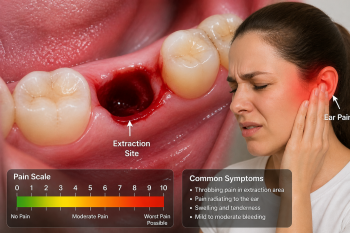
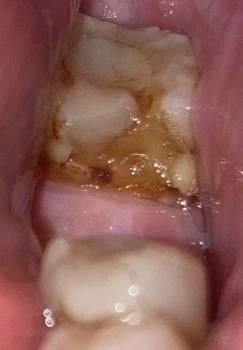
Can tooth extraction cause infection? Mild inflammation is normal, but increasing swelling, fever, or severe pain may indicate infection. Learn more about post-extraction infection warning signs in this detailed guide.
Book a consultation with our Cebu dental specialists for proper evaluation and care.
Ready to get expert guidance?
If you’re experiencing severe pain or delayed healing, book a consultation with our Cebu dental specialists to get proper evaluation and care.
Consultation or contact page .
Book a Consultation
For severe discomfort or delayed healing, book a consultation with our Cebu dental specialists today.
Looking for a dentist? Browse our Cebu dental directory to find trusted clinics near you.
Medical Review and Clinical Basis
This article is based on clinical dental guidelines and real patient recovery patterns observed after tooth extraction procedures. The information reflects common post-extraction healing stages, including normal clot formation, gum tissue repair, and signs of possible complications such as dry socket or infection.
While mild discomfort is expected after a dental extraction, worsening pain after Day 3, bad odor, exposed bone, or spreading pain may require professional evaluation. These symptoms are consistent with known post-extraction complications described in standard dental practice.
About Cebu Dental Implants
Cebu Dental Implants provides comprehensive tooth extraction, surgical procedures, and dental implant services in the Philippines. Our team evaluates post-extraction healing, manages complications such as dry socket, and advises patients on proper aftercare to prevent infection and delayed healing.
If you experience severe pain or unusual symptoms after extraction, early professional assessment is recommended to prevent further complications.
Important Medical Disclaimer
This content is for educational purposes only and does not replace professional dental diagnosis. Every patient heals differently. If symptoms worsen or do not improve within a few days, consult a licensed dentist for proper evaluation and treatment.
Author
This article was prepared by the Cebu Dental Implants content team in consultation with licensed dental professionals experienced in tooth extraction and implant procedures.
Video:
Related Clinical Cases
Patients with lower front gum inflammation may also experience tartar buildup, periodontal disease, gum abscesses, or tooth decay. Explore these related clinical case studies.

Other topics:
Other Dental Clinic