Related Dental Health Topics: Expert Guides on Bone Loss, Root Canals, Dental Implants & Tooth Loss
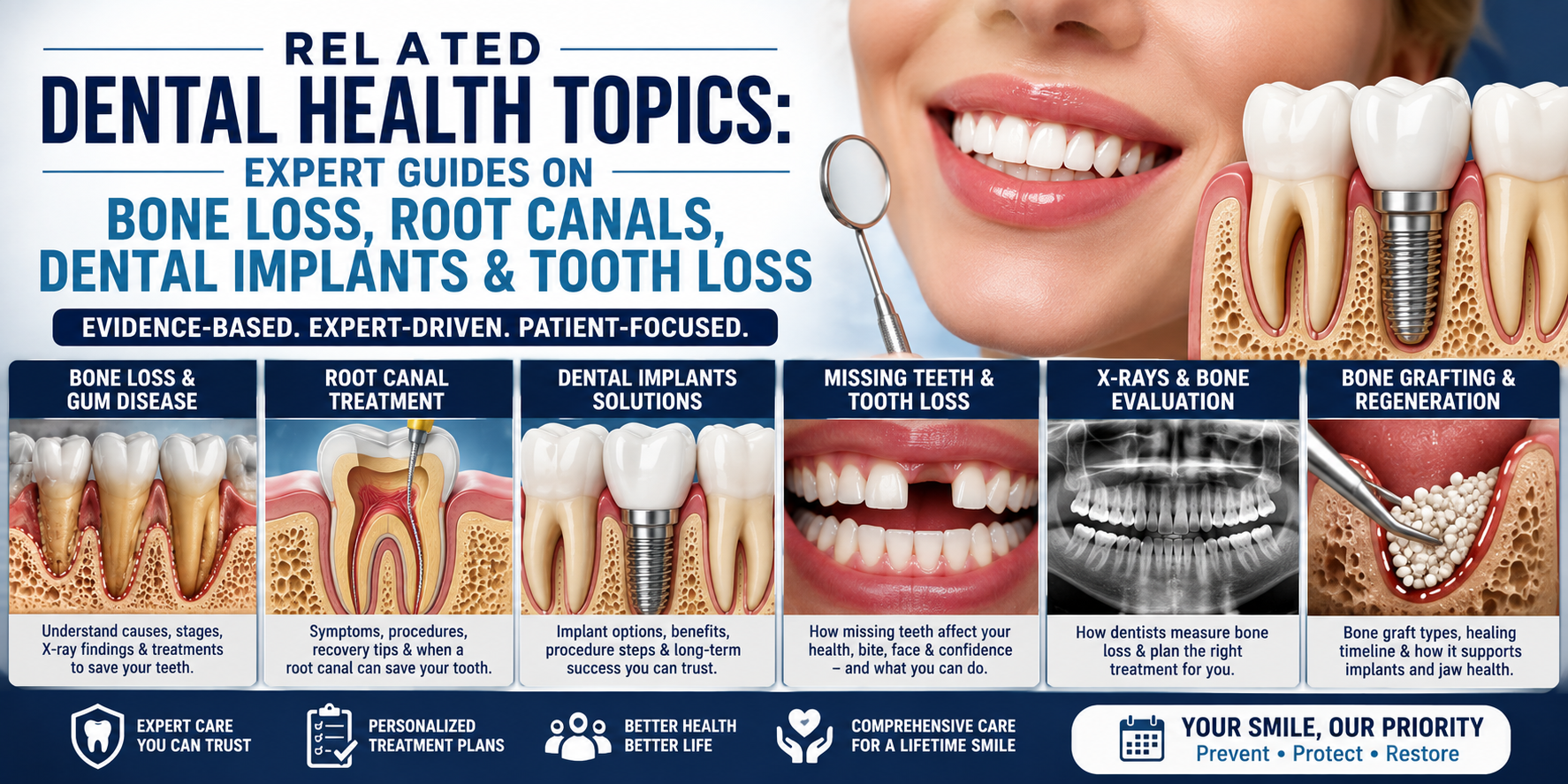
Topics:
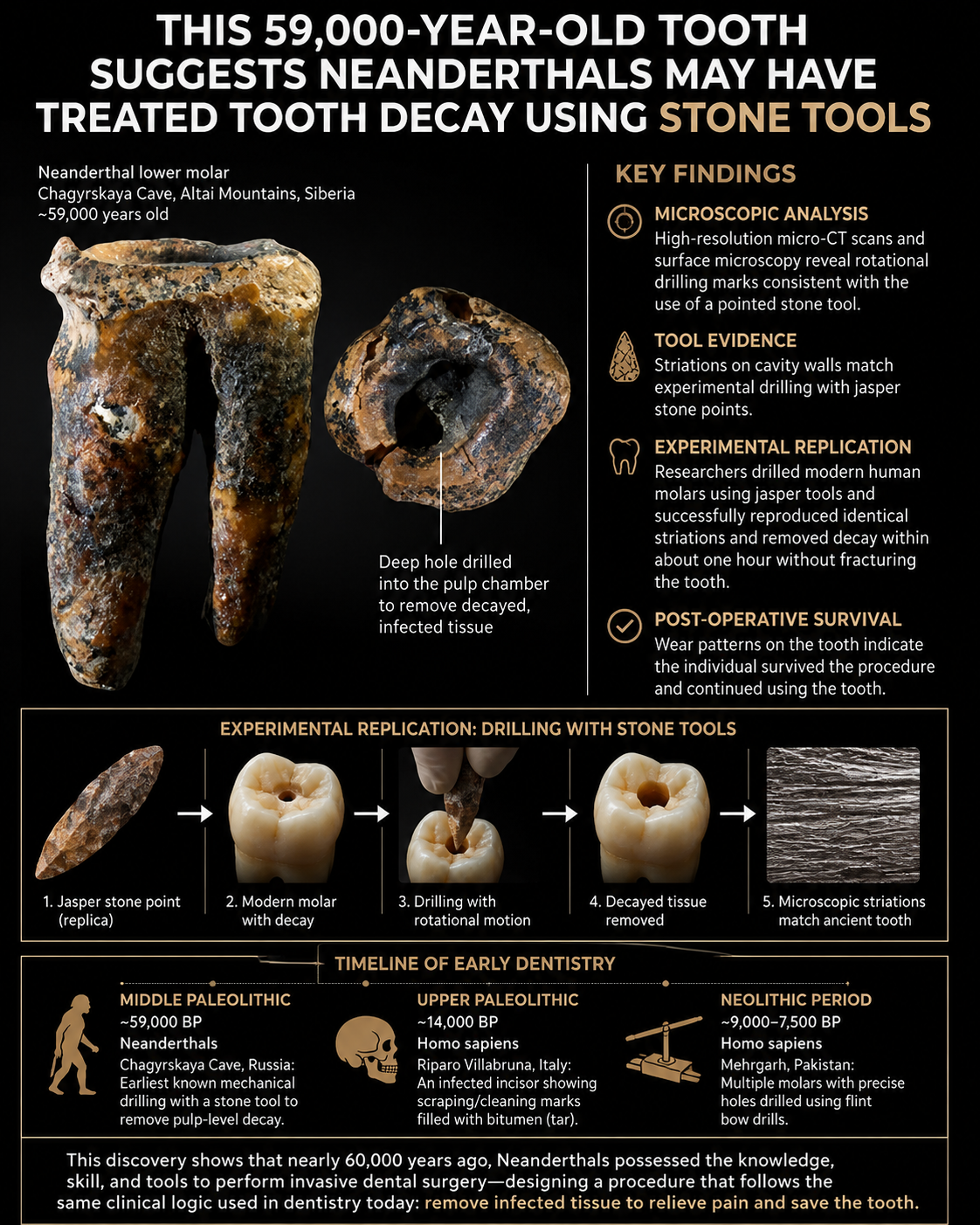
A landmark study published in PLOS ONE provides the earliest known evidence of invasive dental treatment in human history. Researchers led by Dr. Alisa Zubova examined a 59,000-year-old Neanderthal molar discovered in Chagyrskaya Cave in the Altai Mountains of Siberia.
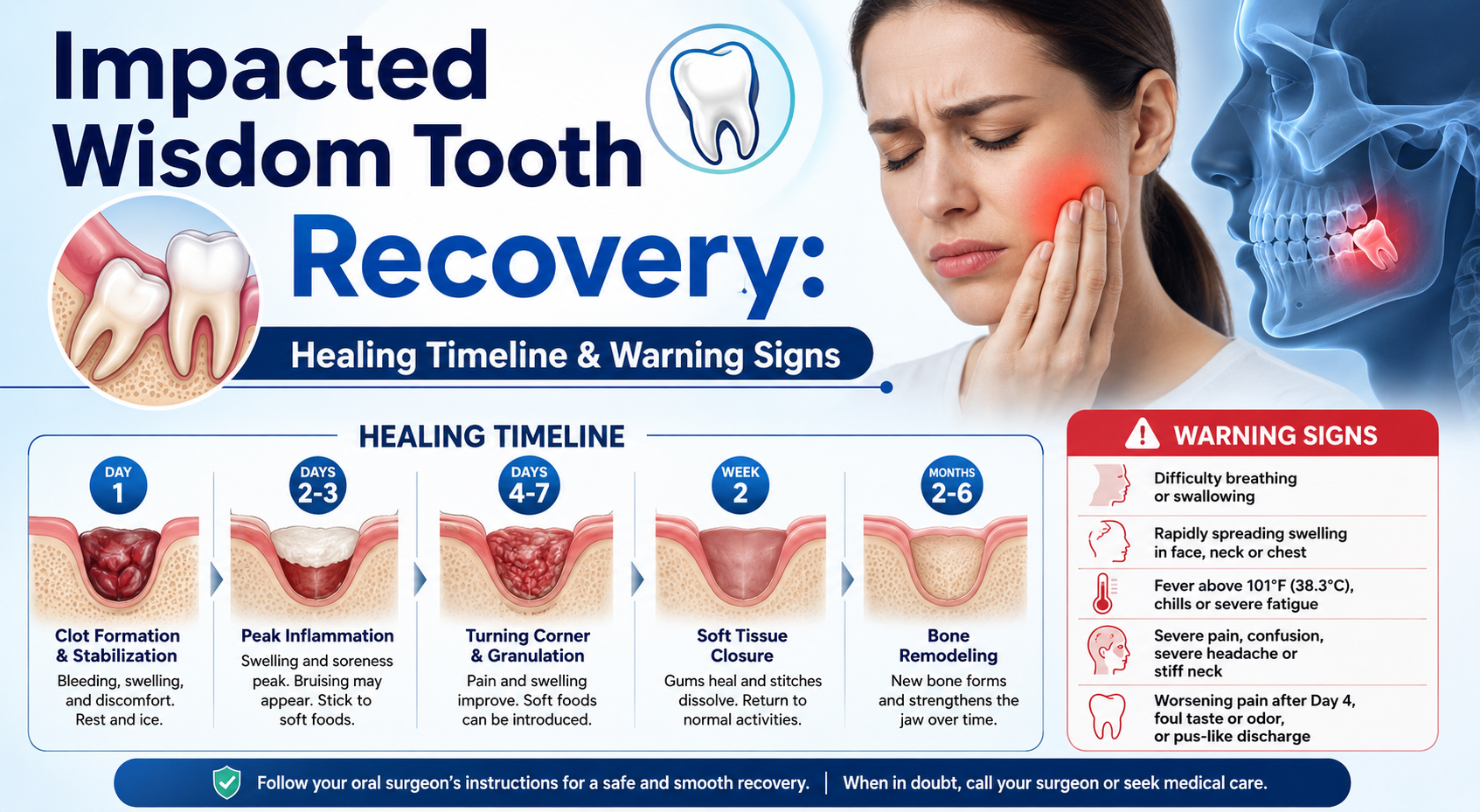
very year, millions of Americans undergo wisdom tooth removal, making it one of the most common outpatient oral surgeries in the United States. While many wisdom teeth erupt normally, others become impacted, meaning they remain partially or completely trapped beneath the gums or jawbone. These cases often require a surgical extraction involving gum incisions, bone removal, and occasionally sectioning the tooth into smaller pieces.
By a USA Dental Health Educator
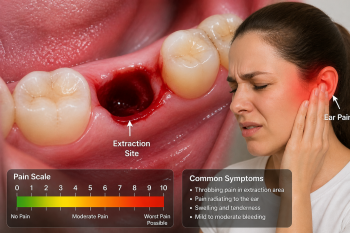
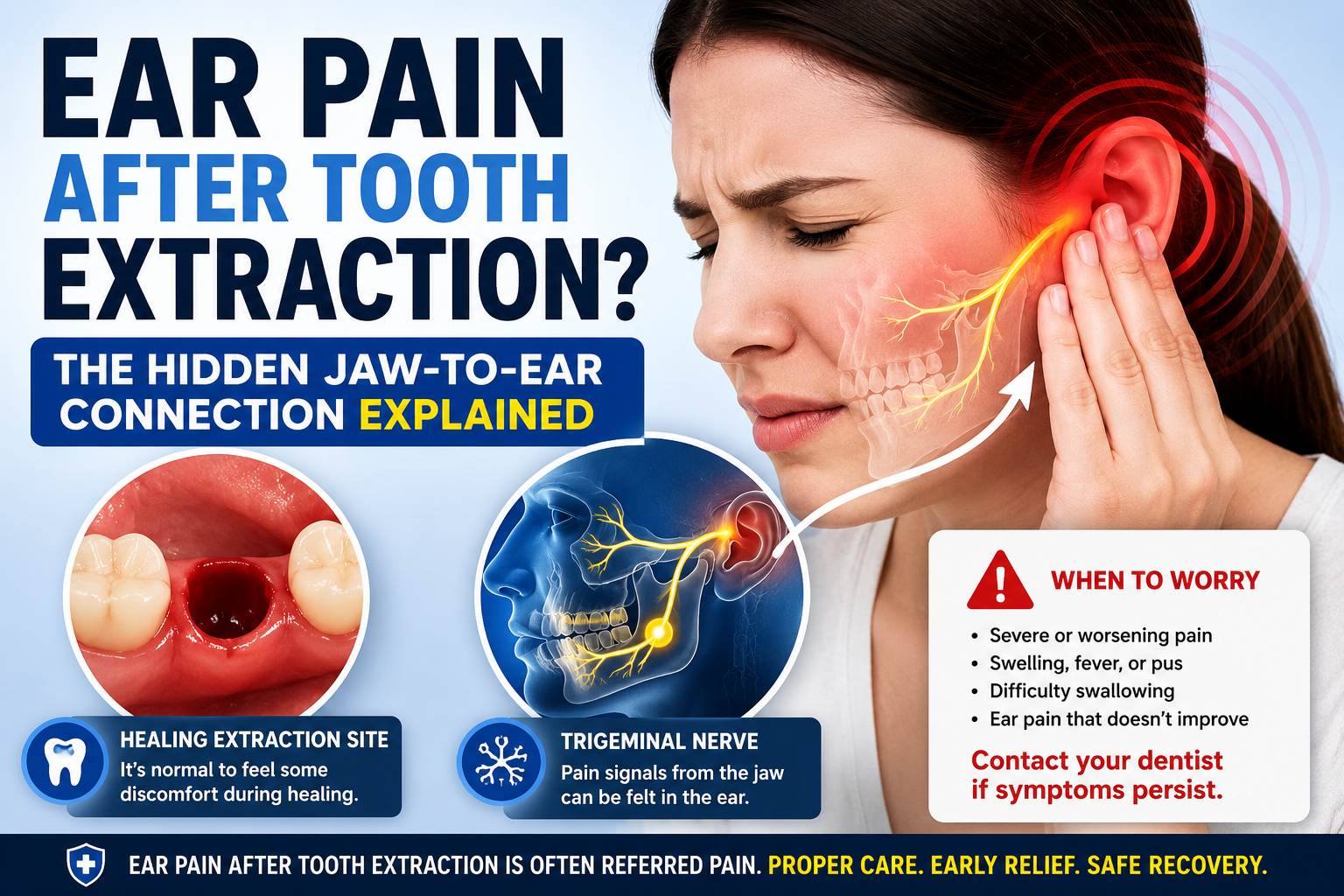
When Michael, a 42-year-old accountant from Ohio, had his lower molar removed, he expected soreness in his jaw. What he didn't expect was a sharp ache deep inside his ear that began the next morning.
"I thought I had an ear infection," he recalled. "The tooth was gone, so why did my ear hurt more than my mouth?"
His experience is surprisingly common.
Most people believe that once a tooth is removed, the hard part is over. For millions of Americans every year, that is true. The discomfort usually improves within a few days, and the extraction site heals without any major problems.
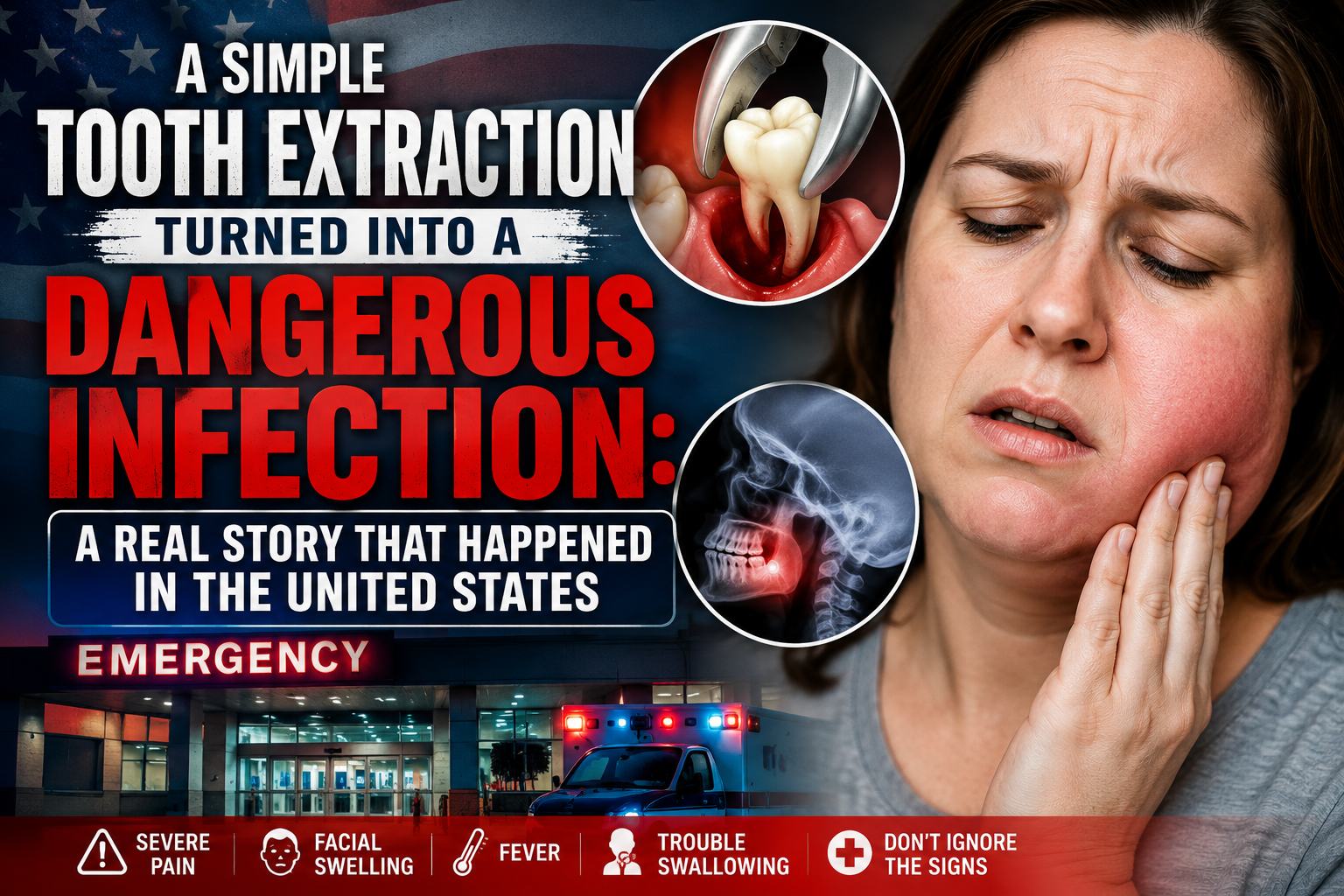
However, for one woman in the United States, what started as an ordinary tooth extraction nearly became a life-threatening medical emergency.
Her story reminds us why it is important to know the difference between normal healing pain and the warning signs of a serious dental infection.
Patients with lower front gum inflammation may also experience tartar buildup, periodontal disease, gum abscesses, or tooth decay. Explore these related clinical case studies.