Dentures That Feel Natural, Look Beautiful.

Dental Implants Cost in Cebu: Why Prices Are Changing in 2026
Language :
Topics:
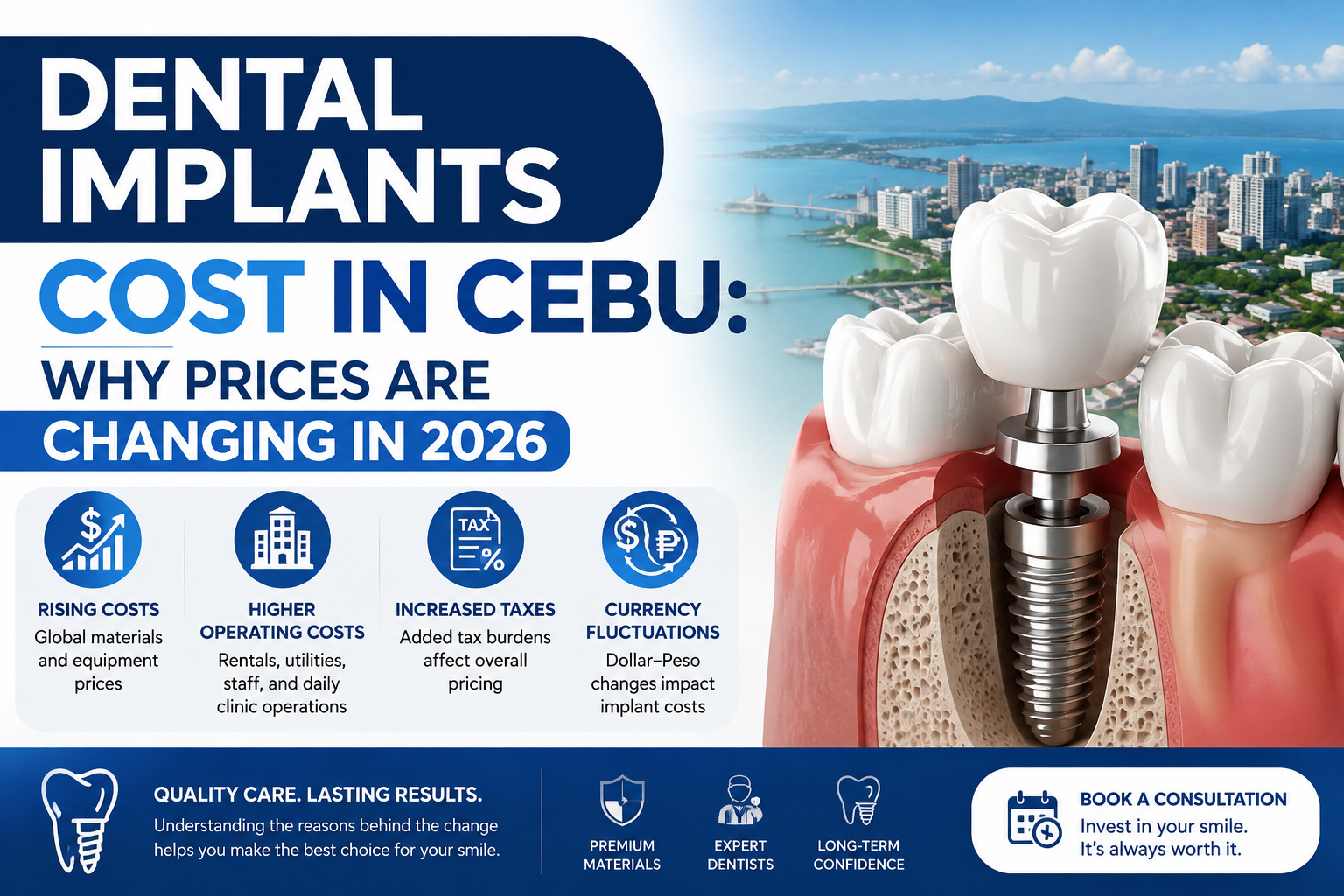
Dental implants are one of the most effective long-term solutions for replacing missing teeth, but the cost of treatment in Cebu can change from year to year. In 2026, patients may notice that dental implant prices are different from previous years because of changes in the US dollar–Philippine peso exchange rate, imported dental materials, laboratory costs, operating expenses, and the broader Philippine economy.
For patients considering dental implants in Cebu, understanding these factors can make it easier to compare quotations and plan a realistic treatment budget.
What Is the Cost of Dental Implants in Cebu?
There is no single fixed price for a dental implant because the final cost depends on the patient's condition and the type of treatment required.
A complete implant treatment may include:
-
Dental implant fixture
-
Implant abutment
-
Dental crown
-
Surgical procedure
-
Digital imaging and diagnostic scans
-
Bone grafting, when required
-
Sinus lift procedures, when necessary
-
Temporary teeth or provisional restorations
-
Laboratory fees
-
Follow-up appointments
Some patients need only a straightforward single-tooth implant, while others may require multiple implants, full-mouth rehabilitation, or additional procedures before implants can be placed.
For this reason, patients should be cautious about comparing clinics based only on the advertised price of an "implant."
Why Dental Implant Costs Have Changed
One important factor is the exchange rate between the US dollar and Philippine peso.
Many dental implant systems, components, specialized materials, laboratory products, and equipment used by clinics are imported or priced with international supply chains. When the peso becomes weaker against the dollar, the Philippine-peso cost of imported products can increase.
As of August 26, 2026, the indicative exchange rate is approximately ₱61.59 for US$1. Exchange rates fluctuate, so clinics and suppliers may experience different costs at different times.
This does not mean that every dental implant price automatically increases by the same percentage. Clinics have different suppliers, inventory levels, purchasing arrangements, and operating costs.
The Philippine Economy Also Affects Dental Treatment Costs
The wider economic environment can influence healthcare pricing.
Dental clinics have expenses beyond the implant itself, including:
-
Dental materials and supplies
-
Dental laboratory services
-
Electricity and utilities
-
Rent
-
Equipment maintenance
-
Staff salaries
-
Sterilization and infection-control supplies
-
Digital dentistry equipment
-
Regulatory and administrative costs
When operating expenses increase, clinics may eventually need to adjust their treatment fees.
At the same time, economic uncertainty can affect patients' ability to proceed with elective or major dental treatments. Some patients may postpone implant treatment, while others may look for financing, staged treatment, or more affordable alternatives.
Higher Clinic Operating Costs Also Affect Dental Implant Prices
The cost of the dental implant itself is only one part of the overall treatment price. Dental clinics also have substantial operating expenses, and these costs can be particularly high for practices located in major commercial areas such as Cebu City.
Higher Commercial Rent
Dental clinics in busy city locations often pay significantly higher rental rates than clinics in smaller towns or less commercial areas.
A clinic must cover its monthly rent regardless of how many patients it treats. Prime locations can provide better accessibility and visibility, but they also increase the clinic's fixed operating expenses.
Dental Equipment and Maintenance
Modern dentistry requires significant investment in equipment and technology. Depending on the clinic, this may include:
-
Dental chairs and surgical equipment
-
Digital X-ray systems
-
CBCT or 3D imaging
-
Intraoral scanners
-
Sterilization equipment
-
Implant surgical instruments
-
Computers and digital treatment-planning systems
-
Equipment maintenance and calibration
These investments contribute to the cost of providing dental treatment.
Staff and Professional Costs
A dental clinic also needs trained staff to operate safely and efficiently. Dentists, dental assistants, reception staff, laboratory technicians, and other professionals all contribute to the cost of running a modern dental practice.
Complex implant cases may require additional specialist involvement, which can further increase treatment costs.
Higher Taxes and Regulatory Expenses
Taxes are another important consideration for dental practices.
Clinics have tax obligations and other regulatory expenses that must be incorporated into their business operations. Depending on the structure and size of the practice, these may include income-related taxes, business taxes, permits, professional requirements, and other government-related costs.
As taxes and compliance expenses increase, maintaining the same dental treatment prices can become more difficult.
The Real Cost of Running a Dental Clinic
Patients sometimes see only the cost of the implant component and may wonder why the final treatment price is considerably higher.
However, the dentist is not simply selling an implant.
The final price helps cover the entire healthcare service, including the facility, equipment, trained personnel, sterilization, diagnostic technology, laboratory work, clinical time, administrative expenses, taxes, rent, utilities, maintenance, and follow-up care.
This is particularly important in cities where commercial rents, salaries, utilities, and other operating expenses can be substantially higher.
Why This Matters When Comparing Dental Implant Prices
When comparing dental implant quotations in Cebu, patients should look beyond the headline price.
A very low price may exclude important components of treatment, while a higher quotation may include more comprehensive services and technology.
The better comparison is:
Total treatment cost + quality of materials + dentist's experience + technology + laboratory work + aftercare.
Understanding the economics behind dental care helps patients make a more informed decision rather than simply choosing the lowest advertised price.
Why One Clinic May Be More Expensive Than Another
A higher implant quotation does not necessarily mean that a clinic is overcharging.
The price may reflect differences in:
Implant system: Different manufacturers and implant systems have different costs.
Crown material: Zirconia, porcelain-fused-to-metal, and other restorative options have different laboratory and material costs.
Dentist's experience: Complex implant cases may require advanced surgical and restorative expertise.
Technology: 3D imaging, digital implant planning, intraoral scanning, and guided surgery can add to the overall treatment cost.
Laboratory quality: The dental laboratory responsible for fabricating the crown or prosthesis can significantly influence the final price.
Case complexity: Bone loss, infection, gum problems, or insufficient bone may require additional treatment.
Is Dental Implant Treatment Still Affordable in Cebu?
Cebu remains an important dental destination in the Philippines, and dental implant treatment can still be considerably more accessible than in many high-cost countries.
However, patients should not select a clinic based solely on the lowest advertised price.
The most important question is:
"What is included in the total treatment cost?"
A quotation that appears inexpensive initially may not include the crown, abutment, diagnostic imaging, bone grafting, temporary restoration, or other necessary procedures.
A more expensive quotation may actually provide a more complete treatment package.
Ask for a Complete Dental Implant Treatment Plan
Before deciding on a clinic, patients should request a written treatment plan that clearly explains:
-
The implant system and manufacturer
-
Number of implants required
-
Type of crown or prosthesis
-
Surgical fees
-
Diagnostic and imaging fees
-
Bone grafting requirements
-
Temporary teeth, if needed
-
Laboratory charges
-
Follow-up visits
-
Any possible additional costs
This makes it much easier to compare different dental implant providers in Cebu.
Dental Implant Prices Can Change
Because dental clinics operate in a changing economic environment, implant prices should not be considered permanently fixed.
Currency movements, international supply costs, inflation, laboratory pricing, equipment expenses, and local operating costs can all influence the final quotation.
Patients who received a dental implant quotation several years ago should therefore not assume that the same price will still be available today.
The Cheapest Implant Is Not Always the Best Value
Dental implants are intended to function for many years. The quality of the implant system, surgical planning, placement, restoration, maintenance, and patient's oral health can all influence the long-term outcome.
Instead of asking only:
"How much is a dental implant in Cebu?"
patients should also ask:
"What am I getting for the total price?"
A transparent quotation and a properly planned treatment can be more valuable than choosing the lowest initial price.
Final Thoughts
The cost of dental implants in Cebu has been affected by a combination of factors, including currency movements, imported dental products, laboratory costs, operating expenses, and economic uncertainty in the Philippines.
With the peso-dollar exchange rate around ₱61.59 per US$1 as of August 26, 2026, international pricing pressures remain relevant for dental practices that depend on imported materials and equipment.
Ultimately, the best way to determine the cost of dental implants is through a proper dental examination and individualized treatment plan.
Dental implant cost should be viewed as the total cost of achieving a healthy, functional, and long-lasting result—not simply the price of the implant screw.
Looking for a dentist? Browse our Cebu dental directory to find trusted clinics near you.
Medical Review and Clinical Basis
This article is based on clinical dental guidelines and real patient recovery patterns observed after tooth extraction procedures. The information reflects common post-extraction healing stages, including normal clot formation, gum tissue repair, and signs of possible complications such as dry socket or infection.
While mild discomfort is expected after a dental extraction, worsening pain after Day 3, bad odor, exposed bone, or spreading pain may require professional evaluation. These symptoms are consistent with known post-extraction complications described in standard dental practice.
About Cebu Dental Implants
Cebu Dental Implants provides comprehensive tooth extraction, surgical procedures, and dental implant services in the Philippines. Our team evaluates post-extraction healing, manages complications such as dry socket, and advises patients on proper aftercare to prevent infection and delayed healing.
If you experience severe pain or unusual symptoms after extraction, early professional assessment is recommended to prevent further complications.
Important Medical Disclaimer
This content is for educational purposes only and does not replace professional dental diagnosis. Every patient heals differently. If symptoms worsen or do not improve within a few days, consult a licensed dentist for proper evaluation and treatment.
Author
This article was prepared by the Cebu Dental Implants content team in consultation with licensed dental professionals experienced in tooth extraction and implant procedures.
Related Clinical Cases
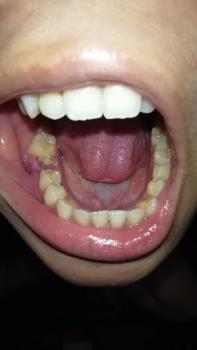
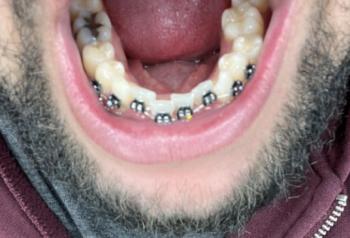
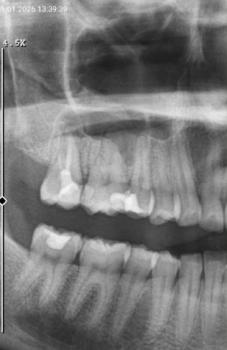
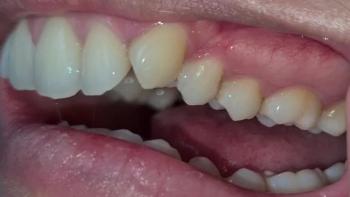
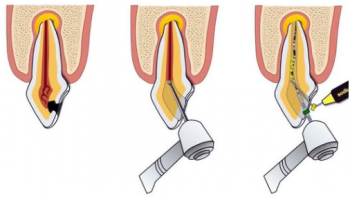
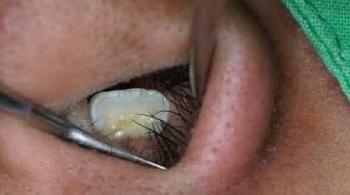
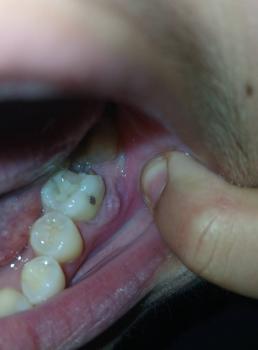
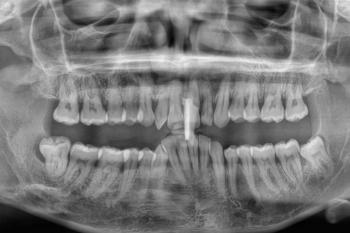
Patients with lower front gum inflammation may also experience tartar buildup, periodontal disease, gum abscesses, or tooth decay. Explore these related clinical case studies.
Other topics:
Other Dental Clinic