Your Smile, Perfected with Precision.

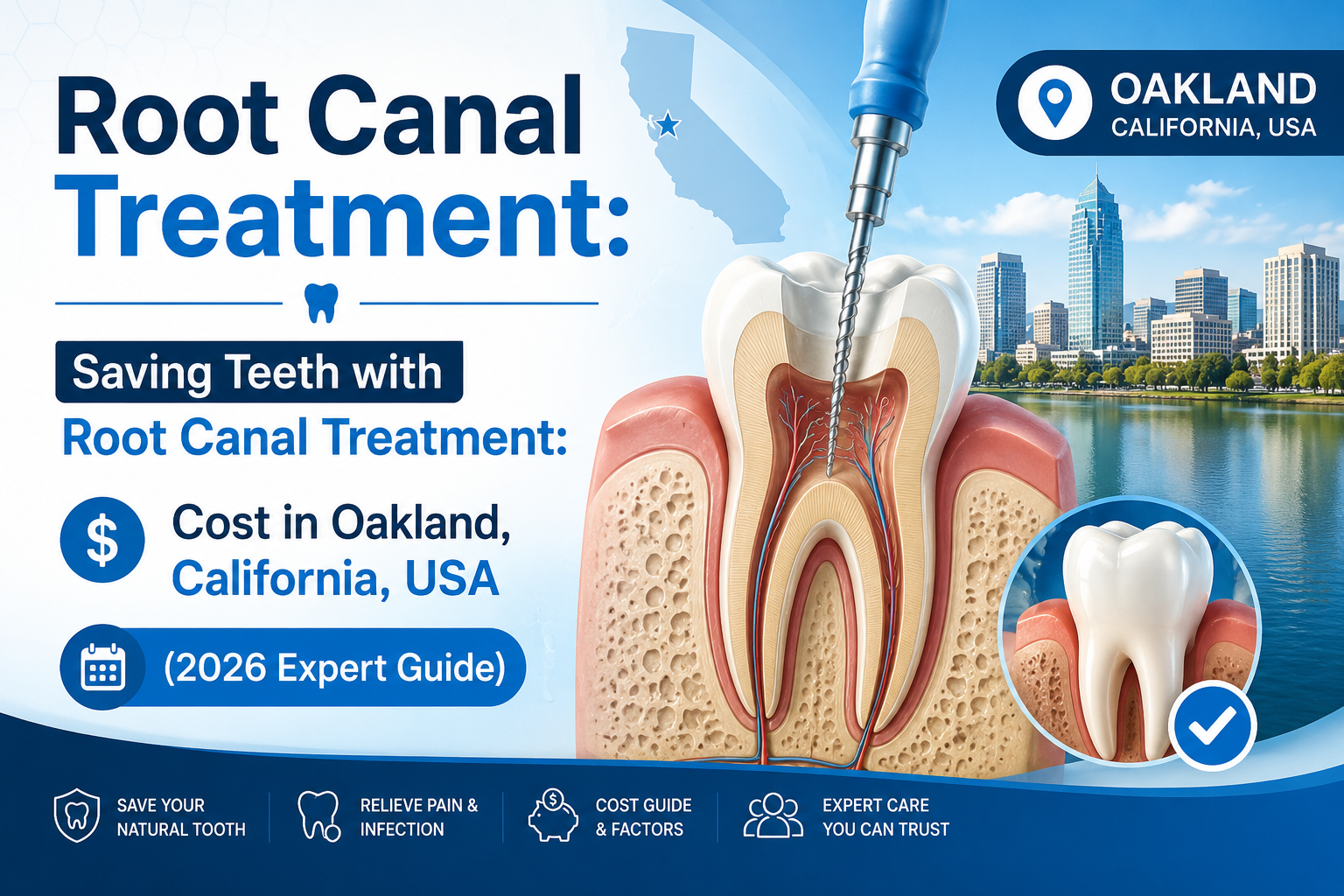
Saving Teeth with Root Canal Treatment: Cost in Oakland, California, USA (2026 Expert Guide)
Language :
Topics:
As a dentist who has spent many years studying and performing root canal therapy, one lesson remains constant: the best tooth is your natural tooth.
In modern dentistry, patients often ask whether a painful or infected tooth should be removed immediately. While extraction may seem like a quick solution, preserving the natural tooth is usually the healthier long-term option whenever possible. Root canal treatment allows dentists to save teeth that would otherwise be lost due to infection, deep decay, trauma, or nerve damage.
For residents of Oakland, California, understanding root canal costs, treatment options, and the benefits of saving natural teeth can help make informed decisions about oral health.
This comprehensive guide explains everything you need to know about root canal treatment in Oakland, including costs, diagnosis, procedures, recovery, and expert advice from a root canal perspective.
Why Saving Natural Teeth Matters
Natural teeth are designed perfectly for chewing, speaking, and maintaining jaw alignment.
When a tooth is lost, several problems may occur:
- Bone loss in the jaw
- Shifting of nearby teeth
- Bite problems
- Difficulty chewing
- Increased risk of future dental procedures
- Higher long-term costs
A root canal allows dentists to preserve the original tooth structure while eliminating infection and pain.
From a biological standpoint, preserving a healthy natural tooth is often preferable to extraction whenever the tooth can be restored successfully.
Understanding Root Canal Treatment
What Is a Root Canal?
Inside every tooth is a soft tissue called the pulp.
The pulp contains:
- Blood vessels
- Nerves
- Connective tissue
When bacteria enter the pulp through deep decay, cracks, or trauma, infection develops.
Root canal treatment removes:
- Infected tissue
- Damaged nerves
- Harmful bacteria
The cleaned canals are then disinfected and sealed to prevent reinfection.
The outer tooth remains in place and continues functioning normally after restoration.
Signs You May Need a Root Canal
Patients in Oakland commonly seek treatment after experiencing symptoms such as:
Persistent Tooth Pain
Pain that continues for days or weeks often indicates nerve inflammation.
Sensitivity to Hot and Cold
Lingering sensitivity after consuming hot coffee or cold beverages may signal pulp damage.
Swollen Gums
Swelling around a tooth often suggests infection.
Tooth Discoloration
Darkening of a tooth may indicate nerve death.
Pain When Biting
Pain during chewing can occur when infection reaches deeper structures.
Dental Abscess
A pimple-like bump on the gum is often a sign of severe infection.
Common Causes of Root Canal Infections
Several factors increase the likelihood of needing root canal therapy.
Deep Cavities
Untreated tooth decay remains the most common cause.
Cracked Teeth
Even tiny fractures can allow bacteria to enter the pulp chamber.
Failed Fillings
Old fillings may leak and permit bacterial invasion.
Dental Trauma
Sports injuries and accidents can damage nerves.
Repeated Dental Procedures
Multiple restorations on one tooth can irritate the pulp over time.
Root Canal Cost in Oakland, California (2026)
Treatment costs vary depending on several factors.
Average Root Canal Costs
| Tooth Type | Average Cost |
|---|---|
| Front Tooth | $700 – $1,400 |
| Premolar | $800 – $1,700 |
| Molar | $1,000 – $2,300 |
| Retreatment Root Canal | $1,200 – $3,000 |
These estimates generally cover:
- Examination
- X-rays
- Local anesthesia
- Root canal procedure
Costs may vary among dental offices and specialists.
Additional Costs After Root Canal Treatment
Many teeth require restoration after treatment.
Dental Crown Cost
| Restoration | Typical Cost |
|---|---|
| Porcelain Crown | $1,000 – $2,500 |
| Zirconia Crown | $1,200 – $3,000 |
| Gold Crown | $1,500 – $3,500 |
A crown protects the treated tooth from fracture and helps restore chewing function.
Why Molars Cost More
Molars are more complex.
They often contain:
- Three to four roots
- Multiple canals
- Difficult anatomy
Treatment requires additional time and advanced instruments.
This complexity increases overall cost.
Endodontist vs General Dentist
General Dentist
Many general dentists perform straightforward root canals.
Advantages:
- Convenience
- Lower cost
- Familiar provider
Endodontist
An endodontist specializes in root canal therapy.
Advantages:
- Advanced training
- Microscopic visualization
- Management of difficult cases
- Higher success rates in complex situations
For severely infected or complicated teeth, referral to an endodontist may be recommended.
How Dentists Diagnose Root Canal Problems
Accurate diagnosis is essential before treatment.
Clinical Examination
The dentist evaluates:
- Pain levels
- Swelling
- Tooth mobility
- Existing restorations
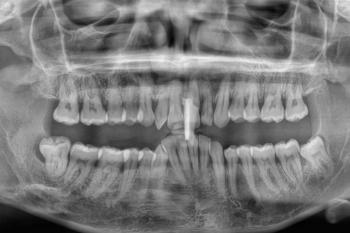
Digital X-Rays
Radiographs reveal:
- Bone loss
- Infection
- Deep decay
- Root abnormalities
Cold Testing
Special testing determines nerve vitality.
Percussion Testing
Gentle tapping identifies inflammation around the root.
CBCT Imaging
Three-dimensional scans provide detailed anatomical information in complex cases.
Modern Technology Used in Root Canal Treatment
Today's root canal procedures are far more advanced than those performed decades ago.
Digital Radiography
Provides immediate diagnostic images.
Electronic Apex Locators
Measure root canal length accurately.
Rotary Endodontic Instruments
Allow efficient cleaning and shaping.
Dental Operating Microscopes
Improve visibility of tiny canals.
Ultrasonic Instruments
Assist with precise cleaning and retreatment.
CBCT Scanners
Offer three-dimensional imaging for advanced cases.
Step-by-Step Root Canal Procedure
Step 1: Local Anesthesia
The area is thoroughly numbed.
Most patients report little to no discomfort.
Step 2: Isolation
A rubber dam protects the tooth from contamination.
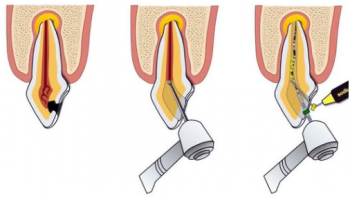
Step 3: Access Opening
A small opening is created in the tooth.
Step 4: Removal of Infection
The dentist removes infected pulp tissue.
Step 5: Cleaning and Shaping
Special instruments clean the canals.
Step 6: Disinfection
Antimicrobial solutions eliminate bacteria.
Step 7: Filling the Canals
The cleaned canals are sealed with biocompatible material.
Step 8: Final Restoration
A crown or filling restores strength and function.
Is Root Canal Treatment Painful?
This is one of the most common questions patients ask.
Modern root canal therapy is generally no more uncomfortable than receiving a dental filling.
Advances in anesthesia and technology have significantly improved patient comfort.
Most patients experience:
- Minimal discomfort during treatment
- Reduced pain afterward
- Immediate relief from infection-related symptoms
The infection itself is usually more painful than the procedure.
Root Canal vs Tooth Extraction
Root Canal Advantages
- Preserves natural tooth
- Maintains jawbone support
- Prevents tooth shifting
- Better chewing function
- Lower long-term treatment needs
Extraction Advantages
- Removes severely damaged tooth
- May cost less initially
However, replacing a missing tooth often requires:
- Dental implant
- Bridge
- Partial denture
These treatments frequently cost more than saving the tooth.
Cost Comparison
| Treatment | Estimated Cost |
|---|---|
| Root Canal + Crown | $2,000 – $5,000 |
| Extraction + Implant + Crown | $4,000 – $8,500 |
| Extraction + Bridge | $3,000 – $6,000 |
Although extraction may appear cheaper initially, replacement costs can become significantly higher.
Success Rate of Root Canal Treatment
Modern root canal therapy has a very high success rate.
Studies consistently show success rates between 85% and 97% when treatment is properly performed and restored.
Factors affecting success include:
- Quality of cleaning
- Restoration quality
- Oral hygiene
- Existing bone loss
- Patient health
Recovery After Root Canal Treatment
Recovery is usually straightforward.
First 24 Hours
Mild soreness may occur.
First Week
Most tenderness gradually resolves.
Follow-Up Care
Permanent restoration should be completed promptly.
Patients can typically return to normal activities immediately.
Foods to Eat After Treatment
Recommended foods include:
- Yogurt
- Soup
- Scrambled eggs
- Rice
- Soft vegetables
- Oatmeal
- Pasta
These foods minimize pressure on the treated tooth.
Foods to Avoid
Avoid:
- Hard candies
- Ice
- Nuts
- Popcorn
- Sticky caramel
- Hard crust bread
These foods may damage temporary restorations.
What Happens if You Delay Treatment?
Ignoring root canal symptoms can lead to serious complications.
Infection Spread
Bacteria can extend beyond the tooth root.
Bone Loss
Infection gradually destroys supporting bone.
Facial Swelling
Advanced infections may cause visible swelling.
Abscess Formation
Pus accumulation creates severe pain.
Tooth Loss
Untreated infections often result in extraction.
Early treatment is almost always easier and less expensive.
Can a Root Canal Fail?
Although uncommon, failure can occur.
Reasons include:
- Missed canals
- New decay
- Crown leakage
- Root fractures
- Reinfection
Fortunately, retreatment often saves the tooth.
Root Canal Retreatment
Retreatment may be recommended when symptoms return.
The process involves:
- Removing old filling materials
- Cleaning canals again
- Disinfecting infection
- Resealing the tooth
Many retreatment cases remain successful for years.
Surgical Root Canal Option
When conventional treatment cannot resolve infection, an apicoectomy may be performed.
This minor surgical procedure removes:
- Root tip
- Infected tissue
It helps preserve the natural tooth.
Insurance Coverage in Oakland
Many dental insurance plans partially cover root canal therapy.
Coverage often ranges from:
- 50% to 80% of treatment costs
Coverage varies according to:
- Deductibles
- Annual maximums
- Waiting periods
Patients should verify benefits before treatment.
Financing Options
Many Oakland dental offices provide:
- Monthly payment plans
- Healthcare financing
- Third-party financing programs
- Flexible payment arrangements
These options help make treatment more affordable.
Expert Root Canal Advice from a Japanese Dentist
Throughout my professional experience, one principle remains unchanged:
A natural tooth is a valuable biological structure that cannot be perfectly replicated.
Dental implants are excellent solutions when teeth cannot be saved. However, whenever a tooth has a favorable prognosis, preserving it through root canal therapy is often the most conservative and biologically sound approach.
Patients frequently focus only on immediate pain relief. Instead, consider how your decision affects your oral health five, ten, or twenty years from now.
When a tooth can be predictably saved:
- Save it early
- Restore it properly
- Maintain it carefully
These steps often provide the best long-term outcome.
Preventing Future Root Canal Problems
Prevention remains the most effective strategy.
Brush Twice Daily
Use fluoride toothpaste.
Floss Every Day
Remove bacteria between teeth.
Regular Dental Visits
Professional examinations detect problems early.
Wear a Night Guard
Protect teeth from grinding.
Avoid Chewing Hard Objects
Prevent cracks and fractures.
Treat Cavities Early
Small fillings prevent larger infections.
Frequently Asked Questions
How long does a root canal take?
Most treatments require 60 to 120 minutes depending on complexity.
Can I drive home afterward?
Yes. Most patients return to normal activities immediately.
Will the tooth be weaker?
After treatment, a crown often restores strength and protects against fracture.
How long does a root canal last?
With proper care, many treated teeth last decades or even a lifetime.
Is extraction ever better?
Yes. Teeth with severe fractures or inadequate remaining structure may require removal.
Can children need root canals?
Yes. Trauma and deep decay can affect younger patients as well.
Does root canal treatment remove the entire tooth?
No. Only the infected pulp is removed while the tooth structure remains.
Is root canal treatment safe?
Yes. Modern endodontic therapy is a well-established and highly successful procedure.
Root canal treatment remains one of the most effective methods for saving natural teeth in Oakland, California. While costs in 2026 generally range from $700 to $2,300 depending on the tooth involved, preserving a tooth often proves more economical and biologically beneficial than extraction and replacement.
Modern diagnostic technology, advanced endodontic instruments, digital imaging, and improved anesthesia have transformed root canal therapy into a predictable and comfortable procedure. When infection is diagnosed early, treatment can eliminate pain, stop disease progression, and allow the natural tooth to function for many years.
If you experience persistent tooth pain, sensitivity, swelling, or signs of infection, seek professional evaluation promptly. Early diagnosis and timely treatment frequently make the difference between saving a tooth and losing it.
Your natural teeth were designed to last a lifetime. Whenever possible, preserving them through expert root canal treatment remains one of the smartest investments you can make in your long-term oral health.
Can tooth extraction cause infection? Mild inflammation is normal, but increasing swelling, fever, or severe pain may indicate infection. Learn more about post-extraction infection warning signs in this detailed guide.
Book a consultation with our Cebu dental specialists for proper evaluation and care.
Ready to get expert guidance?
If you’re experiencing severe pain or delayed healing, book a consultation with our Cebu dental specialists to get proper evaluation and care.
Consultation or contact page .
Book a Consultation
For severe discomfort or delayed healing, book a consultation with our Cebu dental specialists today.
Looking for a dentist? Browse our Cebu dental directory to find trusted clinics near you.
Medical Review and Clinical Basis
This article is based on clinical dental guidelines and real patient recovery patterns observed after tooth extraction procedures. The information reflects common post-extraction healing stages, including normal clot formation, gum tissue repair, and signs of possible complications such as dry socket or infection.
While mild discomfort is expected after a dental extraction, worsening pain after Day 3, bad odor, exposed bone, or spreading pain may require professional evaluation. These symptoms are consistent with known post-extraction complications described in standard dental practice.
About Cebu Dental Implants
Cebu Dental Implants provides comprehensive tooth extraction, surgical procedures, and dental implant services in the Philippines. Our team evaluates post-extraction healing, manages complications such as dry socket, and advises patients on proper aftercare to prevent infection and delayed healing.
If you experience severe pain or unusual symptoms after extraction, early professional assessment is recommended to prevent further complications.
Important Medical Disclaimer
This content is for educational purposes only and does not replace professional dental diagnosis. Every patient heals differently. If symptoms worsen or do not improve within a few days, consult a licensed dentist for proper evaluation and treatment.
Author
This article was prepared by the Cebu Dental Implants content team in consultation with licensed dental professionals experienced in tooth extraction and implant procedures.
Related Clinical Cases
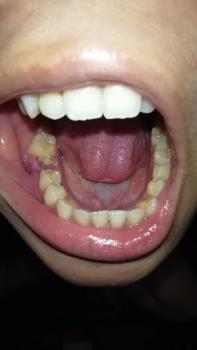
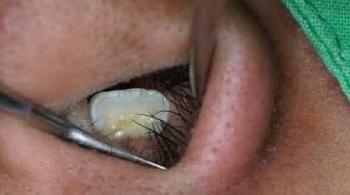
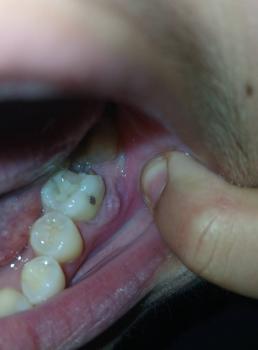
Patients with lower front gum inflammation may also experience tartar buildup, periodontal disease, gum abscesses, or tooth decay. Explore these related clinical case studies.
Other topics:
Other Dental Clinic