Your Smile, Our Passion.

Severe Throbbing Tooth Pain in Massachusetts: Causes, Risks, Treatment Options, Recovery Time, and Dental Costs
Language :
Topics:
Severe throbbing tooth pain is one of the most common reasons patients seek emergency dental care across Massachusetts. Unlike mild tooth sensitivity that comes and goes, throbbing pain often signals an underlying dental problem that requires prompt professional evaluation. Many patients attempt to ignore the discomfort, hoping it will disappear on its own, only to discover that the condition worsens over time.
As dental professionals, we frequently see patients who delayed treatment for weeks or even months. By the time they arrive at our office, a simple cavity may have progressed into a deep infection requiring root canal therapy, extraction, or surgical intervention.
The good news is that most causes of severe throbbing tooth pain can be successfully treated when diagnosed early. Understanding the warning signs, possible complications, treatment options, recovery timeline, and expected costs can help Massachusetts residents make informed decisions about their oral health.
What Is Severe Throbbing Tooth Pain?
Throbbing tooth pain is characterized by:
- Persistent pulsing sensation
- Sharp intermittent pain
- Constant aching
- Sensitivity to temperature
- Pain when chewing
- Pain radiating to the jaw, ear, or head
Many patients describe it as feeling like their heartbeat is inside the tooth.
This type of pain typically indicates inflammation within the tooth's pulp or surrounding tissues. The pulp contains nerves and blood vessels that become irritated when damaged by decay, trauma, infection, or other dental conditions.
Common Causes of Severe Throbbing Tooth Pain
1. Deep Tooth Decay
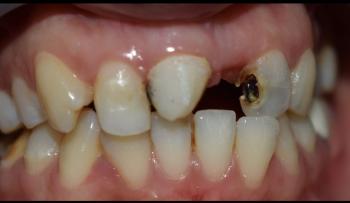
Dental cavities are among the most common causes of throbbing tooth pain.
As bacteria penetrate deeper into the tooth structure, they eventually reach the pulp chamber. Once the nerve becomes inflamed, pain intensifies dramatically.
Signs include:
- Sensitivity to sweets
- Pain from cold drinks
- Pain from hot foods
- Visible holes in teeth
- Food trapping
Without treatment, the decay continues spreading until infection develops.
2. Dental Abscess
A dental abscess is a pocket of infection containing pus.
This condition frequently causes:
- Severe throbbing pain
- Facial swelling
- Gum swelling
- Fever
- Bad taste in the mouth
- Difficulty chewing
An abscess is considered a dental emergency because bacteria can spread beyond the tooth.
3. Cracked Tooth Syndrome
Small fractures may be difficult to detect but can produce intense symptoms.
Patients often experience:
- Sharp pain while biting
- Intermittent throbbing
- Temperature sensitivity
- Pain when releasing pressure
Cracks allow bacteria to enter the tooth and inflame the nerve.
4. Advanced Gum Disease
Periodontal disease affects the supporting structures surrounding the teeth.
Symptoms include:
- Gum bleeding
- Gum recession
- Loose teeth
- Deep periodontal pockets
- Throbbing discomfort
Advanced infections can damage bone and cause tooth mobility.
5. Failed Dental Restoration
Older dental work sometimes fails due to:
- Leakage around fillings
- Broken crowns
- Recurrent decay
- Cracked restorations
These problems may expose the tooth to bacteria, leading to severe pain.
6. Impacted Wisdom Teeth
Wisdom teeth frequently cause throbbing pain when:
- Partially erupted
- Infected
- Pressing against adjacent teeth
- Trapping food debris
Many young adults in Massachusetts seek emergency treatment due to impacted wisdom teeth complications.
7. Tooth Trauma
Sports injuries, falls, and accidents may damage the tooth nerve.
Pain may appear:
- Immediately
- Days later
- Weeks later
Even a minor impact can disrupt blood supply to the pulp.
How Dentists Diagnose Severe Throbbing Tooth Pain
Accurate diagnosis is essential because multiple conditions can produce similar symptoms.
A comprehensive examination may include:
Clinical Evaluation
Your dentist will inspect:
- Teeth
- Gums
- Existing restorations
- Bite alignment
- Swelling
Dental X-Rays
Radiographs help identify:
- Cavities
- Abscesses
- Bone loss
- Fractures
- Impacted teeth
Many hidden problems are invisible without imaging.
Pulp Vitality Testing
Special tests evaluate whether the nerve remains healthy.
Methods include:
- Cold testing
- Heat testing
- Electric pulp testing
These procedures help determine if root canal treatment may be necessary.
Bite Analysis
Pain during chewing can indicate:
- Cracked teeth
- High restorations
- Bite imbalance
Identifying the exact trigger helps guide treatment.
Symptoms That Require Immediate Emergency Dental Care
Seek urgent treatment if you experience:
- Severe swelling
- Difficulty swallowing
- Difficulty breathing
- Fever
- Facial asymmetry
- Pus drainage
- Uncontrolled pain
These symptoms may indicate a spreading infection requiring immediate intervention.
The Worst Situations That Could Happen
Many patients underestimate how dangerous untreated dental infections can become.
1. Spread of Infection Into Facial Spaces
Dental infections may spread into:
- Cheeks
- Jaw tissues
- Neck spaces
This condition can rapidly become serious.
2. Bone Destruction
Chronic infection gradually destroys supporting bone.
Consequences include:
- Loose teeth
- Tooth loss
- Jaw weakness
Bone loss is often irreversible.
3. Tooth Loss
When infection becomes extensive, saving the tooth may no longer be possible.
Extraction becomes the only option.
Replacing a missing tooth often costs significantly more than preserving the natural tooth.
4. Multiple Tooth Involvement
Bacteria may spread to neighboring teeth.
A problem that started in one tooth can eventually affect several teeth.
5. Sinus Complications
Upper molar infections occasionally affect nearby sinus structures.
Patients may develop:
- Sinus pressure
- Congestion
- Facial pain
These symptoms are often mistaken for sinus infections.
6. Jawbone Infection
Severe untreated infections can lead to bone involvement.
Treatment may require:
- Surgery
- Long-term antibiotics
- Extensive rehabilitation
7. Hospitalization
Although uncommon, severe dental infections occasionally require hospitalization.
Potential concerns include:
- Airway compromise
- Systemic infection
- Severe facial swelling
Prompt dental care dramatically reduces these risks.
Treatment Options for Severe Throbbing Tooth Pain
Treatment depends on the underlying diagnosis.
Dental Filling
If decay is caught early, a filling may be sufficient.
Procedure:
- Remove decay
- Clean tooth
- Place restoration
Recovery is typically quick.
Root Canal Therapy
Root canal treatment is often necessary when infection reaches the pulp.
Procedure:
- Remove infected nerve tissue
- Disinfect canals
- Seal tooth
- Restore with crown if needed
Modern root canals are highly successful and significantly less uncomfortable than many patients expect.
Dental Crown
Crowns strengthen weakened teeth.
They are frequently recommended after:
- Root canal treatment
- Large fillings
- Cracked teeth
Crowns restore function and durability.
Periodontal Therapy
For gum-related pain, treatment may include:
- Deep cleaning
- Scaling
- Root planing
- Antibiotics
Early intervention improves outcomes.
Abscess Drainage
Some infections require drainage to relieve pressure and remove pus.
This often provides immediate symptom relief.
Tooth Extraction
When a tooth cannot be saved, extraction may be necessary.
Options afterward include:
- Dental implant
- Bridge
- Partial denture
Wisdom Tooth Removal
Impacted wisdom teeth are commonly extracted to eliminate recurring pain and infection.
How Long Does Recovery Take?
Recovery varies depending on treatment.
Filling Recovery
Typical recovery:
- 1 to 3 days
Minor sensitivity may persist briefly.
Root Canal Recovery
Most patients improve within:
- 2 to 7 days
Mild tenderness is normal during healing.
Crown Placement Recovery
Typical recovery:
- Several days to one week
Patients generally resume normal activities immediately.
Extraction Recovery
Healing timeline:
- Initial recovery: 3 to 7 days
- Gum closure: 2 to 4 weeks
- Bone healing: several months
Wisdom Tooth Surgery Recovery
Most patients recover within:
- 5 to 10 days
More complex cases may require additional healing time.
Estimated Dental Costs in Massachusetts
Dental fees vary by city, provider, complexity, and insurance coverage.
Emergency Examination
Approximate range:
- $75 to $250
Dental X-Rays
Approximate range:
- $30 to $250
Filling
Approximate range:
- $150 to $500
Root Canal Therapy
Front tooth:
- $800 to $1,500
Premolar:
- $900 to $1,700
Molar:
- $1,000 to $2,500
Dental Crown
Approximate range:
- $1,000 to $2,500
Tooth Extraction
Simple extraction:
- $150 to $500
Surgical extraction:
- $300 to $1,200
Wisdom Tooth Removal
Approximate range:
- $300 to $3,000+
Depending on complexity and anesthesia requirements.
Dental Implant
Approximate range:
- $3,000 to $7,000 per tooth
Including implant placement and final restoration.
Can Severe Throbbing Tooth Pain Go Away on Its Own?
Sometimes pain temporarily decreases.
However, this does not necessarily mean the problem is resolved.
In fact, disappearing pain may indicate:
- Nerve death
- Progressing infection
- Advanced pulp damage
Without treatment, the underlying disease often continues worsening.
Home Care While Waiting for a Dental Appointment
Temporary measures include:
- Warm saltwater rinses
- Gentle brushing
- Flossing carefully
- Cold compresses for swelling
- Over-the-counter pain medication as directed
Avoid:
- Placing aspirin on gums
- Extremely hot foods
- Chewing on the affected side
These measures provide temporary relief but do not cure the cause.
A Massachusetts Patient Success Story
A 45-year-old Massachusetts resident arrived at our dental office complaining of severe throbbing pain in a lower molar. He had ignored intermittent discomfort for several months, assuming the issue would eventually disappear.
Examination revealed deep decay extending into the pulp chamber. Fortunately, the infection had not yet caused extensive bone destruction.
The patient underwent root canal therapy followed by crown placement.
Within one week:
- Pain resolved completely
- Swelling disappeared
- Normal chewing returned
At a one-year follow-up visit, the tooth remained healthy and fully functional.
This case illustrates how timely treatment can preserve natural teeth and prevent more costly procedures.
Prevention Tips
To reduce the risk of severe throbbing tooth pain:
- Brush twice daily
- Floss every day
- Use fluoride toothpaste
- Attend routine dental checkups
- Address cavities early
- Wear sports mouthguards
- Avoid chewing hard objects
- Seek prompt treatment for dental injuries
Preventive care remains the most affordable and effective strategy.
Final Thoughts from Our USA Dental Team
Severe throbbing tooth pain should never be ignored. While the discomfort may originate from a cavity, cracked tooth, gum disease, abscess, or wisdom tooth problem, the common thread is that these conditions typically worsen without professional care.
Early diagnosis often allows for simpler, less expensive treatment and significantly improves the likelihood of saving the affected tooth. Massachusetts residents experiencing persistent throbbing dental pain, swelling, temperature sensitivity, or difficulty chewing should schedule a dental evaluation as soon as possible.
The sooner the cause is identified, the faster relief can begin and the lower the risk of serious complications such as infection spread, bone loss, or tooth loss. Your natural teeth are valuable, and prompt dental intervention remains the best investment in your long-term oral health.
Can tooth extraction cause infection? Mild inflammation is normal, but increasing swelling, fever, or severe pain may indicate infection. Learn more about post-extraction infection warning signs in this detailed guide.
Book a consultation with our Cebu dental specialists for proper evaluation and care.
Ready to get expert guidance?
If you’re experiencing severe pain or delayed healing, book a consultation with our Cebu dental specialists to get proper evaluation and care.
Consultation or contact page .
Book a Consultation
For severe discomfort or delayed healing, book a consultation with our Cebu dental specialists today.
Looking for a dentist? Browse our Cebu dental directory to find trusted clinics near you.
Medical Review and Clinical Basis
This article is based on clinical dental guidelines and real patient recovery patterns observed after tooth extraction procedures. The information reflects common post-extraction healing stages, including normal clot formation, gum tissue repair, and signs of possible complications such as dry socket or infection.
While mild discomfort is expected after a dental extraction, worsening pain after Day 3, bad odor, exposed bone, or spreading pain may require professional evaluation. These symptoms are consistent with known post-extraction complications described in standard dental practice.
About Cebu Dental Implants
Cebu Dental Implants provides comprehensive tooth extraction, surgical procedures, and dental implant services in the Philippines. Our team evaluates post-extraction healing, manages complications such as dry socket, and advises patients on proper aftercare to prevent infection and delayed healing.
If you experience severe pain or unusual symptoms after extraction, early professional assessment is recommended to prevent further complications.
Important Medical Disclaimer
This content is for educational purposes only and does not replace professional dental diagnosis. Every patient heals differently. If symptoms worsen or do not improve within a few days, consult a licensed dentist for proper evaluation and treatment.
Author
This article was prepared by the Cebu Dental Implants content team in consultation with licensed dental professionals experienced in tooth extraction and implant procedures.
Related Clinical Cases
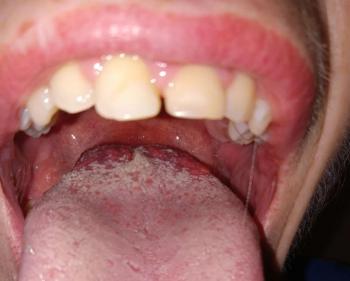
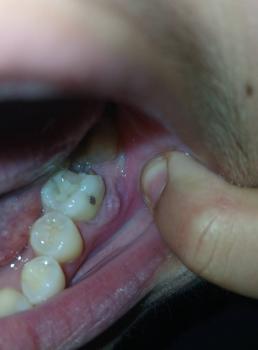
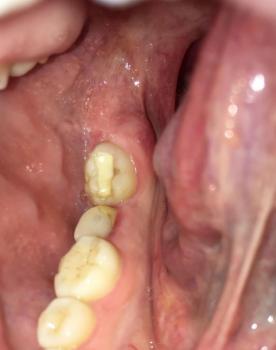
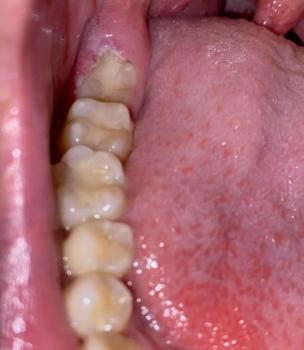
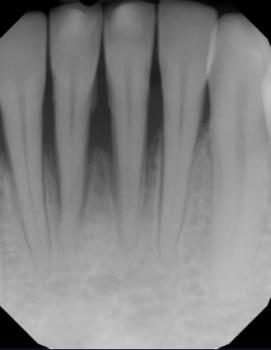
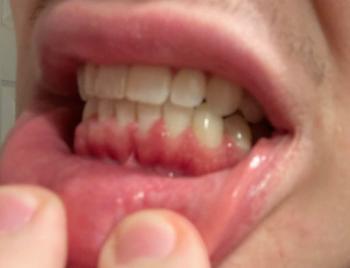
Patients with lower front gum inflammation may also experience tartar buildup, periodontal disease, gum abscesses, or tooth decay. Explore these related clinical case studies.

Other topics:
Other Dental Clinic