Dentures That Feel Natural, Look Beautiful.

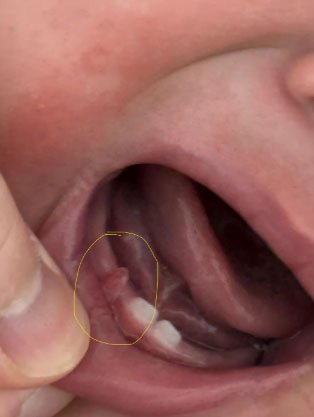
Baby Gum Swelling During Tooth Eruption - Zoomed Pediatric Dental Case Analysis
Image:
Severity:
Teeth Problems:
Understanding Swollen Gums in Babies
Gum swelling is a common concern for parents when a baby's first teeth begin to emerge. During tooth eruption, the gum tissue around the developing tooth may become slightly red, raised, tender, or swollen. Some babies also drool more, chew on objects, or become temporarily irritable.
However, not every gum lump is caused by teething. An eruption cyst, minor injury, oral infection, or another condition may produce a similar appearance. A pediatric dentist should examine persistent, painful, or unusual swelling to determine the cause.
In the case discussed in our baby gum swelling and tooth eruption case analysis, the visible raised gum lesion was considered potentially consistent with eruption-related changes. A photograph alone cannot confirm the diagnosis or exclude an infection.
Expert Dental Assessment: Is the Swelling Normal?
A dentist evaluates several features before deciding whether swollen gums are likely related to normal tooth eruption.
1. Location of the swelling
Swelling directly over a tooth that is beginning to emerge may be associated with teething. An eruption cyst can appear as a soft, localized bump over an erupting tooth and may sometimes look bluish or translucent.
2. Color and appearance
Mild redness and localized tenderness can occur during eruption. A white spot, however, does not automatically mean that a tooth is about to emerge. Ulcers, debris, cystic lesions, and other conditions can look similar.
3. Pain and feeding behavior
A teething baby may chew on safe objects, drool more, or show mild discomfort. Persistent crying, marked pain, or refusal to feed should not simply be blamed on teething.
4. Signs of infection
Pus, increasing swelling, significant bleeding, fever, or swelling extending into the face requires prompt medical or dental assessment. These symptoms are not typical signs of uncomplicated teething.
How Parents Can Safely Relieve Teething Discomfort
For mild symptoms without warning signs, parents can try the following measures.
-
Gently massage the gums: Wash your hands and use a clean finger to massage the affected area gently.
-
Offer a chilled teething ring: Use a suitable, intact teething ring cooled in the refrigerator. Do not give one that has become rock-hard from freezing.
-
Keep the mouth clean: Before teeth appear, gently wipe the gums with clean, damp gauze or a soft cloth. Once a tooth emerges, brush it twice daily using a soft, age-appropriate toothbrush and a smear of fluoride toothpaste about the size of a grain of rice.
-
Monitor feeding and behavior: Make sure the baby continues feeding and producing wet diapers as usual. Seek advice if discomfort interferes with feeding or hydration.
Avoid rubbing alcohol, honey for infants under 12 months, sharp objects, amber teething necklaces, and teething gels containing benzocaine or lidocaine. These products can cause harm. Do not puncture or squeeze a gum lump at home.
When Should a Baby See a Dentist?
Arrange a dental examination if swelling persists, increases, repeatedly bleeds, develops an unusual appearance, or does not improve as the tooth erupts. An eruption-related lesion may resolve naturally, but there is no guaranteed healing time for every case.
Seek urgent medical or dental care for fever accompanied by gum swelling, pus, worsening pain, or facial swelling. If the baby has difficulty breathing or swallowing, or develops rapidly spreading swelling, seek emergency medical care immediately.
A Short Story: Clark Learns Why Baby Teeth Matter
This is a fictional educational story.
Clark was a curious young boy who loved sweet snacks and sugary drinks. As he grew older, he became careless about brushing his teeth. Some evenings, he went straight to bed without cleaning his mouth. When his gums became red and tender, he assumed the problem would disappear by itself.
One day, Clark noticed a painful swollen area near a tooth. His parents arranged a dental appointment. The dentist explained that plaque can accumulate around teeth and irritate the gums, while untreated tooth decay can sometimes lead to deeper infection. The dentist also explained that Clark's symptoms needed an examination before their cause could be determined.
Clark learned to brush twice daily with fluoride toothpaste, clean between his teeth as appropriate for his age, drink water regularly, and limit frequent sugary snacks. His parents helped him establish a consistent oral-care routine and scheduled follow-up visits.
Over time, Clark understood that healthy teeth require daily attention. He also learned an important lesson: swollen gums should not be ignored or treated by guessing at the cause.
The lesson for parents: Whether a child has swollen gums from tooth eruption, plaque-related inflammation, or another dental problem, early assessment and good oral hygiene can help protect developing teeth.
Frequently Asked Questions About Baby Gum Swelling
1. Is gum swelling normal when a baby's first tooth erupts?
Mild, localized swelling and tenderness can be normal during tooth eruption. However, a large lump, worsening pain, pus, or swelling extending beyond the gum should be evaluated by a dentist.
2. How long does teething-related gum swelling last?
Symptoms may fluctuate over several days as a tooth emerges. The duration varies from baby to baby. If swelling worsens, persists, or is accompanied by other concerning symptoms, arrange an examination rather than relying on a fixed healing timeline.
3. Can an eruption cyst look white or blue?
Yes. An eruption cyst may appear translucent, bluish, or occasionally reddish, depending on the tissue and whether bleeding has occurred beneath it. Other oral lesions can look similar, so an in-person assessment may be necessary.
4. Should parents pop a swollen gum blister?
No. Do not puncture, squeeze, or cut the swelling. Doing so can injure the tissue and introduce bacteria. A dentist can determine whether observation or treatment is needed.
5. Does teething cause a high fever?
A high fever should not be attributed to teething. A temperature of 38°C (100.4°F) or higher warrants medical attention in a young infant, particularly one younger than three months. Follow your local pediatric emergency guidance.
6. Can swollen gums mean a dental infection?
Yes. A dental infection can cause localized swelling, tenderness, pus, or facial swelling. An examination is needed to distinguish infection from normal eruption changes. Facial swelling or rapidly worsening symptoms require urgent assessment.
7. Is it safe to use teething gel on a baby?
Avoid teething products containing benzocaine or lidocaine unless a qualified clinician specifically directs otherwise; these medicines can pose serious risks in infants and young children. Gentle gum massage and a chilled, safe teething ring are preferred first steps.
8. When should a baby have the first dental visit?
Arrange the first dental visit when the first tooth appears or by the first birthday, whichever comes first. Early visits help parents learn preventive care and allow the dentist to identify potential problems.
9. Can poor oral hygiene cause gum swelling in children?
Yes. Plaque accumulation can irritate the gums and contribute to gingivitis. However, swelling in a baby who is beginning to teethe may have another cause. Gentle cleaning and regular dental care are important from infancy.
10. Does every swollen gum require antibiotics?
No. Normal tooth eruption and many eruption cysts do not require antibiotics. If an infection is present, treatment depends on its source and severity. Antibiotics should only be prescribed by an appropriate healthcare professional when indicated; they do not replace necessary dental treatment.
Final Dental Guidance
Baby gum swelling is often temporary, but its cause should be assessed carefully when the appearance is unusual or symptoms are severe. Parents should focus on gentle oral hygiene, safe teething relief, and monitoring for warning signs rather than attempting to treat a lesion themselves.
This article provides general educational information and does not establish a diagnosis for an individual child. A pediatric dentist or qualified healthcare professional should assess persistent or concerning symptoms.
Baby Teeth Case – Zoom 100%
Focused Area: Infant lower gum / erupting primary tooth region
Full Analysis and Visual Examination
This assessment is based only on the provided image and does not replace an in-person pediatric dental examination.
Observed Findings
-
Localized raised white lesion on the gum tissue
-
Surrounding mild redness and soft tissue swelling
-
Appearance is consistent with tissue changes seen during primary tooth eruption
-
No visible heavy plaque or calculus accumulation (common in infants)
-
No obvious signs of widespread infection at this zoom level
Probable Diagnosis (Most Likely)
-
Eruption cyst or eruption-related gum swelling
-
Mild teething-associated gingival inflammation
Other Possible (Less Common)
-
Minor traumatic ulcer from feeding or biting objects
-
Small aphthous-type ulcer (rare in infants)
Important Note on Scaling
Routine dental scaling is NOT recommended for babies unless specifically advised by a pediatric dentist. Infant gums and erupting teeth require gentle care only.
Recommended Care and Process to Execute
Step 1: Observation and Gentle Care (Day 1–14)
-
Maintain clean gums using clean, damp gauze or soft infant finger brush
-
Avoid sharp or hard teething objects
-
Ensure bottles and pacifiers are clean
No anesthesia or dental instruments are required at this stage.
Step 2: Healing Timeline
| Time Frame | Expected Outcome |
|---|---|
| Days 1–3 | Swelling may fluctuate during tooth eruption |
| Days 4–7 | Lesion may reduce as tooth continues erupting |
| Days 8–14 | Gum tissue usually heals naturally |
A 14-day period is typical for eruption-related gum changes.
What Issues May Scale Up If Ignored
-
Secondary infection if the area becomes contaminated
-
Increased pain or feeding discomfort
-
Delayed eruption if persistent swelling is untreated
-
Rare progression to abscess if accompanied by fever or pus
Seek immediate dental or pediatric care if there is:
-
Fever
-
Continuous bleeding
-
Pus discharge
-
Baby refuses feeding due to pain
Professional Comment
This case appears common and generally self-limiting in infants. Most eruption cysts and teething-related gum lesions resolve naturally without intervention. Professional evaluation is advised if symptoms worsen or persist beyond two weeks.
Visit a Pediatric Dental Clinic Near You
For proper assessment by a pediatric dentist, search using our clinic directory:
Related Clinical Cases
Patients with lower front gum inflammation may also experience tartar buildup, periodontal disease, gum abscesses, or tooth decay. Explore these related clinical case studies.