Your Smile, Our Passion.

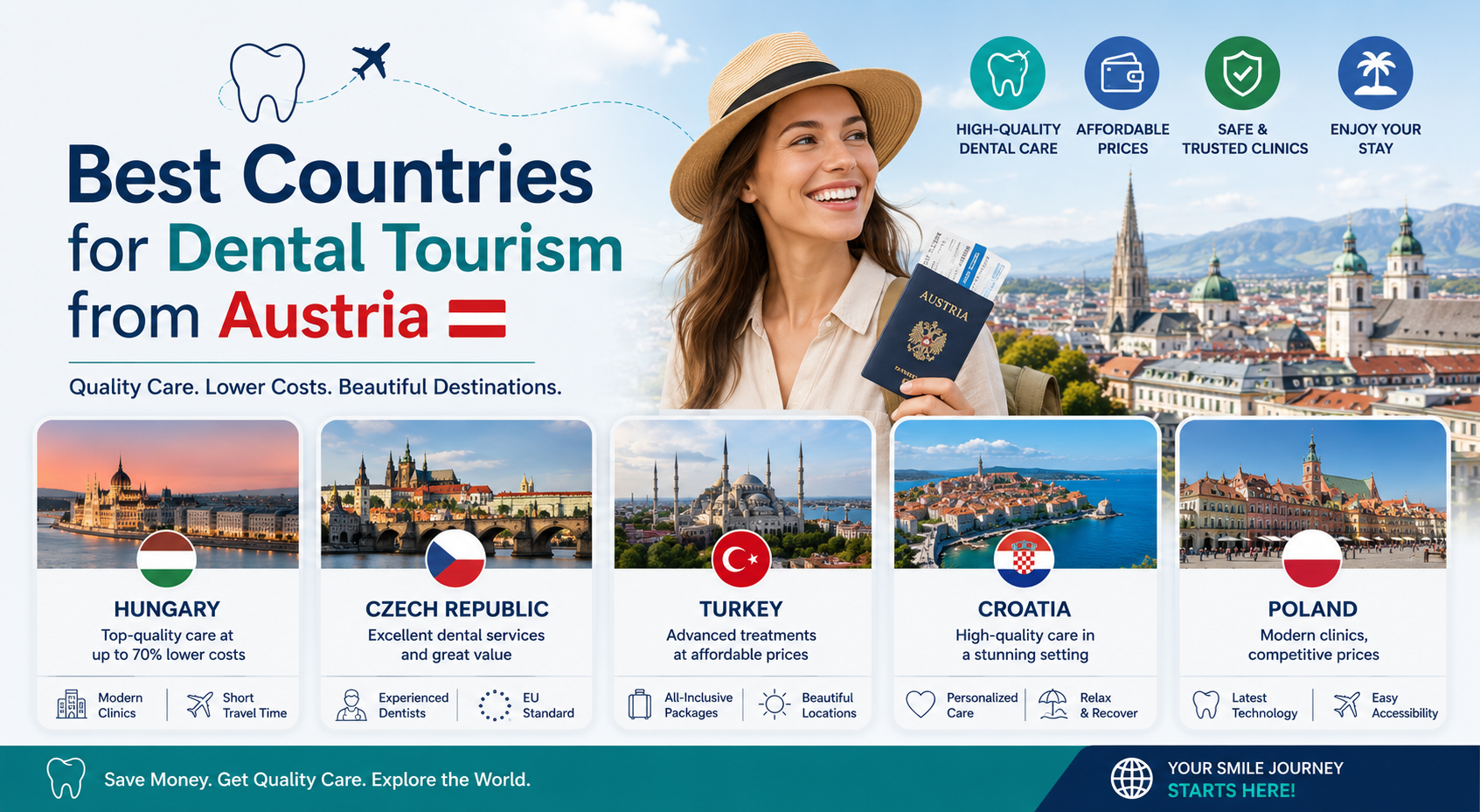
Best Countries for Dental Tourism from Austria
Language :
Topics:
Dental tourism has become increasingly popular among Austrian residents seeking affordable alternatives to expensive private dental care. While Austria offers excellent dental treatment standards and a well-developed healthcare system, many advanced procedures—particularly dental implants, crowns, bridges, veneers, orthodontics, and full-mouth rehabilitations—often require significant out-of-pocket payments.
As a result, thousands of Austrian patients travel abroad each year to receive dental treatment at substantially lower prices. For many, the savings can be dramatic. Depending on the procedure and destination, patients may reduce treatment costs by 40% to 70% compared with prices commonly found in Austria's private dental sector.
However, lower prices alone should never determine where dental treatment is performed. Dental tourism requires careful planning, extensive research, and a realistic understanding of both the benefits and risks involved. Factors such as treatment quality, clinician experience, aftercare availability, travel expenses, language communication, and legal protections must all be considered before making a decision.
This comprehensive guide explains why Austrians pursue dental treatment abroad, identifies the most popular destinations, compares advantages and disadvantages, and provides practical recommendations for choosing a reputable dental clinic overseas.
Why Austrians Consider Dental Tourism
Austria's public healthcare system provides excellent coverage for many medically necessary dental procedures. However, the limitations of public insurance become more apparent when patients require advanced restorative or cosmetic treatment.
Procedures frequently associated with high out-of-pocket expenses include:
- Dental implants
- Implant-supported dentures
- Full-mouth reconstruction
- Zirconia crowns
- Porcelain veneers
- Adult orthodontics
- Smile makeovers
- Bone grafting procedures
- Advanced cosmetic dentistry
Private clinics in Austria often provide exceptional treatment, but the associated costs can be prohibitive for some patients.
For example:
- Single dental implant: €2,000–€4,500+
- Zirconia crown: €800–€1,800
- Full-mouth implant reconstruction: €15,000–€40,000+
- Veneers: €700–€1,500 per tooth
For patients requiring extensive treatment, seeking care abroad can result in substantial savings.
What Is Dental Tourism?
Dental tourism refers to traveling to another country specifically to receive dental treatment.
The concept combines healthcare and travel, allowing patients to obtain treatment while potentially enjoying a vacation experience.
Dental tourism can involve:
- Single procedures
- Implant treatment
- Cosmetic dentistry
- Full-mouth rehabilitation
- Orthodontic treatment
- Oral surgery
The practice has expanded significantly due to:
- Affordable international travel
- Improved communication technology
- Online patient reviews
- International accreditation systems
- Increased treatment transparency
Today, dental tourism represents a multibillion-euro global industry.
How Much Can Austrian Patients Save?
One of the primary motivations behind dental tourism is financial savings.
Although savings vary by procedure and destination, patients often report reductions of:
- 40% to 70% compared with Austrian private fees
For example:
Single Implant
Austria:
€2,500–€4,500
Hungary:
€900–€1,800
Turkey:
€600–€1,500
Poland:
€1,000–€2,000
Zirconia Crown
Austria:
€800–€1,800
Hungary:
€250–€600
Turkey:
€200–€500
Poland:
€300–€700
Full-Mouth Implant Rehabilitation
Austria:
€20,000–€40,000+
Turkey:
€7,000–€18,000
Hungary:
€10,000–€25,000
Poland:
€10,000–€22,000
These differences explain why dental tourism remains attractive despite the additional travel requirements.
Hungary: Austria's Most Popular Dental Tourism Destination
When discussing dental tourism from Austria, Hungary remains the undisputed leader.
For decades, Austrian patients have traveled across the border seeking affordable dental treatment.
Why Hungary Is So Popular
Several factors contribute to Hungary's long-standing reputation.
Geographic Proximity
Hungary is extremely accessible from Austria.
Cities such as:
- Sopron
- Győr
- Budapest
are easily reached by:
- Car
- Train
- Bus
- Short flights
For residents of Vienna, Sopron can often be reached in less than an hour.
Long History of Dental Tourism
Hungary has served international dental patients for decades.
Many clinics specifically target patients from:
- Austria
- Germany
- Switzerland
- United Kingdom
This experience has helped establish mature systems for managing foreign patients.
German-Speaking Staff
Many Hungarian clinics employ:
- German-speaking dentists
- German-speaking coordinators
- German-speaking administrative staff
This significantly reduces communication barriers.
EU Membership
Hungary is a member of the European Union.
Patients benefit from:
- Familiar healthcare regulations
- Consumer protection standards
- Professional licensing requirements
- Clinical oversight systems
Many Austrian patients find this reassuring.
Budapest: The Dental Capital of Europe
Budapest has become internationally recognized as one of Europe's leading dental tourism hubs.
The city offers:
- Advanced clinics
- Modern technology
- Experienced implantologists
- Competitive pricing
Many clinics feature:
- Digital dentistry
- CAD/CAM systems
- CBCT imaging
- Surgical guides
These technologies support high-quality treatment outcomes.
Sopron: The Border City Advantage
For Austrian residents, particularly those in Vienna and Lower Austria, Sopron remains exceptionally attractive.
Advantages include:
- Minimal travel time
- Lower transportation costs
- Easy follow-up visits
- Familiar patient demographics
Patients can often attend appointments without requiring overnight accommodation.
Turkey: The Global Dental Tourism Giant
Turkey has emerged as one of the world's largest dental tourism destinations.
Cities such as Istanbul and Antalya attract hundreds of thousands of international patients annually.
Why Turkey Offers Exceptional Value
Turkey's lower operating costs allow clinics to provide:
- Advanced treatment
- Modern facilities
- Luxury patient experiences
at prices substantially below Western European levels.
Popular Procedures in Turkey
Turkey is particularly known for:
Smile Makeovers
Combining:
- Veneers
- Crowns
- Whitening
- Cosmetic redesign
Full-Mouth Reconstructions
Patients requiring extensive rehabilitation often choose Turkey due to substantial cost savings.
Dental Implants
Large-scale implant treatment frequently costs less than half of comparable Austrian private-sector pricing.
All-Inclusive Packages
Many Turkish clinics offer comprehensive treatment packages including:
- Airport transfers
- Hotel accommodations
- Treatment coordination
- Translation services
- Follow-up appointments
This convenience appeals to international patients.
Potential Challenges in Turkey
Despite its advantages, patients should carefully evaluate:
- Dentist qualifications
- Treatment planning quality
- Material selection
- Follow-up arrangements
The lowest advertised prices may not always represent the highest-quality care.
Poland: High Quality and Strong Value
Poland has become increasingly attractive to Austrian dental tourists.
The country combines:
- EU regulatory standards
- Advanced dental education
- Competitive pricing
with modern healthcare infrastructure.
Strengths of Polish Dentistry
Polish clinics often excel in:
- Implantology
- Prosthodontics
- Restorative dentistry
- Digital workflows
Many dentists have completed international training programs and maintain strong professional credentials.
Cost Advantages
Compared with Austria, patients may save:
- 40–60% on implants
- 40–70% on crowns
- Significant amounts on complex rehabilitation
while still receiving treatment within an EU regulatory framework.
Czech Republic: A Trusted Neighbor
The Czech Republic remains another popular choice for Austrian residents.
Its central location and reputation for quality healthcare make it an attractive option.
Why Austrians Choose the Czech Republic
Advantages include:
- Geographic proximity
- EU membership
- Modern facilities
- Competitive prices
- Strong dental education
Many Austrian patients find Prague particularly appealing due to its accessibility and international reputation.
Comparing EU and Non-EU Destinations
One of the most important decisions involves choosing between EU and non-EU countries.
Benefits of EU Destinations
Countries such as:
- Hungary
- Poland
- Czech Republic
provide:
- EU healthcare regulations
- Professional licensing standards
- Familiar legal protections
- Easier documentation
Many patients appreciate these safeguards.
Benefits of Non-EU Destinations
Countries like Turkey often offer:
- Lower prices
- Luxury facilities
- Extensive treatment packages
However, legal frameworks may differ from those within the EU.
Patients should understand these differences before proceeding.
Verify Dentist Qualifications
One of the most important aspects of dental tourism is evaluating the individual clinician—not just the clinic.
Questions to Ask
Patients should inquire about:
- Dental degree
- Specialist training
- Implant experience
- Continuing education
- Professional memberships
Experienced clinicians generally produce more predictable outcomes.
Importance of Implant Experience
Research consistently demonstrates that clinician experience influences implant success.
When evaluating providers, ask:
- How many implants are placed annually?
- What implant systems are used?
- What are the success rates?
These questions provide valuable insight.
Research Independent Reviews
Patient reviews can be helpful when interpreted appropriately.
Focus on recurring themes regarding:
- Communication
- Treatment outcomes
- Follow-up care
- Professionalism
- Transparency
Avoid relying solely on testimonials displayed on clinic websites.
Independent platforms often provide more balanced perspectives.
Understand the True Cost of Treatment
Many patients focus exclusively on procedure pricing.
This can be misleading.
Additional Expenses to Consider
Potential costs include:
- Flights
- Fuel
- Train tickets
- Hotels
- Meals
- Travel insurance
- Follow-up visits
These expenses should be included when comparing treatment options.
Multiple Visits May Be Required
Certain procedures require several appointments.
Dental implants often involve:
- Implant placement
- Healing period
- Crown placement
This may require multiple trips.
Patients should calculate these costs before committing.
Communication Matters
Effective communication significantly influences treatment outcomes.
Patients should confirm that:
- Dentists speak German or English fluently.
- Treatment plans are translated accurately.
- Written documentation is understandable.
Miscommunication can lead to dissatisfaction or complications.
Ask About Materials
Not all dental materials are equal.
Patients should verify:
- Implant brand
- Crown materials
- Laboratory partners
- Warranty terms
Recognized international brands often provide stronger long-term support.
Importance of an Aftercare Plan
One of the most overlooked aspects of dental tourism is aftercare.
Patients frequently focus on treatment itself while neglecting long-term maintenance.
Questions to Ask Before Treatment
Ask the clinic:
- What happens if complications occur?
- Is warranty coverage available?
- How are repairs handled?
- Is emergency support offered?
Clear answers are essential.
Local Dentists May Be Reluctant to Intervene
A common challenge arises when treatment complications occur after returning home.
Some Austrian dentists may:
- Be unfamiliar with the treatment performed.
- Lack access to treatment records.
- Prefer not to modify another provider's work.
Patients should anticipate this possibility.
Dental Tourism Is Not Suitable for Everyone
Although many patients have excellent experiences, dental tourism is not ideal in every situation.
Patients Who May Benefit Most
Dental tourism often works well for:
- Implant patients
- Full-mouth rehabilitation patients
- Cosmetic dentistry patients
- Individuals requiring extensive restorative work
Large treatment plans typically produce the greatest financial savings.
Patients Who May Prefer Local Care
Receiving treatment in Austria may be preferable for:
- Complex medical cases
- High-risk surgical patients
- Individuals requiring extensive follow-up
- Patients uncomfortable with travel
Continuity of care remains a valuable consideration.
Questions to Ask Before Booking
Before selecting a clinic abroad, ask:
- What qualifications does the dentist hold?
- What implant system is used?
- How many years has the clinic treated international patients?
- Are treatment guarantees provided?
- What happens if complications occur?
- How many visits are required?
- What is included in the quoted price?
- Are materials internationally recognized?
- Is aftercare available?
- Can I speak directly with the treating dentist?
The answers often reveal more than marketing materials.
Final Thoughts
Dental tourism offers Austrian patients a legitimate opportunity to reduce the cost of advanced dental treatment while still accessing high-quality care. Hungary remains the most popular destination due to its proximity, extensive experience with Austrian patients, and strong reputation for dentistry. Poland and the Czech Republic provide attractive EU-based alternatives, while Turkey has established itself as a global leader in affordable cosmetic and implant dentistry.
However, successful dental tourism requires more than simply finding the lowest price. Patients must carefully evaluate clinician qualifications, clinic reputation, treatment planning standards, communication quality, material selection, and long-term aftercare arrangements. Travel expenses, accommodation costs, and the possibility of multiple visits should also be included when calculating total costs.
When approached thoughtfully, dental tourism can provide substantial savings and excellent treatment outcomes. The key is balancing affordability with safety, quality, and long-term oral health. By conducting thorough research and maintaining realistic expectations, Austrian patients can make informed decisions that protect both their dental health and their financial well-being.
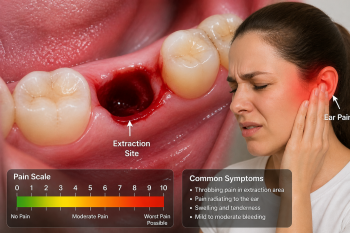
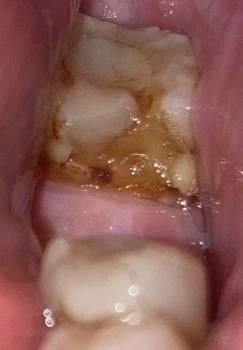
Can tooth extraction cause infection? Mild inflammation is normal, but increasing swelling, fever, or severe pain may indicate infection. Learn more about post-extraction infection warning signs in this detailed guide.
Book a consultation with our Cebu dental specialists for proper evaluation and care.
Ready to get expert guidance?
If you’re experiencing severe pain or delayed healing, book a consultation with our Cebu dental specialists to get proper evaluation and care.
Consultation or contact page .
Book a Consultation
For severe discomfort or delayed healing, book a consultation with our Cebu dental specialists today.
Looking for a dentist? Browse our Cebu dental directory to find trusted clinics near you.
Medical Review and Clinical Basis
This article is based on clinical dental guidelines and real patient recovery patterns observed after tooth extraction procedures. The information reflects common post-extraction healing stages, including normal clot formation, gum tissue repair, and signs of possible complications such as dry socket or infection.
While mild discomfort is expected after a dental extraction, worsening pain after Day 3, bad odor, exposed bone, or spreading pain may require professional evaluation. These symptoms are consistent with known post-extraction complications described in standard dental practice.
About Cebu Dental Implants
Cebu Dental Implants provides comprehensive tooth extraction, surgical procedures, and dental implant services in the Philippines. Our team evaluates post-extraction healing, manages complications such as dry socket, and advises patients on proper aftercare to prevent infection and delayed healing.
If you experience severe pain or unusual symptoms after extraction, early professional assessment is recommended to prevent further complications.
Important Medical Disclaimer
This content is for educational purposes only and does not replace professional dental diagnosis. Every patient heals differently. If symptoms worsen or do not improve within a few days, consult a licensed dentist for proper evaluation and treatment.
Author
This article was prepared by the Cebu Dental Implants content team in consultation with licensed dental professionals experienced in tooth extraction and implant procedures.
Related Clinical Cases
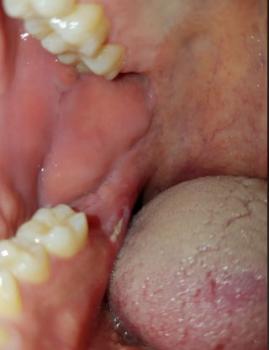
Patients with lower front gum inflammation may also experience tartar buildup, periodontal disease, gum abscesses, or tooth decay. Explore these related clinical case studies.



Other topics:
Other Dental Clinic