We Bring Back the Sparkle in Your Smile.

Bubble Gum, Tooth Pain, and an Unexpected Root Canal in Santa Rosa, California: Can the Tooth Still Be Saved?
Language :
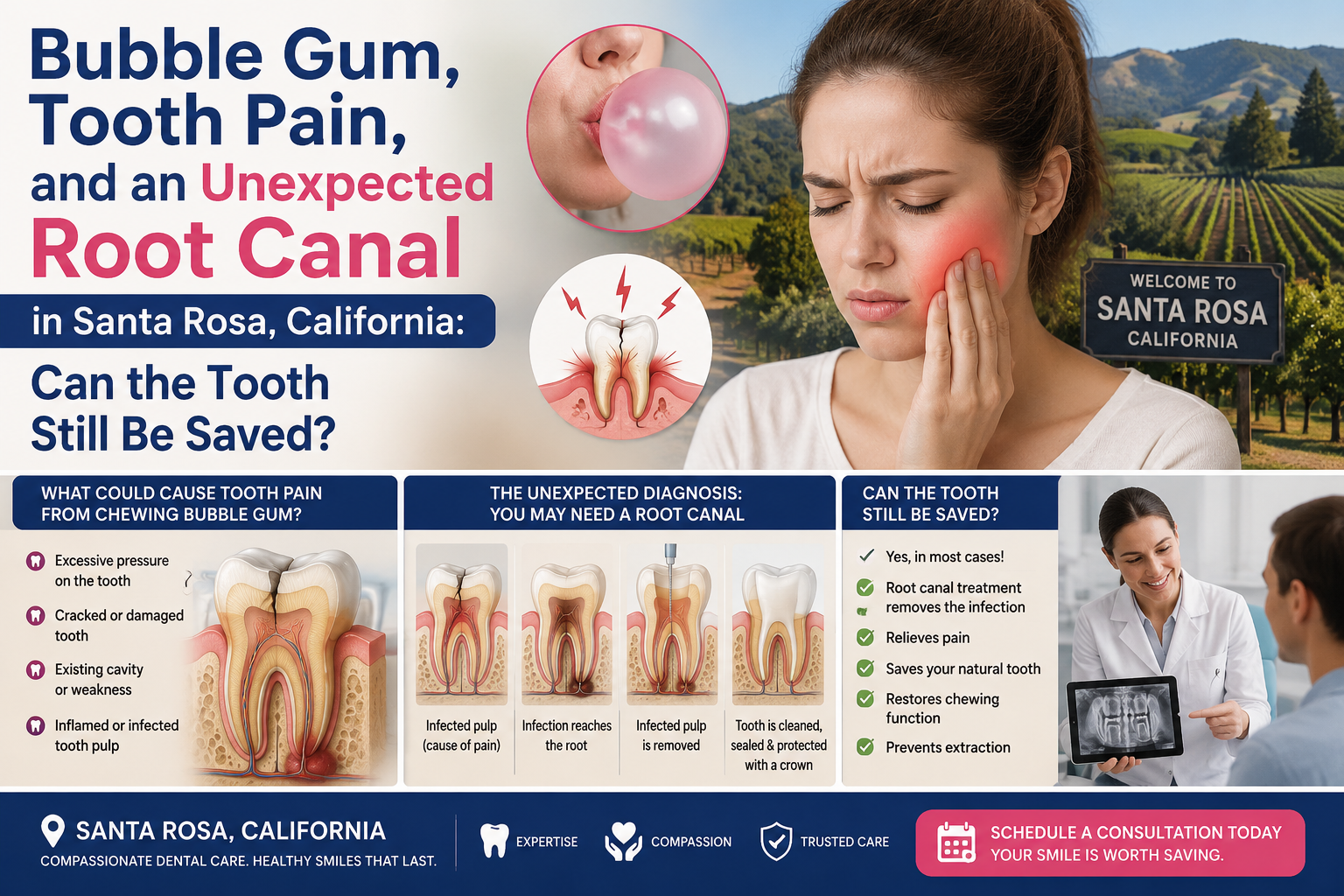
What started as a simple piece of bubble gum turned into an unexpected dental emergency for a Santa Rosa, California resident. Many people assume chewing gum is harmless, especially sugar-free varieties that are often marketed as tooth-friendly. However, in certain situations, chewing gum can expose hidden dental problems that have been developing silently for months or even years.
This story-based dental guide explores how a seemingly ordinary day led to severe tooth pain, a diagnosis requiring root canal treatment, and the critical question every patient asks:
"Can my tooth still be saved?"
As a dental professional, I frequently see patients who are surprised to learn that a tooth needing a root canal did not become damaged overnight. In most cases, the chewing gum was not the actual cause of the problem—it simply revealed an issue that was already present beneath the surface.
Let's examine this real-world-style scenario from Santa Rosa and understand what happens inside the tooth, how dentists diagnose the problem, and whether treatment can rescue the natural tooth.
The Story Begins in Santa Rosa, California
On a warm afternoon in Santa Rosa, Michael, a 42-year-old office worker, stopped at a local convenience store and purchased a pack of bubble gum.
Like many people, he enjoyed chewing gum during work to stay alert and fresh throughout the day.
He selected a large piece and began chewing.
At first, everything seemed normal.
Then something happened.
A sudden sharp pain shot through one of his upper molars.
Michael immediately stopped chewing.
The pain disappeared after a few seconds.
Thinking it was nothing serious, he continued his day.
Later that evening, he noticed the same tooth felt sensitive when drinking cold water.
The following morning, coffee triggered another sharp sensation.
Within several days, the discomfort became impossible to ignore.
Was the Bubble Gum the Real Cause?
The answer is usually no.
Bubble gum rarely causes a healthy tooth to suddenly require a root canal.
Instead, chewing gum often acts as a trigger that exposes an existing dental problem.
Think of it like a cracked windshield.
The crack may already be there, but one small bump in the road suddenly makes it visible.
In Michael's case, the gum likely applied pressure to a weakened tooth.
The chewing force exposed a hidden issue that had already reached an advanced stage.
Understanding What Was Happening Inside the Tooth
To understand the situation, we need to examine tooth anatomy.
The Outer Layer: Enamel
Enamel is the strongest substance in the human body.
It protects teeth from chewing forces, acids, and bacteria.
However, enamel is not indestructible.
Over time, cavities, cracks, and wear can develop.
The Middle Layer: Dentin
Beneath the enamel lies dentin.
Dentin contains microscopic channels that communicate sensations to the nerve.
When decay reaches dentin, patients often notice:
- Cold sensitivity
- Sweet sensitivity
- Occasional discomfort while chewing
At this stage, treatment is often simpler.
The Inner Layer: Dental Pulp
The center of the tooth contains pulp tissue.
This area contains:
- Blood vessels
- Nerves
- Connective tissue
When bacteria invade the pulp, inflammation develops.
Once pulp damage becomes severe, root canal treatment is often necessary.
The Dental Examination
After several painful days, Michael scheduled an emergency dental visit in Santa Rosa.
The dentist performed a comprehensive examination.
Step 1: Visual Inspection
The dentist observed:
- An old filling
- Dark staining around the filling margin
- Small enamel fractures
Nothing looked catastrophic externally.
However, appearances can be deceiving.
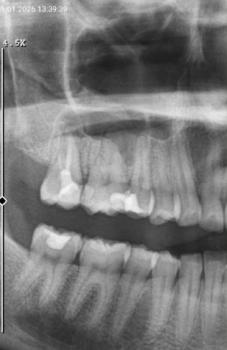
Step 2: Digital X-Rays
Digital radiographs revealed something important.
Decay had formed beneath the existing filling.
The cavity had progressed toward the nerve chamber.
The infection was much deeper than expected.
Step 3: Cold Testing
A cold stimulus was applied.
The affected tooth reacted intensely.
More importantly, the pain lingered after the stimulus was removed.
This lingering pain often indicates irreversible pulp inflammation.
Step 4: Bite Testing
The dentist asked Michael to bite on a special diagnostic instrument.
Sharp pain occurred during release.
This suggested a possible crack or nerve involvement.
The Diagnosis
After reviewing all findings, the dentist diagnosed:
Irreversible Pulpitis
This condition occurs when the pulp becomes inflamed beyond its ability to heal naturally.
Symptoms often include:
- Spontaneous pain
- Lingering cold sensitivity
- Pain while chewing
- Nighttime discomfort
Once irreversible pulpitis develops, antibiotics alone cannot solve the problem.
The infected pulp must be removed.
Could the Tooth Still Be Saved?
This is the question nearly every patient asks.
The answer depends on several factors.
Good News: Most Teeth Can Be Saved
Modern root canal treatment has a high success rate.
A tooth requiring a root canal is not automatically lost.
In fact, preserving the natural tooth is often the preferred treatment.
The key is acting before severe structural damage occurs.
When a Tooth Can Usually Be Rescued
Dentists can often save a tooth when:
The Root Structure Is Healthy
If roots remain intact, treatment becomes more predictable.
Bone Loss Is Limited
Healthy supporting bone improves long-term success.
Cracks Have Not Extended Deeply
Minor cracks may be manageable.
Infection Is Controlled
Localized infection typically responds well to treatment.
When Saving the Tooth Becomes Difficult
Unfortunately, not every tooth can be rescued.
Some situations create major challenges.
Vertical Root Fracture
If a crack extends down the root, extraction may be necessary.
Severe Bone Loss
Extensive periodontal damage can compromise support.
Massive Decay
Sometimes too much tooth structure has been destroyed.
Untreated Infection for Long Periods
Long-term infections may weaken surrounding tissues.
What Happens During Root Canal Treatment?
Many patients fear root canals because of outdated stories.
Modern procedures are much more comfortable than people expect.
Step 1: Local Anesthesia
The area is thoroughly numbed.
Most patients feel little or no pain during treatment.
Step 2: Isolation
A rubber dam is placed around the tooth.
This keeps the area clean and dry.
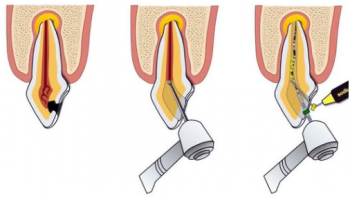
Step 3: Access Opening
A small opening is created through the crown.
This allows access to infected tissue.
Step 4: Removal of Diseased Pulp
Special instruments remove:
- Inflamed tissue
- Bacteria
- Debris
The canals are cleaned and disinfected.
Step 5: Canal Shaping
Tiny files shape the root canals.
Modern rotary instruments improve efficiency and precision.
Step 6: Irrigation
Advanced disinfecting solutions eliminate bacteria.
This step is critical for long-term success.
Step 7: Filling the Canals
The cleaned canals are sealed using a material called gutta-percha.
This prevents future bacterial invasion.
Step 8: Final Restoration
A permanent restoration is placed.
Many molars require a crown for protection.
Why Crowns Are Often Necessary
A root canal removes infected tissue, but it does not strengthen the tooth.
After treatment, teeth may become more brittle.
A crown acts like protective armor.
Benefits include:
- Improved strength
- Better chewing ability
- Reduced fracture risk
- Enhanced longevity
What If Michael Delayed Treatment?
Suppose Michael ignored the pain.
Several scenarios could occur.
Scenario 1: Dental Abscess
Bacteria may spread beyond the root tip.
This can create:
- Swelling
- Severe pain
- Facial infection
Scenario 2: Bone Destruction
Chronic infection can damage surrounding bone.
This complicates future treatment.
Scenario 3: Tooth Fracture
Weakened teeth become vulnerable to cracking.
Once a major fracture develops, extraction becomes more likely.
Scenario 4: Systemic Effects
Untreated oral infections may affect overall health.
Prompt treatment is always preferable.
Can Bubble Gum Pull Out a Filling?
Yes.
This is another possibility dentists frequently encounter.
If a filling is already loose, sticky gum may dislodge it.
When this happens:
- Food becomes trapped
- Sensitivity increases
- Decay progresses faster
A missing filling should be evaluated promptly.
Warning Signs That You May Need a Root Canal
Patients should watch for:
Persistent Tooth Pain
Pain lasting days or weeks deserves professional evaluation.
Lingering Cold Sensitivity
Sensitivity that continues after removing the stimulus is concerning.
Pain While Biting
This may indicate pulp inflammation or cracking.
Swelling
Any swelling requires immediate attention.
Darkening Tooth Color
A tooth becoming gray or dark may indicate nerve damage.
Gum Pimple
A recurring bump on the gums often signals infection.
Modern Technology Used in Root Canal Procedures
Santa Rosa dental offices increasingly utilize advanced technologies.
Digital X-Rays
Provide immediate imaging with lower radiation.
CBCT Scans
Three-dimensional imaging helps identify:
- Hidden canals
- Cracks
- Bone loss
Rotary Endodontics
Improves cleaning efficiency.
Dental Microscopes
Allow dentists to visualize tiny canal structures.
Electronic Apex Locators
Enhance treatment precision.
Recovery After a Root Canal
Most patients recover quickly.
Common experiences include:
- Mild soreness
- Tenderness when chewing
- Temporary sensitivity
These symptoms generally improve within several days.
Patients can often return to work the next day.
How Long Can a Root Canal Last?
A properly treated tooth may last decades.
Many root canal-treated teeth function successfully for a lifetime.
Success depends on:
- Quality treatment
- Good oral hygiene
- Timely crown placement
- Regular dental visits
Preventing Similar Situations
The best treatment is prevention.
Schedule Regular Dental Exams
Small problems are easier to treat than large ones.
Address Cavities Early
Minor decay can often be treated with fillings.
Replace Aging Fillings
Old restorations can develop leakage.
Wear a Night Guard
Grinding can create cracks over time.
Maintain Excellent Oral Hygiene
Daily brushing and flossing remain essential.
Expert Dental Analysis of Michael's Case
From a professional perspective, Michael's bubble gum incident was not the true cause of his root canal.
The actual problem had likely been developing for months.
The gum simply exposed:
- Hidden decay
- Possible cracking
- Existing pulp inflammation
Fortunately, because he sought treatment before catastrophic damage occurred, the tooth remained salvageable.
The root canal removed infection, preserved the natural tooth, and prevented extraction.
This outcome is exactly why early intervention matters.
Frequently Asked Questions
Can chewing bubble gum cause a root canal?
Not directly. Bubble gum usually reveals an existing problem such as decay, a crack, or a failing filling.
Is root canal treatment painful?
Modern root canal procedures are typically comfortable due to effective anesthesia and advanced techniques.
Can an infected tooth heal on its own?
Once irreversible pulp damage occurs, the tooth generally cannot heal without professional treatment.
How long does a root canal take?
Most procedures require one or two appointments depending on complexity.
Can I avoid a crown after a root canal?
Some front teeth may not require crowns, but molars frequently benefit from crown protection.
Is extraction better than a root canal?
Whenever possible, preserving the natural tooth is generally preferred.
What happens if I wait too long?
Delaying treatment increases the risk of abscesses, fractures, bone loss, and eventual extraction.
How successful are root canals?
Modern root canal therapy has a high long-term success rate when properly performed and restored.
The Santa Rosa bubble gum story demonstrates an important dental lesson: sudden pain often reveals a problem that has been quietly developing beneath the surface. The gum itself was not the villain. Instead, it exposed hidden decay and nerve inflammation that had likely been progressing for a considerable period.
The encouraging news is that a tooth requiring a root canal can often be successfully saved. Modern dental technology, advanced diagnostic tools, and predictable endodontic techniques allow dentists to preserve natural teeth that would have been extracted decades ago.
If chewing gum, eating, drinking, or biting suddenly causes sharp tooth pain, do not ignore the warning signs. Early diagnosis can mean the difference between a straightforward root canal and losing the tooth altogether.
In many cases, just like Michael's experience in Santa Rosa, California, timely treatment can rescue the tooth, eliminate pain, and restore a healthy smile for many years to come.
Can tooth extraction cause infection? Mild inflammation is normal, but increasing swelling, fever, or severe pain may indicate infection. Learn more about post-extraction infection warning signs in this detailed guide.
Book a consultation with our Cebu dental specialists for proper evaluation and care.
Ready to get expert guidance?
If you’re experiencing severe pain or delayed healing, book a consultation with our Cebu dental specialists to get proper evaluation and care.
Consultation or contact page .
Book a Consultation
For severe discomfort or delayed healing, book a consultation with our Cebu dental specialists today.
Looking for a dentist? Browse our Cebu dental directory to find trusted clinics near you.
Medical Review and Clinical Basis
This article is based on clinical dental guidelines and real patient recovery patterns observed after tooth extraction procedures. The information reflects common post-extraction healing stages, including normal clot formation, gum tissue repair, and signs of possible complications such as dry socket or infection.
While mild discomfort is expected after a dental extraction, worsening pain after Day 3, bad odor, exposed bone, or spreading pain may require professional evaluation. These symptoms are consistent with known post-extraction complications described in standard dental practice.
About Cebu Dental Implants
Cebu Dental Implants provides comprehensive tooth extraction, surgical procedures, and dental implant services in the Philippines. Our team evaluates post-extraction healing, manages complications such as dry socket, and advises patients on proper aftercare to prevent infection and delayed healing.
If you experience severe pain or unusual symptoms after extraction, early professional assessment is recommended to prevent further complications.
Important Medical Disclaimer
This content is for educational purposes only and does not replace professional dental diagnosis. Every patient heals differently. If symptoms worsen or do not improve within a few days, consult a licensed dentist for proper evaluation and treatment.
Author
This article was prepared by the Cebu Dental Implants content team in consultation with licensed dental professionals experienced in tooth extraction and implant procedures.
Related Clinical Cases
Patients with lower front gum inflammation may also experience tartar buildup, periodontal disease, gum abscesses, or tooth decay. Explore these related clinical case studies.
Other topics:
Other Dental Clinic