Dentures That Feel Natural, Look Beautiful.

Dental Abscess Treatment: Symptoms, Swelling, Antibiotics, and Recovery Guide
Image:
Severity:
Teeth Problems:
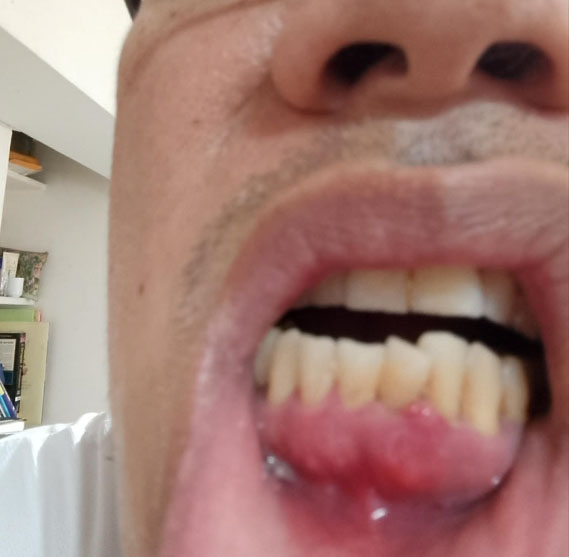
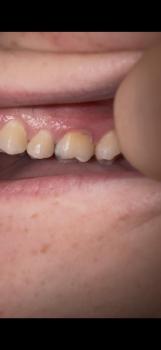
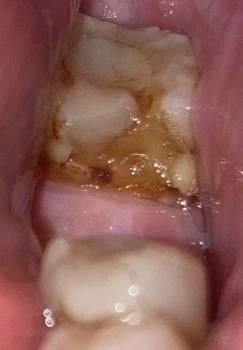
The case of the teeth with red area on the lower gum that is consistent with a dental abscess or localized gum infection. The medications shown are:
- Cefalexin 500 mg — antibiotic
- Mefenamic Acid 500 mg — pain and inflammation relief
These are commonly prescribed for dental infections and swelling.
What Usually Causes a Dental Abscess
A dental abscess is commonly caused by:
- Deep tooth infection
- Gum infection
- Cracked tooth
- Food trapped in the gums
- Advanced periodontal disease
- Infection around tooth roots
The swelling happens because pus and bacteria collect inside the gum tissue.
Common Treatment for Dental Abscess
1. Antibiotics
Your dentist already prescribed Cefalexin to help control the bacterial infection.
Important:
- Finish the full antibiotic course
- Do not stop early even if swelling improves
- Take it exactly as prescribed
2. Pain and Swelling Control
Mefenamic Acid helps reduce:
- Pain
- Inflammation
- Throbbing sensation
Take it with food because it may irritate the stomach.
3. Drainage of the Abscess
Sometimes antibiotics alone are not enough.
If pus remains trapped, the dentist may need to:
- Drain the abscess
- Clean the infected area
- Open the gum slightly
- Treat the infected tooth
This is often what gives the fastest relief.
4. Root Canal or Tooth Extraction
Depending on the cause, definitive treatment may include:
Root Canal Treatment
If the tooth can still be saved.
Tooth Extraction
If the tooth is severely infected or damaged.
What You Should Do at Home
Helpful Measures
Warm Saltwater Rinse
3–5 times daily.
Mix:
- 1 glass warm water
- 1/2 teaspoon salt
This helps reduce bacteria and swelling.
Hydrate Well
Drink plenty of water.
Soft Foods
Avoid:
- Hard foods
- Crunchy foods
- Very hot foods
Eat:
- Soup
- Lugaw
- Soft rice
- Eggs
- Yogurt
Sleep With Head Elevated
Helps reduce throbbing and swelling.
Important Warning Signs
Go back to the dentist ASAP or seek urgent care if you develop:
- Fever
- Difficulty swallowing
- Difficulty breathing
- Swelling spreading to the face or neck
- Severe worsening pain
- Pus draining with foul taste
- Mouth opening difficulty
Dental abscesses can sometimes spread deeper into facial tissues if untreated.
Based on Your Photo
The swelling appears localized in the lower gum area. That is somewhat reassuring, but it still needs close monitoring.
The good signs to watch for over the next 24–72 hours:
- Swelling slowly decreases
- Pain becomes manageable
- No fever develops
- No facial swelling appears
If swelling increases despite antibiotics, your dentist may need to drain the abscess or reassess the tooth.
Typical Recovery Timeline
First 24–48 Hours
- Pain medicine starts helping
- Antibiotics begin working
3–5 Days
- Swelling should noticeably reduce
7–10 Days
- Infection usually improves significantly if properly treated
Very Important
Antibiotics alone do not permanently fix many dental abscesses.
The underlying cause usually still needs treatment:
- Root canal
- Deep cleaning
- Gum treatment
- Extraction
Otherwise the infection can return later.
Continue following your dentist’s instructions closely.
Related Clinical Cases
Patients with lower front gum inflammation may also experience tartar buildup, periodontal disease, gum abscesses, or tooth decay. Explore these related clinical case studies.

Other topics:
Other Dental Clinic