We Bring Back the Sparkle in Your Smile.

Full Mouth Implants Malta: Cost, All-on-4 & All-on-6 Guide
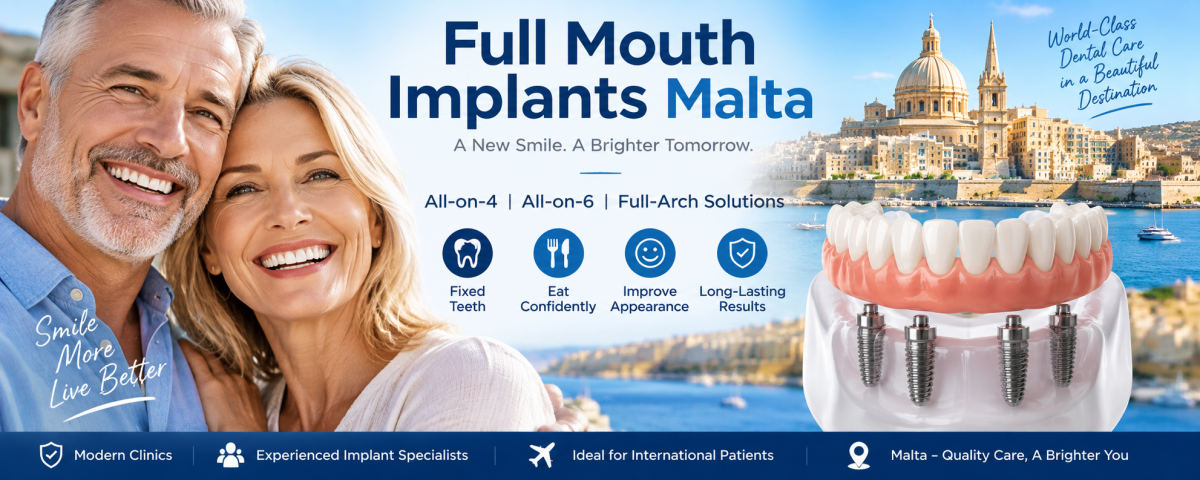
Full mouth implants in Malta can provide a fixed alternative to traditional removable dentures for patients with multiple missing, severely damaged, or failing teeth. Treatment options may include All-on-4, All-on-6, and other full-arch implant restorations, depending on the patient's bone condition, oral health, and treatment goals.
Modern implant dentistry combines surgical planning with restorative dentistry to create a stable set of replacement teeth designed to improve chewing, appearance, speech, and everyday comfort.
What Are Full Mouth Dental Implants?
Full mouth implant treatment uses several strategically positioned dental implants to support a fixed bridge or full-arch restoration.
Instead of replacing every missing tooth with an individual implant, a smaller number of implants can be used to support an entire arch in appropriately selected patients.
Common treatment concepts include:
-
All-on-4 dental implants
-
All-on-6 dental implants
-
Full-arch fixed implant bridges
-
Implant-supported dentures
-
Full-mouth rehabilitation using multiple implants
The most suitable approach depends on the patient's individual anatomy and clinical requirements.
Patient Experience With Full Mouth Implants
Patients who have lived with loose dentures or severely damaged teeth often describe the transition to fixed implant-supported teeth as a significant improvement in their daily lives.
Common themes reported in patient feedback include:
Greater Stability
Fixed implant-supported teeth are designed to remain securely in position during normal eating and speaking. This can eliminate some of the movement, clicking, or slipping associated with conventional removable dentures.
Improved Ability to Eat
A stable full-arch restoration can make it easier to chew a wider range of foods. Patients may gradually return to foods they previously avoided because of uncomfortable or unstable dentures.
A More Natural Feeling
Unlike a conventional upper denture that covers much of the palate, some full-arch fixed restorations can leave more of the roof of the mouth uncovered. Patients may appreciate the resulting difference in comfort and food sensation.
Improved Confidence
Replacing failing or missing teeth can also have an important psychological and social impact. Patients may feel more comfortable smiling, speaking, and participating in everyday activities.
Individual results vary, and expectations should be discussed carefully with the treating dental team.
Is Full Mouth Implant Surgery Painful?
Dental implant surgery is normally performed using local anesthesia, with sedation available in appropriate cases.
During the procedure, the treatment area is numbed to minimize discomfort. Patients may experience pressure or vibration during surgery, but the level of discomfort varies from person to person.
After surgery, swelling, tenderness, bruising, and a feeling of tightness can occur. These symptoms are generally most noticeable during the first few days and gradually improve as healing progresses.
Your dentist will provide specific instructions regarding medication, oral hygiene, diet, and post-operative care.
Recovery After Full Mouth Implants
Recovery is an important part of full-mouth implant treatment.
During the early healing period, patients are commonly advised to follow a soft-food diet and avoid placing excessive forces on the treatment area.
A temporary or provisional bridge may be provided depending on the treatment plan. This restoration allows the patient to have functional and aesthetic teeth while the implants heal.
The provisional teeth should not necessarily be considered the final restoration.
Osseointegration and Implant Healing
After implant placement, the surrounding bone gradually bonds with the implant surface. This biological process is known as osseointegration.
The healing period varies between patients and can depend on:
-
Bone quality and quantity
-
Implant location
-
Overall oral health
-
Smoking habits
-
Bone grafting or other surgical procedures
-
Individual healing response
-
The type of restoration being planned
The dentist will determine when the implants are ready for the final restoration based on clinical evaluation.
From Temporary Teeth to the Final Bridge
Once healing and implant stability are satisfactory, the restorative stage can begin.
Digital scans or conventional impressions may be used to design the final teeth. The final restoration can be manufactured using materials such as acrylic-based systems, composite materials, or zirconia, depending on the treatment plan.
The final bridge is designed to provide an appropriate combination of:
-
Function
-
Appearance
-
Bite stability
-
Cleanability
-
Long-term maintenance
Patients should ask their dentist exactly which material is included in their treatment quotation.
What Patients Should Look for in a Malta Implant Clinic
Choosing the right clinic is an important part of full-mouth implant treatment. Patients should evaluate the complete treatment plan rather than selecting a clinic based only on the advertised price.
Important factors include:
3D Diagnostic Imaging
A CBCT scan can provide three-dimensional information about the jawbone and important anatomical structures. This information can help the dental team plan implant placement.
Digital Treatment Planning
Computer-assisted planning and digital scanning can help coordinate the surgical and restorative stages of complex implant cases.
Surgical and Prosthetic Coordination
Full-arch implant treatment involves both implant surgery and the design of the replacement teeth. Good communication between the surgical and restorative teams is therefore important.
Transparent Treatment Planning
Before treatment begins, patients should receive clear information about:
-
Number of implants
-
Type of implant system
-
Temporary teeth
-
Final restoration
-
Materials
-
Additional procedures
-
Treatment timeline
-
Maintenance requirements
-
Total estimated cost
Aftercare
Long-term maintenance is essential. Patients should understand how often professional cleaning and implant reviews are recommended and what support is available if a problem develops.
Full Mouth Implants for International Patients
Malta can be considered by international patients seeking implant treatment abroad. However, full-mouth implant treatment should be planned around the patient's complete treatment timeline.
Depending on the case, treatment may require multiple appointments and potentially more than one trip.
International patients should consider:
-
Initial consultation
-
CBCT and diagnostic planning
-
Implant surgery
-
Temporary restoration
-
Healing period
-
Final impressions or digital scans
-
Final bridge placement
-
Follow-up appointments
-
Travel and accommodation
-
Long-term maintenance after returning home
Patients should ask the clinic whether all planned stages can be coordinated within their travel schedule.
Questions to Ask Before Choosing Full Mouth Implants in Malta
Before committing to treatment, consider asking:
-
Am I suitable for All-on-4, All-on-6, or another implant solution?
-
How many implants will I need?
-
Will I require bone grafting or a sinus lift?
-
What type of temporary teeth will I receive?
-
What material will be used for my final bridge?
-
How long is the expected healing period?
-
How many visits will be required?
-
What is included in the quoted price?
-
What happens if an implant or restoration develops a problem?
-
What long-term maintenance will I need?
Is Full Mouth Implant Treatment Right for You?
Full-mouth implants can be an effective option for appropriately selected patients with extensive tooth loss or failing teeth. However, there is no single treatment that is suitable for everyone.
A comprehensive dental examination, appropriate imaging, and personalized treatment plan are necessary before deciding on All-on-4, All-on-6, or another full-arch solution.
Final Thoughts
Full mouth implants in Malta can offer a fixed alternative to conventional removable dentures and may significantly improve chewing ability, stability, appearance, and confidence.
The best treatment decision should be based on clinical suitability, quality of care, treatment planning, materials, aftercare, and long-term maintenance—not simply the lowest advertised price.
If you are considering full-mouth dental implants in Malta, arrange a consultation with a qualified dental professional to determine which implant and full-arch restoration option is appropriate for your individual needs.
Related Clinical Cases
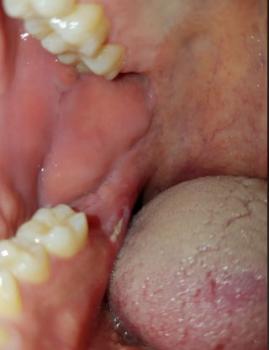
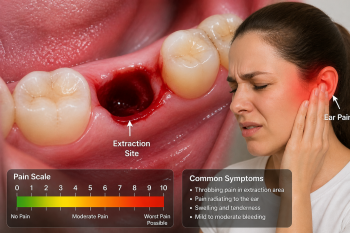
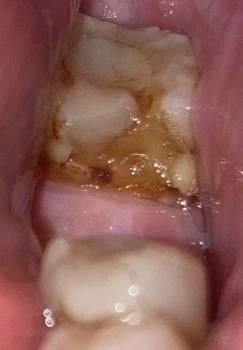
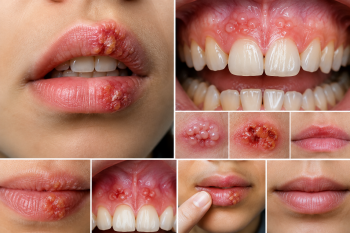
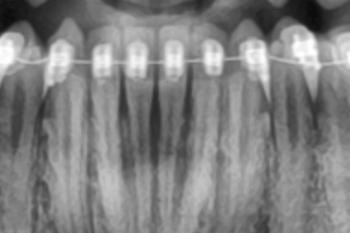
Patients with lower front gum inflammation may also experience tartar buildup, periodontal disease, gum abscesses, or tooth decay. Explore these related clinical case studies.



Other topics:
Other Dental Clinic