Modern Dentistry, Timeless Smiles.

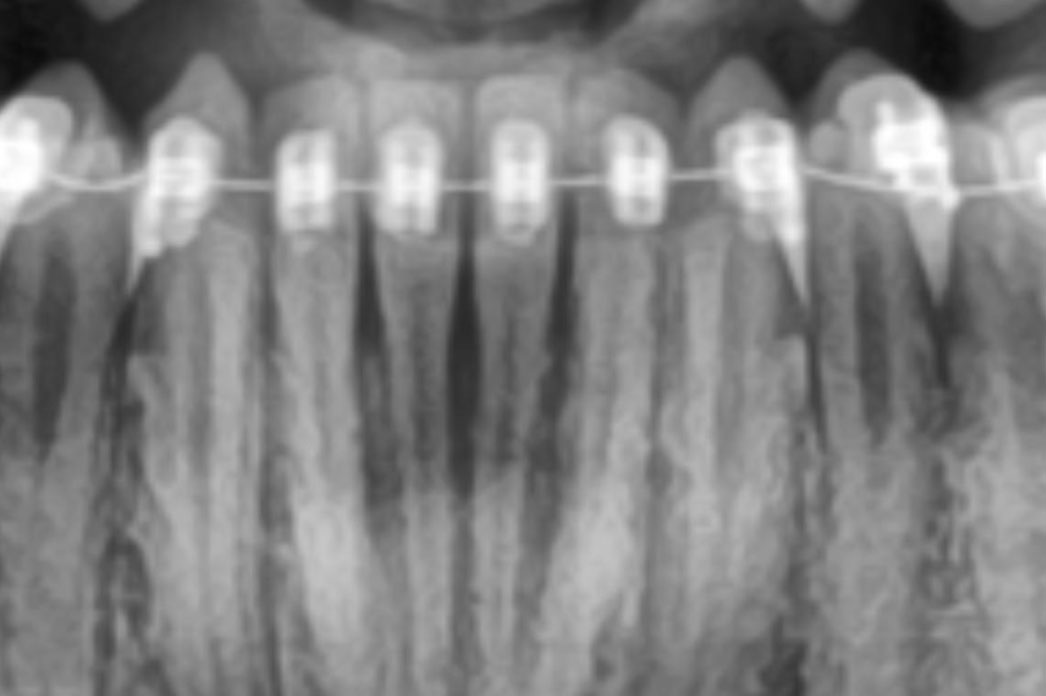
Bone Loss Around Front Teeth With Braces X-Ray Case
Image:
Severity:
Bone Loss Around Front Teeth With Braces X-Ray Case Analysis
What Is Seen in This Case
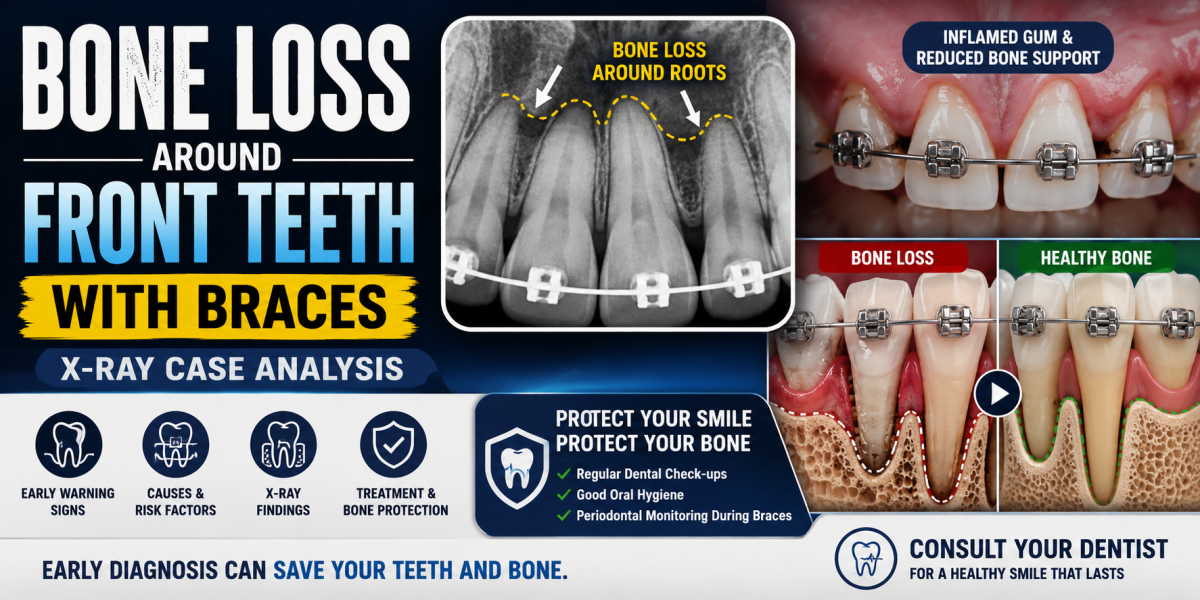
The X-ray image shows the lower front teeth with orthodontic braces in place. The tooth roots are visible, but the bone level around the roots appears reduced and uneven. There are darker areas between and around the roots, suggesting loss of supporting bone rather than healthy, dense bone.
This finding is especially important in patients undergoing orthodontic treatment.
Most Likely Diagnosis
Based on the X-ray appearance, the most likely conditions include:
-
Early to moderate periodontal bone loss
-
Bone resorption around front teeth
-
Gum disease progressing during orthodontic treatment
-
Inflammation-related bone changes
-
Increased risk of tooth mobility
This is not a cavity issue, but a supporting bone problem.
Why Bone Loss Can Occur With Braces
Common contributing factors include:
-
Plaque buildup around brackets and wires
-
Difficulty cleaning around orthodontic appliances
-
Pre-existing gum disease before braces
-
Excessive orthodontic force
-
Poor flossing and interdental cleaning
Braces can accelerate bone loss if gum health is not well controlled.
Is This a Serious Problem
Yes. Bone loss around front teeth is progressive if untreated. If ignored, it may scale up into:
-
Increased tooth mobility
-
Gum recession
-
Long-term instability after braces
-
Early tooth loss
-
Need to stop or modify orthodontic treatment
Early detection helps preserve teeth.
Recommended Treatment Process
Initial Assessment (Days 1–3)
-
Full periodontal examination
-
Review of orthodontic forces
-
Comparison with previous X-rays
-
Gum pocket measurements
Active Treatment Phase (Days 4–10)
Treatment may include:
-
Professional deep cleaning
-
Improved oral hygiene protocol
-
Adjustment of orthodontic force if needed
-
Antibacterial mouth rinse
-
Periodontal monitoring
Healing and Stabilization Phase (Days 11–14)
-
Reduced inflammation
-
Slowing of bone loss
-
Stabilization of tooth support
Long-term monitoring is essential.
Expected Healing Time
-
Gum inflammation reduction: 7–14 days
-
Bone stabilization: weeks to months
-
Bone loss already present does not fully regenerate
Early management prevents further damage.
What Happens If Treatment Is Delayed
Delaying care may lead to:
-
Continued bone destruction
-
Loose front teeth
-
Poor orthodontic outcome
-
Permanent gum recession
-
Premature tooth loss
This condition will not self-correct.
Home Care While Wearing Braces
Patients should:
-
Brush after every meal
-
Use interdental brushes around brackets
-
Floss daily with orthodontic floss
-
Rinse with dentist-recommended mouthwash
-
Attend regular cleaning appointments
Good hygiene is critical during braces.
Professional Comment
This X-ray shows bone loss around lower front teeth during orthodontic treatment, a condition that requires close coordination between dentist and orthodontist. Early intervention can preserve tooth support and allow safe continuation of braces.
Visit a Dental Clinic Near You
For periodontal evaluation during orthodontic treatment, visit:
https://cebudentalimplants.com/map-dental-clinic
Bone loss around the front teeth is a serious dental condition that can threaten the stability of your smile if left untreated. In this video, we analyze a real clinical case using a dental X-ray to explain how bone loss develops around the front teeth, especially in patients wearing braces or with untreated gum disease.
You'll learn what dentists look for on an X-ray, the common causes of alveolar bone loss, early warning signs, treatment options, and whether the damage can be stopped or managed before tooth loss occurs.
In this video you'll discover:
- What bone loss around front teeth looks like on a dental X-ray
- Can braces contribute to bone loss?
- How gum disease affects the jawbone
- Early symptoms of periodontal bone loss
- Treatment options to protect your teeth
- How dentists monitor bone health during orthodontic treatment
- Ways to prevent further bone loss
Frequently Asked Questions (FAQ): Bone Loss Around Front Teeth With Braces – X-Ray Findings, Causes, Treatment, and Prevention
1. What does bone loss around the front teeth mean?
Bone loss around the front teeth occurs when the jawbone that supports the roots begins to shrink due to periodontal (gum) disease, chronic inflammation, trauma, or other underlying conditions. As the supporting bone decreases, the teeth may become loose, shift position, and eventually be at risk of tooth loss if treatment is delayed.
2. Can braces cause bone loss around the front teeth?
Braces themselves do not cause bone loss when orthodontic treatment is properly planned and monitored. However, excessive orthodontic forces, poor oral hygiene, untreated gum disease, or pre-existing periodontal problems can increase the risk of bone loss during treatment.
3. How is bone loss detected on a dental X-ray?
Dentists evaluate bone height surrounding the tooth roots using dental X-rays such as:
- Periapical X-rays
- Bitewing X-rays
- Panoramic X-rays
- Cone Beam CT (CBCT)
Reduced bone height, widened periodontal ligament spaces, and changes in bone density are common radiographic signs.
4. What are the early signs of bone loss around the front teeth?
Early symptoms may include:
- Bleeding gums
- Swollen or red gums
- Gum recession
- Persistent bad breath
- Tooth sensitivity
- Slight tooth movement
- Spaces developing between front teeth
Many patients experience no pain during the early stages.
5. Can bone loss around front teeth be reversed?
Lost bone generally does not regenerate on its own. However, early treatment can stop further destruction. In selected cases, regenerative procedures such as bone grafting, guided tissue regeneration (GTR), or biologic materials may help restore some supporting bone.
6. Can gum disease cause bone loss even if I wear braces?
Yes. Plaque and bacteria can accumulate around brackets and wires, increasing the risk of gum inflammation. If plaque is not removed effectively, periodontal disease may develop and damage the supporting bone around the teeth.
7. Is bone loss around front teeth painful?
Not always. Bone loss usually progresses slowly and painlessly. Patients often discover the problem during routine dental examinations or after noticing loose teeth or gum recession.
8. Can loose front teeth become stable again?
If diagnosed early, professional periodontal treatment, deep cleaning, improved oral hygiene, bite adjustment, and temporary splinting may stabilize loose teeth. Severe bone loss may require surgical treatment or tooth replacement.
9. Can orthodontic treatment continue if bone loss is present?
It depends on the severity. Active periodontal disease should usually be treated before continuing orthodontic tooth movement. A periodontist and orthodontist often work together to ensure treatment is safe.
10. What happens if bone loss is ignored?
Untreated bone loss may lead to:
- Increasing tooth mobility
- Gum recession
- Tooth migration
- Bite changes
- Difficulty chewing
- Tooth loss
- More complex and expensive treatment later
11. Can a panoramic X-ray detect bone loss?
Yes. Panoramic X-rays provide an overview of the jaws and can identify generalized bone loss. However, smaller areas of bone loss are often evaluated more accurately with periapical X-rays or a CBCT scan.
12. What treatments are available for bone loss around front teeth?
Treatment depends on the underlying cause and severity and may include:
- Professional dental cleaning
- Scaling and root planing
- Antibiotic therapy when indicated
- Periodontal surgery
- Bone grafting
- Guided tissue regeneration (GTR)
- Orthodontic treatment modifications
- Dental implants if teeth cannot be saved
13. How can I prevent bone loss while wearing braces?
Patients should:
- Brush after every meal.
- Clean around brackets with interdental brushes.
- Floss daily using orthodontic floss threaders or water flossers.
- Attend regular orthodontic and periodontal checkups.
- Avoid smoking.
- Treat gum inflammation promptly.
14. Does smoking increase the risk of bone loss during orthodontic treatment?
Yes. Smoking reduces blood flow to the gums, delays healing, increases bacterial growth, and significantly raises the risk of periodontal disease and jawbone destruction.
15. Can diabetes make bone loss worse?
Yes. Poorly controlled diabetes increases the risk of periodontal disease, slows healing, and can accelerate destruction of the supporting bone around the teeth.
16. Is a CBCT scan better than a regular dental X-ray for bone loss?
In many cases, yes. A CBCT scan provides a three-dimensional view of the teeth and jawbone, allowing dentists to evaluate bone volume, defects, and surrounding structures more accurately than conventional two-dimensional X-rays.
17. Can bone loss affect future dental implant treatment?
Yes. Significant bone loss may reduce the amount of bone available to support a dental implant. Some patients require bone grafting before implant placement to improve long-term success.
18. Are younger patients at risk of bone loss around the front teeth?
Although more common in adults, younger patients can develop bone loss due to aggressive periodontal disease, poor oral hygiene, trauma, genetic factors, or untreated orthodontic complications.
19. How often should patients with braces have periodontal examinations?
Most orthodontic patients benefit from professional periodontal evaluations every 3 to 6 months, depending on their oral health, gum condition, and individual risk factors.
20. When should I see a dentist immediately?
Seek prompt dental care if you experience:
- Loose front teeth
- Swelling of the gums or face
- Pus around the teeth
- Persistent bleeding gums
- Severe tooth pain
- Sudden tooth movement
- Difficulty biting
- Fever associated with a dental infection
Early diagnosis greatly improves the chances of preserving your natural teeth and preventing further jawbone loss.
RELATED TOPICS:
1. Severe Jawbone Loss: Can You Still Get Dental Implants?
Internal Links
- https://cebudentalimplants.com/bone-loss-after-tooth-extraction-delaware-usa-expert-bone-graft-guide-25-year-specialist
- https://cebudentalimplants.com/dental-bridge-vs-implant-vs-denture-usa-expert-comparison-guide
- https://cebudentalimplants.com/mississippi-usa-expert-guide-dental-bridges-implants-and-dentures
- https://cebudentalimplants.com/content/missing-teeth-side-effects-how-gaps-change-your-face-shape-dentist-reveals
2. Hidden Bone Loss After Losing One Tooth: Why Waiting Makes Treatment Harder
Internal Links
- https://cebudentalimplants.com/content/silent-epidemic-why-tooth-loss-stealing-more-just-smiles
- https://cebudentalimplants.com/content/missing-teeth-side-effects-how-gaps-change-your-face-shape-dentist-reveals
- https://cebudentalimplants.com/bone-loss-after-tooth-extraction-explained-hawaii-usa-detailed-healing-and-recovery-guide
- https://cebudentalimplants.com/bone-loss-after-tooth-extraction-delaware-usa-expert-bone-graft-guide-25-year-specialist
3. How Fast Does Jawbone Shrink After Tooth Extraction?
Internal Links
- https://cebudentalimplants.com/bone-loss-after-tooth-extraction-delaware-usa-expert-bone-graft-guide-25-year-specialist
- https://cebudentalimplants.com/bone-loss-after-tooth-extraction-explained-hawaii-usa-detailed-healing-and-recovery-guide
4. Early vs Advanced Bone Loss on Dental X-Rays: A Dentist Explains
Internal Links
- https://cebudentalimplants.com/panoramic-xray-generalized-bone-loss
- https://cebudentalimplants.com/extensive-bone-loss-root-canal-san-jose-california-expert-dentist-guide-saving-teeth
5. Can Bone Loss Around Teeth Be Reversed?
Internal Links
- https://cebudentalimplants.com/panoramic-xray-generalized-bone-loss
- https://cebudentalimplants.com/extensive-bone-loss-root-canal-san-jose-california-expert-dentist-guide-saving-teeth
- https://cebudentalimplants.com/bone-loss-after-tooth-extraction-delaware-usa-expert-bone-graft-guide-25-year-specialist
6. Loose Teeth From Bone Loss: Can They Be Saved?
Internal Links
- https://cebudentalimplants.com/extensive-bone-loss-root-canal-san-jose-california-expert-dentist-guide-saving-teeth
- https://cebudentalimplants.com/panoramic-xray-generalized-bone-loss
7. Periodontal Disease and Bone Loss: The Silent Disease Destroying Your Smile
Internal Links
- https://cebudentalimplants.com/content/silent-epidemic-why-tooth-loss-stealing-more-just-smiles
- https://cebudentalimplants.com/panoramic-xray-generalized-bone-loss
- https://cebudentalimplants.com/content/missing-teeth-side-effects-how-gaps-change-your-face-shape-dentist-reveals
8. Bone Grafting Before Dental Implants: Everything Patients Need to Know
Internal Links
- https://cebudentalimplants.com/bone-loss-after-tooth-extraction-delaware-usa-expert-bone-graft-guide-25-year-specialist
- https://cebudentalimplants.com/bone-loss-after-tooth-extraction-explained-hawaii-usa-detailed-healing-and-recovery-guide
- https://cebudentalimplants.com/dental-bridge-vs-implant-vs-denture-usa-expert-comparison-guide
9. Foods That Help Protect Your Jawbone After Tooth Extraction
Internal Links
- https://cebudentalimplants.com/bone-loss-after-tooth-extraction-explained-hawaii-usa-detailed-healing-and-recovery-guide
- https://cebudentalimplants.com/bone-loss-after-tooth-extraction-delaware-usa-expert-bone-graft-guide-25-year-specialist
10. Signs Your Jawbone Is Shrinking After Losing Teeth
Internal Links
- https://cebudentalimplants.com/content/missing-teeth-side-effects-how-gaps-change-your-face-shape-dentist-reveals
- https://cebudentalimplants.com/content/silent-epidemic-why-tooth-loss-stealing-more-just-smiles
- https://cebudentalimplants.com/panoramic-xray-generalized-bone-loss
11. Can Braces Cause Bone Loss? An Orthodontist Explains
Internal Links
- https://cebudentalimplants.com/panoramic-xray-generalized-bone-loss
- https://cebudentalimplants.com/extensive-bone-loss-root-canal-san-jose-california-expert-dentist-guide-saving-teeth
12. Bone Loss Around Dental Implants (Peri-Implantitis)
Internal Links
- https://cebudentalimplants.com/dental-bridge-vs-implant-vs-denture-usa-expert-comparison-guide
- https://cebudentalimplants.com/mississippi-usa-expert-guide-dental-bridges-implants-and-dentures
- https://cebudentalimplants.com/bone-loss-after-tooth-extraction-delaware-usa-expert-bone-graft-guide-25-year-specialist
13. Bone Loss Around Root Canal Teeth: Why It Happens
Internal Links
- https://cebudentalimplants.com/extensive-bone-loss-root-canal-san-jose-california-expert-dentist-guide-saving-teeth
- https://cebudentalimplants.com/panoramic-xray-generalized-bone-loss
14. Does Smoking Make Jawbone Loss Worse?
Internal Links
- https://cebudentalimplants.com/content/silent-epidemic-why-tooth-loss-stealing-more-just-smiles
- https://cebudentalimplants.com/panoramic-xray-generalized-bone-loss
15. Diabetes and Jawbone Loss: Why Blood Sugar Matters
Internal Links
- https://cebudentalimplants.com/panoramic-xray-generalized-bone-loss
- https://cebudentalimplants.com/content/silent-epidemic-why-tooth-loss-stealing-more-just-smiles
16. Osteoporosis vs Dental Bone Loss: What's the Difference?
Internal Links
- https://cebudentalimplants.com/panoramic-xray-generalized-bone-loss
- https://cebudentalimplants.com/bone-loss-after-tooth-extraction-delaware-usa-expert-bone-graft-guide-25-year-specialist
17. Facial Changes Caused by Bone Loss After Tooth Loss
Internal Links
- https://cebudentalimplants.com/content/missing-teeth-side-effects-how-gaps-change-your-face-shape-dentist-reveals
- https://cebudentalimplants.com/content/silent-epidemic-why-tooth-loss-stealing-more-just-smiles
- https://cebudentalimplants.com/dental-bridge-vs-implant-vs-denture-usa-expert-comparison-guide
18. Why Dentures Cannot Stop Jawbone Loss
Internal Links
- https://cebudentalimplants.com/dental-bridge-vs-implant-vs-denture-usa-expert-comparison-guide
- https://cebudentalimplants.com/mississippi-usa-expert-guide-dental-bridges-implants-and-dentures
- https://cebudentalimplants.com/content/missing-teeth-side-effects-how-gaps-change-your-face-shape-dentist-reveals
19. CBCT vs Panoramic X-Ray: Which Is Better for Detecting Bone Loss?
Internal Links
- https://cebudentalimplants.com/panoramic-xray-generalized-bone-loss
- https://cebudentalimplants.com/extensive-bone-loss-root-canal-san-jose-california-expert-dentist-guide-saving-teeth
20. Emergency Signs of Jawbone Infection After Tooth Extraction
Internal Links
- https://cebudentalimplants.com/bone-loss-after-tooth-extraction-delaware-usa-expert-bone-graft-guide-25-year-specialist
- https://cebudentalimplants.com/bone-loss-after-tooth-extraction-explained-hawaii-usa-detailed-healing-and-recovery-guide
- https://cebudentalimplants.com/extensive-bone-loss-root-canal-san-jose-california-expert-dentist-guide-saving-teeth
21. How Bone Loss Affects Dental Implant Success Rates
Internal Links
- https://cebudentalimplants.com/dental-bridge-vs-implant-vs-denture-usa-expert-comparison-guide
- https://cebudentalimplants.com/mississippi-usa-expert-guide-dental-bridges-implants-and-dentures
- https://cebudentalimplants.com/bone-loss-after-tooth-extraction-delaware-usa-expert-bone-graft-guide-25-year-specialist
22. Why Teeth Drift After Bone Loss
Internal Links
- https://cebudentalimplants.com/content/missing-teeth-side-effects-how-gaps-change-your-face-shape-dentist-reveals
- https://cebudentalimplants.com/content/silent-epidemic-why-tooth-loss-stealing-more-just-smiles
- https://cebudentalimplants.com/panoramic-xray-generalized-bone-loss
23. Bone Loss in the Upper Jaw vs Lower Jaw
Internal Links
- https://cebudentalimplants.com/panoramic-xray-generalized-bone-loss
- https://cebudentalimplants.com/bone-loss-after-tooth-extraction-delaware-usa-expert-bone-graft-guide-25-year-specialist
- https://cebudentalimplants.com/bone-loss-after-tooth-extraction-explained-hawaii-usa-detailed-healing-and-recovery-guide
24. Understanding Bone Density Before Dental Implant Surgery
Internal Links
- https://cebudentalimplants.com/dental-bridge-vs-implant-vs-denture-usa-expert-comparison-guide
- https://cebudentalimplants.com/bone-loss-after-tooth-extraction-delaware-usa-expert-bone-graft-guide-25-year-specialist
- https://cebudentalimplants.com/panoramic-xray-generalized-bone-loss
25. Can Children and Young Adults Develop Jawbone Loss?
Internal Links
- https://cebudentalimplants.com/panoramic-xray-generalized-bone-loss
- https://cebudentalimplants.com/content/silent-epidemic-why-tooth-loss-stealing-more-just-smiles
Additional Content to Strengthen the Cluster
As your library grows, consider adding these cornerstone guides:
- Bone Loss Around Front Teeth With Braces: X-Ray Warning Signs & Treatment Explained
- Tooth Decay That Reaches the Root Canal: Symptoms, Treatment & Prevention
- Facial Swelling From a Tooth Infection: Emergency Warning Signs
- Missing Teeth and Bite Collapse: How Your Jaw Changes Over Time
- Can a Failed Root Canal Cause Jawbone Loss?
- When Is It Too Late for a Dental Implant?
- How Dentists Measure Bone Loss on Dental X-Rays
- Bone Graft Healing Timeline: Week-by-Week Recovery Guide
- Periodontal Disease Stages: From Healthy Gums to Severe Bone Loss
- The Best Time to Replace a Missing Tooth to Prevent Bone Loss
This structure forms a strong topical hub around bone loss, tooth loss, periodontal disease, dental implants, root canal complications, and diagnostic imaging, with extensive opportunities for internal linking and improved SEO performance.
Youtube:
Related Clinical Cases
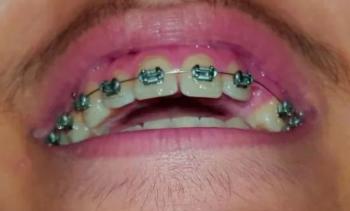
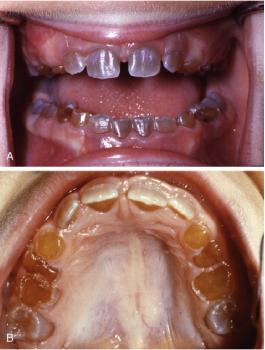
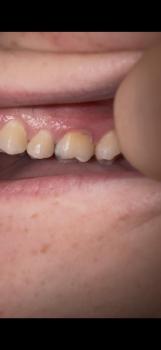
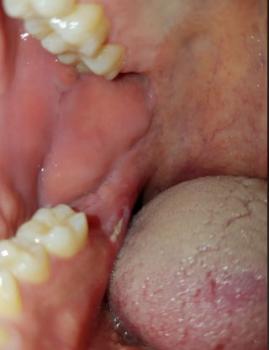
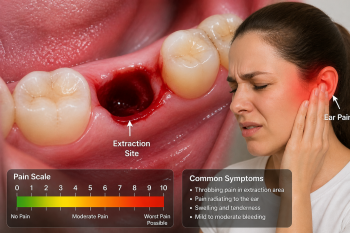
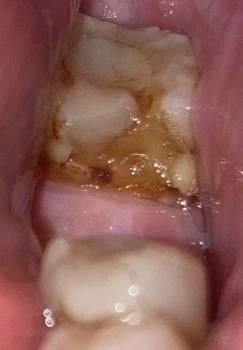
Patients with lower front gum inflammation may also experience tartar buildup, periodontal disease, gum abscesses, or tooth decay. Explore these related clinical case studies.

Other topics:
Other Dental Clinic