Because Every Tooth Deserves Care.

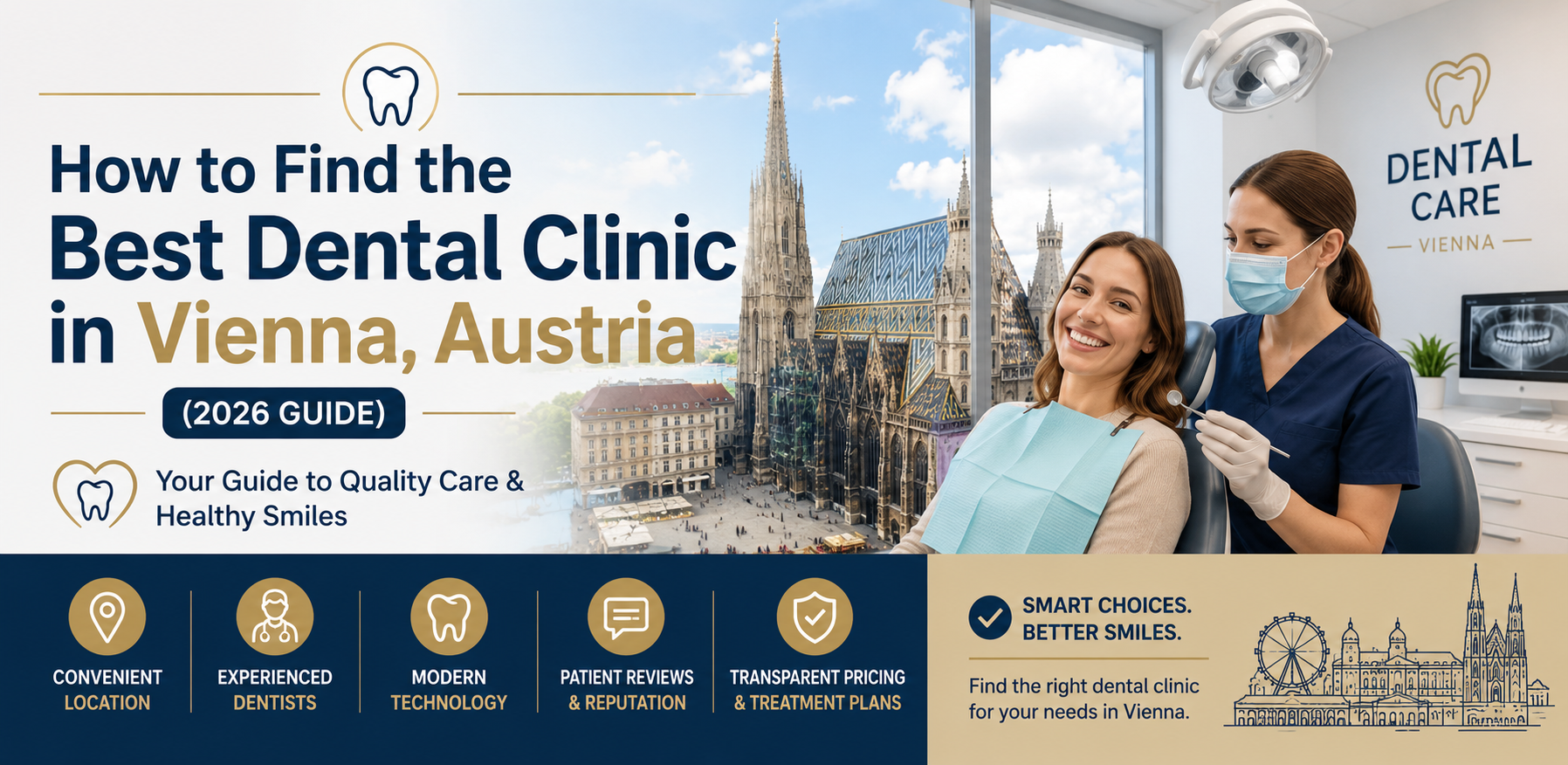
How to Find the Best Dental Clinic in Vienna, Austria (2026 Guide)
Language :
Topics:
Vienna is widely recognized as one of Europe's most livable cities, renowned for its exceptional healthcare infrastructure, highly trained medical professionals, and strong public health system. Dentistry in Vienna reflects these same standards, offering patients access to both publicly funded dental services and a sophisticated network of private dental clinics equipped with advanced technologies and specialized expertise.
Whether you are an Austrian resident seeking a new family dentist, an expatriate navigating the healthcare system, or an international patient considering treatment in Austria, selecting the right dental clinic requires careful evaluation. Factors such as professional qualifications, treatment philosophy, available technology, communication style, treatment costs, insurance coverage, and long-term follow-up care all play important roles in determining whether a clinic is the right fit for your needs.
As a dental professional who frequently advises patients on international dental care options, I often emphasize that choosing a dental clinic should involve much more than comparing prices alone. Quality of care, clinical experience, and patient-centered communication often have a greater impact on treatment outcomes than cost considerations.
This guide explores how Vienna's dental system works, what differentiates public and private dental care, how to evaluate clinics effectively, and what financial factors patients should consider before beginning treatment.
Understanding Vienna's Dental Care System
Austria operates a mixed healthcare model that combines public insurance-supported services with a substantial private healthcare sector.
The dental system in Vienna generally falls into two categories:
Kassenarzt (Public Contract Dentists)
These dentists have contractual agreements with Austrian public health insurance providers, including the Österreichische Gesundheitskasse (ÖGK).
Patients insured through the public healthcare system can receive many medically necessary dental treatments at reduced costs or with minimal out-of-pocket expenses.
Common publicly covered services include:
- Routine examinations
- Preventive care
- Dental fillings
- Root canal treatment
- Tooth extractions
- Emergency dental treatment
- Basic periodontal care
Because these providers serve a large patient population, they may experience higher demand and longer appointment wait times.
Wahlarzt (Private Dentists)
Private dentists operate independently from public insurance contracts.
Patients pay directly for services, although partial reimbursement may be available in certain cases.
Private clinics often offer:
- Greater scheduling flexibility
- Shorter waiting periods
- Extended consultation times
- Advanced cosmetic dentistry
- Dental implants
- Digital dentistry
- Premium restorative materials
- Comprehensive treatment planning
Many patients choose private clinics because they prioritize convenience, personalized attention, and access to advanced treatment options.
Why Vienna Is Considered a Leading Dental Destination
Vienna has become increasingly attractive for both domestic and international dental patients.
Several factors contribute to this reputation.
Highly Educated Dental Professionals
Austrian dentists undergo extensive education and clinical training.
Many practitioners continue their professional development through:
- International conferences
- Postgraduate programs
- Specialized certifications
- Advanced implantology training
- Cosmetic dentistry education
Patients often benefit from treatment approaches aligned with contemporary European standards.
Strong Regulatory Standards
Dental professionals in Austria operate within a highly regulated healthcare environment.
These regulations govern:
- Infection control
- Clinical safety
- Professional ethics
- Continuing education
- Patient protection
Strong oversight helps maintain high standards across both public and private sectors.
Advanced Technology Adoption
Many private clinics in Vienna have invested heavily in digital dentistry.
Modern technologies frequently include:
- Intraoral scanners
- Cone Beam Computed Tomography (CBCT)
- Digital smile design
- CAD/CAM restorations
- 3D surgical guides
- Laser dentistry
These tools improve diagnostic accuracy, treatment precision, and patient comfort.
How to Evaluate a Dental Clinic in Vienna
Choosing a clinic involves assessing several key quality indicators.
Patients should avoid making decisions based solely on advertising or pricing.
Evaluate Dentist Qualifications
One of the most important factors is the clinician's education, experience, and professional background.
Questions worth asking include:
- Where was the dentist trained?
- Do they have postgraduate certifications?
- How many years of clinical experience do they have?
- Do they focus on specific treatment areas?
- Do they regularly attend continuing education programs?
Experienced clinicians often possess stronger diagnostic skills and are better equipped to manage complex cases.
Consider Specialized Expertise
Complex treatments frequently require advanced training.
Examples include:
Implant Dentistry
Implant placement requires surgical expertise and detailed treatment planning.
Look for dentists with substantial implant experience and documented case histories.
Orthodontics
Patients seeking braces or clear aligners should evaluate orthodontic credentials specifically.
Endodontics
Root canal treatment can be significantly enhanced when performed by clinicians using microscopes and advanced imaging.
Prosthodontics
Complex rehabilitation involving crowns, bridges, and dentures may benefit from specialist-level expertise.
Examine Clinic Technology
Technology does not replace clinical skill, but it can significantly improve outcomes.
Modern clinics may offer:
Digital Impressions
Traditional impression materials can be uncomfortable.
Digital scanners provide:
- Greater patient comfort
- Improved accuracy
- Faster laboratory workflows
CBCT Imaging
Three-dimensional imaging is particularly valuable for:
- Implant planning
- Wisdom tooth surgery
- Root canal diagnosis
- Bone assessment
CBCT scans often improve treatment predictability.
CAD/CAM Dentistry
Computer-aided design and manufacturing systems enable:
- Same-day crowns
- Faster restorations
- Improved precision
- Reduced laboratory delays
Patients seeking restorative treatment may benefit substantially from these technologies.
Assess Communication Quality
Research consistently demonstrates that communication is a critical component of healthcare quality.
The best dental clinics prioritize patient engagement throughout the treatment process.
A high-quality consultation should include:
- Clear explanations
- Discussion of alternatives
- Transparent risk disclosure
- Cost transparency
- Patient involvement in decisions
Patients should never feel pressured into treatment.
Importance of Treatment Planning
Comprehensive treatment planning separates exceptional clinics from average providers.
Rather than focusing on individual procedures, quality dentists evaluate overall oral health.
A thorough treatment plan should address:
- Existing dental problems
- Future risks
- Long-term maintenance
- Financial considerations
- Alternative treatment options
This holistic approach often results in better long-term outcomes.
Evaluating Dental Implants in Vienna
Dental implants represent one of the most significant investments patients make.
Consequently, clinic selection becomes particularly important.
Questions to Ask
Patients considering implants should inquire about:
- Implant brand
- Success rates
- Bone grafting capabilities
- Surgical experience
- Maintenance protocols
- Warranty policies
Clinics with extensive implant experience typically have stronger protocols for managing complications and ensuring long-term success.
Cosmetic Dentistry Considerations
Vienna offers numerous options for aesthetic dental treatments.
Popular procedures include:
- Porcelain veneers
- Teeth whitening
- Smile makeovers
- Composite bonding
- Ceramic crowns
When evaluating cosmetic clinics, request:
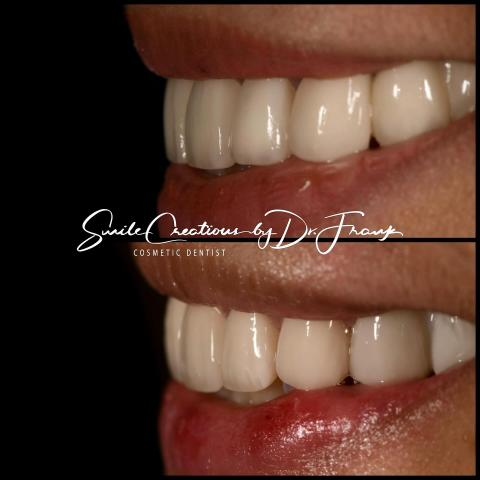
- Before-and-after photographs
- Material information
- Expected longevity
- Maintenance requirements
Aesthetic treatment should balance appearance with long-term oral health.
Importance of Hygiene and Infection Control
Patients often overlook infection control when evaluating clinics.
However, it remains one of the most important quality indicators.
Observe whether the clinic demonstrates:
- Clean treatment rooms
- Proper instrument sterilization
- Disposable protective barriers
- Modern infection-control protocols
- Professional organization
A commitment to hygiene reflects overall attention to detail.
Reading Patient Reviews Wisely
Online reviews can provide valuable insights but should be interpreted carefully.
Look for recurring themes regarding:
- Professionalism
- Communication
- Treatment outcomes
- Transparency
- Appointment management
Avoid placing too much emphasis on isolated negative reviews.
Instead, evaluate overall trends across multiple platforms.
University-Based Dental Care in Vienna
The University Clinic of Dentistry in Vienna is an important institution within Austria's dental healthcare system.
Benefits may include:
- Access to specialists
- Complex case management
- Advanced treatment options
- Academic oversight
- Emergency services
University-affiliated facilities often serve as referral centers for challenging cases.
Understanding Dental Costs in Vienna
Dental fees vary substantially depending on:
- Treatment complexity
- Materials used
- Provider type
- Clinic location
- Specialist involvement
Understanding these variables helps patients make informed decisions.
Public Dental Care Costs
Patients receiving treatment from contracted public dentists often pay little or nothing for covered services.
Covered treatments generally include:
- Examinations
- Preventive care
- Standard fillings
- Root canals
- Extractions
Coverage depends on individual insurance status and treatment necessity.
Private Dental Care Costs
Private clinics establish their own fee structures.
Approximate ranges may include:
Dental Examination
€70–€200
Professional Cleaning
€80–€180
Composite Filling
€120–€350
Root Canal Treatment
€400–€1,500+
Crown
€700–€1,800
Dental Implant
€2,000–€4,500+
Veneer
€700–€1,500 per tooth
Costs vary significantly depending on materials and complexity.
Requesting Written Cost Estimates
Before committing to major treatment, patients should request detailed written estimates.
The document should include:
- Diagnosis
- Treatment plan
- Material specifications
- Laboratory fees
- Estimated timeline
- Total costs
Written estimates protect both patients and providers by establishing clear expectations.
Insurance Reimbursement for Private Treatment
Patients often assume private treatment receives no reimbursement.
This is not always the case.
If treatment would normally qualify under public insurance, patients may submit documentation for reimbursement consideration.
The reimbursement amount is typically based on public fee schedules rather than private charges.
As a result, reimbursement may cover only a portion of total expenses.
Accessibility and Convenience
Location remains an important practical consideration.
Factors include:
- Public transportation access
- Parking availability
- Office hours
- Emergency availability
- Appointment flexibility
However, many patients willingly travel farther to access higher-quality care.
Research suggests that patients frequently bypass nearby providers when they perceive superior quality elsewhere.
Dental Tourism in Vienna
Although Austria is not traditionally considered a low-cost dental tourism destination, Vienna attracts patients seeking high-quality care.
International patients often value:
- European healthcare standards
- Advanced technology
- Multilingual staff
- Strong safety regulations
Many clinics offer services in:
- English
- German
- Italian
- Russian
- French
- Other languages
This accessibility enhances Vienna's appeal for international visitors.
Red Flags When Choosing a Dental Clinic
Patients should proceed cautiously when encountering:
- Extremely low pricing
- Lack of written treatment plans
- Pressure sales tactics
- Unclear qualifications
- Poor communication
- Limited diagnostic evaluation
Quality dentistry requires careful planning and realistic pricing.
Offers that appear too good to be true often warrant closer examination.
Questions to Ask During Your Consultation
Before selecting a clinic, consider asking:
- What treatment options are available?
- What are the advantages and disadvantages of each?
- How long will treatment take?
- What technology will be used?
- What experience does the dentist have with similar cases?
- What complications are possible?
- What maintenance is required?
- What are the total costs?
- Is financing available?
- What follow-up care is included?
The quality of responses often reveals the clinic's commitment to patient-centered care.
How Residents and International Patients Differ
Residents often prioritize:
- Insurance compatibility
- Long-term maintenance
- Convenience
- Ongoing relationships
International patients may focus more heavily on:
- Treatment quality
- Travel logistics
- Language support
- Comprehensive treatment packages
Understanding your own priorities helps narrow clinic choices effectively.
Final Thoughts
Finding the right dental clinic in Vienna involves balancing clinical quality, financial considerations, convenience, and personal comfort. Austria's dual healthcare system provides patients with access to both publicly funded dental services and an extensive network of private clinics offering advanced treatment options.
The best clinic for one patient may not be the best choice for another. Some individuals prioritize insurance coverage and affordability, while others seek cutting-edge technology, specialist expertise, or highly personalized care. Regardless of your priorities, careful research, consultation, and comparison are essential.
Focus on professional qualifications, communication quality, treatment planning standards, technology adoption, hygiene protocols, and cost transparency. Request written estimates, understand reimbursement options, and take time to evaluate your choices before proceeding with significant treatment.
By approaching the selection process thoughtfully, patients can confidently choose a dental clinic in Vienna that supports both their oral health goals and long-term well-being.
Can tooth extraction cause infection? Mild inflammation is normal, but increasing swelling, fever, or severe pain may indicate infection. Learn more about post-extraction infection warning signs in this detailed guide.
Book a consultation with our Cebu dental specialists for proper evaluation and care.
Ready to get expert guidance?
If you’re experiencing severe pain or delayed healing, book a consultation with our Cebu dental specialists to get proper evaluation and care.
Consultation or contact page .
Book a Consultation
For severe discomfort or delayed healing, book a consultation with our Cebu dental specialists today.
Looking for a dentist? Browse our Cebu dental directory to find trusted clinics near you.
Medical Review and Clinical Basis
This article is based on clinical dental guidelines and real patient recovery patterns observed after tooth extraction procedures. The information reflects common post-extraction healing stages, including normal clot formation, gum tissue repair, and signs of possible complications such as dry socket or infection.
While mild discomfort is expected after a dental extraction, worsening pain after Day 3, bad odor, exposed bone, or spreading pain may require professional evaluation. These symptoms are consistent with known post-extraction complications described in standard dental practice.
About Cebu Dental Implants
Cebu Dental Implants provides comprehensive tooth extraction, surgical procedures, and dental implant services in the Philippines. Our team evaluates post-extraction healing, manages complications such as dry socket, and advises patients on proper aftercare to prevent infection and delayed healing.
If you experience severe pain or unusual symptoms after extraction, early professional assessment is recommended to prevent further complications.
Important Medical Disclaimer
This content is for educational purposes only and does not replace professional dental diagnosis. Every patient heals differently. If symptoms worsen or do not improve within a few days, consult a licensed dentist for proper evaluation and treatment.
Author
This article was prepared by the Cebu Dental Implants content team in consultation with licensed dental professionals experienced in tooth extraction and implant procedures.
Related Clinical Cases
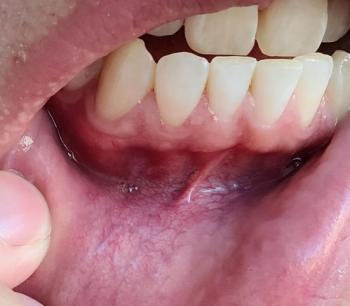
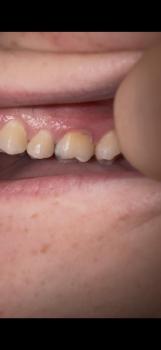
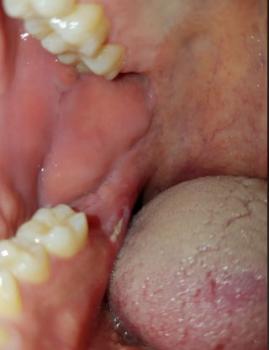
Patients with lower front gum inflammation may also experience tartar buildup, periodontal disease, gum abscesses, or tooth decay. Explore these related clinical case studies.

Other topics:
Other Dental Clinic
 |
 |
 |
 |