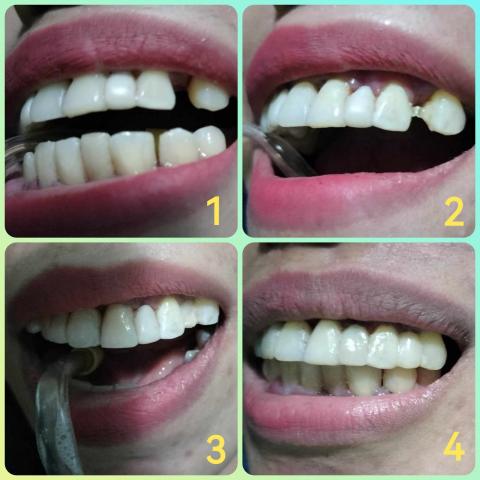
Transforming Smiles, Restoring Confidence.

Dental Implants Cost Australia vs Philippines: The Hidden Truth Behind Saving Money Overseas
Language :
Topics:
I Thought One Missing Tooth Didn't Matter — Until It Changed My Smile, My Confidence, and My Wallet
Have you ever lost a tooth and told yourself:
"It's only one tooth."
"Nobody can see it anyway."
"I'll replace it later when I have more money."
"I'm too busy right now."
If so, you're not alone.
Every year, thousands of Australians postpone replacing a missing tooth. Some delay for months. Others wait for years. Many never realize that what seems like a small dental issue today can slowly develop into a much bigger—and much more expensive—problem in the future.
A missing tooth is rarely just a cosmetic concern. It affects how you chew, how your jawbone functions, how neighboring teeth behave, and ultimately how much treatment you may need later.
For many people, the decision often comes down to cost. Dental implants in Australia can be expensive, leading some patients to explore lower-cost options overseas, particularly in the Philippines.
But before making a decision, it's important to understand not only the price difference but also the long-term considerations that come with dental tourism.
This guide explores why people ignore missing teeth, what happens when they do, and the real factors to consider when comparing dental implants in Australia versus the Philippines.
Why Many People Ignore a Missing Tooth
The reality is that most people do not intentionally neglect their oral health.
Life simply gets in the way.
1. Cost Concerns
Cost is the number one reason many people postpone treatment.
When an Australian patient hears that a dental implant may cost several thousand dollars, their immediate reaction is often shock.
Questions begin flooding their mind:
-
Can I really afford this right now?
-
Isn't there a cheaper solution?
-
Can I wait another year?
-
What if nothing bad happens?
The temptation to delay treatment becomes very strong.
Many people choose to "monitor" the situation, hoping that because there is no pain, there is no urgency.
Unfortunately, the absence of pain does not mean the absence of damage.
Bone loss can begin shortly after tooth loss, often progressing silently without noticeable symptoms.
2. Busy Lifestyles
Modern life is hectic.
People are balancing:
-
Careers
-
Businesses
-
Family responsibilities
-
Children
-
Travel commitments
-
Financial pressures
Scheduling dental treatment often falls to the bottom of the priority list.
A missing tooth may seem harmless compared to more immediate concerns.
Weeks become months.
Months become years.
Before long, what could have been a straightforward implant case may now require additional procedures such as bone grafting or sinus lifting.
3. Fear of Dental Procedures
Dental anxiety affects millions of people worldwide.
Even adults who successfully attend routine checkups may feel nervous about oral surgery.
Some fears include:
-
Fear of pain
-
Fear of needles
-
Fear of complications
-
Fear of the unknown
-
Previous negative dental experiences
These emotions can lead patients to avoid consultations altogether.
Ironically, delaying treatment often results in more extensive procedures later.
4. Thinking One Tooth Doesn't Matter
This is perhaps the most common misconception.
People assume:
"It's just one tooth."
"I can chew on the other side."
"Nobody can see it."
"I still have most of my teeth."
Unfortunately, the mouth does not work that way.
Every tooth plays a role.
When one tooth disappears, the entire system begins adapting.
Neighboring teeth may shift.
Opposing teeth may over-erupt.
Chewing forces become uneven.
Jawbone stimulation decreases.
Over time, these changes can create a domino effect throughout the mouth.
What Happens After Losing a Tooth?
Many patients are surprised to learn that tooth loss affects the bone itself.
Your jawbone remains healthy because teeth stimulate it during chewing.
Every bite sends signals through the tooth roots into the surrounding bone.
When a tooth is lost, that stimulation disappears.
The body begins resorbing the unused bone.
In simple terms:
The jawbone starts shrinking.
This process is known as bone resorption.
The longer a tooth remains missing, the greater the potential bone loss.
The First Few Months
During the early healing phase:
-
The extraction site closes.
-
Soft tissue heals.
-
Initial bone remodeling begins.
Everything may appear normal.
The patient often assumes the problem is solved.
However, significant biological changes are occurring beneath the surface.
One Year Later
Within the first year, noticeable bone reduction can occur.
Patients may not see it immediately, but dentists can identify it through X-rays and scans.
The surrounding support structures begin changing shape.
Several Years Later
After several years, complications may include:
-
Significant jawbone loss
-
Shifting teeth
-
Bite problems
-
Difficulty chewing
-
Facial appearance changes
-
More complex implant treatment requirements
This is why dentists often encourage patients to explore replacement options sooner rather than later.
Why Dental Implants Are Considered the Gold Standard
Dental implants are currently considered one of the most effective solutions for replacing missing teeth.
Unlike removable dentures or bridges, implants replace both:
-
The visible tooth
-
The missing tooth root
The implant acts as an artificial root that integrates with the jawbone.
This helps preserve bone while providing stability and function.
Benefits often include:
-
Natural appearance
-
Strong chewing ability
-
Long-term durability
-
Bone preservation
-
No impact on neighboring healthy teeth
For many patients, implants feel remarkably similar to natural teeth.
Dental Implants Cost Australia vs Philippines
One reason dental tourism has become increasingly popular is the significant difference in treatment costs.
Australia
A single dental implant commonly ranges between:
AUD $3,000 to $5,000+
This typically includes:
-
Professional consultation
-
Diagnostic imaging
-
Surgical placement
-
High-quality implant components
-
Clinical overheads
-
Regulatory compliance
-
Follow-up care
Australia maintains strict regulatory and infection-control standards.
These standards contribute to treatment costs but also provide patients with strong protections.
Philippines
Dental implant treatment in the Philippines often starts around:
AUD $1,200 to $2,000
This lower pricing attracts many international patients seeking affordable care.
Potential savings can be substantial, particularly for patients requiring multiple implants or full-mouth rehabilitation.
However, focusing solely on the initial price may not provide the complete picture.
The Real Cost of Dental Tourism
A lower treatment quote does not always equal lower total cost.
When evaluating overseas treatment, patients should consider the entire journey.
Travel Expenses
Additional expenses may include:
-
Airfare
-
Hotels
-
Transportation
-
Meals
-
Travel insurance
-
Lost income from time off work
These costs can add up quickly.
Multiple Visits
Dental implants are rarely completed in a single appointment.
Treatment often involves multiple stages:
Stage 1
Assessment and planning
Stage 2
Extractions if required
Stage 3
Implant placement surgery
Stage 4
Healing and osseointegration
Stage 5
Final crown placement
Depending on the treatment plan, multiple trips may be necessary.
Bone Grafting Considerations
Many patients do not realize they need additional procedures until after evaluation.
One of the most common examples is bone grafting.
Bone grafting may be recommended when there is insufficient bone volume to support an implant safely.
This can increase:
-
Treatment time
-
Treatment complexity
-
Travel requirements
-
Overall cost
Understanding Long-Term Care
One of the biggest factors often overlooked by dental tourists is long-term support.
Dental implants are not simply purchased and forgotten.
They require maintenance, reviews, and sometimes adjustments.
What Happens If a Problem Occurs?
Although implant success rates are generally high, complications can happen anywhere.
Examples include:
-
Infection
-
Crown loosening
-
Implant failure
-
Bite adjustments
-
Gum-related concerns
If treatment was completed overseas, resolving these issues may become more challenging.
Patients may need to:
-
Return to the original clinic
-
Coordinate remotely
-
Seek local treatment
Each option may involve additional costs.
Why Follow-Up Care Matters
Follow-up appointments allow clinicians to monitor:
-
Healing
-
Bone integration
-
Soft tissue health
-
Bite alignment
-
Crown performance
These reviews can be important for maximizing long-term success.
When treatment is performed close to home, access to ongoing care is often simpler.
Quality and Safety Standards
Australia maintains strict professional and regulatory requirements.
These standards cover areas such as:
-
Sterilization procedures
-
Infection control
-
Equipment maintenance
-
Continuing education
-
Clinical governance
Patients benefit from extensive oversight and accountability.
Are There Good Dentists in the Philippines?
Absolutely.
The Philippines has many highly trained and experienced dental professionals.
Numerous clinics invest heavily in:
-
Modern equipment
-
Advanced technology
-
International training
-
High-quality implant systems
However, standards can vary significantly from clinic to clinic.
This means careful research is essential.
How to Research an Overseas Dental Clinic
Before committing to treatment abroad, consider the following:
Review Credentials
Look into:
-
Dentist qualifications
-
Specialized implant training
-
Professional memberships
-
Continuing education
Examine Reviews Carefully
Read reviews from multiple sources.
Look for:
-
Consistent patient experiences
-
Long-term outcomes
-
Communication quality
-
Aftercare support
Ask About Implant Brands
Not all implant systems are identical.
Ask:
-
Which implant brand is used?
-
Is it internationally recognized?
-
Are replacement components easily available in Australia?
This information can be important if future maintenance becomes necessary.
Discuss Follow-Up Policies
Understand:
-
Warranty terms
-
Repair policies
-
Emergency protocols
-
Communication channels
Having clear answers before treatment can prevent future stress.
The Emotional Cost of Delaying Treatment
Many people focus entirely on financial considerations.
But there is also an emotional cost.
Patients often report:
-
Reduced confidence
-
Avoiding photographs
-
Covering their smile
-
Feeling self-conscious while speaking
-
Difficulty eating favorite foods
These effects can gradually impact quality of life.
The longer the situation persists, the more normal these limitations may feel.
A Common Story Many Patients Share
A patient loses a back tooth.
At first, nothing seems different.
Months pass.
Then years.
Chewing becomes slightly more difficult.
Food starts getting trapped.
Neighboring teeth begin drifting.
The patient finally visits a dentist expecting a simple implant.
Instead, they learn they need:
-
Bone grafting
-
Additional scans
-
More extensive treatment
The cost is now higher than it would have been years earlier.
While every case is unique, this pattern is surprisingly common.
Questions to Ask Before Choosing Overseas Treatment
Before making a decision, ask yourself:
Am I comparing total costs or only treatment fees?
What happens if I need adjustments later?
Will I require multiple trips?
Do I understand the implant system being used?
How easily can I obtain follow-up care?
Have I consulted an Australian dentist first?
The answers can help clarify whether overseas treatment truly represents the best value for your situation.
Why Consulting Locally First Is Important
Even if you ultimately choose treatment overseas, an Australian consultation can be extremely valuable.
A local dentist can provide:
-
Comprehensive examination
-
X-rays and scans
-
Treatment recommendations
-
Assessment of bone availability
-
Discussion of alternatives
This information helps you make an informed comparison.
Making the Right Decision for Your Future
Dental implants are a long-term investment.
While cost is an important factor, it should not be the only factor.
The best decision balances:
-
Budget
-
Quality
-
Safety
-
Convenience
-
Long-term support
-
Personal comfort
For some patients, treatment in Australia offers peace of mind through accessible aftercare and strict regulatory oversight.
For others, carefully researched treatment in the Philippines may provide meaningful cost savings.
The key is making an informed decision rather than focusing solely on the initial quote.
Final Thoughts
Many people ignore a missing tooth because life gets busy.
Some worry about cost.
Others fear treatment.
Many simply believe one missing tooth doesn't matter.
Unfortunately, delaying replacement can allow bone loss and other complications to develop silently over time.
Whether you choose treatment in Australia or explore options in the Philippines, understanding the full picture is essential.
Remember that the cheapest option is not always the least expensive in the long run.
A successful dental implant should not only restore your smile today—it should continue supporting your oral health for many years to come.
If you have a missing tooth, consider scheduling a professional consultation sooner rather than later. The earlier you understand your options, the more choices you may have available, and the more likely you are to preserve the bone and healthy structures that support your smile.
Can tooth extraction cause infection? Mild inflammation is normal, but increasing swelling, fever, or severe pain may indicate infection. Learn more about post-extraction infection warning signs in this detailed guide.
Book a consultation with our Cebu dental specialists for proper evaluation and care.
Ready to get expert guidance?
If you’re experiencing severe pain or delayed healing, book a consultation with our Cebu dental specialists to get proper evaluation and care.
Consultation or contact page .
Book a Consultation
For severe discomfort or delayed healing, book a consultation with our Cebu dental specialists today.
Looking for a dentist? Browse our Cebu dental directory to find trusted clinics near you.
Medical Review and Clinical Basis
This article is based on clinical dental guidelines and real patient recovery patterns observed after tooth extraction procedures. The information reflects common post-extraction healing stages, including normal clot formation, gum tissue repair, and signs of possible complications such as dry socket or infection.
While mild discomfort is expected after a dental extraction, worsening pain after Day 3, bad odor, exposed bone, or spreading pain may require professional evaluation. These symptoms are consistent with known post-extraction complications described in standard dental practice.
About Cebu Dental Implants
Cebu Dental Implants provides comprehensive tooth extraction, surgical procedures, and dental implant services in the Philippines. Our team evaluates post-extraction healing, manages complications such as dry socket, and advises patients on proper aftercare to prevent infection and delayed healing.
If you experience severe pain or unusual symptoms after extraction, early professional assessment is recommended to prevent further complications.
Important Medical Disclaimer
This content is for educational purposes only and does not replace professional dental diagnosis. Every patient heals differently. If symptoms worsen or do not improve within a few days, consult a licensed dentist for proper evaluation and treatment.
Author
This article was prepared by the Cebu Dental Implants content team in consultation with licensed dental professionals experienced in tooth extraction and implant procedures.
Video:
Related Clinical Cases
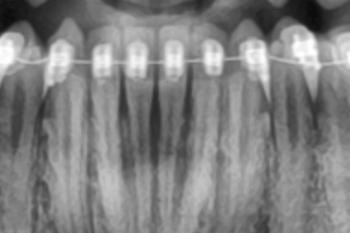
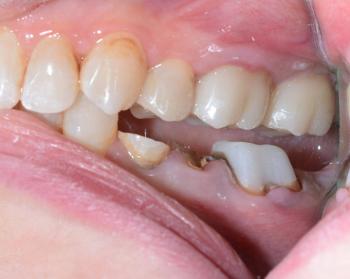
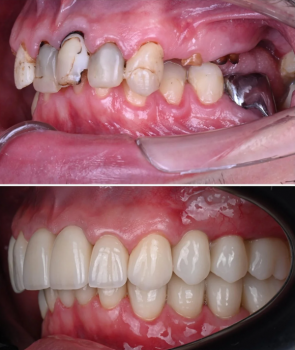
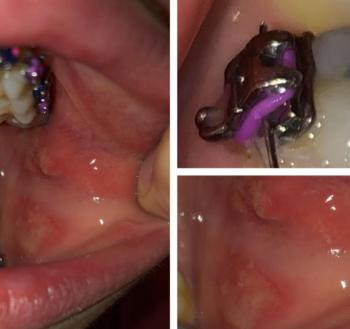
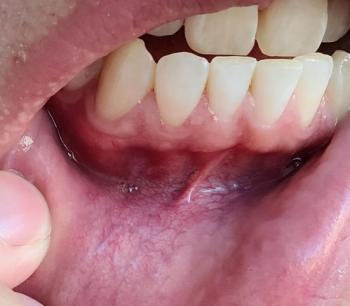
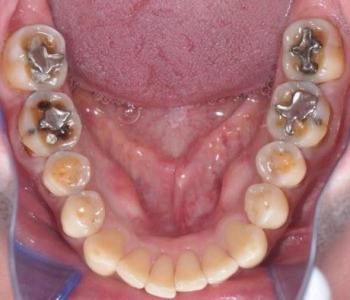
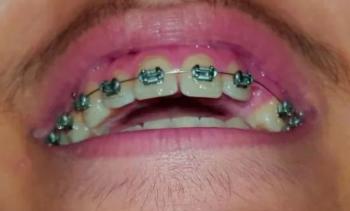
Patients with lower front gum inflammation may also experience tartar buildup, periodontal disease, gum abscesses, or tooth decay. Explore these related clinical case studies.
Other topics:
Other Dental Clinic