Where Bright Smiles Begin.

How Much Does an Emergency Tooth Extraction Cost in Australia? 2026 Price Guide
Language :
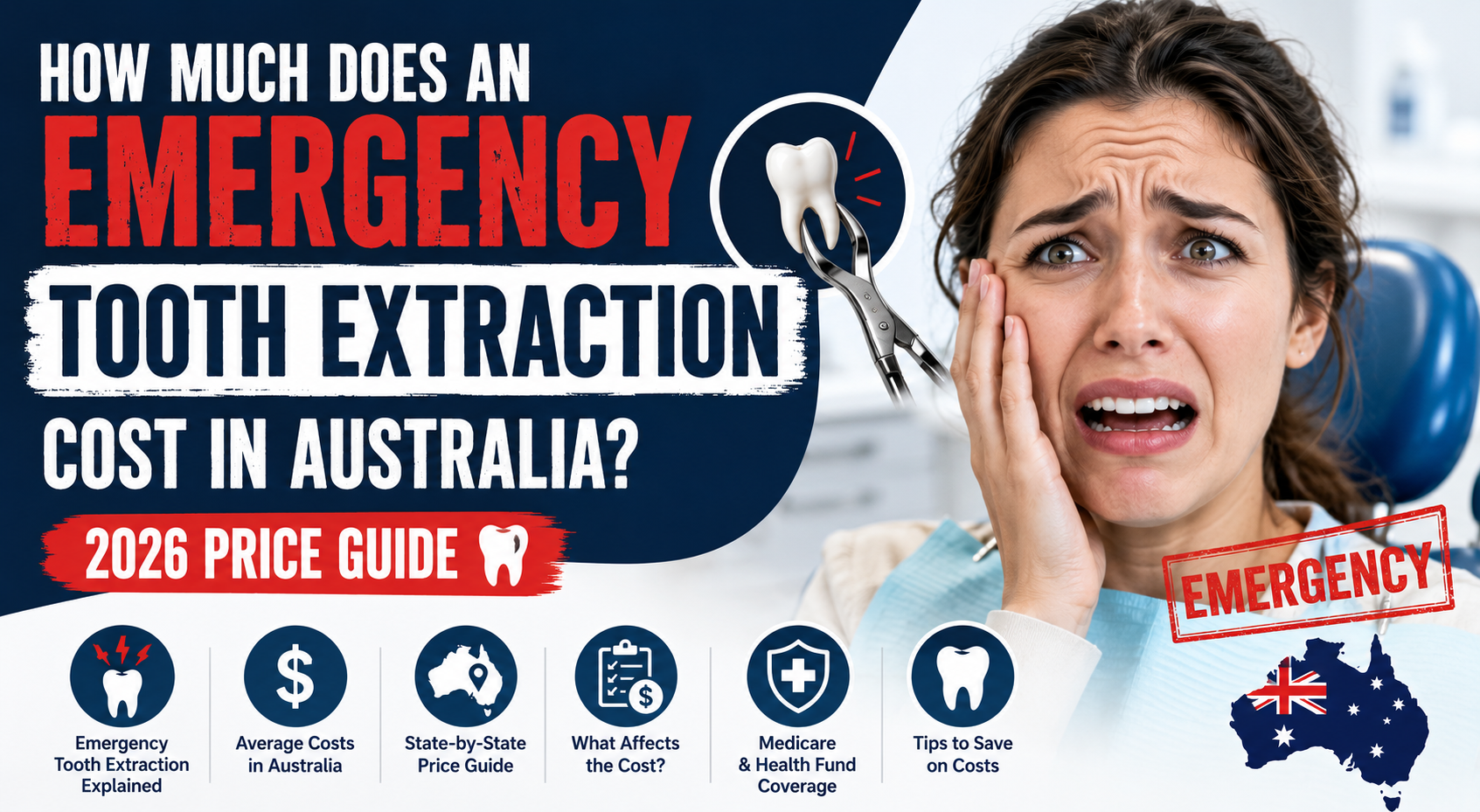
"I Couldn't Sleep, I Couldn't Think, and I Was Terrified of the Cost" — The Real Cost of an Emergency Tooth Extraction in Australia (2026 Guide)
A Panic-Stricken Patient's Story About Tooth Pain, Emergency Dental Visits, and Unexpected Costs
It was 2:17 in the morning.
I know the exact time because I had been staring at the clock for hours.
My tooth wasn't just hurting.
It was throbbing.
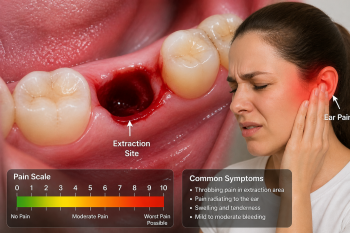
The pain seemed to travel through my jaw, into my ear, and up the side of my face.
Every time I thought I might finally fall asleep, another sharp pulse would shoot through my mouth.
I tried everything.
Pain relievers.
Saltwater rinses.
Cold compresses.
Walking around the house.
Watching television to distract myself.
Nothing worked.
As the night dragged on, another thought began racing through my mind:
"How much is this going to cost?"
If you've found this article while dealing with severe tooth pain, I understand the panic.
When a dental emergency strikes, most people aren't thinking clearly.
They're worried about the pain.
They're worried about missing work.
They're worried about finding a dentist.
And they're worried about the bill.
The good news is that understanding the costs before you arrive at the clinic can reduce some of the uncertainty and help you make informed decisions during a stressful situation.
Dental Emergencies Never Happen at Convenient Times
Have you ever noticed that dental emergencies seem to happen at the worst possible moments?
Friday evening.
Public holidays.
Family vacations.
Long weekends.
The night before an important presentation.
Dental pain rarely checks your schedule first.
That is one reason emergency dental treatment often feels so overwhelming.
Patients aren't prepared emotionally, physically, or financially.
Most people don't keep an "emergency tooth extraction fund" sitting in their bank account.
When Tooth Pain Becomes an Emergency
Not every toothache requires an extraction.
In fact, many painful teeth can potentially be saved.
However, there are situations where urgent treatment becomes necessary.
Examples include:
-
Severe tooth infection
-
Broken tooth beyond repair
-
Advanced gum disease
-
Impacted wisdom teeth
-
Dental trauma
-
Cracked teeth with extensive damage
When these situations occur, immediate assessment is often necessary.
The dentist's first priority is identifying the cause of the pain.
Only then can an appropriate treatment plan be developed.
The First Panic: "Can They Save My Tooth?"
One of the biggest fears patients experience isn't the extraction itself.
It's the possibility of losing the tooth.
Many people arrive hoping:
"Please tell me it can be fixed."
Sometimes it can.
Sometimes it cannot.
A dentist will evaluate:
-
The condition of the tooth
-
The surrounding bone
-
The extent of infection
-
The likelihood of long-term success
In some situations, extraction may actually be the most predictable and safest option.
How Much Does an Emergency Tooth Extraction Cost in Australia?
This is usually the first question patients ask.
The honest answer is:
It depends.
The final cost varies according to complexity, timing, and the type of extraction required.
Simple Tooth Extraction Costs
For a straightforward extraction, patients can generally expect costs ranging from:
$200 to $600 per tooth
These cases usually involve:
-
Fully visible teeth
-
Minimal complications
-
Simple removal techniques
-
Local anaesthetic
The procedure is often relatively quick compared with surgical extractions.
Surgical Extraction Costs
More complicated cases may require surgical removal.
Typical costs range from:
$400 to $1,200+ per tooth
These procedures may involve:
-
Impacted teeth
-
Broken roots
-
Wisdom teeth
-
Bone removal
-
Surgical flaps
-
Stitches
Naturally, greater complexity often means higher fees.
The Cost That Surprises Many Patients
One of the biggest shocks for first-time emergency patients is discovering that the consultation is often separate from the extraction.
Many people assume the quoted extraction price includes everything.
That is not always the case.
Emergency Consultation Fees
An emergency dental consultation may cost approximately:
$200 to $500
This appointment often includes:
-
Clinical examination
-
Diagnosis
-
Treatment planning
-
Pain assessment
-
Discussion of options
The consultation allows the dentist to determine exactly what is causing the problem before proceeding.
Why Dentists Can't Always Quote a Price Immediately
Patients sometimes call clinics asking:
"How much to pull a tooth?"
The challenge is that the dentist doesn't yet know:
-
Which tooth is involved
-
Whether the tooth is fractured
-
Whether infection is present
-
Whether roots are complicated
-
Whether surgery is required
Without an examination, providing an exact fee would be impossible.
This is why consultations are often necessary first.
The Nightmare Scenario: Weekend Tooth Pain
For many Australians, the most stressful situation occurs when pain develops outside normal business hours.
Saturday night.
Sunday afternoon.
Christmas Day.
Easter weekend.
These situations frequently involve additional charges.
After-Hours Surcharges
Emergency dental clinics commonly charge after-hours fees ranging from:
$100 to $300 additional
This surcharge may apply to:
-
Evenings
-
Weekends
-
Public holidays
-
Urgent same-day appointments
While nobody enjoys paying extra, after-hours services require staffing and availability when most clinics are closed.
Understanding Your Final Bill
Many patients focus only on extraction fees.
However, the final invoice may include several components.
Understanding these in advance helps reduce surprises.
Diagnostic Imaging
Dentists often require imaging before treatment.
This helps them understand:
-
Root structure
-
Bone levels
-
Infection extent
-
Nerve proximity
Depending on complexity, imaging may include:
-
Standard dental X-rays
-
Panoramic imaging
-
3D CBCT scans
Advanced imaging generally increases overall costs but may significantly improve treatment planning.
Why X-Rays Are So Important
When you're in pain, it may feel obvious that the tooth should simply be removed.
However, dental problems are rarely that straightforward.
An X-ray can reveal:
-
Hidden infections
-
Fractured roots
-
Bone defects
-
Impacted teeth
-
Anatomical complications
Skipping imaging may increase procedural risks.
Local Anaesthetic: Usually Included
Most simple extractions are performed using local anaesthetic.
This numbs the treatment area while allowing the patient to remain awake.
For many people, this is sufficient.
The procedure itself is often less uncomfortable than they anticipated.
The pressure sensation may feel unusual, but pain is generally managed effectively.
When Sedation Becomes Necessary
Some patients experience severe anxiety.
Others require complex surgical procedures.
In these situations, additional sedation options may be recommended.
IV Sedation
Intravenous sedation helps patients feel deeply relaxed during treatment.
Benefits may include:
-
Reduced anxiety
-
Improved comfort
-
Limited memory of the procedure
However, sedation introduces additional costs.
Hospital-Based General Anaesthesia
Some surgical cases require treatment in a hospital setting under general anaesthesia.
Patients are completely asleep during the procedure.
While appropriate in certain situations, costs can increase significantly.
Hospital and anaesthetist fees may add:
$1,000 to $2,500+
or more depending on the circumstances.
Why Wisdom Teeth Often Cost More
Many patients assume every extraction is the same.
Wisdom teeth often prove otherwise.
These teeth can present unique challenges including:
-
Impacted positions
-
Curved roots
-
Limited access
-
Proximity to nerves
The more difficult the extraction, the more time and expertise required.
The Emotional Side of Emergency Dentistry
Most people don't budget for emergency dental treatment.
As a result, panic often extends beyond the pain itself.
Common thoughts include:
"How will I pay for this?"
"Can I afford treatment today?"
"What if I need surgery?"
"What if I need multiple teeth removed?"
These worries are entirely understandable.
The combination of pain and financial uncertainty can feel overwhelming.
Private Health Insurance: Can It Help?
If you have private health insurance with Extras Cover, you may receive rebates for certain dental services.
However, coverage varies significantly.
Patients should review:
-
Annual limits
-
Waiting periods
-
Benefit percentages
-
Preferred provider arrangements
Not all policies provide identical benefits.
Preferred Providers May Reduce Costs
Some insurers have agreements with specific dental clinics.
Using these providers may reduce out-of-pocket expenses.
Before booking treatment, it may be worthwhile checking:
-
Whether the clinic participates
-
What benefits apply
-
What gap payment remains
Small savings can make a meaningful difference during emergencies.
Payment Plans: A Lifeline for Some Patients
When facing an unexpected bill, payment plans may help.
Many Australian clinics work with providers such as:
-
Afterpay
-
Zip
-
Humm
These arrangements can spread treatment costs over time.
For patients experiencing immediate pain but limited cash flow, this option can provide valuable flexibility.
Questions to Ask Before Agreeing to a Payment Plan
Before signing any finance agreement, ask:
-
What is the total repayment amount?
-
Are there fees?
-
Are there penalties for missed payments?
-
Is interest charged?
Understanding the full commitment is important.
Public Dental Services for Eligible Patients
Some Australians may qualify for public dental services.
Eligibility often includes holders of:
-
Health Care Cards
-
Pensioner Concession Cards
-
Commonwealth Seniors Health Cards
State and territory programs vary.
Emergency treatment may sometimes be prioritised.
The Challenge of Public Waiting Lists
Public dental care provides essential support.
However, demand can be substantial.
Waiting times may vary depending on:
-
Location
-
Staffing levels
-
Urgency
-
Available resources
Patients experiencing severe pain should contact local public health services directly to understand available options.
What Happens During the Extraction Appointment?
Many anxious patients fear the unknown more than the procedure itself.
Typically, the process involves:
-
Examination
-
Imaging
-
Anaesthetic administration
-
Tooth removal
-
Post-operative instructions
-
Follow-up planning
Knowing what to expect often reduces anxiety.
Recovery After Extraction
Healing varies between individuals.
Most patients experience:
-
Mild swelling
-
Minor discomfort
-
Temporary dietary restrictions
Dentists commonly provide instructions regarding:
-
Oral hygiene
-
Eating habits
-
Activity levels
-
Medication use
Following these instructions carefully may improve healing outcomes.
The Bigger Question: What Happens After the Tooth Is Removed?
Many patients feel immediate relief once the painful tooth is gone.
However, another decision eventually follows.
Should the missing tooth be replaced?
Potential options may include:
-
Dental implants
-
Bridges
-
Partial dentures
Not every extraction requires immediate replacement, but discussing future options with your dentist is often worthwhile.
A Lesson Many Patients Learn Too Late
One of the most common comments from patients is:
"I wish I'd dealt with this sooner."
Small problems rarely stay small forever.
A cavity may become an infection.
A crack may become a fracture.
A manageable issue may eventually become an emergency.
Routine examinations often identify concerns before they reach crisis point.
Final Thoughts
When you're sitting awake at 2 a.m. with severe tooth pain, cost is often the last thing you want to think about.
Unfortunately, financial concerns are a reality for many Australians facing emergency dental treatment.
Understanding the likely costs of consultations, extractions, imaging, sedation, and after-hours care can help reduce uncertainty during a stressful time.
Most importantly, remember that every case is unique.
The final treatment plan should be based on clinical need, not fear or panic.
If you're currently experiencing severe dental pain, seeking professional assessment as soon as possible is often the safest course of action.
The sooner the problem is diagnosed, the sooner you can move from panic and uncertainty toward relief, recovery, and peace of mind.
Because when a toothache becomes unbearable, what most people want isn't a perfect smile.
It's simply the chance to sleep, eat, smile, and live comfortably again.
Can tooth extraction cause infection? Mild inflammation is normal, but increasing swelling, fever, or severe pain may indicate infection. Learn more about post-extraction infection warning signs in this detailed guide.
Book a consultation with our Cebu dental specialists for proper evaluation and care.
Ready to get expert guidance?
If you’re experiencing severe pain or delayed healing, book a consultation with our Cebu dental specialists to get proper evaluation and care.
Consultation or contact page .
Book a Consultation
For severe discomfort or delayed healing, book a consultation with our Cebu dental specialists today.
Looking for a dentist? Browse our Cebu dental directory to find trusted clinics near you.
Medical Review and Clinical Basis
This article is based on clinical dental guidelines and real patient recovery patterns observed after tooth extraction procedures. The information reflects common post-extraction healing stages, including normal clot formation, gum tissue repair, and signs of possible complications such as dry socket or infection.
While mild discomfort is expected after a dental extraction, worsening pain after Day 3, bad odor, exposed bone, or spreading pain may require professional evaluation. These symptoms are consistent with known post-extraction complications described in standard dental practice.
About Cebu Dental Implants
Cebu Dental Implants provides comprehensive tooth extraction, surgical procedures, and dental implant services in the Philippines. Our team evaluates post-extraction healing, manages complications such as dry socket, and advises patients on proper aftercare to prevent infection and delayed healing.
If you experience severe pain or unusual symptoms after extraction, early professional assessment is recommended to prevent further complications.
Important Medical Disclaimer
This content is for educational purposes only and does not replace professional dental diagnosis. Every patient heals differently. If symptoms worsen or do not improve within a few days, consult a licensed dentist for proper evaluation and treatment.
Author
This article was prepared by the Cebu Dental Implants content team in consultation with licensed dental professionals experienced in tooth extraction and implant procedures.
Related Clinical Cases
Patients with lower front gum inflammation may also experience tartar buildup, periodontal disease, gum abscesses, or tooth decay. Explore these related clinical case studies.