Healthy Teeth, Happy Life.

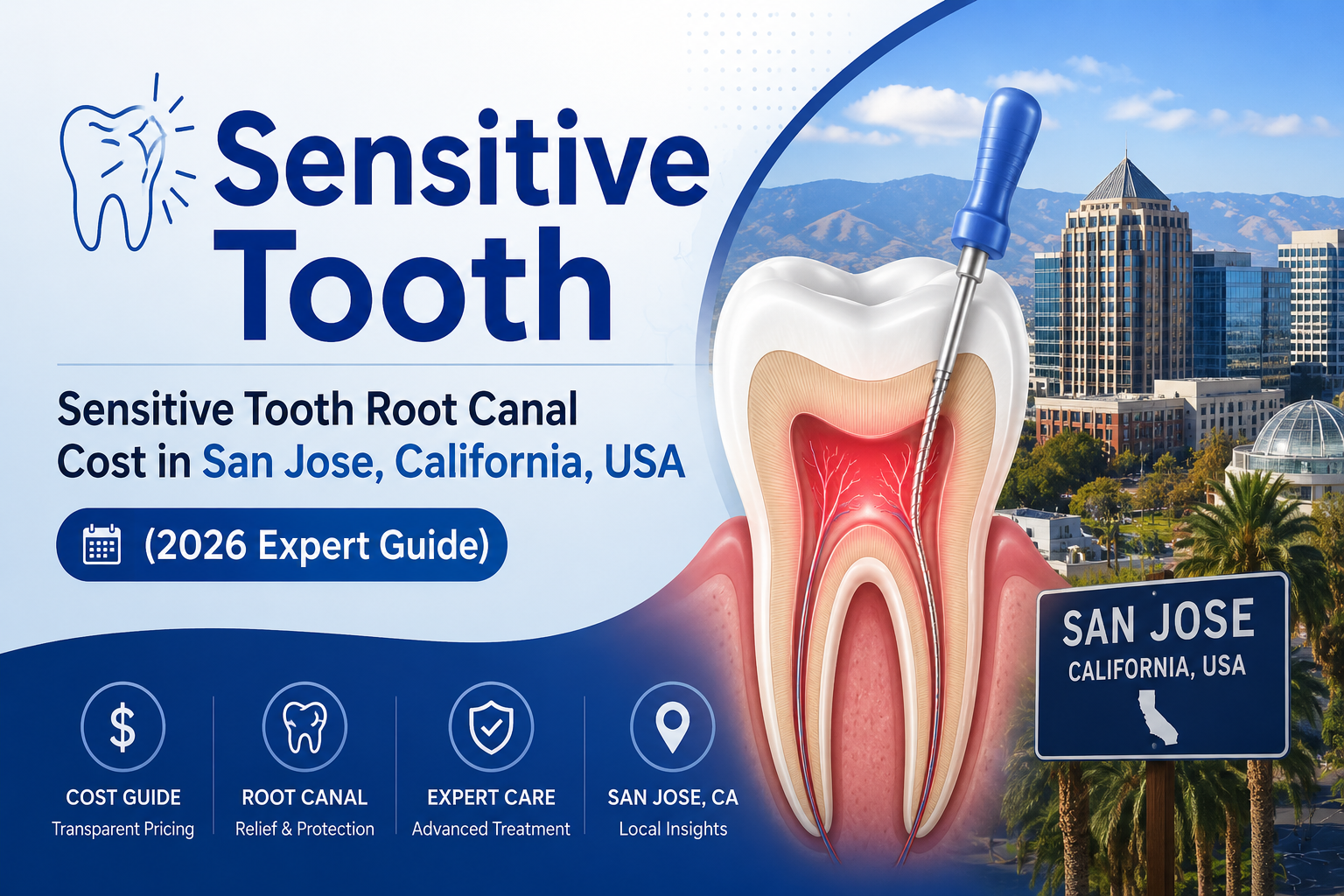
Sensitive Tooth Root Canal Cost in San Jose, California, USA (2026 Expert Guide)
Language :
Topics:
Sensitive teeth can turn simple daily activities into painful experiences. Drinking cold water, enjoying hot coffee, eating sweets, or even breathing cool air may trigger sharp discomfort. While tooth sensitivity is often caused by enamel wear or gum recession, severe and persistent sensitivity may indicate a deeper problem involving the tooth's pulp. In many cases, a root canal treatment becomes necessary to save the tooth and eliminate pain.
For residents of San Jose, California, understanding root canal costs, treatment options, diagnostic procedures, and long-term outcomes is important before making dental decisions. As a clinician trained with a German approach to endodontics, I emphasize precise diagnosis, conservative treatment, and preservation of natural teeth whenever possible.
This comprehensive guide explains everything you need to know about sensitive teeth, root canal treatment costs in San Jose, California, and expert recommendations for protecting your oral health.
Understanding Tooth Sensitivity
Tooth sensitivity occurs when the protective enamel layer becomes compromised or when underlying dentin becomes exposed.
Common symptoms include:
- Sharp pain when drinking cold beverages
- Sensitivity to hot foods
- Pain when eating sweets
- Discomfort during brushing
- Sudden electric-like sensations in a tooth
While mild sensitivity may be manageable with special toothpaste, severe sensitivity often signals deeper dental problems.
Why Sensitive Teeth May Need a Root Canal
Many patients assume sensitivity is always a minor issue.
However, prolonged sensitivity can indicate:
Deep Tooth Decay
Bacteria penetrate through enamel and dentin toward the pulp chamber.
Cracked Teeth
Tiny cracks allow bacteria and fluids to irritate the tooth nerve.
Dental Trauma
Previous injuries may damage the pulp even years later.
Large Fillings
Old restorations sometimes weaken tooth structure and expose nerves.
Advanced Infection
When bacteria reach the pulp tissue, inflammation develops and pain intensifies.
Once pulp tissue becomes irreversibly inflamed, root canal therapy is usually the most effective treatment.
What Is Root Canal Treatment?
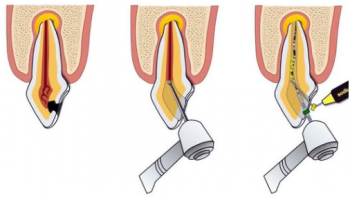
Root canal treatment is an advanced dental procedure designed to remove infected or damaged pulp tissue while preserving the natural tooth.
The treatment involves:
- Diagnosis and imaging
- Local anesthesia
- Access opening
- Removal of infected pulp
- Cleaning root canals
- Disinfection
- Canal filling
- Final restoration
The goal is to eliminate infection while maintaining natural tooth function.
Signs You May Need a Root Canal
Persistent Sensitivity
Pain lasting more than 30 seconds after exposure to hot or cold temperatures.
Severe Toothache
Continuous throbbing pain.
Swollen Gums
Localized swelling near a tooth.
Tooth Discoloration
A gray or dark appearance may indicate nerve damage.
Pain When Biting
Pressure sensitivity often suggests pulp inflammation.
Dental Abscess
Pus formation around the root tip.
Root Canal Cost in San Jose, California (2026)
Costs vary depending on tooth location, complexity, specialist involvement, and restoration requirements.
Average Root Canal Costs
Front Tooth
- $800 to $1,500
Premolar
- $900 to $1,700
Molar
- $1,200 to $2,500
Molars generally cost more because they contain multiple canals and require additional treatment time.
Crown Costs After Root Canal
Many root canal-treated teeth require crowns for long-term protection.
Porcelain Crown
- $1,000 to $2,500
Zirconia Crown
- $1,200 to $3,000
Premium Ceramic Crown
- $1,500 to $3,500
Total Treatment Cost
Many patients should budget for both procedures.
| Treatment | Estimated Cost |
|---|---|
| Root Canal | $800 - $2,500 |
| Crown | $1,000 - $3,500 |
| Total | $1,800 - $6,000 |
Why San Jose Dental Costs Are Higher
San Jose is located within Silicon Valley, one of the most expensive regions in the United States.
Factors affecting pricing include:
- Office overhead
- Advanced technology
- Specialist expertise
- Laboratory fees
- California operating costs
- Continuing education requirements
Higher fees often reflect access to modern equipment and experienced clinicians.
German Endodontic Philosophy
German dentistry emphasizes precision and preservation.
Key principles include:
Preserve Natural Teeth
Saving a natural tooth is generally preferable to extraction whenever possible.
Comprehensive Diagnostics
Diagnosis should never be rushed.
Evidence-Based Treatment
Clinical decisions must be based on research rather than trends.
Long-Term Stability
Focus on outcomes that last many years.
How Dentists Diagnose Sensitive Teeth
Before recommending root canal treatment, dentists perform extensive evaluations.
Visual Examination
The dentist checks for:
- Decay
- Cracks
- Fractures
- Gum recession
- Existing restorations
Thermal Testing
Cold and hot tests help determine pulp vitality.
Response patterns often indicate:
- Healthy pulp
- Reversible pulpitis
- Irreversible pulpitis
- Necrotic pulp
Percussion Testing
Gentle tapping identifies inflammation around root structures.
Bite Testing
Special tools reveal hidden cracks.
Digital X-Rays
Radiographs detect:
- Deep decay
- Bone loss
- Infection
- Abscess formation
CBCT 3D Imaging
Advanced cone beam scans provide detailed views of:
- Root anatomy
- Hidden canals
- Fractures
- Bone defects
Tooth Sensitivity Analysis
Understanding the source of sensitivity is critical.
Mild Sensitivity
Usually caused by:
- Worn enamel
- Gum recession
- Whitening treatments
Often managed conservatively.
Moderate Sensitivity
Possible causes:
- Deep cavities
- Cracked fillings
- Dentin exposure
Professional treatment is often required.
Severe Sensitivity
Often associated with:
- Pulp inflammation
- Infection
- Nerve damage
Root canal therapy may be indicated.
Can Sensitive Teeth Heal Without Root Canal Treatment?
Sometimes.
Reversible Pulpitis
The pulp can recover if the cause is addressed early.
Treatment options include:
- New fillings
- Fluoride therapy
- Desensitizing treatments
- Bite adjustment
Irreversible Pulpitis
The pulp cannot heal itself.
Root canal treatment is usually necessary.
Ignoring the condition may lead to severe infection.
Modern Root Canal Technology
Modern endodontics has significantly improved patient comfort.
Technologies commonly used include:
Digital Imaging
Provides accurate diagnosis.
Rotary Instruments
Improve cleaning efficiency.
Electronic Apex Locators
Enhance precision.
Dental Operating Microscopes
Magnify tiny root canals.
Ultrasonic Instruments
Assist with disinfection.
Bioceramic Sealers
Provide superior sealing properties.
Is Root Canal Treatment Painful?
This is one of the most common patient concerns.
Modern root canal treatment is generally no more uncomfortable than receiving a filling.
Local anesthesia effectively controls pain.
Most patients report:
- Minimal discomfort during treatment
- Significant pain relief afterward
- Improved function within days
What Happens If You Delay Treatment?
Delaying care can worsen the situation.
Potential consequences include:
Increased Infection
Bacteria continue spreading.
Abscess Formation
Painful swelling may develop.
Bone Loss
Infection damages surrounding bone.
Tooth Fracture
Weak teeth become more vulnerable.
Extraction
Eventually the tooth may become unsalvageable.
Root Canal Versus Extraction
Many patients compare these options.
| Factor | Root Canal | Extraction |
|---|---|---|
| Preserves Tooth | Yes | No |
| Chewing Function | Excellent | Reduced |
| Appearance | Natural | Requires Replacement |
| Bone Preservation | Better | Bone Loss Risk |
| Long-Term Value | High | Additional Costs |
Whenever possible, preserving the natural tooth is usually the preferred option.
Cost Comparison: Root Canal vs Dental Implant
Patients often ask whether extraction and implant placement are cheaper.
Root Canal + Crown
- $1,800 to $6,000
Extraction + Implant
- $4,000 to $10,000+
Implants are excellent solutions but often cost significantly more.
How Long Does a Root Canal Last?
A properly treated tooth can last decades.
Success depends on:
- Quality treatment
- Adequate restoration
- Good oral hygiene
- Regular dental visits
Many root canal-treated teeth function successfully for 15 to 30 years or longer.
Tips for Patients With Sensitive Teeth
Use Desensitizing Toothpaste
Products containing potassium nitrate may reduce symptoms.
Avoid Aggressive Brushing
Use soft-bristle brushes.
Limit Acidic Foods
Reduce:
- Soda
- Citrus fruits
- Energy drinks
Wear Night Guards
Protect against grinding.
Schedule Regular Exams
Early diagnosis prevents major problems.
Foods to Eat After Root Canal Treatment
Recommended options include:
Soft Foods
- Yogurt
- Mashed potatoes
- Soup
- Oatmeal
Protein Sources
- Eggs
- Fish
- Soft chicken
Fruits
- Bananas
- Applesauce
Foods to Avoid Immediately After Treatment
Avoid:
- Hard candies
- Nuts
- Ice
- Sticky foods
- Tough meats
These foods may damage temporary restorations.
Recovery Timeline
First 24 Hours
Mild soreness is normal.
Days 2–3
Most discomfort decreases significantly.
One Week
Normal chewing often resumes.
After Crown Placement
The tooth typically functions normally.
Insurance Coverage for Root Canal Treatment
Many dental insurance plans help cover:
- Diagnostic exams
- X-rays
- Root canal procedures
- Crowns
Coverage commonly ranges from 50% to 80%, depending on plan details.
Patients should verify:
- Annual maximums
- Waiting periods
- Specialist coverage
Choosing the Right Endodontist in San Jose
Look for:
Advanced Technology
Modern equipment improves outcomes.
Experience
Specialized training matters.
Positive Patient Reviews
Consistent satisfaction is important.
Clear Communication
Treatment options should be explained thoroughly.
Transparent Pricing
Patients deserve clear financial information.
Preventing Future Root Canals
Prevention remains the most cost-effective strategy.
Brush Twice Daily
Use fluoride toothpaste.
Floss Daily
Remove plaque between teeth.
Limit Sugar
Reduce cavity risk.
Visit the Dentist Regularly
Professional exams catch problems early.
Wear Protective Mouthguards
Prevent sports injuries.
Address Small Cavities Promptly
Early treatment prevents nerve involvement.
Frequently Asked Questions
How much does a root canal cost in San Jose, California?
Most treatments range from approximately $800 to $2,500 depending on tooth complexity.
Why are molar root canals more expensive?
Molars contain multiple canals and require additional treatment time.
Can severe sensitivity mean infection?
Yes. Persistent sensitivity may indicate pulp inflammation or infection.
Is extraction cheaper?
Initial extraction costs may be lower, but replacement options often increase overall expenses substantially.
Will I need a crown afterward?
Many posterior teeth benefit from crowns to prevent fracture.
Can a root canal fail?
Although highly successful, retreatment may occasionally be necessary.
How long does treatment take?
Many cases are completed in one or two visits.
Is a root canal worth the cost?
In most situations, preserving a natural tooth provides excellent long-term value.
Severe tooth sensitivity should never be ignored. While some cases result from minor enamel wear or gum recession, persistent or intense sensitivity often signals deeper nerve inflammation that requires professional attention. In San Jose, California, root canal treatment generally ranges from $800 to $2,500, while complete treatment including a crown may range from $1,800 to $6,000 depending on complexity.
From a German endodontic perspective, preserving the natural tooth whenever possible remains the gold standard. Modern diagnostic tools, advanced cleaning systems, digital imaging, and contemporary restorative materials have transformed root canal therapy into a predictable, highly successful procedure.
If you are experiencing lingering sensitivity to hot or cold foods, pain when chewing, swelling, or unexplained tooth discomfort, seek a professional dental evaluation promptly. Early diagnosis not only reduces treatment costs but also significantly improves the chances of saving your natural tooth for many years to come.
Can tooth extraction cause infection? Mild inflammation is normal, but increasing swelling, fever, or severe pain may indicate infection. Learn more about post-extraction infection warning signs in this detailed guide.
Book a consultation with our Cebu dental specialists for proper evaluation and care.
Ready to get expert guidance?
If you’re experiencing severe pain or delayed healing, book a consultation with our Cebu dental specialists to get proper evaluation and care.
Consultation or contact page .
Book a Consultation
For severe discomfort or delayed healing, book a consultation with our Cebu dental specialists today.
Looking for a dentist? Browse our Cebu dental directory to find trusted clinics near you.
Medical Review and Clinical Basis
This article is based on clinical dental guidelines and real patient recovery patterns observed after tooth extraction procedures. The information reflects common post-extraction healing stages, including normal clot formation, gum tissue repair, and signs of possible complications such as dry socket or infection.
While mild discomfort is expected after a dental extraction, worsening pain after Day 3, bad odor, exposed bone, or spreading pain may require professional evaluation. These symptoms are consistent with known post-extraction complications described in standard dental practice.
About Cebu Dental Implants
Cebu Dental Implants provides comprehensive tooth extraction, surgical procedures, and dental implant services in the Philippines. Our team evaluates post-extraction healing, manages complications such as dry socket, and advises patients on proper aftercare to prevent infection and delayed healing.
If you experience severe pain or unusual symptoms after extraction, early professional assessment is recommended to prevent further complications.
Important Medical Disclaimer
This content is for educational purposes only and does not replace professional dental diagnosis. Every patient heals differently. If symptoms worsen or do not improve within a few days, consult a licensed dentist for proper evaluation and treatment.
Author
This article was prepared by the Cebu Dental Implants content team in consultation with licensed dental professionals experienced in tooth extraction and implant procedures.
Related Clinical Cases
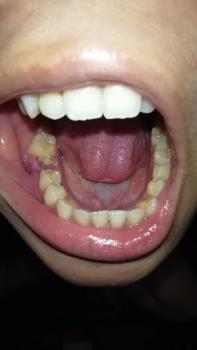
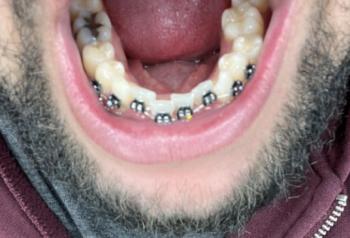
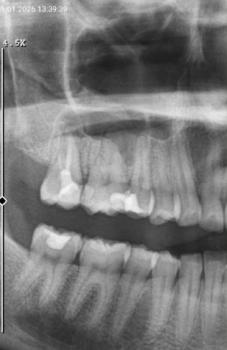
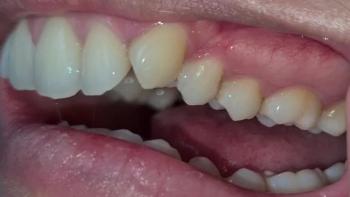
Patients with lower front gum inflammation may also experience tartar buildup, periodontal disease, gum abscesses, or tooth decay. Explore these related clinical case studies.
Other topics:
Other Dental Clinic