Transforming Smiles, Restoring Confidence.

Severe Tooth Decay Treatment in the Philippines: Treatment Options, Costs, and Before & After Results
Image:
Severity:
Teeth Problems:
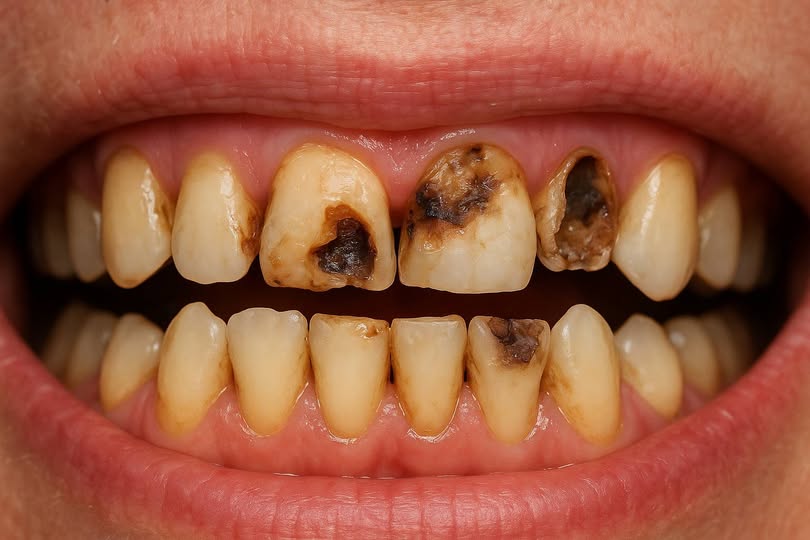
Case Analysis: Advanced Dental Caries and Enamel Erosion
Clinical Observation
Upon visual examination of the image:
-
Multiple anterior teeth (upper and lower) show extensive decay, with large carious lesions exposing dentin and pulp in some areas.
-
Severe enamel erosion and discoloration are evident.
-
Possible infection or necrosis in the pulp chambers (blackened centers).
-
Gum margins appear slightly inflamed, indicating early gingivitis.
-
The tooth structure is weakened, risking fracture or complete tooth loss if untreated.
Diagnosis
Primary Diagnosis:
-
Severe dental caries (multi-surface lesions) affecting both anterior and posterior teeth.
Secondary Conditions:
-
Pulpitis or necrotic pulp (due to deep decay).
-
Enamel erosion and demineralization (from acid exposure or poor hygiene).
-
Early gum disease (gingivitis).
-
Possible malodor (halitosis) due to bacterial infection.
The Hidden Consequences of Severely Neglected Tooth Decay
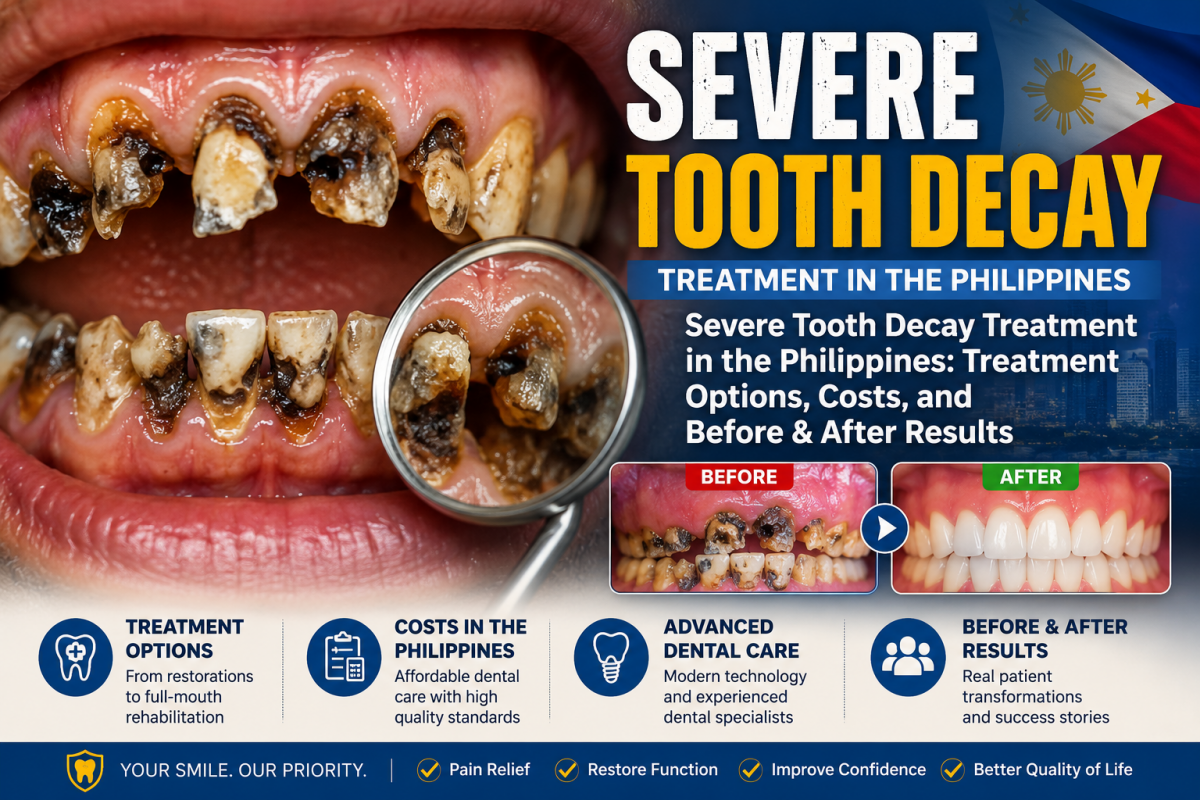
When tooth decay is neglected for months or even years, the damage rarely remains limited to a single cavity. Instead, the disease progresses relentlessly, destroying multiple teeth and compromising the health of the entire mouth. Bacteria continue to produce acids that dissolve enamel, eventually reaching the softer dentin where decay spreads much more rapidly. As neighboring teeth become exposed to high levels of harmful bacteria, poor oral hygiene, and frequent sugar intake, new cavities often develop simultaneously. The result can be massive, widespread dental decay, leaving numerous teeth broken, crumbling, discolored, or reduced to small fragments near the gumline.
As the decay advances deeper into each tooth, the dental pulp becomes infected, leading to chronic pain, sensitivity to hot and cold foods, and recurrent dental abscesses. Over time, the surrounding gums become inflamed, and the jawbone may begin to deteriorate due to untreated infections and the loss of healthy tooth structure. Patients with severe neglect often experience persistent bad breath, difficulty chewing, facial swelling, bleeding gums, and embarrassment when smiling or speaking. Everyday activities such as eating, sleeping, and social interactions can become increasingly difficult because of constant discomfort and reduced confidence.
In advanced cases, the mouth may contain multiple infected teeth requiring complex treatment rather than simple fillings. Depending on the severity of the destruction, treatment may include root canal therapy, surgical extractions, periodontal therapy, bone grafting, dental implants, bridges, or full-mouth rehabilitation. The longer treatment is delayed, the greater the likelihood that teeth can no longer be saved, resulting in more extensive procedures, longer recovery times, and significantly higher treatment costs.
Severely neglected tooth decay is more than a cosmetic problem—it is a progressive oral disease that can affect overall health. Bacteria from untreated dental infections may spread into surrounding facial tissues and, in rare but serious cases, contribute to infections that require emergency medical care. Early diagnosis, routine dental examinations, professional cleanings, fluoride protection, and prompt treatment of small cavities remain the most effective ways to prevent extensive destruction. Seeking dental care before decay becomes widespread can preserve natural teeth, reduce treatment complexity, and help maintain long-term oral health and quality of life.
Probable Causes
Based on your provided list, the most relevant causes for this case include:
-
Poor Oral Hygiene:
Failure to brush and floss allowed plaque and bacteria to destroy enamel and dentin. -
Dietary Habits:
Regular intake of sugary or acidic foods and beverages accelerated decay. -
Lifestyle Factors:
Possible smoking, alcohol use, or neglect of dental visits. -
Medical Conditions:
Potential dry mouth or acid reflux contributing to enamel loss.
Treatment Plan
1. Immediate Actions
-
Dental X-rays: To assess the depth of decay and check for root or bone involvement.
-
Oral Debridement: Deep cleaning to remove plaque, tartar, and bacteria.
-
Caries Excavation: Removal of decayed portions of each affected tooth.
2. Restorative Procedures
Depending on the severity of each tooth:
| Condition | Recommended Treatment |
|---|---|
| Shallow decay | Tooth-colored composite filling |
| Deep decay but with healthy roots | Root canal treatment (RCT) + Crown restoration |
| Severely decayed beyond repair | Extraction followed by Dental implant or bridge |
3. Cosmetic and Functional Rehabilitation
Once infection is controlled and structure stabilized:
-
Porcelain crowns or veneers for aesthetic restoration.
-
Teeth whitening (only after infection-free recovery).
-
Orthodontic consultation if spacing or alignment is affected.
4. Maintenance and Prevention
-
Brush 2–3 times daily with fluoride toothpaste.
-
Floss and use mouthwash daily.
-
Limit sugary snacks and acidic drinks.
-
Regular dental check-ups every 6 months.
-
Drink more water to maintain saliva production.
-
Quit smoking and avoid alcohol.
Estimated Timeline
| Phase | Duration | Description |
|---|---|---|
| Initial Cleaning & Assessment | 1–2 visits | Scaling, polishing, X-rays |
| Decay Removal & Fillings | 2–4 visits | Depending on tooth count |
| Root Canal & Crown Work | 3–6 weeks | Healing between procedures |
| Full Rehabilitation | 1–2 months | Cosmetic and implant phases |
| Maintenance | Lifelong | Consistent hygiene & check-ups |
Frequently Asked Questions (FAQ) About Severe Tooth Decay Treatment
1. What is considered severe tooth decay?
Severe tooth decay occurs when cavities have progressed beyond the enamel and dentin into the dental pulp or when multiple teeth are extensively damaged. Teeth may appear black, broken, crumbling, or infected, often causing pain, swelling, and difficulty eating.
2. Can severely decayed teeth still be saved?
Yes, some severely decayed teeth can still be saved if enough healthy tooth structure remains. Depending on the extent of the damage, your dentist may recommend fillings, root canal therapy, crowns, or other restorative treatments. If the tooth cannot be restored safely, extraction may be the best option.
3. What treatments are available for severe tooth decay in the Philippines?
Treatment depends on the severity of the decay and may include:
- Tooth-colored fillings
- Root canal treatment
- Dental crowns
- Tooth extraction
- Dental implants
- Fixed bridges
- Removable dentures
- Bone grafting (if bone loss has occurred)
- Full-mouth rehabilitation for multiple damaged teeth
4. How do dentists determine whether a tooth should be extracted?
Your dentist will perform a clinical examination and take dental X-rays to evaluate:
- Remaining healthy tooth structure
- Extent of infection
- Root condition
- Bone support
- Presence of cracks or fractures
- Long-term prognosis
Extraction is generally recommended only when the tooth cannot be predictably restored.
5. Is severe tooth decay painful?
Many patients experience:
- Persistent toothache
- Pain when chewing
- Sensitivity to hot or cold
- Swollen gums
- Facial swelling
- Bad breath
- Pus drainage from an abscess
However, some severely damaged teeth may no longer hurt because the nerve has already died, even though infection remains.
6. Can untreated tooth decay become dangerous?
Yes. If left untreated, bacteria can spread beyond the tooth and infect the surrounding gums, jawbone, and facial tissues. In rare cases, severe dental infections may spread into deeper spaces of the head and neck and require emergency medical treatment.
7. What happens if multiple teeth are severely decayed?
When several teeth are affected, your dentist may develop a comprehensive treatment plan that prioritizes:
- Eliminating infection
- Relieving pain
- Saving restorable teeth
- Replacing missing teeth
- Restoring chewing function
- Improving appearance
This approach is often referred to as full-mouth rehabilitation.
8. How long does treatment for severe tooth decay take?
Treatment time varies depending on the number of affected teeth and the procedures required. Some patients may complete treatment within a few visits, while extensive rehabilitation involving implants or multiple restorations may take several months.
9. Can dental implants replace severely decayed teeth?
Yes. If a tooth must be extracted because it cannot be saved, dental implants are one of the most durable replacement options. They help restore chewing ability, preserve jawbone, and provide a natural-looking smile after the extraction site has healed.
10. Can I delay treatment if the pain goes away?
No. Pain disappearing does not necessarily mean the infection has resolved. In some cases, the nerve inside the tooth dies, temporarily reducing pain while bacteria continue destroying the tooth and surrounding tissues. Prompt dental evaluation is still recommended.
11. How can I prevent severe tooth decay in the future?
You can reduce your risk by:
- Brushing twice daily with fluoride toothpaste
- Flossing every day
- Limiting sugary foods and drinks
- Drinking plenty of water
- Visiting your dentist for regular checkups and professional cleanings
- Treating small cavities before they become larger problems
12. When should I seek emergency dental care?
Seek immediate dental or medical attention if you experience:
- Rapidly increasing facial swelling
- Difficulty swallowing
- Difficulty breathing
- Fever with severe tooth pain
- Pus draining from the gums
- Uncontrolled bleeding after dental treatment
- Severe pain that is not relieved by prescribed medication
Early treatment offers the best chance of preserving natural teeth, preventing serious complications, and reducing the need for more extensive dental procedures.
Expert Advice
If untreated, this level of decay can lead to abscesses, bone loss, and systemic infection. Visit your nearest dental specialist or implant center immediately. Early intervention can save most of these teeth and restore full function and confidence.
1. Why Severe Tooth Decay Happens Faster Than Most Americans Realize
Explain:
- Frequent sugary drinks
- Sports drinks
- Soda consumption
- Poor brushing habits
- Dry mouth
- Acid reflux (GERD)
- Smoking
- Diabetes
- Teeth grinding
The ADA notes that erosion differs from bacterial cavities because erosion is caused by acids directly dissolving enamel, while cavities result from bacterial activity. Both can occur together and accelerate tooth destruction.
2. The Five Stages of Tooth Destruction
Include detailed explanations of:
- Initial enamel demineralization
- Enamel cavity formation
- Dentin involvement
- Pulp infection
- Dental abscess and bone infection
3. Signs Your Tooth May No Longer Be Saved
Discuss:
- Severe spontaneous pain
- Swollen gums
- Facial swelling
- Pus drainage
- Broken tooth below gum line
- Large dark cavity
- Loose tooth
- Bad taste
- Persistent bad breath
4. Enamel Erosion vs Tooth Decay
Create a comparison table.
| Enamel Erosion | Dental Caries |
|---|---|
| Acid damage | Bacterial infection |
| Smooth shiny surfaces | Dark cavities |
| Often painless initially | Sensitivity develops |
| Cannot regrow naturally | Can often be treated before extensive damage |
| Usually dietary or medical causes | Sugar + plaque bacteria |
5. Emergency Warning Signs
Discuss when patients should seek immediate care.
Examples:
- Facial swelling
- Difficulty swallowing
- Difficulty breathing
- Fever
- Swelling extending into the neck
- Eye swelling
6. Modern U.S. Treatments
Expand each treatment.
- Fluoride therapy
- Composite fillings
- Ceramic inlays
- Onlays
- Dental crowns
- Root canal treatment
- Crown lengthening
- Post and core buildup
- Dental implants
- Full-mouth rehabilitation
The American Dental Association's clinical guideline emphasizes preserving as much healthy tooth structure as possible through conservative caries removal before restoring the tooth when appropriate.
7. Typical U.S. Treatment Costs
Approximate ranges:
- Filling
- Crown
- Root canal
- Extraction
- Bone graft
- Implant
- Implant crown
8. Can the Tooth Be Saved?
Create a decision guide.
Small cavity
↓
Filling
↓
Large cavity
↓
Crown
↓
Nerve infected
↓
Root canal + crown
↓
Root fractured
↓
Extraction + implant
9. Long-Term Consequences of Ignoring Severe Decay
Explain:
- Bone loss
- Tooth migration
- Bite collapse
- Difficulty chewing
- Nutrition problems
- Speech problems
- Chronic infection
- Increased treatment cost
10. Frequently Asked Questions
Examples:
- Can enamel grow back?
- Is black tooth decay always severe?
- Why doesn't severe decay always hurt?
- Can antibiotics cure tooth decay?
- Is extraction always necessary?
- Can a crown be placed over severe decay?
- How long can I wait before treatment?
11. Prevention Checklist
Include:
- Brush twice daily with fluoride toothpaste
- Floss every day
- Drink water after soda
- Reduce sugary snacks
- Avoid sipping acidic drinks throughout the day
- Visit the dentist every six months
- Wear a night guard if grinding teeth
- Manage acid reflux if present
Linka
- Dental crowns
- Root canal treatment
- Tooth extraction
- Dental implants
- Full-mouth restoration
- Gum infection
- Bone grafting
- Dental emergencies
Youtube:
Related Clinical Cases
Patients with lower front gum inflammation may also experience tartar buildup, periodontal disease, gum abscesses, or tooth decay. Explore these related clinical case studies.



Other topics:
Other Dental Clinic