Dentures That Feel Natural, Look Beautiful.

Sports Dental Injury Emergency: A USA Dentist's Guide to Saving a Knocked-Out or Broken Tooth After a Tennis Accident
Language :
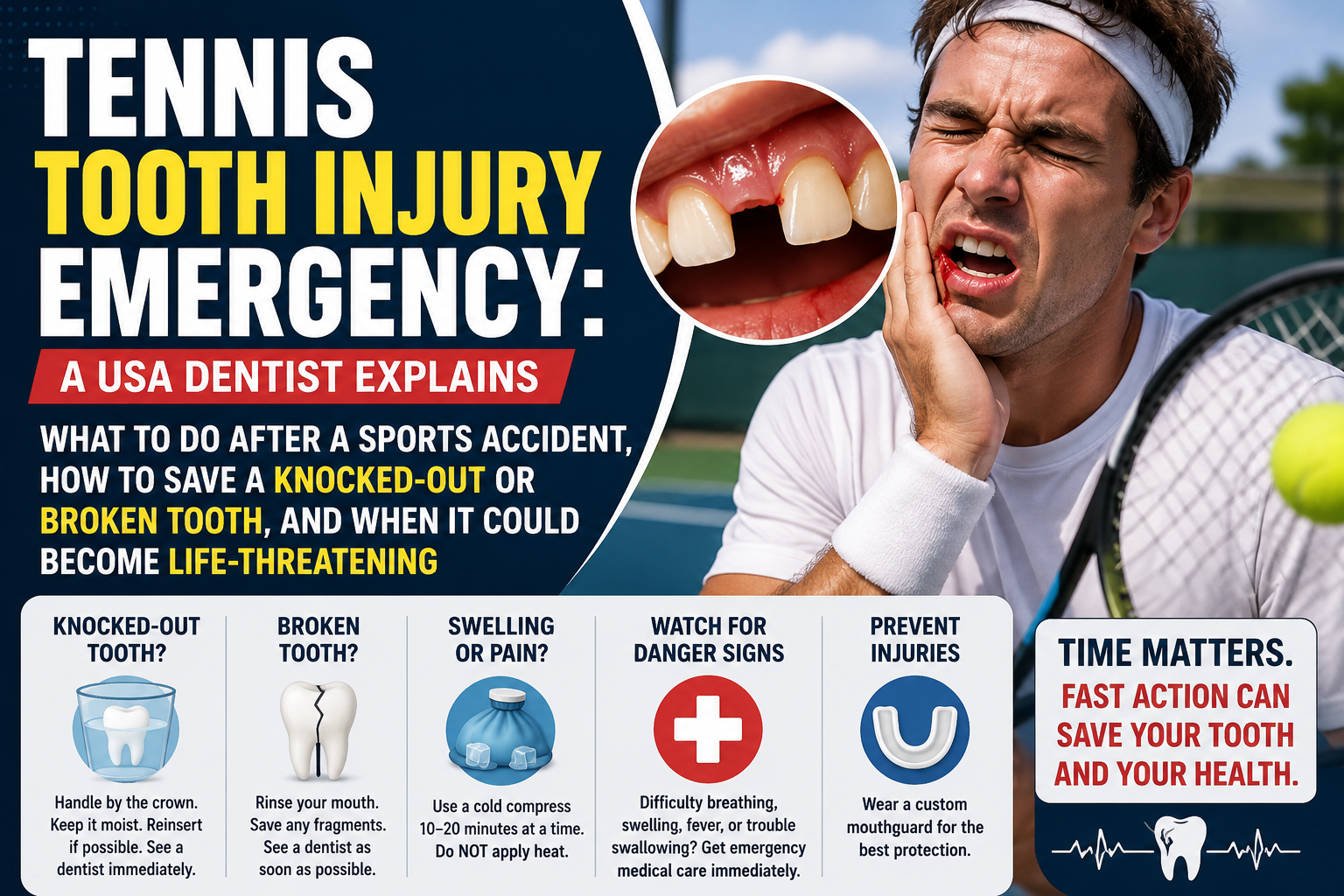
Tennis Tooth Injury Emergency: A USA Dentist Explains What to Do After a Sports Accident, How to Save a Knocked-Out or Broken Tooth, and When It Could Become Life-Threatening
There are few moments in sports more frightening than taking a direct hit to the face. Whether you're playing a competitive tennis match, practicing with friends, or participating in another recreational sport, a split-second accident can leave you with a chipped tooth, a completely knocked-out tooth, bleeding gums, or severe facial pain.
As a practicing USA dentist, I've treated countless patients who arrived after sports-related dental injuries. Some came in within minutes and saved their natural tooth. Others waited until the following day because they believed the pain would disappear on its own. Unfortunately, delayed treatment often transformed a manageable injury into a complex dental emergency requiring root canal therapy, oral surgery, or tooth extraction.
One case that remains memorable involved a recreational tennis player in his early forties. During an intense doubles rally, his partner accidentally struck him in the mouth while both players rushed toward the net. Blood appeared immediately. One front tooth had fractured, another had become loose, and part of his lip was deeply cut.
Initially, he thought, "It's only a broken tooth."
Within hours, swelling increased dramatically. Fortunately, he sought emergency dental care before infection developed. His quick decision ultimately saved both injured teeth.
Stories like this highlight an important reality:
Dental injuries are never just cosmetic. They can involve the tooth, gums, jawbone, facial bones, nerves, and surrounding soft tissues. In certain situations, untreated dental trauma can even become life-threatening.
This guide explains exactly what to do immediately after a sports injury, when to seek emergency medical attention, and how modern dentistry can often save injured teeth.
Why Sports Cause So Many Dental Injuries
Sports create ideal conditions for dental trauma because they involve:
- High-speed movement
- Sudden collisions
- Falls
- Flying sports equipment
- Elbows or rackets striking the face
- Hard playing surfaces
Although many people associate dental injuries with football or hockey, tennis also causes unexpected facial trauma.
Common tennis-related injuries include:
- Partner's racket striking the face
- Ball traveling over 100 mph
- Falling onto a hard court
- Collision during doubles play
- Slipping while chasing a shot
Even experienced athletes can suffer serious oral injuries.
The First Question: Is This a Medical Emergency?
Before focusing on the tooth itself, determine whether the injury has become a medical emergency rather than solely a dental emergency.
Emergency Warning: Facial Cellulitis & Systemic Risks
Dental trauma occasionally creates an opening for bacteria to enter deeper tissues.
If infection spreads beyond the tooth into the facial spaces, it may develop into facial cellulitis, a rapidly progressing bacterial infection that requires immediate medical treatment.
Go to the nearest emergency room immediately if you experience:
- Difficulty breathing
- Tightness in the throat
- Difficulty swallowing
- Excessive drooling
- Rapidly expanding facial swelling
- Swelling extending toward the eye
- Swelling extending into the neck
- Swelling spreading toward the chest
- High fever
- Chills
- Extreme fatigue
- Confusion
- Severe headache
- Stiff neck
These symptoms should never be ignored.
Facial cellulitis can progress toward the airway or bloodstream, creating a potentially life-threatening condition requiring intravenous antibiotics and sometimes hospitalization.
Stay Calm After the Injury
Immediately after a sports accident:
- Stop playing.
- Sit upright.
- Control bleeding.
- Avoid unnecessary movement.
- Check for broken teeth.
- Look for missing teeth.
- Examine the lips and tongue.
- Check whether your bite feels different.
- Determine whether any teeth feel loose.
Many patients panic when they see blood because injuries inside the mouth often bleed heavily.
Fortunately, heavy bleeding does not always indicate severe damage.
Injury #1: A Tooth Has Been Completely Knocked Out (Avulsed Tooth)
This is among the most urgent dental emergencies.
The success of saving the tooth depends largely on time.
The highest success rates occur when the tooth is replanted within 30 to 60 minutes.
Step 1: Find the Tooth
Locate the tooth immediately.
Never assume it cannot be saved.
Even a dirty tooth may still be successfully replanted.
Step 2: Handle Only the Crown
Always pick up the tooth by the chewing surface.
Never touch the root.
The root contains microscopic living cells essential for successful healing.
Touching or scraping them greatly reduces survival.
Step 3: Gently Rinse
If dirt or debris is present, use:
- Cold milk
- Sterile saline
- The patient's saliva
Do not:
- Scrub
- Brush
- Use soap
- Use chemicals
- Dry the tooth
- Wrap it in tissue
Step 4: Reinsert if Possible
If the patient is alert and cooperative:
Gently place the tooth back into its socket.
Once positioned, have the patient bite softly on folded gauze.
This stabilizes the tooth until emergency dental treatment.
Step 5: If Reinsertion Isn't Possible
Keep the tooth moist.
Excellent storage options include:
- Cold milk
- Hank's Balanced Salt Solution (HBSS)
- Sterile saline
- The patient's saliva
Avoid plain tap water whenever possible because it damages delicate root cells.
What About Baby Teeth?
Never reinsert a knocked-out baby tooth.
Doing so may injure the permanent tooth developing underneath.
Instead:
- Control bleeding
- Comfort the child
- Visit a dentist promptly
Injury #2: Broken Tooth
Many sports injuries produce fractures instead of complete avulsion.
Fractures range from tiny enamel chips to severe vertical root fractures.
Minor Chips
A small chip usually involves enamel only.
Treatment may include:
- Polishing
- Cosmetic bonding
- Monitoring
Moderate Fractures
If dentin becomes exposed, patients often experience:
- Cold sensitivity
- Air sensitivity
- Sweet sensitivity
Prompt restoration helps prevent bacterial contamination.
Deep Fractures
If the pulp becomes exposed, symptoms include:
- Severe pain
- Bleeding from the tooth
- Extreme sensitivity
Treatment may involve:
- Root canal therapy
- Crown placement
- Occasionally extraction
Why You Should Never Ignore a Broken Tooth
Many patients postpone treatment because the pain disappears.
Unfortunately, no pain does not mean healing.
Instead, the nerve may be dying.
Months later, patients often develop:
- Dental abscesses
- Facial swelling
- Chronic infection
- Bone loss
Early treatment is almost always simpler and less expensive.
Controlling Pain at Home
Until you reach the dentist:
Apply a cold compress.
Wrap ice inside a towel.
Place it against the cheek for 10 to 20 minutes.
Repeat as needed.
Never Apply Heat
Heat increases blood flow.
If bacteria are present, heat may accelerate infection spread.
Avoid:
- Heating pads
- Warm compresses
- Hot towels
Cold is the preferred first-aid treatment.
Injury #3: Loose Teeth
A tooth may not fall out but becomes mobile.
This indicates damage to:
- The periodontal ligament
- Supporting bone
- The tooth socket
Even slight looseness deserves immediate evaluation.
Dentists often stabilize the tooth using a flexible splint for several weeks.
Injury #4: Tooth Displacement
Sometimes the tooth remains present but shifts position.
It may appear:
- Longer
- Shorter
- Twisted
- Pushed inward
- Pushed outward
Immediate repositioning significantly improves long-term outcomes.
Injury #5: Cracked Tooth
Cracks are frequently invisible.
Warning signs include:
- Pain while biting
- Pain after releasing pressure
- Cold sensitivity
- Sharp intermittent discomfort
Without treatment, cracks may deepen until the tooth becomes unrestorable.
Soft Tissue Injuries
Sports injuries often damage the:
- Lips
- Tongue
- Cheeks
- Gums
Minor cuts usually heal quickly.
Large lacerations requiring stitches should be treated immediately.
Jaw Injuries
Seek emergency evaluation if:
- Your bite suddenly feels different.
- You cannot fully open your mouth.
- The jaw shifts during movement.
- Severe swelling develops.
- Speaking becomes difficult.
These symptoms may indicate jaw fracture or dislocation.
Dental Concussions
Sometimes the tooth appears normal.
However, the supporting tissues sustained impact.
Symptoms include:
- Tenderness
- Pain while biting
- Mild mobility
- Delayed discoloration
Follow-up examinations remain essential because complications may appear months later.
Diagnostic Tests Your Dentist May Perform
Evaluation typically includes:
- Clinical examination
- Dental X-rays
- Bite assessment
- Tooth mobility testing
- Pulp vitality testing
- Clinical photographs
- Occasionally CBCT imaging
These tests determine whether hidden fractures exist.
Treatment Options
Depending on severity, treatment may include:
Dental Bonding
Ideal for:
- Small chips
- Cosmetic fractures
Dental Fillings
Used to restore:
- Small structural defects
- Early fracture repair
Dental Crowns
Recommended when large portions of the tooth are missing.
Crowns protect weakened teeth from future fracture.
Root Canal Therapy
Necessary when:
- The nerve becomes infected
- The pulp dies
- Deep fractures expose the pulp
Modern root canal treatment is comfortable and highly successful.
Splinting
Loose teeth are stabilized temporarily using neighboring teeth.
Healing typically requires several weeks.
Tooth Replantation
Performed immediately after avulsion.
Time remains the single most important factor.
Tooth Extraction
Unfortunately, some injuries are too severe.
Extraction becomes necessary when:
- Root fractures extend too deeply
- Bone damage is extensive
- Infection destroys supporting structures
Modern replacement options include dental implants and bridges.
Recovery Timeline
Healing varies depending on the injury.
Typical recovery includes:
Days 1–3
- Swelling
- Bruising
- Tenderness
Week 1
- Reduced discomfort
- Soft tissue healing
Weeks 2–4
- Splint removal if indicated
- Continued monitoring
Months
- Repeat X-rays
- Pulp testing
- Long-term evaluation
Traumatized teeth sometimes develop delayed complications months or even years after injury.
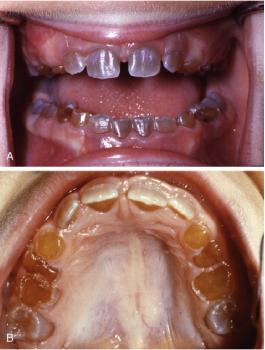
Can the Tooth Change Color?
Yes.
Following trauma, teeth may become:
- Yellow
- Gray
- Brown
Discoloration often signals internal pulp changes.
Prompt dental evaluation is recommended.
Preventing Sports Dental Injuries
The best treatment is prevention.
Custom athletic mouthguards dramatically reduce dental injuries.
Compared with store-bought versions, professionally fabricated mouthguards provide:
- Better comfort
- Superior protection
- Improved fit
- Easier breathing
- Better speech
Athletes participating in tennis, basketball, baseball, football, hockey, martial arts, cycling, and similar sports should strongly consider wearing one.
Returning to Sports
Do not resume play immediately after dental trauma.
Return only after your dentist confirms:
- Stable teeth
- Controlled pain
- Healing tissues
- No infection
- Proper bite
Returning too early increases the risk of reinjury.
Long-Term Follow-Up
Dental trauma requires continued observation.
Your dentist may schedule evaluations at:
- Two weeks
- One month
- Three months
- Six months
- One year
This monitoring helps detect:
- Pulp death
- Root resorption
- Infection
- Bone healing
- Tooth stability
Final Thoughts from a USA Dentist
Sports are an important part of a healthy lifestyle, and games like tennis provide tremendous cardiovascular, physical, and mental benefits. However, even a routine match can change in an instant when a racket, ball, fall, or collision causes dental trauma.
The most important thing to remember is that time matters. A knocked-out permanent tooth has the greatest chance of being saved if it is handled correctly and replanted within 30 to 60 minutes. A broken or loose tooth may seem minor at first, but hidden damage to the pulp or supporting bone can lead to infection, tooth loss, or costly treatment if ignored.
Equally important, never overlook the warning signs of a serious medical emergency. Rapid facial swelling, difficulty breathing, trouble swallowing, high fever, or swelling spreading toward the eye or neck may indicate facial cellulitis or another deep infection that requires immediate emergency care.
If a sports accident affects your teeth, act quickly, protect the injured area, follow proper first-aid measures, and seek prompt evaluation by a dentist or emergency medical team. Early treatment not only relieves pain but can preserve your natural teeth, protect your overall health, and help you return safely to the activities you enjoy. A few informed decisions during the first hour after injury can make the difference between saving a tooth and losing it permanently.
Can tooth extraction cause infection? Mild inflammation is normal, but increasing swelling, fever, or severe pain may indicate infection. Learn more about post-extraction infection warning signs in this detailed guide.
Book a consultation with our Cebu dental specialists for proper evaluation and care.
Ready to get expert guidance?
If you’re experiencing severe pain or delayed healing, book a consultation with our Cebu dental specialists to get proper evaluation and care.
Consultation or contact page .
Book a Consultation
For severe discomfort or delayed healing, book a consultation with our Cebu dental specialists today.
Looking for a dentist? Browse our Cebu dental directory to find trusted clinics near you.
Medical Review and Clinical Basis
This article is based on clinical dental guidelines and real patient recovery patterns observed after tooth extraction procedures. The information reflects common post-extraction healing stages, including normal clot formation, gum tissue repair, and signs of possible complications such as dry socket or infection.
While mild discomfort is expected after a dental extraction, worsening pain after Day 3, bad odor, exposed bone, or spreading pain may require professional evaluation. These symptoms are consistent with known post-extraction complications described in standard dental practice.
About Cebu Dental Implants
Cebu Dental Implants provides comprehensive tooth extraction, surgical procedures, and dental implant services in the Philippines. Our team evaluates post-extraction healing, manages complications such as dry socket, and advises patients on proper aftercare to prevent infection and delayed healing.
If you experience severe pain or unusual symptoms after extraction, early professional assessment is recommended to prevent further complications.
Important Medical Disclaimer
This content is for educational purposes only and does not replace professional dental diagnosis. Every patient heals differently. If symptoms worsen or do not improve within a few days, consult a licensed dentist for proper evaluation and treatment.
Author
This article was prepared by the Cebu Dental Implants content team in consultation with licensed dental professionals experienced in tooth extraction and implant procedures.
Related Clinical Cases
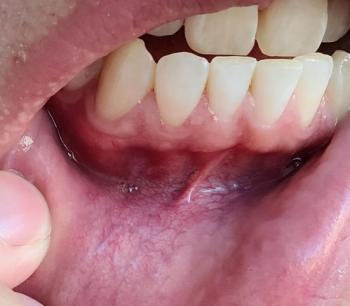
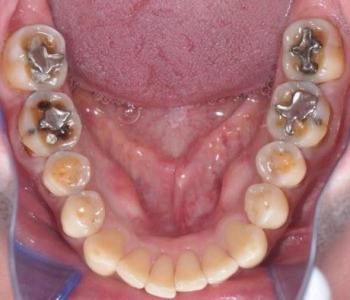
Patients with lower front gum inflammation may also experience tartar buildup, periodontal disease, gum abscesses, or tooth decay. Explore these related clinical case studies.

Other topics:
Other Dental Clinic