Dentures That Feel Natural, Look Beautiful.

Tooth Infection Symptoms: When to See a Dentist in the Philippines
A tooth infection can become a serious dental problem if it is left untreated. It commonly develops when tooth decay, a deep crack, or a damaged restoration allows bacteria to reach the inner pulp of the tooth.
As a dental professional, my advice is simple: do not wait for severe pain before seeking dental care.
If you have symptoms that suggest a tooth infection, arrange an examination with a dentist as soon as reasonably possible.
Common Symptoms of a Tooth Infection
Severe or Persistent Toothache
An infected tooth may cause strong, throbbing pain. The discomfort can sometimes spread toward the jaw, ear, or surrounding areas and may become more noticeable when lying down.
Lingering Sensitivity
You may experience strong sensitivity to hot or cold foods and drinks. Pain that continues after the temperature stimulus is gone can be a warning sign that the tooth's inner tissues are significantly irritated.
Swelling Around the Tooth
An infection can cause swelling of the gum around the affected tooth. In more serious cases, swelling may appear in the cheek, face, or under the jaw.
A Pimple-Like Bump on the Gum
A small bump on the gum near a tooth may be a drainage point from an infection. It can sometimes release fluid or pus and leave a bad taste.
Even if the pain decreases after the area drains, the underlying infection may still be present.
Fever or Feeling Unwell
Fever, chills, or feeling generally unwell can occur when an infection is affecting the surrounding tissues.
These symptoms should not be ignored.
Difficulty Swallowing or Breathing Is an Emergency
If swelling from a dental infection is making it difficult to swallow or breathe, seek emergency medical care immediately.
A serious dental infection can spread into the tissues of the face and neck and may become dangerous.
Do not wait for a routine dental appointment in this situation.
Why Tooth Infections Happen
Common causes include:
-
Untreated tooth decay
-
Deep cracks or fractures
-
Broken teeth
-
Damaged or leaking fillings
-
Previous dental treatment that has become infected
-
Severe gum disease in some cases
Once bacteria reach the pulp and surrounding root tissues, the infection generally requires professional treatment.
Why the Pain Can Suddenly Stop
One of the most misleading signs of a serious tooth infection is when the pain suddenly disappears.
This does not necessarily mean the tooth has healed.
If the nerve inside the tooth dies, the intense pain may decrease. However, bacteria can remain inside the tooth and infection can continue around the root.
That is why a painless tooth can still require urgent dental treatment.
What Should You Do?
1. Visit a Dentist Promptly
A dentist can examine the tooth and determine whether the infection can be treated with procedures such as root canal treatment or whether extraction is necessary.
The appropriate treatment depends on the condition of the tooth.
Visit a dental clinic near your location as soon as possible if you have symptoms of infection.
2. Manage Pain Safely
Appropriate over-the-counter pain medicine may temporarily help control dental pain when used according to the product directions and when it is safe for you to take.
A warm salt-water rinse may also provide temporary comfort.
These measures do not eliminate the infection.
3. Do Not Self-Medicate With Antibiotics
Antibiotics are not a substitute for dental treatment.
A dentist may prescribe antibiotics when there are signs that the infection is spreading or when they are otherwise clinically indicated. However, the infected tooth itself may still require treatment.
Do not take leftover antibiotics or someone else's prescription.
Finding a Dentist Near You
If you are experiencing tooth pain, swelling, or other possible signs of infection, finding professional care quickly is important.
You can visit the nearest dental clinic in your area for an examination.
You can also use our dental clinic directory on this website to look for dental providers by location and find a clinic that may be convenient for you.
Before visiting, you may want to contact the clinic to confirm:
-
Opening hours
-
Consultation availability
-
Services offered
-
Consultation fees
-
Accepted payment methods
-
Emergency dental availability
A Message From a Dental Professional
Tooth infections should not be treated as something that simply needs to be endured.
Painkillers may temporarily make you feel better, and an infection may occasionally drain and become less painful, but neither means the underlying dental problem has been cured.
The sooner a dentist examines the tooth, the sooner you can understand your treatment options.
If you have persistent tooth pain, swelling, a gum abscess, or other signs of infection, please arrange a dental examination at a clinic near you.
And if you are experiencing difficulty breathing or swallowing because of facial or neck swelling, seek emergency medical care immediately.
Related Clinical Cases
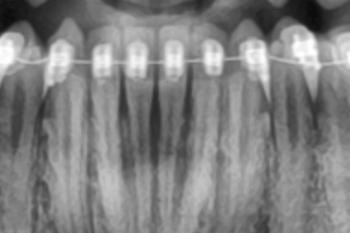
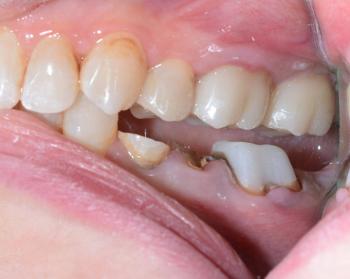
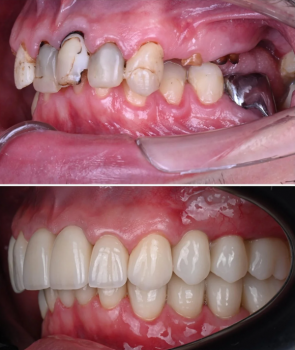
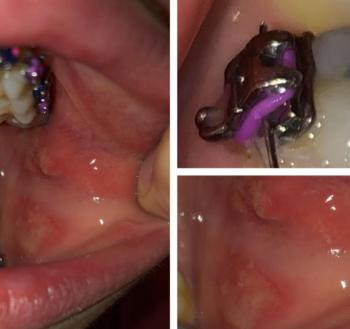
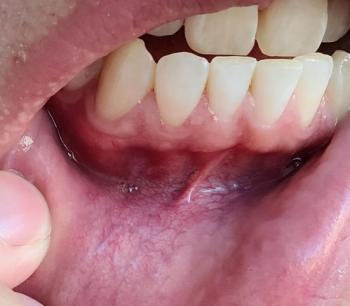
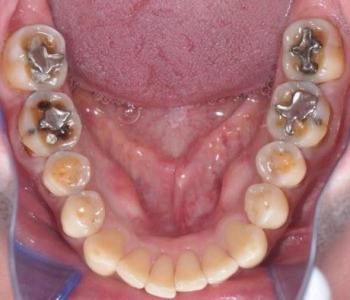
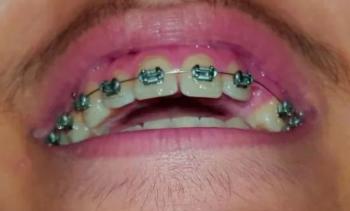
Patients with lower front gum inflammation may also experience tartar buildup, periodontal disease, gum abscesses, or tooth decay. Explore these related clinical case studies.
Other topics:
Other Dental Clinic