Where Bright Smiles Begin.

Toothache in Manila: Common Causes, Home Relief & When to See a Dentist
A toothache is usually a sign that something is affecting the tooth, gums, or surrounding tissues. The pain may be mild and occasional, or it can become severe and persistent. Understanding the possible cause can help you know when professional dental care is needed.
Common Causes
1. Tooth Decay and Cavities
Cavities develop when bacteria in dental plaque use sugars from food and produce acids that gradually damage the tooth enamel. As decay becomes deeper, it can reach the inner part of the tooth where the nerves are located, causing sensitivity or significant pain.
2. Dental Abscess
A dental abscess is a bacterial infection that can develop around the root of a tooth or in the surrounding gum tissue. It may result from untreated decay, a cracked tooth, or another dental infection.
An abscess can cause severe, throbbing pain, swelling, sensitivity, and sometimes pus or a bad taste in the mouth. This requires prompt dental treatment.
3. Cracked or Fractured Teeth
A cracked tooth may hurt when you bite down or release your bite. Some people also experience sharp sensitivity when drinking something hot or cold.
Cracks can occur after an injury, from biting hard foods, or because of long-term stress on the tooth.
4. Damaged or Lost Fillings
Old, damaged, or missing fillings can leave part of the tooth exposed. Food and bacteria can enter the area, potentially causing sensitivity, decay, or further damage.
A dentist should examine a filling that has fallen out or become damaged.
5. Gum Disease
Gingivitis and periodontitis can cause swollen, tender, or bleeding gums. As gum disease progresses, the gums may recede and expose sensitive tooth roots.
This can lead to sensitivity and discomfort, particularly when eating or drinking hot, cold, or sweet foods.
6. Impacted Wisdom Teeth
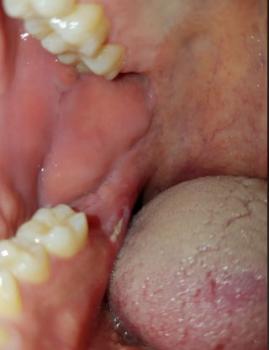
Wisdom teeth can sometimes become trapped beneath the gum or grow at an abnormal angle. This may create pressure, swelling, inflammation, or pain around the back teeth.
If the area repeatedly becomes painful or swollen, a dental examination can determine whether the wisdom tooth needs treatment.
What You Can Do for Temporary Relief
Home care may reduce discomfort temporarily, but it does not treat the underlying cause of most toothaches.
Rinse With Warm Salt Water
A gentle warm salt-water rinse can help clean the mouth and soothe irritated tissues. Avoid swallowing the rinse.
Use a Cold Compress
If there is swelling, place a cold pack wrapped in a cloth against the outside of your cheek for about 15–20 minutes at a time.
Consider an Over-the-Counter Pain Reliever
Common nonprescription pain relievers such as ibuprofen or paracetamol (acetaminophen) may help with temporary dental pain when used according to the product directions and when they are safe for you to take.
Keep the Area Clean
Gently brush and floss around the painful tooth. Sometimes food trapped between teeth can make discomfort worse.
What You Should Avoid
Do not place aspirin or pain medication directly on the tooth or gums. This can irritate or burn the gum tissue.
Also avoid putting harsh chemicals or unverified substances directly onto the painful area.
When Should You See a Dentist?
A toothache should not be ignored simply because the pain temporarily disappears. Dental pain can come and go even when the underlying problem is still present.
See a dentist if the pain:
-
Lasts more than a day or two
-
Keeps returning
-
Becomes severe
-
Causes sensitivity to hot or cold
-
Occurs when biting or chewing
-
Is accompanied by swelling
-
Comes with fever, pus, or a bad taste
-
Is associated with a broken or damaged tooth
Facial swelling, difficulty breathing or swallowing, or rapidly worsening infection requires urgent medical or dental attention.
Why Delaying Dental Care Can Become Expensive
In the Philippines, some people delay dental treatment because of cost, fear of dental procedures, or the belief that a toothache will eventually disappear.
From a dental perspective, this can be a costly mistake.
A small cavity may initially require only a relatively simple filling. If decay reaches the tooth's pulp, treatment may become more involved, such as a root canal and restoration. A severely damaged or infected tooth may eventually require extraction.
The exact treatment and cost depend on the condition of the tooth and the patient's overall oral health.
The Bottom Line
A toothache is a symptom, not a diagnosis. Painkillers and home remedies may provide temporary relief, but they cannot remove decay, repair a crack, or eliminate a dental infection.
If tooth pain persists or keeps coming back, the safest approach is to have the tooth examined by a qualified dental professional. Early treatment is generally simpler than waiting until the problem becomes severe.
Related Clinical Cases
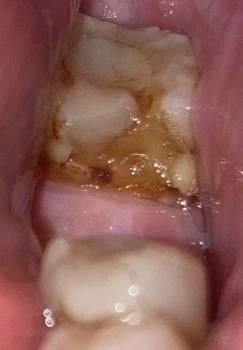
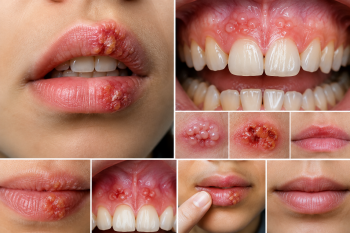
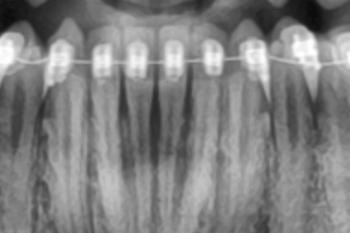
Patients with lower front gum inflammation may also experience tartar buildup, periodontal disease, gum abscesses, or tooth decay. Explore these related clinical case studies.



Other topics:
Other Dental Clinic