Smile Again with Comfort and Confidence.

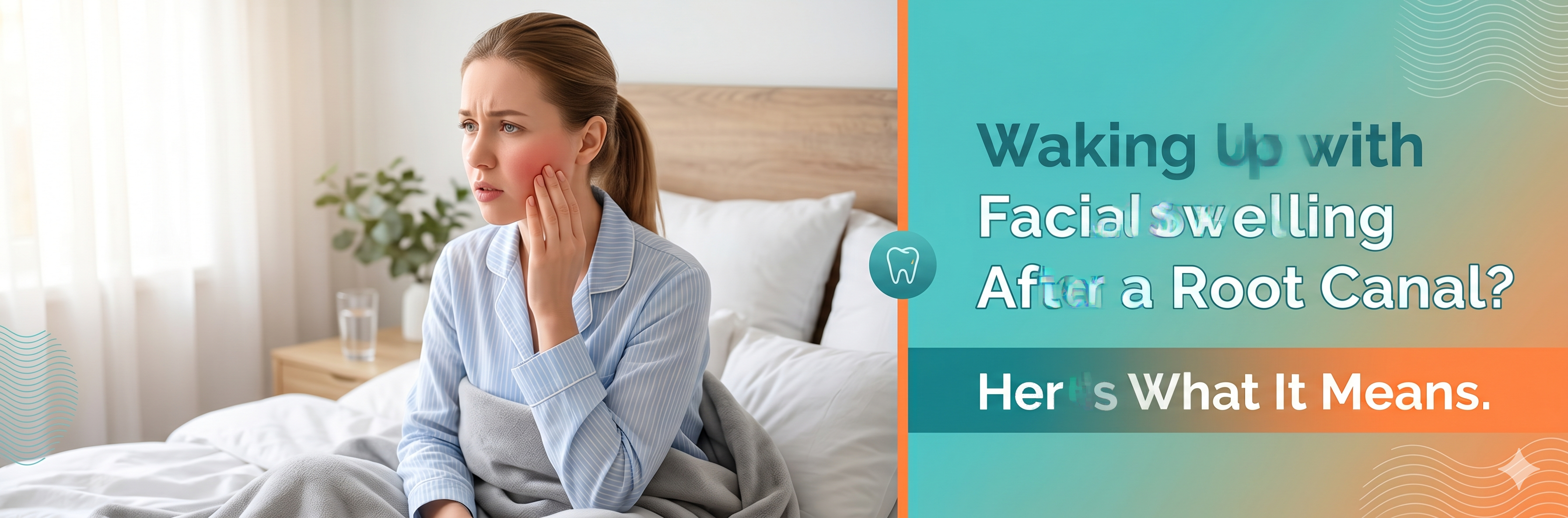
Waking Up with Facial Swelling After a Root Canal? Here's What It Means
Language :
Topics:
Life is a sudden havoc. Waking Up to a Swollen Face After a Root Canal Can Be Alarming
A friend of mine was confidence that he went to clinic for treatment yet sad news it turn differently. You finally completed your root canal treatment and expected the pain and discomfort to start fading away. After all, the purpose of a root canal is to eliminate infection, relieve pain, and save your natural tooth. You go to bed feeling hopeful that the worst is over.
Then the next morning arrives.
You glance in the mirror and immediately notice something isn't quite right. One side of your face looks puffy. Your cheek feels swollen. Perhaps your jaw feels tight or tender when you touch it.
Naturally, questions start flooding your mind:
-
Is this normal?
-
Did my root canal fail?
-
Is the infection spreading?
-
Do I need antibiotics?
-
Should I call my dentist immediately?
-
Is this an emergency?
The good news is that facial swelling after a root canal is relatively common and, in many cases, is simply part of the body's normal healing response. However, there are situations where swelling can signal an ongoing infection or a complication this makes my heart beat faster as I think many case could happened in my life that requires.
Understanding why swelling occurs, what symptoms are considered normal, and when to seek help can provide peace of mind while protecting your oral and overall health.
For patients throughout the New York United States, post-root canal swelling ranges from mild and temporary to more serious cases involving persistent infection, hidden canals, root fractures, or treatment failure. Knowing the difference between normal healing and warning signs can help you make informed decisions about your recovery.
Understanding What Happens During a Root Canal
Before discussing swelling, it helps to understand what occurs during root canal treatment.
Inside every tooth is a soft tissue called the dental pulp. This pulp contains:
-
Blood vessels
-
Nerves
-
Connective tissue
When bacteria enter the pulp due to deep decay, trauma, cracks, or repeated dental procedures, infection develops.
During a root canal, the dentist or endodontist:
-
Removes the infected pulp.
-
Cleans and disinfects the root canal system.
-
Shapes the canals for filling.
-
Seals the canals to prevent reinfection.
-
Places a restoration or crown to protect the tooth.
Although the infection source is removed, the tissues surrounding the tooth still require time to heal. Just like any medical procedure, the body's immune system reacts to treatment and begins the recovery process.
This healing response is often responsible for temporary swelling.
Why Does Facial Swelling Occur After a Root Canal?
Several factors can contribute to facial swelling following treatment.
1. Residual Inflammation from Treatment
Even when a root canal is performed perfectly, the procedure can temporarily irritate the tissues surrounding the tooth.
Tiny instruments are used to clean and shape the canals. This process can cause minor inflammation around the root tip.
Think about what happens when you sprain an ankle or bump your knee.
Your body responds by sending:
-
Blood flow
-
Immune cells
-
Healing proteins
-
Repair mechanisms
The same process occurs around a treated tooth.
As healing begins, you may experience:
-
Mild cheek puffiness
-
Gum tenderness
-
Jaw soreness
-
Sensitivity when biting
This type of swelling is generally temporary and often improves within a few days.
2. A Pre-Existing Dental Abscess
Many patients requiring root canal therapy already have significant infection before treatment begins.
The infection may have been present for:
-
Several weeks
-
Several months
-
Even years
By the time treatment occurs, bacteria may have already spread beyond the tooth into surrounding tissues.
This can result in:
-
A dental abscess
-
Bone inflammation
-
Soft tissue infection
-
Significant swelling
When the root canal removes the source of infection, the body still needs time to clear away damaged tissue, inflammatory fluids, and bacterial debris.
As a result, swelling may temporarily remain or even increase slightly before improving.
This is often part of the normal healing process.
3. Bacterial Toxins Released During Healing
Many people assume that once bacteria die, healing happens instantly.
In reality, the body's cleanup process takes time.
As bacteria are destroyed, they release substances known as inflammatory byproducts and toxins.
Your immune system works to eliminate these materials from the tissues surrounding the tooth.
During this process, some patients may notice:
-
Increased tenderness
-
Pressure sensations
-
Mild swelling
-
Temporary discomfort
This does not necessarily indicate that the treatment failed.
In many cases, it is evidence that the body is actively healing.
4. Individual Immune System Response
Every person's body heals differently.
Two patients can undergo identical root canal procedures and experience very different recovery patterns.
Some individuals experience:
-
Little to no swelling
-
Minimal discomfort
-
Rapid healing
Others may develop:
-
Noticeable facial puffiness
-
Increased tenderness
-
Longer healing times
Factors influencing recovery include:
-
Age
-
General health
-
Smoking
-
Diabetes
-
Autoimmune disorders
-
Stress levels
-
Sleep quality
-
Nutritional status
Patients with stronger inflammatory responses may show more visible swelling even when treatment is progressing normally.
5. Instrumentation Beyond the Root Tip
During root canal treatment, very small amounts of debris may occasionally move beyond the root tip.
This debris can include:
-
Microscopic tissue particles
-
Bacterial remnants
-
Cleaning materials
The surrounding tissues may temporarily react to this irritation.
When this occurs, patients may experience:
-
Mild swelling
-
Temporary soreness
-
Increased sensitivity
Fortunately, the immune system typically resolves this inflammation within several days.
What Level of Swelling Is Considered Normal? I feel sad daily because of this infection
One of the most common questions dentists hear is:
"How much swelling is normal after a root canal?"
The answer depends on:
-
Timing
-
Severity
-
Progression
The overall trend is often more important than the amount of swelling itself.
First 24 Hours After Treatment makes me wait to long but I had to be really patience
The first day is when patients are most likely to notice swelling.
Common symptoms include:
-
Mild cheek puffiness
-
Localized gum swelling
-
Tenderness around the tooth
-
Minor jaw discomfort
Many patients notice swelling more prominently when they wake up.
This occurs because lying down allows fluid to accumulate in facial tissues overnight.
Morning puffiness is often more noticeable than swelling later in the day.
Days 2 to 3
The healing response frequently reaches its peak during the second and third day.
At this stage, patients may experience:
-
Mild facial fullness
-
Increased tenderness
-
Chewing sensitivity
-
Mild pressure sensations
This can feel concerning, but it is often a normal phase of recovery.
Just as swelling after a sports injury may worsen before improving, post-root canal swelling can follow a similar pattern.
After 72 Hours
By the third day, improvement should begin.
Most patients notice:
-
Reduced swelling
-
Less discomfort
-
Improved chewing ability
-
Decreased tenderness
Complete resolution may take longer, especially when a significant infection existed before treatment.
However, the overall direction should be toward improvement rather than worsening.
Why Swelling Often Looks Worse in the Morning this make me panic
Many patients panic because their face appears significantly more swollen upon waking.
Fortunately, this is often completely normal.
When you lie flat overnight:
-
Gravity changes fluid distribution
-
Blood circulation patterns shift
-
Fluids accumulate in soft tissues
As a result, facial puffiness often appears worse first thing in the morning.
After standing, moving around, and remaining upright for several hours, swelling frequently decreases.
This phenomenon is similar to the mild facial puffiness many people notice after sleep, even without dental treatment.
How to Reduce Swelling After a Root Canal feels much better to view in the mirror
Several home care strategies can help minimize discomfort and support healing.
Apply Cold Compresses
During the first 24 hours, applying a cold pack may reduce inflammation.
Apply ice externally:
-
15 minutes on
-
15 minutes off
Avoid placing ice directly against the skin.
Keep Your Head Elevated
When sleeping:
-
Use an extra pillow
-
Keep your head slightly elevated
This helps reduce fluid accumulation and may lessen morning swelling.
Take Prescribed Medications
If your dentist prescribed:
-
Antibiotics
-
Anti-inflammatory medications
-
Pain relievers
Take them exactly as directed.
Do not stop antibiotics early simply because symptoms improve.
Stay Hydrated
Adequate hydration supports healing and helps your body eliminate inflammatory byproducts.
Drink plenty of water throughout recovery.
Avoid Smoking
Smoking significantly delays healing.
It reduces blood flow, impairs immune function, and increases the risk of complications after dental procedures.
Patients who smoke often experience:
-
Longer healing times
-
Greater inflammation
-
Increased infection risk
Eat Soft Foods
For several days after treatment, choose foods that minimize pressure on the treated tooth.
Good options include:
-
Yogurt
-
Scrambled eggs
-
Smoothies
-
Soup
-
Mashed potatoes
-
Soft pasta
Avoid hard, crunchy, or sticky foods until discomfort subsides.
Red Flags: Signs the Swelling May Be Serious take note on this information
While mild swelling is often expected, certain symptoms should never be ignored.
These warning signs may indicate a spreading infection or another serious complication.
Emergency Warning Signs
Seek immediate medical attention if you experience:
-
Difficulty breathing
-
Difficulty swallowing
-
Rapidly expanding facial swelling
-
Swelling extending into the neck
-
Swelling around the eye
These symptoms can indicate a potentially dangerous infection requiring urgent treatment.
Other Concerning Symptoms
Contact your dentist promptly if you notice:
-
Fever
-
Chills
-
Severe throbbing pain
-
Persistent pus drainage
-
Worsening swelling after three days
-
Increasing discomfort rather than improvement
-
Difficulty opening your mouth
These signs suggest the healing process may not be progressing normally.
When Persistent Swelling May Indicate Root Canal Failure
Most root canals have excellent long-term success rates.
However, no dental procedure is successful 100% of the time.
If swelling persists or returns weeks, months, or even years later, further investigation may be necessary.
Missed Canals
One of the most common causes of root canal failure is a missed canal.
Many teeth contain complex anatomy.
For example:
-
Upper molars often have four canals.
-
Some molars contain five canals.
-
Rare teeth may contain six or more canals.
If a canal remains untreated, bacteria can continue surviving inside the tooth.
Over time, this may lead to:
-
Recurrent infection
-
Persistent swelling
-
Abscess formation
-
Ongoing pain
Hidden Fourth and Fifth Canals
Endodontists frequently discuss the famous MB2 canal found in many upper molars.
This canal is often extremely difficult to locate.
Without advanced technology such as:
-
CBCT scans
-
Dental operating microscopes
-
Ultrasonic instruments
these canals can remain hidden.
If bacteria survive within an untreated canal, symptoms may eventually return despite previous treatment.
Vertical Root Fractures
A crack extending into the root can create a pathway for bacteria.
These fractures are notoriously difficult to diagnose.
Common symptoms include:
-
Recurring swelling
-
Intermittent pain
-
Gum abscesses
-
Persistent infection
Advanced imaging often plays a critical role in identifying root fractures.
Unfortunately, some fractured teeth cannot be saved.
Coronal Leakage
Even when the root canal itself is successful, bacteria can re-enter the tooth if the restoration fails.
This may occur due to:
-
Cracked crowns
-
Broken fillings
-
Lost restorations
-
Delayed crown placement
Once bacteria regain access to the root canal system, reinfection can occur.
Swelling may be one of the first symptoms patients notice.
Complex Root Anatomy
Traditional dental X-rays provide only a two-dimensional image.
Unfortunately, teeth are three-dimensional structures.
Hidden anatomy may remain invisible on standard radiographs.
Advanced imaging such as CBCT scans allows dentists to identify:
-
Additional canals
-
Root fractures
-
Bone loss
-
Persistent infection
-
Anatomical variations
These findings often explain why symptoms continue despite previous treatment.
When Should You Contact Your Dentist?
As a general rule, contact your dentist if:
-
Swelling worsens instead of improves.
-
Symptoms persist beyond several days.
-
Fever develops.
-
Pain becomes severe.
-
You notice drainage or a bad taste.
-
Swelling spreads to the eye or neck.
Dentists would much rather evaluate a concern early than allow a complication to progress.
Prompt intervention often prevents more serious problems.
The Bottom Line
Waking up with facial swelling after a root canal can be unsettling, but in many cases it is a normal part of healing. Mild swelling, tenderness, and cheek puffiness often occur because the body's immune system is actively repairing tissues that were affected by infection and treatment.
Most swelling peaks within the first 48 to 72 hours and then gradually improves. Morning puffiness is particularly common because fluids naturally accumulate while lying down overnight.
However, swelling should always be monitored carefully. Symptoms such as fever, worsening pain, difficulty swallowing, difficulty breathing, neck swelling, or rapidly expanding facial swelling require immediate professional evaluation.
If swelling persists long after treatment or returns months or years later, hidden issues such as missed canals, root fractures, coronal leakage, or persistent infection may need to be investigated by a dentist or endodontist.
The key message is simple: mild swelling is often normal, but worsening swelling is not. When in doubt, contact your dental professional. Early evaluation provides peace of mind, supports successful healing, and helps ensure your root canal treatment delivers the long-term results it was designed to achieve.
Can tooth extraction cause infection? Mild inflammation is normal, but increasing swelling, fever, or severe pain may indicate infection. Learn more about post-extraction infection warning signs in this detailed guide.
Book a consultation with our Cebu dental specialists for proper evaluation and care.
Ready to get expert guidance?
If you’re experiencing severe pain or delayed healing, book a consultation with our Cebu dental specialists to get proper evaluation and care.
Consultation or contact page .
Book a Consultation
For severe discomfort or delayed healing, book a consultation with our Cebu dental specialists today.
Looking for a dentist? Browse our Cebu dental directory to find trusted clinics near you.
Medical Review and Clinical Basis
This article is based on clinical dental guidelines and real patient recovery patterns observed after tooth extraction procedures. The information reflects common post-extraction healing stages, including normal clot formation, gum tissue repair, and signs of possible complications such as dry socket or infection.
While mild discomfort is expected after a dental extraction, worsening pain after Day 3, bad odor, exposed bone, or spreading pain may require professional evaluation. These symptoms are consistent with known post-extraction complications described in standard dental practice.
About Cebu Dental Implants
Cebu Dental Implants provides comprehensive tooth extraction, surgical procedures, and dental implant services in the Philippines. Our team evaluates post-extraction healing, manages complications such as dry socket, and advises patients on proper aftercare to prevent infection and delayed healing.
If you experience severe pain or unusual symptoms after extraction, early professional assessment is recommended to prevent further complications.
Important Medical Disclaimer
This content is for educational purposes only and does not replace professional dental diagnosis. Every patient heals differently. If symptoms worsen or do not improve within a few days, consult a licensed dentist for proper evaluation and treatment.
Author
This article was prepared by the Cebu Dental Implants content team in consultation with licensed dental professionals experienced in tooth extraction and implant procedures.
Video:
Related Clinical Cases
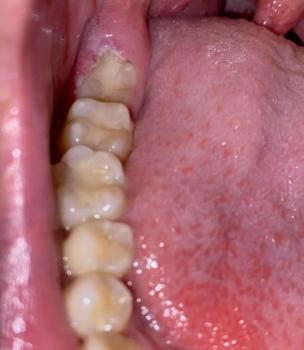
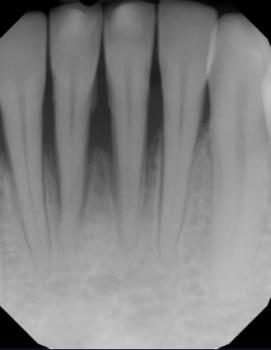
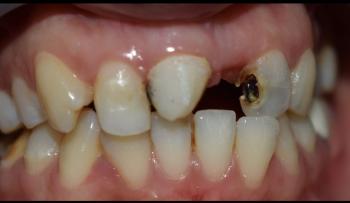
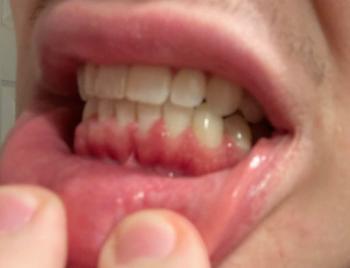
Patients with lower front gum inflammation may also experience tartar buildup, periodontal disease, gum abscesses, or tooth decay. Explore these related clinical case studies.