Missing Teeth? Find Your Smile Again.

10 Common Questions About Dental Bone Loss
-
Can jawbone loss be reversed? Yes, through bone grafting procedures that encourage new bone growth and restore structural volume.
-
How much bone is needed? Dentists generally require a minimum of about 1 millimeter of bone width and 10 millimeters of length, though exact dimensions depend on the implant size and location.
-
Do I need a bone graft? Not always, but you will need one if your remaining jawbone is too thin or soft to securely anchor and support an implant.
-
How long after extraction does it occur? Rapid bone resorption begins almost immediately, with the most significant volume loss happening within the first 6 months following a tooth extraction.
-
What causes bone loss around implants? Chronic inflammation from gum infections (peri-implantitis), excessive bite pressure, or poor initial osseointegration can cause bone deterioration around an existing implant.
-
How much does a graft cost? In the Philippines, dental bone grafts typically range from PHP 15,000 to PHP 50,000 per site, depending on the complexity and materials used.
-
Can gum disease cause it? Yes, advanced periodontitis destroys the supporting soft tissue and gradually breaks down the underlying alveolar jawbone.
-
What happens if it's untreated? Untreated bone loss leads to facial sagging, shifting of adjacent teeth, bite misalignment, and the eventual inability to support dental prosthetics.
-
How can you rebuild jawbone? Jawbone can be rebuilt using autografts (bone from your own body), allografts (donor bone), xenografts (animal-derived bone), alloplasts (synthetic materials), or via procedures like sinus lifts and ridge expansion.
Related Clinical Cases
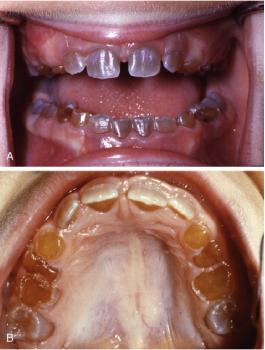
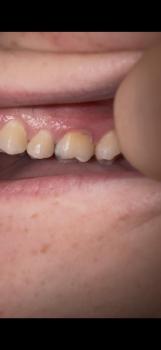
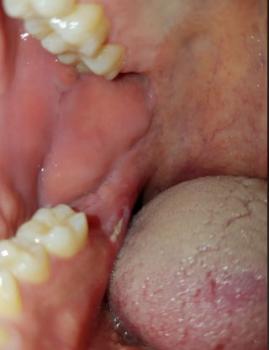
Patients with lower front gum inflammation may also experience tartar buildup, periodontal disease, gum abscesses, or tooth decay. Explore these related clinical case studies.



Other topics:
Other Dental Clinic