Transforming Smiles, Restoring Confidence.

The Empowered Pause: Why 45% of Filipino Women May Choose Singlehood by 2030
Language :
Topics:
The Empowered Pause: Why Filipino Women Are Redefining Success and Choosing Singlehood
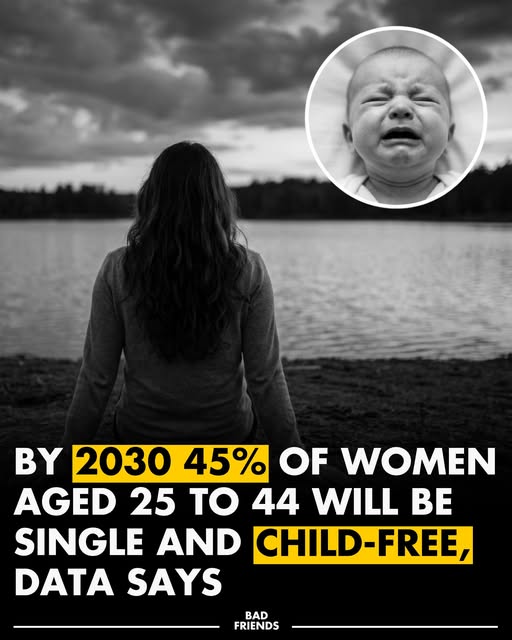
In a nation where family and community have long been cornerstones of society, a quiet but powerful revolution is reshaping the Filipino landscape. Recent forecasts suggest that by 2030, a significant share of women in their prime years—possibly around 45% of those aged 25 to 44—may be single and without children
. This statistic isn't merely a demographic blip; it's the visible result of deep societal currents where personal ambition, economic pragmatism, and a conscious re-evaluation of traditional life paths are converging.
The Data Behind the Shift
The trend toward singlehood is part of a broader national transformation. As of 2025, an estimated 49% of all Filipinos are single, a steady increase from 39% in the year 2000. For women, this choice is closely tied to a dramatic decline in the national fertility rate, which has fallen from 1.6% to 0.8% in recent years. As shown below, this decline is strongly linked to women's rising socioeconomic status, creating a powerful feedback loop that encourages independence.
More Than a Trend: A Calculated Choice for Agency
Experts emphasize that this is not a story of declining fulfillment but of evolving priorities
. Filipino women are making deliberate choices to pursue education, secure their finances, and build careers before considering marriage and motherhood
. This "empowered pause" is a rational response to several intertwined factors:
-
The Heavy Cost of Unpaid Labor: A major deterrent is the unequal burden of domestic work. In the Philippines, women contribute 76% of all unpaid care work
. Married Filipino women are three to four times more likely than men to cite housework as their reason for not seeking employment, and they face a tangible "motherhood penalty," earning less than their single peers. For many, adding a child is associated with more unpaid labor, influencing their decision to prefer fewer children.
-
Economic Pressures and Gender Gaps: While the Philippines performs well on global gender equality rankings, significant barriers remain
- . Women's labor force participation is stubbornly low at 49%, and a vast wage gap exists in low-skill jobs, where men earn over 50% more than women. In this context, pursuing a stable career often takes clear precedence over starting a family
-
Access and Autonomy: Over 8.5 million Filipino women now use modern family planning methods, giving them greater control over their reproductive lives than ever before
-
. This technological empowerment allows them to align family plans with personal and professional goals on their own terms.
The Broader Impact: Reshaping the Nation's Future
This societal shift will have profound implications. Economically, it signals the rise of the "SHEconomy"—a growing class of financially independent women whose spending and investment habits will reshape consumer markets, demand new housing models, and require tailored healthcare and financial services.
Demographically, the declining fertility rate means the Philippines is on a path to becoming an aging society, a transition with significant implications for the workforce and social services. Furthermore, this trend touches on governance. Academic research has consistently shown a link between higher representation of women in politics (Women in Parliament, or WIP) and lower corruption, often mediated through increased social spending. As more educated, economically independent women choose to remain single, they may form a powerful constituency demanding greater transparency, accountability, and investment in social services from their government.
Conclusion: A Redefinition of Success
The rising number of single, childless women in the Philippines is not a crisis of family values, but a sign of societal maturation. It reflects the hard-won right of Filipino women to define success on their own terms—valuing education, career, financial independence, and personal well-being as much as, or more than, traditional roles. Their choices are creating a more diverse, complex, and independent society. The true challenge, and opportunity, lies in building an economy, a culture, and a government that supports this new reality, ensuring that every Filipino can pursue a fulfilling life, regardless of their relationship or parental status.
I hope this expanded analysis provides a solid foundation for your blog. If you would like to focus on a specific angle, such as the economic opportunities of the "SHEconomy" or policy recommendations, I can provide further details.
Looking for dentist : Visit directory list
Teeth Case
 |
 |
 |
 |
 |
 |