We Bring Back the Sparkle in Your Smile.

Dental Implants vs Dentures: Which Is Better? (Complete Guide 2025)
Language :
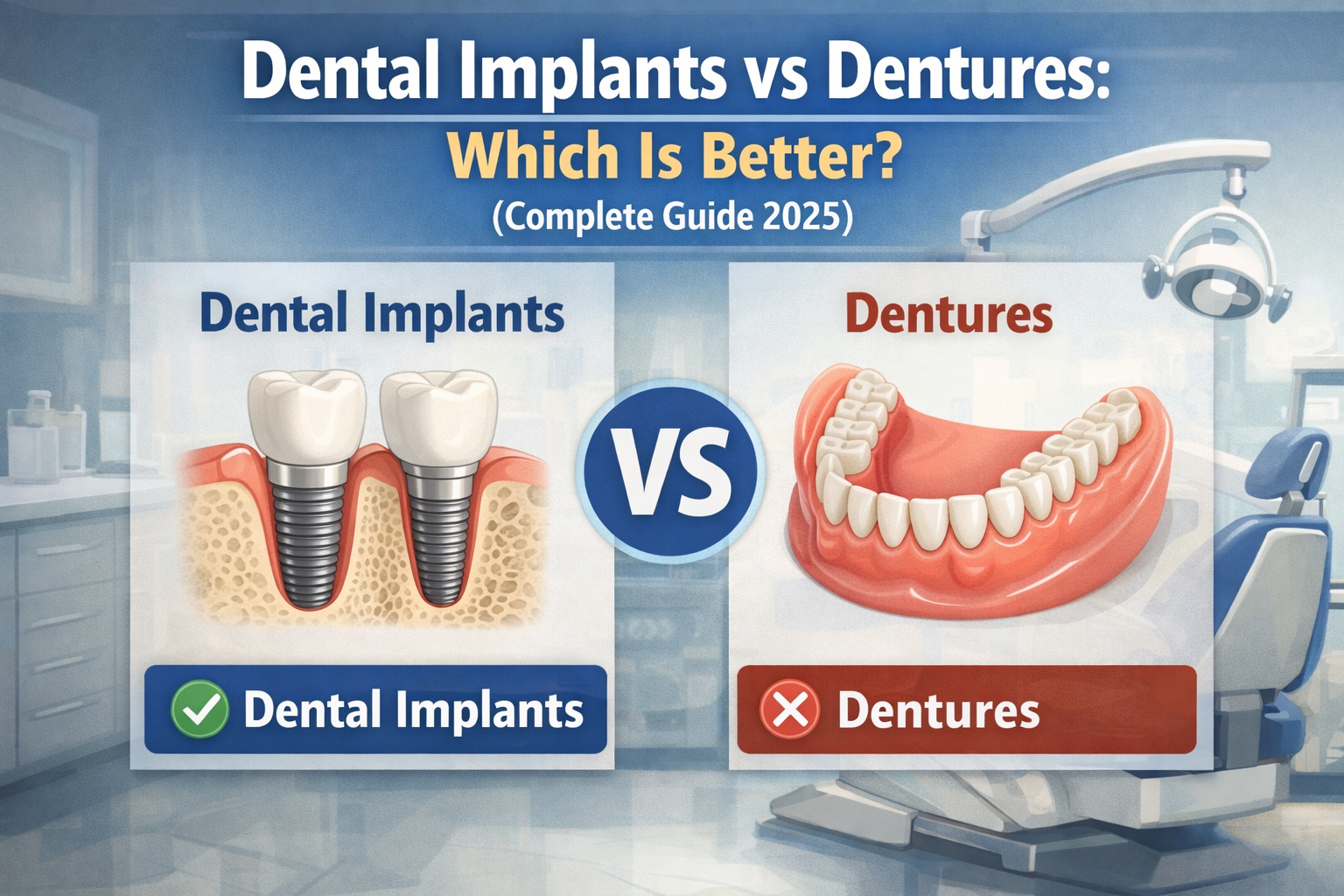
If you’re missing teeth, you’ve likely heard about two main options: dental implants and dentures. Both restore your smile, but they differ in comfort, durability, cost, and long-term results.
So which is better? The answer depends on your needs, budget, and oral health.
What Are Dental Implants?
Dental implants are titanium posts placed into the jawbone to act as artificial tooth roots. A crown is then attached to restore the appearance and function of a natural tooth.
Key features:
- Fixed and permanent solution
- Feels like natural teeth
- Requires surgery
What Are Dentures?
Dentures are removable appliances that replace missing teeth. They can be full (entire arch) or partial (several missing teeth).
Key features:
- Removable
- Non-surgical option
- Lower upfront cost
Dental Implants vs Dentures: Key Differences
Stability and Comfort
Dental implants are fixed in the jaw, making them more stable and comfortable. Dentures may move or slip, especially while eating or speaking.
Appearance
Implants look and feel like natural teeth. Dentures can also look natural but may not feel the same over time.
Durability
- Implants: Can last 10–20 years or more
- Dentures: Typically last 5–10 years and may need replacement
Bone Health
Maintenance
- Implants: Brushed like natural teeth
- Dentures: Removed daily for cleaning
Cost Comparison
- Implants: Higher initial cost but long-term value
- Dentures: Lower upfront cost but may require replacement
Pros and Cons
Dental Implants
Advantages:
- Long-lasting solution
- Natural function and appearance
- Prevents bone loss
Disadvantages:
- Higher cost
- Requires surgery
- Healing time needed
Dentures
Advantages:
- More affordable initially
- No surgery required
- Faster solution
Disadvantages:
- May feel uncomfortable
- Can slip or move
- Does not prevent bone loss
Which Option Is Better?
From a dental expert perspective:
- Choose dental implants if you want a long-term, natural, and stable solution
- Choose dentures if you prefer a lower-cost, non-surgical option
Expert insight:
“Dental implants are often considered the gold standard, but dentures remain a practical solution for many patients.”
Who Is a Good Candidate for Each?
Dental Implants
- Healthy gums and sufficient bone
- Willing to undergo surgery
- Looking for a permanent solution
Dentures
- Significant tooth loss
- Limited budget
- Prefer non-invasive treatment
Risks to Consider
Both options have risks:
- Implants may involve complications like Dry Socket or healing issues
- Dentures may cause irritation or fit problems over time
Proper care and professional guidance reduce these risks.
Conclusion
Dental implants and dentures both restore your smile—but they serve different needs.
If you want long-term comfort, stability, and natural results, implants are often the better choice. If you need a quick and affordable solution, dentures can still be effective.
The best option depends on your personal situation—so a professional consultation is always recommended.
FAQ
Are dental implants better than dentures?
In terms of durability and comfort, yes—but dentures are more affordable.
How long do dental implants last?
10–20 years or more with proper care.
Do dentures look natural?
Yes, but they may not feel as natural as implants.
Can I switch from dentures to implants later?
Yes, many patients upgrade to implants when ready.
Final Advice
Choosing between dental implants and dentures is a big decision. The best way to decide is to consult a dental professional who can evaluate your needs and recommend the right solution.
Can tooth extraction cause infection? Mild inflammation is normal, but increasing swelling, fever, or severe pain may indicate infection. Learn more about post-extraction infection warning signs in this detailed guide.
Book a consultation with our Cebu dental specialists for proper evaluation and care.
Ready to get expert guidance?
If you’re experiencing severe pain or delayed healing, book a consultation with our Cebu dental specialists to get proper evaluation and care.
Consultation or contact page .
Book a Consultation
For severe discomfort or delayed healing, book a consultation with our Cebu dental specialists today.
Looking for a dentist? Browse our Cebu dental directory to find trusted clinics near you.
Medical Review and Clinical Basis
This article is based on clinical dental guidelines and real patient recovery patterns observed after tooth extraction procedures. The information reflects common post-extraction healing stages, including normal clot formation, gum tissue repair, and signs of possible complications such as dry socket or infection.
While mild discomfort is expected after a dental extraction, worsening pain after Day 3, bad odor, exposed bone, or spreading pain may require professional evaluation. These symptoms are consistent with known post-extraction complications described in standard dental practice.
About Cebu Dental Implants
Cebu Dental Implants provides comprehensive tooth extraction, surgical procedures, and dental implant services in the Philippines. Our team evaluates post-extraction healing, manages complications such as dry socket, and advises patients on proper aftercare to prevent infection and delayed healing.
If you experience severe pain or unusual symptoms after extraction, early professional assessment is recommended to prevent further complications.
Important Medical Disclaimer
This content is for educational purposes only and does not replace professional dental diagnosis. Every patient heals differently. If symptoms worsen or do not improve within a few days, consult a licensed dentist for proper evaluation and treatment.
Author
This article was prepared by the Cebu Dental Implants content team in consultation with licensed dental professionals experienced in tooth extraction and implant procedures.
Related Clinical Cases
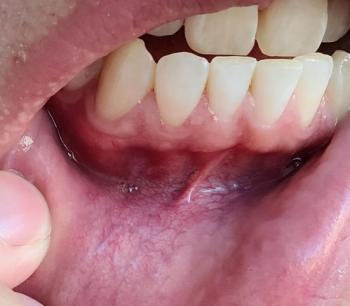
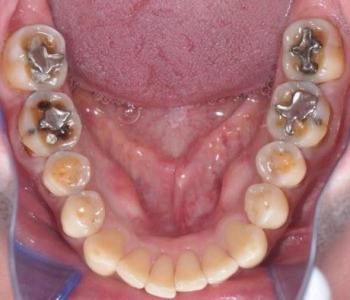
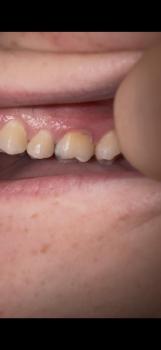
Patients with lower front gum inflammation may also experience tartar buildup, periodontal disease, gum abscesses, or tooth decay. Explore these related clinical case studies.

Other topics:
Other Dental Clinic