Where Bright Smiles Begin.

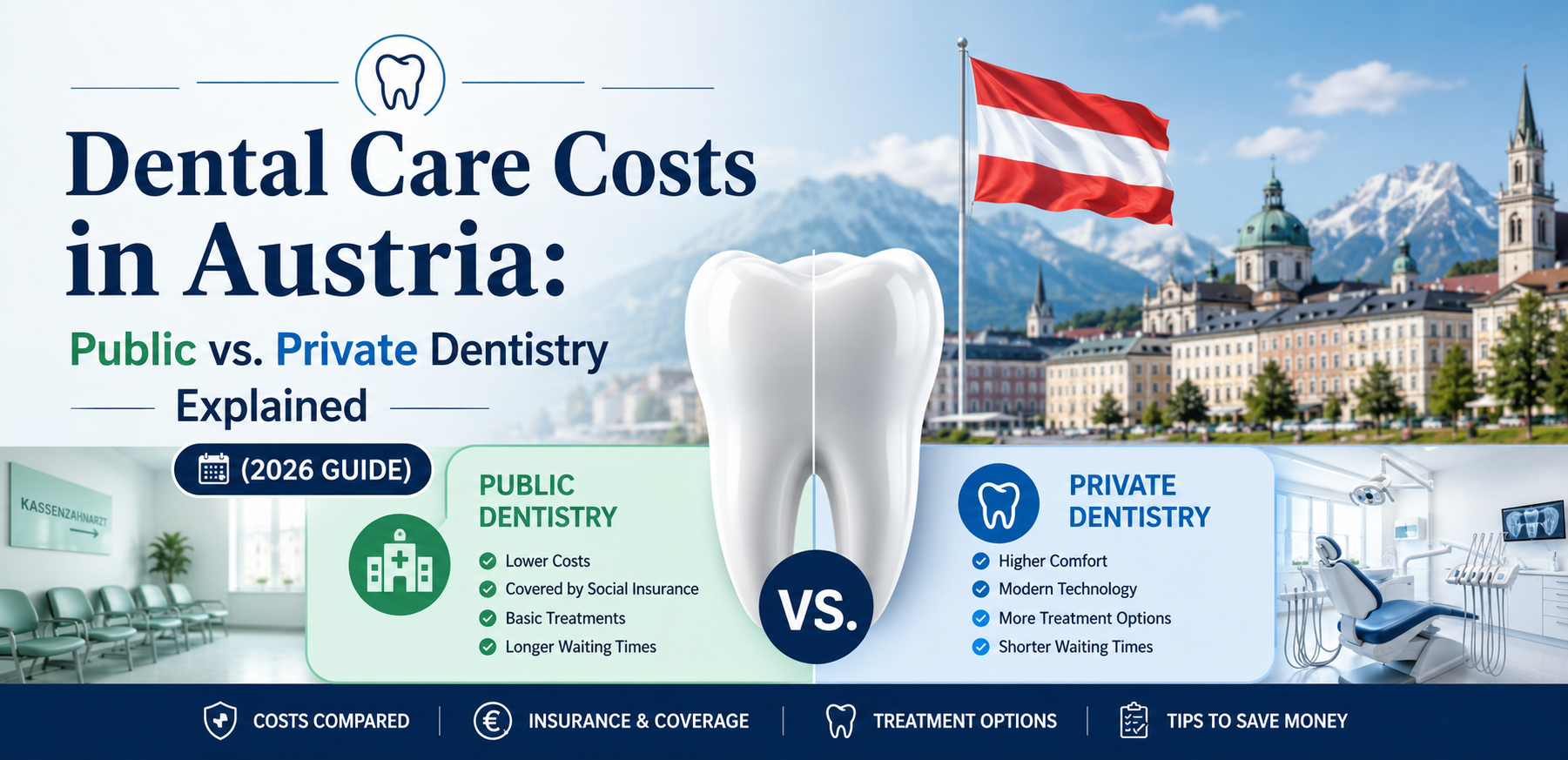
Dental Care Costs in Austria: Public vs. Private Dentistry Explained (2026 Guide)
Language :
Topics:
Austria is widely recognized for having one of Europe's strongest healthcare systems. Residents benefit from comprehensive statutory health insurance that provides access to a broad range of medical services. Dental care, however, operates somewhat differently than general healthcare. While many essential dental procedures are covered by Austria's public insurance system, advanced restorative, cosmetic, and implant treatments often require substantial out-of-pocket payments.
As a dentist who frequently consults with international patients comparing treatment options across Europe, I am often asked whether dental care in Austria is expensive. The answer depends largely on whether treatment is obtained through the public system or private dental practices, as well as the specific procedure being performed.
Understanding the distinction between publicly funded dental care and private dentistry is essential for anyone seeking treatment in Austria. This guide explains what Austrian health insurance covers, what patients typically pay themselves, and how supplementary insurance can help manage costs.
Understanding Austria's Dental Care System
Austria operates a mixed dental healthcare model that combines publicly funded services with a thriving private dental sector.
Most residents are insured through the Austrian Health Insurance Fund, known as the Österreichische Gesundheitskasse (ÖGK). This statutory insurance provides access to dentists contracted with the public system.
Dental providers generally fall into two categories:
Kassenarzt (Public Contract Dentists)
These dentists have agreements with Austrian public health insurance funds.
Patients insured through ÖGK can receive many basic treatments at little or no direct cost when visiting these providers.
Services are billed directly to the insurance fund, reducing financial barriers to necessary dental treatment.
Wahlarzt (Private Dentists)
Private dentists operate independently of public insurance contracts.
Patients pay the full treatment cost upfront.
In some situations, partial reimbursement from the public insurance system may be available.
Private clinics often provide:
- Extended appointment times
- Newer technologies
- Premium materials
- Shorter waiting periods
- Greater treatment flexibility
- Advanced cosmetic procedures
Many Austrians choose private dentists despite higher costs because of the increased treatment options and convenience.
What Does Austrian Public Dental Insurance Cover?
Public dental coverage focuses on medically necessary treatments rather than cosmetic improvements.
Coverage levels may vary slightly depending on the insurance provider and individual circumstances, but most insured residents receive benefits for essential dental care.
Routine Dental Check-Ups
Preventive dentistry remains one of the strongest components of Austria's public dental system.
Most insured patients are entitled to:
- Two dental examinations annually
- Oral health assessments
- Preventive evaluations
- Basic treatment planning
Regular examinations help identify issues before they become severe and expensive.
Dental Cleaning and Scaling
Public insurance generally covers dental scaling intended to remove plaque and tartar buildup.
Covered services typically include:
- Plaque removal
- Tartar removal
- Gum health evaluation
- Preventive maintenance
However, advanced professional hygiene treatments performed in private practices may involve additional fees.
The Importance of Professional Dental Maintenance for Long-Term Oral Health
Maintaining excellent oral health requires more than simply brushing and flossing at home. While daily oral hygiene practices are essential for controlling plaque and preventing tooth decay, regular professional dental care plays an equally important role in preserving healthy teeth and gums. Together, these preventive measures help reduce the risk of common oral diseases such as dental caries (cavities) and periodontal (gum) disease, both of which can significantly impact overall health and quality of life.
Professional dental maintenance involves a series of preventive procedures designed to remove harmful deposits, monitor oral health conditions, and identify potential problems before they become serious. One of the primary goals of routine dental visits is the removal of dental plaque, a sticky bacterial biofilm that continuously forms on tooth surfaces. Even with diligent brushing and flossing, plaque can accumulate in hard-to-reach areas between teeth and along the gumline. If left undisturbed, this bacterial buildup can irritate the gums, leading to inflammation and the early stages of gum disease.
Another critical aspect of professional dental maintenance is the removal of tartar, also known as dental calculus. Tartar develops when plaque remains on the teeth long enough to harden through mineralization. Unlike plaque, tartar cannot be removed using a toothbrush or dental floss. Specialized dental instruments, including ultrasonic scalers and hand instruments, are required to safely eliminate these deposits from both the visible tooth surfaces and below the gumline. Removing tartar is essential because it creates rough surfaces that attract additional bacteria and contribute to the progression of periodontal disease.
Routine dental appointments also provide an opportunity for a comprehensive evaluation of gum health. Dental professionals assess the condition of the gingival tissues, measure periodontal pockets, and look for early signs of inflammation, infection, or bone loss. Early detection is particularly important because periodontal disease often develops gradually and may not cause noticeable symptoms until significant damage has occurred. Identifying and addressing these issues early can help prevent irreversible tissue destruction and tooth loss.
Beyond cleaning and examination, professional dental maintenance serves as an important form of preventive healthcare. Regular check-ups allow dentists and hygienists to monitor changes in oral health over time, reinforce proper oral hygiene techniques, and provide individualized recommendations based on each patient's needs. These visits may also reveal signs of systemic health conditions that can manifest in the mouth, including diabetes, cardiovascular disease, nutritional deficiencies, and certain autoimmune disorders.
Consistent professional dental care offers long-term benefits that extend far beyond a brighter smile. By combining routine cleanings, tartar removal, gum health assessments, and preventive guidance with effective daily home care, patients can significantly reduce their risk of oral disease and maintain their natural teeth for many years. Investing in regular dental maintenance not only protects oral health but also contributes to overall wellness, making it one of the most valuable preventive healthcare practices available.
Fillings
When cavities occur, public insurance generally covers standard restorative materials.
Coverage often includes:
Front Teeth
White composite fillings may be covered due to aesthetic considerations.
Back Teeth
Amalgam fillings remain the standard publicly funded option in many cases.
Patients preferring tooth-colored composite restorations on molars usually pay the difference themselves.
Root Canal Treatment
Root canal therapy is generally covered when medically necessary to save a tooth.
Coverage often includes:
- Diagnosis
- X-rays
- Root canal treatment
- Basic restoration
However, specialized endodontic procedures performed under microscopes or using advanced technologies may incur extra charges.
Tooth Extractions
Simple and surgical extractions are typically covered when medically necessary.
Common examples include:
- Severely decayed teeth
- Infected teeth
- Non-restorable teeth
- Emergency pain relief situations
Public insurance prioritizes removing disease and relieving pain.
Emergency Dental Care
Emergency dental treatment receives significant support under Austria's healthcare system.
Covered emergency services may include:
- Pain management
- Infection treatment
- Emergency extractions
- Temporary restorations
This ensures patients can obtain urgent care regardless of financial circumstances.
Treatments Usually Not Covered by Public Insurance
Although Austria provides excellent basic dental care, many modern restorative and cosmetic procedures fall outside public funding.
These treatments generally require private payment.
Dental Implants
Dental implants represent one of the most significant out-of-pocket dental expenses in Austria.
Public insurance generally does not cover implants because they are viewed as an advanced replacement option rather than a medically necessary treatment.
Typical costs include:
- Implant placement
- Abutment
- Crown
- Diagnostic imaging
- Surgical planning
A single implant may cost between €2,000 and €4,500 or more depending on complexity and materials.
Patients requiring multiple implants or full-mouth rehabilitation can face costs reaching tens of thousands of euros.
Dental Crowns
Crowns are commonly recommended when teeth are weakened or heavily restored.
Public insurance coverage is limited.
Patients often pay privately for:
- Porcelain crowns
- Zirconia crowns
- Metal-ceramic crowns
- Premium aesthetic restorations
Average crown costs range from €600 to €1,500 per tooth.
Dental Bridges
Bridges replace missing teeth using adjacent teeth as support.
Public funding is typically restricted.
Private costs commonly range from:
- €1,500 to €4,000+
- Depending on span length
- Material selection
- Laboratory fees
Cosmetic Dentistry
Purely aesthetic procedures are almost always excluded from public insurance.
Examples include:
- Teeth whitening
- Smile makeovers
- Veneers
- Cosmetic bonding
- Gum contouring
These treatments are considered elective rather than medically necessary.
Adult Orthodontics
While orthodontic treatment for children may receive partial support under specific circumstances, adult orthodontics is generally not covered.
Adults usually pay privately for:
- Metal braces
- Ceramic braces
- Lingual braces
- Clear aligners
Treatment costs frequently range between €3,000 and €8,000.
Why Private Dentistry Costs More
Many patients wonder why private treatment costs differ so dramatically from public dental services.
Several factors contribute.
Advanced Technology
Private clinics often invest heavily in:
- CBCT scanners
- Digital impressions
- CAD/CAM systems
- Surgical guides
- Intraoral scanners
- Dental microscopes
These technologies improve precision but increase operating costs.
Premium Materials
Private practices frequently use:
- High-end ceramics
- Premium composites
- Advanced implant systems
- Digital laboratory services
Superior materials often provide better aesthetics and longevity.
More Time Per Patient
Private dentists usually schedule longer appointments.
This allows:
- Detailed consultations
- Comprehensive treatment planning
- Personalized care
- Greater patient education
Longer appointment times contribute to higher fees.
Laboratory Costs
Many restorative treatments require custom fabrication by dental laboratories.
Laboratory expenses often account for a substantial portion of treatment costs.
Premium European-made restorations can significantly increase overall pricing.
How Reimbursement Works for Private Treatment
One advantage of Austria's healthcare system is that patients may receive partial reimbursement even when choosing private dentists.
After treatment:
- The patient pays the private dentist.
- An invoice is submitted to the health insurance fund.
- The insurer evaluates the claim.
- Partial reimbursement may be issued.
The reimbursement amount is usually based on what the public system would have paid for the same treatment.
In many cases, patients receive up to approximately 80% of the public tariff amount.
It is important to understand that this is not 80% of the private dentist's fee.
The difference can be substantial.
For example:
Public reimbursement benchmark: €100
Private dentist fee: €250
Potential reimbursement: €80
Patient responsibility: €170
Patients should always verify expected reimbursement before treatment.
Regional Differences in Dental Costs
Dental fees can vary considerably throughout Austria.
Vienna
Austria's capital generally has:
- Higher overhead costs
- Greater competition
- More specialized clinics
Prices may be among the highest nationwide.
Salzburg
Popular with international residents and tourists, Salzburg often features premium dental clinics and pricing.
Graz
Dental costs may be somewhat lower than Vienna while still offering high-quality services.
Rural Areas
Smaller towns often have lower operating costs.
As a result, patients may find reduced fees compared with major urban centers.
However, highly specialized procedures may require travel to larger cities.
The Importance of Written Treatment Estimates
One of the smartest financial decisions patients can make is requesting a written treatment estimate before beginning extensive dental work.
This estimate should include:
- Diagnosis
- Proposed treatment
- Material choices
- Laboratory fees
- Expected insurance reimbursement
- Patient out-of-pocket costs
A written estimate allows patients to:
- Compare providers
- Budget effectively
- Avoid unexpected expenses
- Understand treatment alternatives
For major procedures such as implants, crowns, and bridges, obtaining multiple opinions can be valuable.
Supplementary Dental Insurance in Austria
Because public coverage has significant limitations, many Austrians purchase supplementary dental insurance.
These policies help cover treatments not fully funded by the state.
What Supplementary Insurance Typically Covers
Benefits vary widely by provider.
Common areas of coverage include:
- Dental implants
- Crowns
- Bridges
- Dentures
- Orthodontics
- Professional cleanings
- Composite fillings
- Preventive care
Coverage limits often increase over time.
Understanding Waiting Periods
Most supplementary plans impose waiting periods before major benefits become available.
These periods can range from:
- Three months
- Six months
- One year
- Several years
Insurance purchased after dental problems already exist may provide limited benefits.
The Benefit Ladder
A unique feature of many Austrian dental insurance policies is the "benefit ladder."
This means reimbursement increases gradually over several years.
Example:
Year 1: €500 annual coverage
Year 2: €1,000 annual coverage
Year 3: €1,500 annual coverage
Year 4+: Higher coverage limits
Patients should carefully evaluate these structures before purchasing a policy.
Is Supplementary Insurance Worth It?
The answer depends on individual circumstances.
Insurance may be beneficial for:
- Families with children
- Individuals anticipating implants
- Patients requiring orthodontics
- Those with a history of significant dental problems
Insurance may be less advantageous for:
- Individuals with excellent oral health
- Those requiring only routine care
- Patients unlikely to need extensive treatment
Calculating long-term premiums versus expected benefits is essential.
Tax Advantages for Dental Treatment
Many Austrian residents are unaware that certain dental expenses may qualify as tax-deductible extraordinary expenses.
Potentially eligible treatments include:
- Crowns
- Bridges
- Dentures
- Implant treatment
- Major restorative procedures
Tax treatment depends on individual financial circumstances and current regulations.
Consulting a tax professional can help maximize available deductions.
How Austria Compares with Other European Countries
Austria's dental costs generally fall within the upper-middle range of European pricing.
Compared with neighboring countries:
Germany
Similar costs for most treatments.
Switzerland
Significantly more expensive than Austria.
Hungary
Often considerably cheaper, especially for implants.
Czech Republic
Generally lower treatment costs.
Slovakia
Frequently attracts dental tourism due to lower fees.
As a result, some Austrian residents travel abroad for major restorative work.
However, treatment quality, follow-up care, and warranty considerations should always be evaluated carefully.
Tips for Reducing Dental Costs in Austria
Patients can minimize expenses through several practical strategies.
Prioritize Preventive Care
Routine examinations and cleanings remain the most cost-effective dental investment.
Preventing disease is almost always less expensive than treating it.
Compare Treatment Plans
Obtaining multiple consultations may reveal significant cost differences.
Different dentists may recommend different approaches.
Understand Insurance Benefits
Review coverage details before treatment.
Many patients miss reimbursement opportunities simply because they do not submit claims.
Request Written Estimates
Never proceed with major treatment without a detailed cost breakdown.
Consider Supplementary Insurance Early
Insurance purchased before major dental needs arise typically offers the greatest value.
Final Thoughts
Austria provides excellent access to essential dental care through its public health insurance system. Routine examinations, fillings, root canal treatment, extractions, and emergency services are generally accessible and affordable for insured residents.
However, the public system has clear limitations. Dental implants, crowns, bridges, cosmetic procedures, and adult orthodontics usually require substantial private payments. As a result, many Austrians either purchase supplementary dental insurance or budget independently for advanced dental care.
Patients considering significant treatment should always request a written estimate, investigate reimbursement options, compare providers, and understand the long-term financial implications before proceeding.
With proper planning, informed decision-making, and regular preventive care, maintaining excellent oral health in Austria remains achievable while minimizing unnecessary expenses.
Can tooth extraction cause infection? Mild inflammation is normal, but increasing swelling, fever, or severe pain may indicate infection. Learn more about post-extraction infection warning signs in this detailed guide.
Book a consultation with our Cebu dental specialists for proper evaluation and care.
Ready to get expert guidance?
If you’re experiencing severe pain or delayed healing, book a consultation with our Cebu dental specialists to get proper evaluation and care.
Consultation or contact page .
Book a Consultation
For severe discomfort or delayed healing, book a consultation with our Cebu dental specialists today.
Looking for a dentist? Browse our Cebu dental directory to find trusted clinics near you.
Medical Review and Clinical Basis
This article is based on clinical dental guidelines and real patient recovery patterns observed after tooth extraction procedures. The information reflects common post-extraction healing stages, including normal clot formation, gum tissue repair, and signs of possible complications such as dry socket or infection.
While mild discomfort is expected after a dental extraction, worsening pain after Day 3, bad odor, exposed bone, or spreading pain may require professional evaluation. These symptoms are consistent with known post-extraction complications described in standard dental practice.
About Cebu Dental Implants
Cebu Dental Implants provides comprehensive tooth extraction, surgical procedures, and dental implant services in the Philippines. Our team evaluates post-extraction healing, manages complications such as dry socket, and advises patients on proper aftercare to prevent infection and delayed healing.
If you experience severe pain or unusual symptoms after extraction, early professional assessment is recommended to prevent further complications.
Important Medical Disclaimer
This content is for educational purposes only and does not replace professional dental diagnosis. Every patient heals differently. If symptoms worsen or do not improve within a few days, consult a licensed dentist for proper evaluation and treatment.
Author
This article was prepared by the Cebu Dental Implants content team in consultation with licensed dental professionals experienced in tooth extraction and implant procedures.
Related Clinical Cases
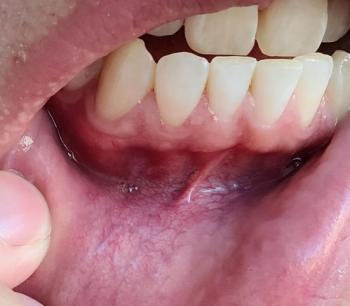
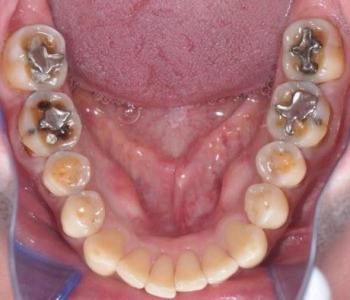
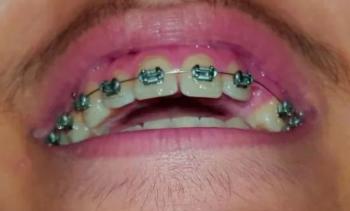
Patients with lower front gum inflammation may also experience tartar buildup, periodontal disease, gum abscesses, or tooth decay. Explore these related clinical case studies.

Other topics:
Other Dental Clinic