Where Bright Smiles Begin.

Dental Care in New Zealand: Free Dental Services, Adult Costs, WINZ Funding, ACC Coverage, and Ways to Save Money (2026 Guide)
Language :
Topics:
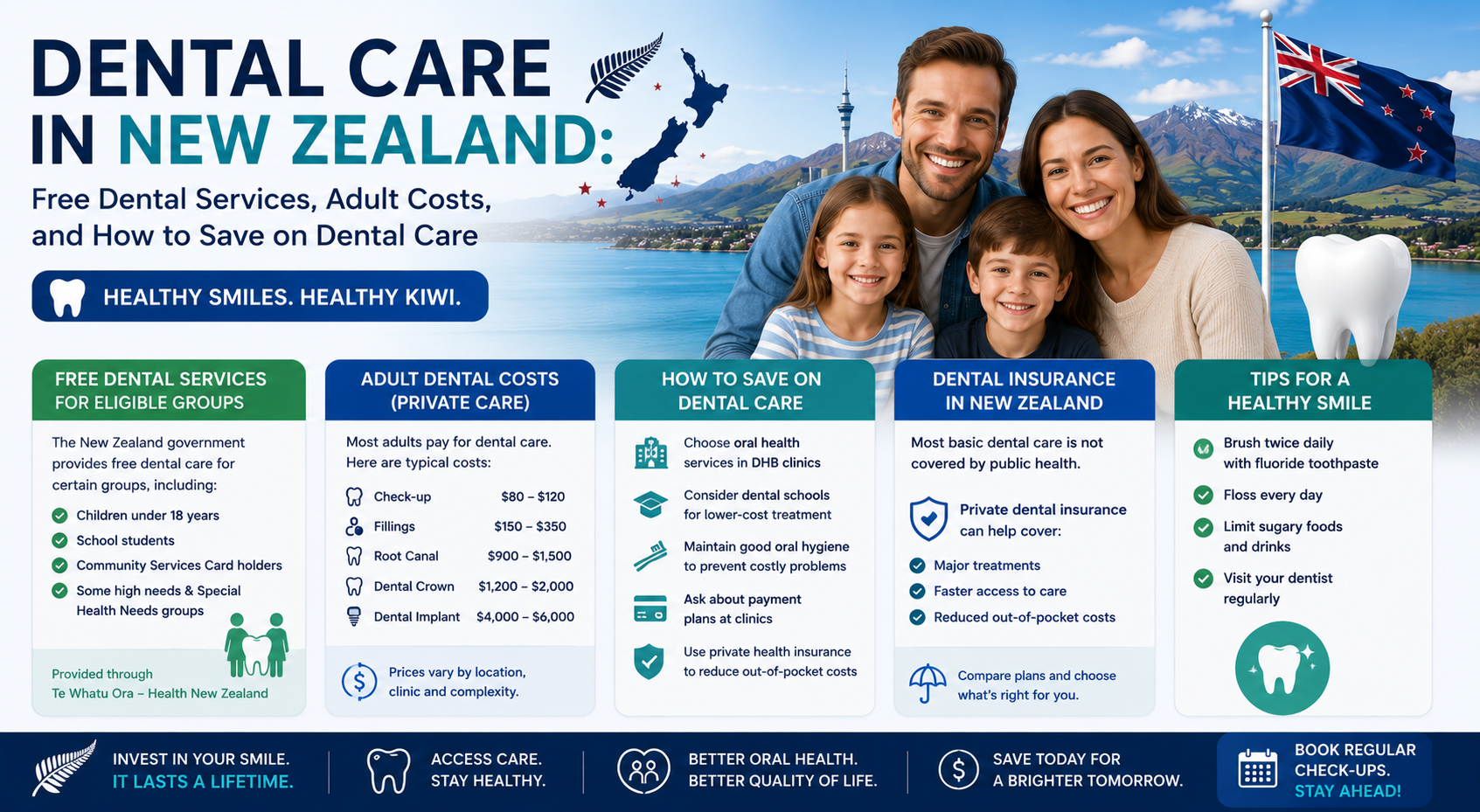
New Zealand is widely recognized for its high-quality healthcare system, but dental care operates differently from many other publicly funded health services. While children and adolescents enjoy comprehensive free dental care, most adults are responsible for paying the full cost of their dental treatment. This distinction often surprises new residents, immigrants, and even young adults transitioning out of the publicly funded system.
Dental health plays a critical role in overall wellbeing. Healthy teeth and gums contribute not only to a confident smile but also to proper nutrition, speech, and quality of life. Unfortunately, dental treatment can be expensive, particularly for adults requiring restorative work such as fillings, crowns, root canal treatment, bridges, or dental implants.
Fortunately, New Zealand offers several pathways that can help eligible individuals reduce dental expenses. These include Work and Income New Zealand (WINZ) assistance, Accident Compensation Corporation (ACC) coverage for injury-related dental treatment, Community Services Card programs, private health insurance, clinic membership plans, and reduced-cost treatment through dental schools.
Understanding how these programs work can help individuals and families make informed decisions about managing oral health while controlling costs. This guide explains New Zealand's dental care system, eligibility for free services, financial assistance options, and practical strategies for maintaining healthy teeth without unnecessary financial stress.
Understanding New Zealand's Dental Care System
Unlike many aspects of New Zealand's healthcare system, dental care is not universally free for adults.
The system is divided into two primary categories:
- Children and adolescents
- Adults
Young people generally receive comprehensive publicly funded dental services, while adults must usually pay privately for treatment.
This model places a strong emphasis on prevention during childhood while expecting adults to assume greater responsibility for their oral healthcare needs.
Why Oral Health Matters
Before examining funding options, it is worth understanding why regular dental care is so important.
Poor oral health can contribute to:
- Tooth decay
- Gum disease
- Tooth loss
- Chronic pain
- Difficulty eating
- Speech problems
- Reduced confidence
Research has also linked oral health to broader health conditions, including:
- Diabetes
- Cardiovascular disease
- Respiratory illness
Preventive care remains one of the most effective ways to protect both oral and general health.
Free Dental Care for Children and Adolescents
One of the strongest features of New Zealand's dental system is its commitment to children's oral health.
Eligible young people receive free routine dental care until their 18th birthday.
This public investment aims to establish healthy habits and prevent dental disease from an early age.
Eligibility for Free Dental Care
Children and adolescents who meet eligibility requirements can access publicly funded dental services.
The exact delivery model changes as children grow older.
Ages 0 to Year 8
For younger children, care is typically provided through:
- School dental services
- Community dental clinics
- Dental therapists
- Oral health therapists
These professionals focus on prevention, education, and early treatment.
Services Commonly Provided
Children generally receive:
- Routine examinations
- Preventive care
- Fluoride applications
- Dental X-rays
- Fillings
- Basic restorative treatment
- Extractions when necessary
These services are provided at no cost to eligible families.
Preventive Focus
The primary goal is preventing disease before it becomes severe.
Dental teams work closely with families to encourage:
- Daily brushing
- Healthy eating habits
- Reduced sugar intake
- Regular attendance
These preventive measures help reduce future treatment needs.
High School Students to Age 18
As children enter adolescence, care typically transitions to contracted private dentists.
These dentists provide services through agreements with Health New Zealand | Te Whatu Ora.
Continued Free Care
Eligible teenagers continue receiving publicly funded care, including:
- Check-ups
- Fillings
- Examinations
- X-rays
- Extractions
The objective is maintaining continuity of care through the teenage years.
What Is Not Included?
Although comprehensive, free youth dental care has limitations.
Certain treatments are generally excluded.
Orthodontics
Braces and orthodontic treatment are usually not covered.
Families typically pay privately unless exceptional circumstances exist.
Cosmetic Dentistry
Purely cosmetic procedures are generally excluded.
Examples include:
- Teeth whitening
- Cosmetic veneers
- Elective aesthetic treatments
Public funding focuses on oral health rather than appearance.
Transitioning Into Adult Dental Care
Many young adults experience a significant change when they turn 18.
At this point, publicly funded routine dental care typically ends.
The responsibility for treatment costs shifts to the patient.
Understanding available support options becomes increasingly important.
Adult Dental Care in New Zealand
For most adults, dental treatment operates as a private-pay service.
Unlike children's care, there is no universal adult dental program providing routine treatment free of charge.
Adults generally access care through private dental clinics and pay directly for services.
Why Adult Dental Costs Can Be High
Several factors contribute to dental treatment expenses.
These include:
- Professional wages
- Clinic overheads
- Advanced equipment
- Regulatory compliance
- Laboratory costs
- Continuing professional education
Modern dentistry involves sophisticated technology and highly trained professionals.
These factors influence pricing.
Common Adult Dental Costs
Although fees vary between providers, adults may commonly pay for:
- Examinations
- Cleanings
- Fillings
- Root canal treatment
- Crowns
- Bridges
- Dentures
- Dental implants
Complex treatment plans can become costly without financial assistance.
WINZ Dental Funding
One of the most important support programs for low-income adults is available through Work and Income New Zealand (WINZ).
What Is WINZ Dental Assistance?
WINZ may provide financial support for individuals who cannot afford necessary dental treatment.
The assistance is designed to address urgent oral health needs rather than routine preventive care.
Annual Funding Limit
Eligible individuals may receive up to:
NZD $1,000
within a 52-week period.
This funding can make a significant difference for people facing financial hardship.
What Treatments Are Covered?
WINZ assistance generally applies to:
- Tooth extractions
- Fillings
- Treatment of infection
- Emergency dental procedures
- Essential restorative work
The focus is on relieving pain, restoring function, and addressing urgent clinical needs.
What Is Not Usually Covered?
Routine preventive care often falls outside WINZ funding.
Examples may include:
- Regular check-ups
- Routine cleanings
- Cosmetic procedures
- Elective treatment
Patients should confirm eligibility before proceeding.
How to Apply
Applications can typically be submitted through:
- MyMSD online services
- Work and Income offices
- Telephone assistance
Applicants may need supporting documentation from their dentist.
Importance of Treatment Quotes
Dentists often provide written treatment estimates that help support funding applications.
These documents explain:
- The diagnosis
- Required treatment
- Estimated costs
Accurate documentation improves the approval process.
ACC Dental Coverage
Another major source of support involves the Accident Compensation Corporation (ACC).
What Is ACC?
ACC provides financial assistance for injuries caused by accidents.
Dental injuries are often included when they result directly from an accidental event.
Examples of Covered Dental Injuries
Potential examples include:
- Sports injuries
- Falls
- Vehicle accidents
- Workplace injuries
- Trauma-related tooth damage
Coverage depends on individual circumstances.
What May Be Covered?
ACC assistance may contribute toward:
- Examinations
- Restorative treatment
- Tooth repair
- Oral surgery
- Replacement of damaged teeth
Coverage is assessed on a case-by-case basis.
Reporting Dental Injuries
Prompt reporting is important.
Patients should:
- Seek dental care quickly
- Explain the accident clearly
- Provide supporting information
Timely documentation helps facilitate ACC assessment.
Community Services Card Benefits
The Community Services Card can provide additional support in certain situations.
What Is the Community Services Card?
The card helps eligible individuals access healthcare services at reduced costs.
Eligibility generally depends on income and personal circumstances.
Potential Dental Benefits
Depending on the region and available programs, cardholders may receive:
- Reduced fees
- Access to public dental services
- Additional healthcare support
Availability varies across New Zealand.
Check Local Eligibility
Because programs differ by region, patients should consult:
- Local health authorities
- Dental providers
- Community service organizations
to determine available benefits.
Private Health Insurance
Many New Zealanders choose private health insurance to help manage dental expenses.
How Dental Insurance Works
Policies often include "everyday" benefits covering:
- Check-ups
- Hygiene appointments
- X-rays
- Basic restorative treatment
Coverage limits vary significantly.
Annual Benefit Limits
Most plans establish maximum reimbursement amounts per year.
Patients should understand:
- Coverage percentages
- Waiting periods
- Annual caps
before purchasing insurance.
Waiting Periods
Many insurers impose waiting periods before certain benefits become available.
This prevents individuals from purchasing coverage immediately before major treatment.
Planning ahead is important.
Is Dental Insurance Worth It?
The answer depends on individual needs.
Insurance may provide good value for:
- Families
- Patients requiring ongoing care
- Individuals who attend regular examinations
Those requiring extensive treatment may particularly benefit.
Dental Wellness Plans
An increasingly popular option involves dental membership programs.
What Are Wellness Plans?
Many clinics offer subscription-style programs that allow patients to spread costs throughout the year.
Members typically pay:
- Weekly fees
- Fortnightly fees
- Monthly fees
in exchange for preventive services.
Typical Benefits
Programs may include:
- Routine examinations
- Professional cleanings
- Oral health assessments
- Discounts on treatment
These plans can improve budgeting and encourage regular attendance.
Advantages of Membership Plans
Benefits include:
- Predictable costs
- Improved preventive care
- Reduced financial surprises
Many patients appreciate the convenience.
Dental Schools and Teaching Clinics
Reduced-cost treatment may also be available through teaching institutions.
How Dental School Clinics Work
Treatment is performed by dental students under close supervision.
Licensed professionals oversee all procedures.
This ensures patient safety while providing educational opportunities.
Benefits of Dental School Clinics
Advantages often include:
- Lower treatment costs
- Comprehensive evaluations
- Access to modern facilities
- Academic oversight
Patients can receive quality care at reduced fees.
Potential Drawbacks
Appointments may:
- Take longer
- Require multiple visits
- Follow academic schedules
The lower costs often outweigh these inconveniences.
Why Prevention Saves Money
Regardless of available funding, prevention remains the most effective cost-management strategy.
The Financial Impact of Delayed Treatment
Consider a common progression:
Small cavity → Filling
Untreated cavity → Root canal
Lost tooth → Implant
Treatment becomes progressively more expensive.
Daily Habits That Reduce Costs
Patients should prioritize:
- Brushing twice daily
- Daily flossing
- Limiting sugar intake
- Regular dental visits
- Avoiding tobacco products
These habits help prevent costly problems.
When to Seek Dental Care
Many people delay treatment because of cost concerns.
However, early intervention often reduces overall expenses.
Seek professional care if you experience:
- Tooth pain
- Swelling
- Bleeding gums
- Broken teeth
- Persistent sensitivity
Ignoring symptoms may lead to larger treatment needs.
Choosing the Right Financial Support Option
The best pathway depends on individual circumstances.
Children and Teenagers
Eligible young people should utilize free publicly funded care whenever possible.
Low-Income Adults
Individuals experiencing financial hardship should investigate WINZ assistance and Community Services Card benefits.
Accident-Related Injuries
ACC may provide valuable support for injury-related dental treatment.
Working Adults
Private insurance and wellness plans may offer effective ways to manage routine expenses.
Major Treatment Needs
Patients requiring extensive work may benefit from:
- Multiple treatment estimates
- Dental school clinics
- Payment plans
Careful planning can reduce financial strain.
Final Thoughts
New Zealand's dental care system places a strong emphasis on protecting the oral health of children and adolescents through comprehensive free dental services available until age 18. This publicly funded model provides examinations, fillings, X-rays, preventive care, and necessary treatment that help establish healthy habits early in life. However, once individuals transition into adulthood, dental care largely becomes a private responsibility, and patients are generally expected to pay for their own treatment.
Fortunately, several programs and financial support pathways exist to help reduce costs. Work and Income New Zealand may provide up to NZD $1,000 annually for immediate and essential dental treatment for eligible low-income individuals, while ACC can assist with dental injuries resulting from accidents. Community Services Card programs may provide additional support in some regions, and private health insurance can help offset routine and restorative care expenses. Dental wellness plans and university teaching clinics offer further opportunities for affordable treatment.
Regardless of age or financial circumstances, preventive care remains the most effective strategy for maintaining oral health and controlling costs. Regular examinations, good daily hygiene habits, and early treatment of problems can significantly reduce the need for expensive procedures later in life. By understanding the available support systems and planning proactively, New Zealand residents can make informed decisions that protect both their oral health and their financial wellbeing.
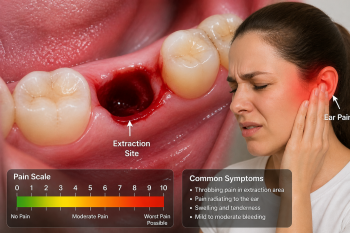
Can tooth extraction cause infection? Mild inflammation is normal, but increasing swelling, fever, or severe pain may indicate infection. Learn more about post-extraction infection warning signs in this detailed guide.
Book a consultation with our Cebu dental specialists for proper evaluation and care.
Ready to get expert guidance?
If you’re experiencing severe pain or delayed healing, book a consultation with our Cebu dental specialists to get proper evaluation and care.
Consultation or contact page .
Book a Consultation
For severe discomfort or delayed healing, book a consultation with our Cebu dental specialists today.
Looking for a dentist? Browse our Cebu dental directory to find trusted clinics near you.
Medical Review and Clinical Basis
This article is based on clinical dental guidelines and real patient recovery patterns observed after tooth extraction procedures. The information reflects common post-extraction healing stages, including normal clot formation, gum tissue repair, and signs of possible complications such as dry socket or infection.
While mild discomfort is expected after a dental extraction, worsening pain after Day 3, bad odor, exposed bone, or spreading pain may require professional evaluation. These symptoms are consistent with known post-extraction complications described in standard dental practice.
About Cebu Dental Implants
Cebu Dental Implants provides comprehensive tooth extraction, surgical procedures, and dental implant services in the Philippines. Our team evaluates post-extraction healing, manages complications such as dry socket, and advises patients on proper aftercare to prevent infection and delayed healing.
If you experience severe pain or unusual symptoms after extraction, early professional assessment is recommended to prevent further complications.
Important Medical Disclaimer
This content is for educational purposes only and does not replace professional dental diagnosis. Every patient heals differently. If symptoms worsen or do not improve within a few days, consult a licensed dentist for proper evaluation and treatment.
Author
This article was prepared by the Cebu Dental Implants content team in consultation with licensed dental professionals experienced in tooth extraction and implant procedures.
Related Clinical Cases
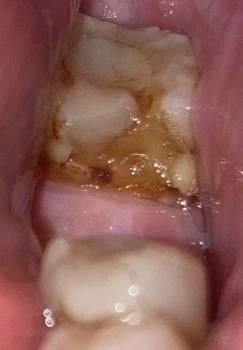
Patients with lower front gum inflammation may also experience tartar buildup, periodontal disease, gum abscesses, or tooth decay. Explore these related clinical case studies.

Other topics:
Other Dental Clinic
 |
 |
 |
 |