Missing Teeth? Find Your Smile Again.

Dental Implant Cost Philippines: Complete Guide to Prices, Brands, and What You’re Paying For
Language :
Topics:
Dental implants are one of the most reliable ways to replace missing teeth, but the cost can vary significantly from one patient to another. In the Philippines, dental implant prices depend on the implant system, dentist’s expertise, clinic location and reputation, laboratory work, and whether additional procedures are required before implant placement.
For patients comparing dental implant costs in the Philippines, it is important to look beyond the advertised price. A lower initial quote may not include the abutment, crown, diagnostic scans, bone grafting, or other components needed to complete the treatment.
Dental Implant Costs in the Philippines
As a general guide, estimated prices may fall within these ranges:
| Treatment | Estimated Price Range (PHP) | Approx. USD |
|---|---|---|
| Single Dental Implant, per tooth | ₱50,000–₱160,000 | ~$900–$2,800 |
| All-on-4 / All-on-6, per arch | ₱350,000–₱500,000+ | ~$6,500–$9,000+ |
| Full-Mouth Restoration | ₱700,000–₱1,000,000+ | ~$12,500–$18,000+ |
| Bone Grafting | ₱15,000–₱50,000+ | ~$270–$900+ |
These are estimated ranges rather than fixed national prices. Actual treatment costs can vary by clinic, case complexity, implant system, laboratory, and exchange rate.
What Is Included in the Cost of a Single Dental Implant?
A complete single-tooth implant restoration generally involves three major components:
1. Dental Implant Fixture
The implant fixture is the titanium or zirconia component surgically placed into the jawbone. It acts as an artificial tooth root and requires sufficient healthy bone for stable integration.
2. Abutment
The abutment connects the dental implant to the final restoration. Depending on the implant system and treatment plan, it may be a standard or customized component.
3. Dental Crown
The crown is the visible replacement tooth. Its material, laboratory, design, and manufacturing method can influence the final treatment cost.
Patients should ask whether the quoted implant price includes the implant fixture, abutment, and final crown, because some clinics quote only the surgical implant placement.
Why Do Dental Implant Prices Vary So Much?
There is no single price for dental implants in the Philippines because every patient's situation is different.
Implant Brand and Materials
The implant system selected can have a major effect on the overall cost.
Commonly encountered implant brands include Osstem, Straumann, and Nobel Biocare. Premium systems such as Straumann and Nobel Biocare may be priced higher because of their extensive research, clinical history, manufacturing standards, and established international distribution networks.
Osstem and other systems may provide a different balance between cost and treatment requirements.
The most expensive implant is not automatically the best choice for every patient. Your dentist should recommend an implant system based on your bone condition, restoration requirements, medical and dental history, and long-term treatment plan.
Dentist Experience and Expertise
Implant dentistry requires careful planning, surgery, restoration, and long-term maintenance.
Treatment may involve a general dentist with implant training, an implant-focused clinician, oral surgeon, periodontist, or prosthodontist, depending on the complexity of the case.
More advanced cases may require additional expertise, particularly when there is significant bone loss, gum disease, difficult implant positioning, or the need for complex full-mouth rehabilitation.
Professional fees can therefore vary considerably between clinicians.
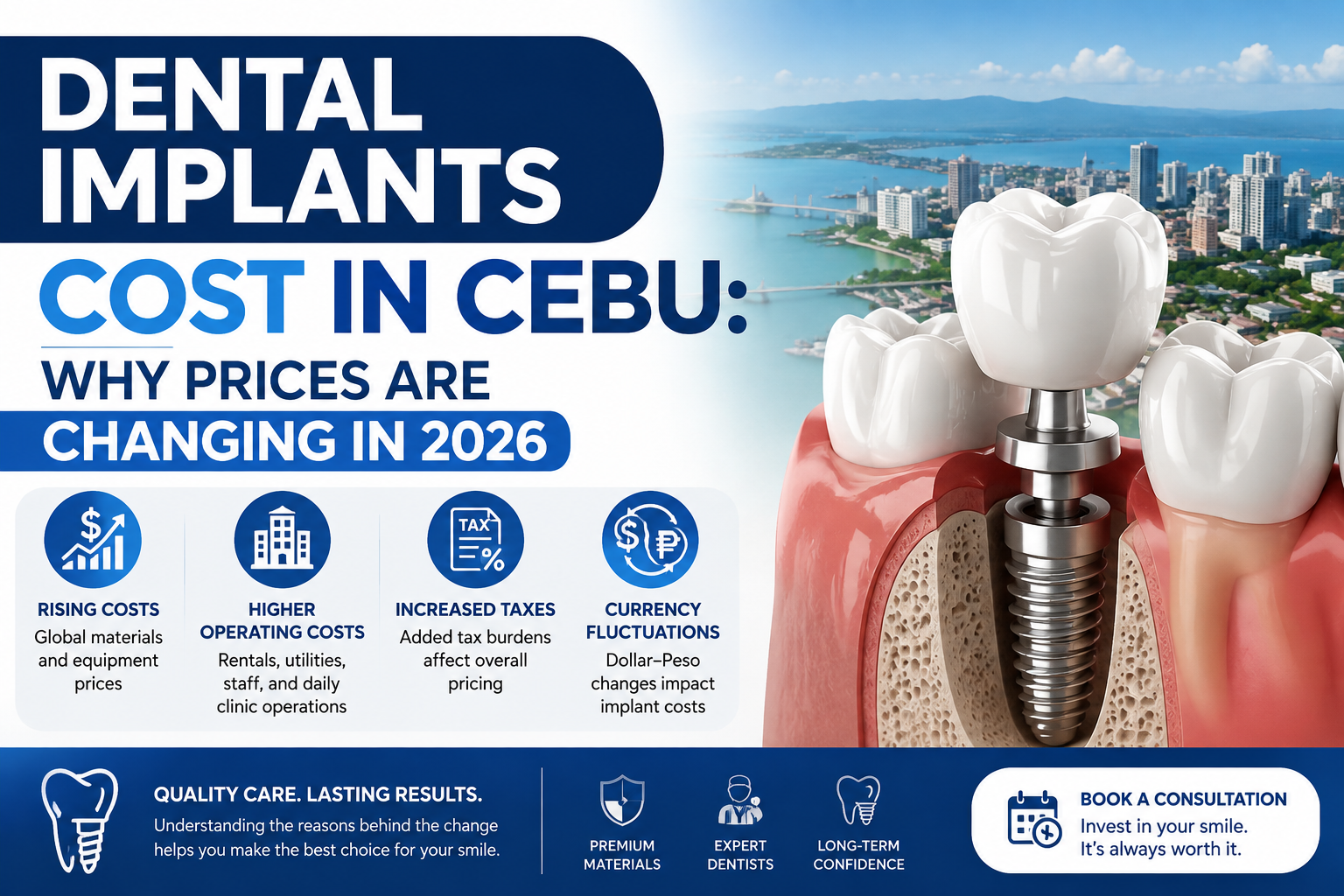
Inflation, higher operating expenses, and increasing costs of dental materials and equipment.
The cost of dental implants in the Philippines has increased in recent years due to inflation, higher operating expenses, and increasing costs of dental materials and equipment. Many components used in implant dentistry are imported, making treatment costs sensitive to exchange-rate movements, international supply chains, and changes in global manufacturing and shipping expenses.
The impact can be particularly noticeable in Luzon, where some areas have experienced significant flooding and other disruptions. Flood-related damage can affect transportation, supply deliveries, business operations, property costs, and the availability of materials and services. These additional pressures can contribute indirectly to higher operating costs for dental clinics.
Dental clinics must also manage rising expenses for commercial rent, professional fees, staff salaries, utilities, laboratory services, sterilization, equipment maintenance, taxes, and regulatory requirements. These costs are ultimately reflected in the prices of complex procedures such as dental implants.
For this reason, patients comparing dental implant prices should understand that today's quotation may be higher than prices advertised several years ago. The increase does not necessarily mean that clinics are simply charging more for the procedure; it can reflect the broader increase in the cost of delivering specialized dental care.
Important Patient Consideration
Dental implant pricing can vary significantly between Luzon, Visayas, and Mindanao because local economic conditions, clinic operating costs, supply logistics, and market conditions differ by location.
Patients should therefore compare the complete treatment package rather than relying only on an advertised starting price. Ask whether the quotation includes the implant fixture, abutment, crown, CBCT scan, surgery, laboratory work, medications, temporary restoration, and any required bone grafting or other procedures.
Ultimately, the goal should not simply be to find the cheapest dental implant, but to find a safe, properly planned, transparent, and appropriately priced treatment.
Clinic Location and Operating Costs
The location and operating costs of a dental clinic can also influence implant pricing.
Clinics in major Philippine cities may face higher:
-
Commercial rental costs
-
Staff and professional expenses
-
Laboratory expenses
-
Equipment and maintenance costs
-
Regulatory and administrative expenses
-
Taxes and other operating costs
These expenses can be reflected in the final treatment fee.
This is one reason why comparing implant prices between a major city and a provincial clinic does not always provide an exact like-for-like comparison.
CBCT Scans and Digital Treatment Planning
Modern implant dentistry often uses digital diagnostics to improve treatment planning.
A CBCT scan can provide three-dimensional information about the jawbone, tooth position, nerves, sinuses, and other anatomical structures.
Some clinics include CBCT imaging in an implant package, while others charge separately.
Computer-guided implant surgery and digital planning may also add to the treatment cost, but these technologies can provide valuable information when accurate implant positioning is important.
Bone Grafting and Sinus Lift
Not every patient has enough bone volume to immediately receive an implant.
After tooth loss, the jawbone can gradually resorb. If insufficient bone remains, the dentist may recommend bone augmentation before or during implant treatment.
Bone Grafting
Estimated additional cost: ₱15,000–₱50,000+ per procedure, depending on the amount and type of grafting required.
Sinus Lift
Patients receiving implants in the upper back jaw may sometimes require a sinus lift when the available bone height is insufficient.
The cost varies according to the surgical technique, materials, complexity, and clinic.
These procedures can substantially increase the total treatment cost, which is why an examination and appropriate imaging are important before receiving a final quotation.
Other Treatments That May Be Needed
Dental implant treatment does not always begin with implant surgery.
Some patients may first require:
-
Tooth extraction
-
Treatment of active infection
-
Gum disease treatment
-
Bone grafting
-
Sinus augmentation
-
Temporary teeth
-
Treatment of remaining damaged teeth
-
Bite or occlusion assessment
The final cost should therefore be based on the complete treatment plan, rather than simply the price of the implant fixture.
All-on-4 and All-on-6 Dental Implants
For patients who have lost most or all teeth in an arch, individual implants for every missing tooth may not be necessary.
Full-arch implant solutions such as All-on-4 or All-on-6 use multiple strategically positioned implants to support a fixed prosthesis.
Estimated cost:
₱350,000–₱500,000+ per arch
The final price depends on factors such as implant brand, temporary and final prosthesis, laboratory work, bone condition, extractions, sedation, and other surgical requirements.
Patients should confirm whether the quoted price represents the temporary prosthesis, final prosthesis, or complete treatment from surgery through final restoration.
Full-Mouth Dental Implant Costs
Patients requiring treatment of both upper and lower arches may face substantially higher costs.
A broad estimate for full-mouth restoration may be:
₱700,000–₱1,000,000+
However, "full mouth implants" can describe several different treatment approaches. A patient may need multiple individual implants, implant-supported bridges, full-arch fixed prostheses, or another restorative strategy.
A dentist should therefore create a personalized treatment plan before a meaningful final price can be established.
Does PhilHealth Cover Dental Implants?
Patients should not assume that standard government or private dental benefits will cover the full cost of implant treatment.
PhilHealth generally does not provide routine coverage for dental implant treatment, while many local HMO plans have limited dental benefits and may exclude major implant surgery and implant restorations.
Coverage can change according to the specific insurance or HMO policy, so patients should confirm directly with their provider before beginning treatment.
How to Compare Dental Implant Quotes
When comparing two dental implant quotations, don't compare only the headline price.
Ask each clinic:
-
What implant brand will be used?
-
Is the implant fixture included?
-
Is the abutment included?
-
Is the final crown included?
-
Is the CBCT scan included?
-
Are surgical fees included?
-
Are temporary teeth included?
-
Is bone grafting included if required?
-
Are extractions included?
-
Is the final laboratory restoration included?
-
What happens if additional procedures become necessary?
-
What warranty or aftercare policy does the clinic provide?
A ₱60,000 quotation and a ₱120,000 quotation may look dramatically different until you discover what each package actually contains.
Is a More Expensive Dental Implant Better?
Not necessarily.
Price should be considered alongside clinical planning, implant quality, dentist experience, sterilization standards, laboratory quality, diagnostics, restoration design, and long-term maintenance.
Likewise, the cheapest implant option is not necessarily the most economical choice over the long term.
A successful implant treatment depends on much more than the brand of implant placed into the jaw.
Why Dental Implant Prices Can Change
Dental treatment costs can change over time because clinics operate within a changing economic environment.
Many implant components, dental materials, laboratory products, and specialized equipment are imported or affected by international supply chains. Changes in foreign-exchange rates can therefore influence costs.
At the same time, Philippine dental clinics face changing rental expenses, wages, utilities, laboratory fees, equipment costs, taxes, and other operating expenses.
As a result, an implant quotation from several years ago may no longer reflect today's actual treatment costs.
How Much Should You Budget for Dental Implants in the Philippines?
For a straightforward single implant, a patient may encounter prices around ₱50,000–₱160,000 per tooth.
However, patients with bone loss, gum disease, complex surgical requirements, premium implant systems, or more extensive restorations may need a significantly larger budget.
The best approach is to obtain a personalized treatment plan and written quotation after a clinical examination and appropriate diagnostic imaging.
Final Thoughts
Dental implants can be a long-term solution for replacing missing teeth, but the total investment depends on much more than the implant itself.
When evaluating dental implant cost in the Philippines, consider the complete treatment package: implant fixture, abutment, crown, diagnostics, surgery, laboratory work, additional procedures, dentist expertise, and follow-up care.
Rather than choosing a clinic solely because it offers the lowest price, patients should compare the total treatment plan, implant system, qualifications, facilities, transparency of fees, and expected long-term outcome.
If you are considering dental implants, ask your dentist for a detailed breakdown of every component included in the quotation. This makes it easier to understand the true cost of treatment and avoid unexpected expenses later.
Looking for a dentist? Browse our Cebu dental directory to find trusted clinics near you.
Medical Review and Clinical Basis
This article is based on clinical dental guidelines and real patient recovery patterns observed after tooth extraction procedures. The information reflects common post-extraction healing stages, including normal clot formation, gum tissue repair, and signs of possible complications such as dry socket or infection.
While mild discomfort is expected after a dental extraction, worsening pain after Day 3, bad odor, exposed bone, or spreading pain may require professional evaluation. These symptoms are consistent with known post-extraction complications described in standard dental practice.
About Cebu Dental Implants
Cebu Dental Implants provides comprehensive tooth extraction, surgical procedures, and dental implant services in the Philippines. Our team evaluates post-extraction healing, manages complications such as dry socket, and advises patients on proper aftercare to prevent infection and delayed healing.
If you experience severe pain or unusual symptoms after extraction, early professional assessment is recommended to prevent further complications.
Important Medical Disclaimer
This content is for educational purposes only and does not replace professional dental diagnosis. Every patient heals differently. If symptoms worsen or do not improve within a few days, consult a licensed dentist for proper evaluation and treatment.
Author
This article was prepared by the Cebu Dental Implants content team in consultation with licensed dental professionals experienced in tooth extraction and implant procedures.
Related Clinical Cases
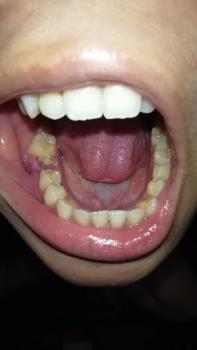
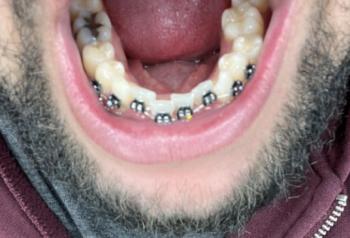
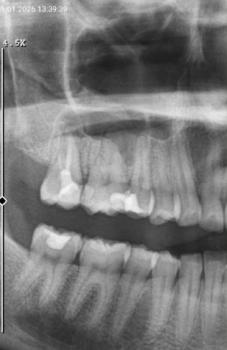
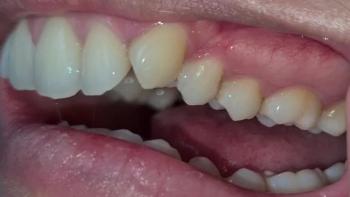
Patients with lower front gum inflammation may also experience tartar buildup, periodontal disease, gum abscesses, or tooth decay. Explore these related clinical case studies.
Other topics:
Other Dental Clinic