Because Every Tooth Deserves Care.

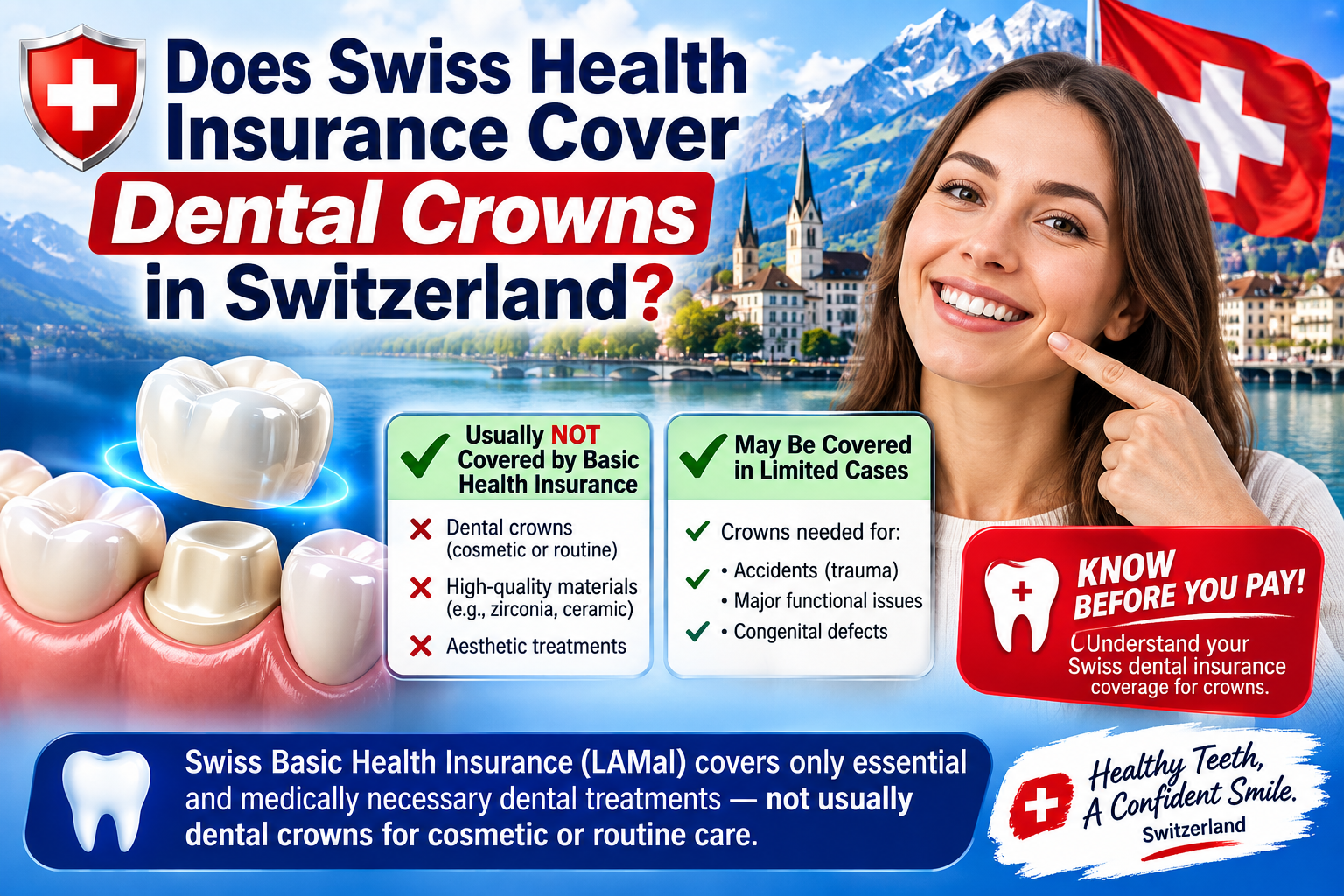
Does Swiss Health Insurance Cover Dental Crowns in Switzerland?
image hero:
Country:
If your dentist has recommended a dental crown in Switzerland, one of the first questions is:
Will Swiss health insurance pay for it?
For most adults, the answer is no.
Mandatory basic health insurance under LAMal/KVG generally does not cover ordinary dental crowns or routine restorative dental treatment. Patients normally pay privately unless the treatment falls within a specific statutory exception.
Because crowns can cost a substantial amount in Switzerland, some residents consider voluntary supplementary dental insurance (Zahnzusatzversicherung).
However, supplementary policies differ considerably in reimbursement percentages, annual limits, waiting periods and exclusions.
1. Does LAMal/KVG Cover Dental Crowns?
Generally, no.
Mandatory Swiss health insurance does not normally cover a crown required because of ordinary dental disease or damage.
For example, a crown may be recommended after:
-
Extensive tooth decay
-
A large filling has failed
-
A tooth has fractured from normal biting forces
-
Root canal treatment
-
Significant tooth wear
-
Structural weakening of the tooth
These situations are generally considered ordinary dental treatment and are normally paid by the patient.
Having a medically necessary crown does not automatically make it a covered medical expense.
2. When Can a Crown Be Covered?
There are limited exceptions under Swiss rules.
Crowns Following an Accident
If a tooth is damaged in a qualifying accident, the resulting dental treatment may potentially be covered through the applicable accident insurance.
For example, a tooth fractured during a qualifying sports or workplace accident may be treated differently from a tooth that gradually deteriorated because of decay.
The relevant accident insurer should determine whether the incident qualifies.
Serious Medical Conditions
Certain dental treatments connected directly to serious medical diseases may qualify under the statutory rules.
These situations can include specific severe illnesses affecting the oral or masticatory system.
Congenital Jaw or Oral Conditions
Certain congenital abnormalities may also qualify for coverage under specific circumstances.
Tumor-Related Treatment
Dental reconstruction associated with certain serious diseases, including some tumor-related conditions, may potentially qualify.
These are exceptions rather than the normal rule.
3. Why Are Crowns Usually Paid Out of Pocket?
Swiss compulsory health insurance separates ordinary dental care from most medical treatment.
Consequently, a person can have comprehensive mandatory health insurance and still receive a large private dental bill.
For a routine crown, the patient may therefore be responsible for:
-
Dental examination
-
X-rays
-
Tooth preparation
-
Temporary crown
-
Laboratory work
-
Final crown
-
Cementation
-
Follow-up treatment
The exact cost depends on the treatment plan and materials.
4. How Much Does a Dental Crown Cost in Switzerland?
The price varies considerably.
Factors include:
-
Tooth location
-
Crown material
-
Dentist
-
Laboratory
-
Complexity
-
Existing restoration
-
Root canal treatment
-
Additional procedures
A crown can easily cost around CHF 1,000 or more, while complex treatment can be considerably higher.
For this reason, patients should request a detailed Kostenvoranschlag before agreeing to extensive treatment.
The estimate should identify the individual procedures and expected costs rather than simply providing one final number.
5. Supplementary Dental Insurance
Supplementary dental insurance (Zahnzusatzversicherung) can provide benefits beyond mandatory health insurance.
Depending on the product, coverage may include:
-
Dental examinations
-
Dental hygiene
-
Fillings
-
Root canals
-
Crowns
-
Bridges
-
Dentures
-
Dental implants
-
Orthodontics
However, the policy must specifically cover the treatment.
A general statement such as "dental treatment is covered" does not necessarily mean that every crown will qualify.
6. How Much Will Supplementary Insurance Pay?
Consider a hypothetical example.
A crown costs:
CHF 1,500
Your policy reimburses:
75%
The theoretical reimbursement would be:
CHF 1,125
Your remaining cost would be:
CHF 375
But this calculation assumes that the treatment qualifies and that you have sufficient annual insurance benefits remaining.
If the annual reimbursement limit has already been reached, your actual reimbursement could be lower.
This is why the three numbers that matter are:
Reimbursement percentage + annual maximum + eligible treatment
7. Annual Reimbursement Caps
Annual limits can significantly affect the value of dental insurance.
Suppose your policy provides:
75% reimbursement up to CHF 2,000 per year.
During the same year, you require:
-
Crown: CHF 1,500
-
Second crown: CHF 1,500
-
Other dental treatment: CHF 500
Total:
CHF 3,500
The insurer will not necessarily reimburse 75% of the entire CHF 3,500.
The annual maximum can limit the total payment.
This is especially important for patients who require multiple crowns or extensive restorative treatment.
8. Pre-Existing Dental Problems
One of the biggest problems with supplementary dental insurance is timing.
If your dentist has already told you:
"This tooth needs a crown."
you should not assume that purchasing insurance afterward will cover the procedure.
Supplementary insurers may request:
-
Health declarations
-
Dental certificates
-
Dental examinations
-
Information about existing treatment
-
Details about missing or damaged teeth
Depending on the insurer, the application may be:
-
Accepted
-
Accepted with exclusions
-
Accepted with restrictions
-
Rejected
An existing problem may therefore be excluded from future reimbursement.
9. Waiting Periods
Some supplementary dental policies impose a waiting period (Karenzfrist) before certain benefits become available.
Depending on the product, the waiting period can vary by treatment.
Consumers may encounter periods such as:
-
Six months
-
Twelve months
-
Longer periods for particular prosthetic treatment
The exact contract determines the applicable period.
Therefore, if you expect to need a crown soon, buying insurance today may not provide immediate protection.
Ask the insurer specifically:
"When will crown treatment become eligible under this policy?"
Get the answer in writing.
10. The Age-Curve Issue
Age can also affect the economics of supplementary dental insurance.
Some insurance products use age-related premiums.
As premiums increase, the annual reimbursement limit may not necessarily increase at the same rate.
For an older policyholder, this can make the financial calculation less attractive.
For example:
Annual premium: CHF 1,000
Maximum annual dental benefit: CHF 2,000
That policy might appear attractive if major treatment is required, but someone with very healthy teeth who rarely needs treatment may receive little reimbursement relative to the premiums paid.
The correct comparison is therefore:
Expected long-term premiums vs. realistic expected benefits.
11. What Do Patients and Expats Say?
Consumer discussions about Swiss dental costs frequently highlight several recurring frustrations.
"I Didn't Know Crowns Were Not Covered"
People moving to Switzerland can be surprised that ordinary dental treatment is generally separate from mandatory health insurance.
A crown that might be partially covered elsewhere can therefore become a substantial private expense.
"The Insurance Percentage Wasn't the Whole Story"
A policy might advertise 75% reimbursement, but the annual maximum can dramatically reduce the actual payment for expensive treatment.
"The Tooth Was Already Excluded"
Patients who attempt to buy insurance after a dentist identifies a damaged tooth may discover that the condition is excluded.
"I Needed More Than One Crown"
Annual limits become particularly important when several teeth require treatment in the same year.
A policy can provide useful protection for one crown while providing much less protection when several procedures are required.
12. Crown After Root Canal Treatment
A common situation is the need for a crown after root canal treatment.
The financial calculation can therefore involve two separate stages:
Root canal → Crown
The insurance may treat these procedures differently.
A patient should ask whether the policy covers:
-
Root canal treatment
-
Post and core
-
Temporary restoration
-
Crown
-
Laboratory costs
Do not assume that coverage of one procedure automatically means coverage of all associated procedures.
13. Crown vs. Other Treatment Options
Depending on the condition of the tooth, the dentist may discuss alternatives.
These can include:
-
Large filling
-
Onlay or overlay
-
Dental crown
-
Extraction
-
Bridge
-
Dental implant
The appropriate treatment depends on the tooth's structural condition and long-term prognosis.
A patient should not select treatment solely on price.
Ask the dentist why a crown is recommended and what the alternatives would mean for long-term oral health.
14. How to Reduce Unexpected Crown Costs
Request a Kostenvoranschlag
Before extensive treatment, ask for an itemized written estimate.
Ask for the Treatment Code or Detailed Description
A detailed estimate makes it easier for the insurer to determine eligibility.
Contact the Insurer Before Treatment
Send the estimate to the supplementary insurer and ask what amount is expected to be reimbursed.
Check Your Annual Limit
Determine how much of your annual dental benefit remains.
Ask About the Laboratory
Dental laboratory costs can represent a significant part of a crown's total price.
Ask whether the insurance benefit includes eligible laboratory charges.
15. Swiss Dental Insurance Providers to Compare
When researching supplementary dental insurance, consumers may encounter major Swiss insurers including:
-
SWICA
-
Sanitas
-
CSS
-
Groupe Mutuel
-
KPT
-
Helsana
-
Concordia
-
AXA
The best option depends on the individual policy rather than simply the company's reputation.
Compare:
| Feature | What to Check |
|---|---|
| Crown coverage | Is restorative/prosthetic treatment included? |
| Reimbursement | What percentage is paid? |
| Annual maximum | Maximum CHF reimbursed |
| Waiting period | When benefits begin |
| Existing conditions | Are damaged teeth excluded? |
| Dental certificate | Is one required? |
| Root canal | Is endodontic treatment covered? |
| Bridges | Included or excluded? |
| Implants | Included or excluded? |
| Premium | Monthly and annual cost |
| Age pricing | How premiums change over time |
| Treatment abroad | Whether foreign treatment qualifies |
16. Should You Buy Dental Insurance for Crowns?
It depends on your situation.
It May Be Worth Considering If:
-
Your teeth are currently healthy.
-
You want protection against future dental expenses.
-
You have children who may require orthodontic treatment.
-
The policy has meaningful annual limits.
-
The reimbursement percentage is attractive.
-
The long-term premium is affordable.
It May Be Less Attractive If:
-
You already need a crown.
-
The affected tooth will be excluded.
-
The waiting period is too long.
-
The annual maximum is low.
-
You rarely need dental treatment.
-
You have sufficient savings for unexpected dental expenses.
The most important factor is when you purchase the insurance.
17. What If You Already Need a Crown?
If your dentist has already diagnosed a damaged tooth, don't delay necessary treatment simply because you are searching for insurance.
Instead:
Step 1 — Get a Diagnosis
Find out exactly why the crown is necessary.
Step 2 — Request a Kostenvoranschlag
Ask for an itemized treatment estimate.
Step 3 — Check Existing Insurance
Contact your current supplementary insurer if you have one.
Step 4 — Ask About Every Component
Confirm coverage for the:
-
Tooth preparation
-
Root canal, if required
-
Post/core
-
Temporary crown
-
Laboratory
-
Final crown
Step 5 — Get Written Confirmation
Obtain written confirmation of expected reimbursement before committing to expensive treatment whenever possible.
18. Final Verdict
For ordinary adult dental treatment, mandatory Swiss basic health insurance generally does not cover dental crowns.
Coverage can potentially apply in specific exceptional circumstances, particularly qualifying accidents or certain serious medical and congenital conditions.
For ordinary tooth decay, structural damage or routine restorative treatment, patients should generally expect to pay privately unless they have eligible supplementary dental insurance.
Supplementary coverage can reduce the cost, but the policy must be examined carefully.
The most important factors are:
Coverage + reimbursement percentage + annual maximum + waiting period + exclusions + premium.
If you already need a crown, don't assume that buying insurance today will make the existing treatment eligible.
Instead, obtain a detailed Kostenvoranschlag, contact your insurer and get written confirmation of the expected reimbursement before starting major treatment.
Frequently Asked Questions
Does LAMal cover dental crowns?
Generally, no. Ordinary dental crowns are normally not covered by mandatory basic health insurance.
Does supplementary dental insurance cover crowns?
Some supplementary policies provide benefits for crowns, but reimbursement depends on the specific product and its limits.
How much does a crown cost in Switzerland?
Costs vary by dentist, tooth, material and complexity. A crown can easily cost around CHF 1,000 or more.
Can I buy dental insurance after my dentist says I need a crown?
You can apply, but the insurer may exclude the affected tooth or reject the application depending on its underwriting requirements.
How long is the waiting period?
It depends on the policy and treatment. Six- and twelve-month periods are examples found in supplementary insurance, while certain benefits may have longer qualification periods.
Does insurance cover a crown after a root canal?
Potentially, but root canal treatment and the crown may have separate coverage rules. Check both treatments with the insurer.
Can accident insurance cover a crown?
A crown required because of a qualifying accident may potentially be covered by the applicable accident insurance.
Is dental insurance worth it in Switzerland?
It depends on your expected dental needs, premium, reimbursement percentage, annual maximum and exclusions.
Disclaimer
Swiss insurance products, premiums, reimbursement limits and eligibility conditions can change. This article provides general educational information and is not insurance, financial or medical advice. Always verify the current policy conditions directly with the insurer and obtain written confirmation before relying on insurance reimbursement.
Last reviewed: August 2026
Related Clinical Cases
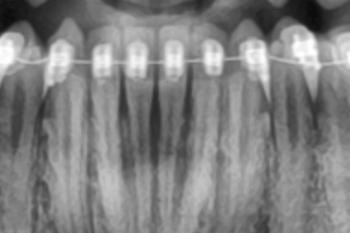
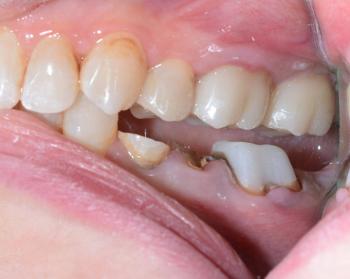
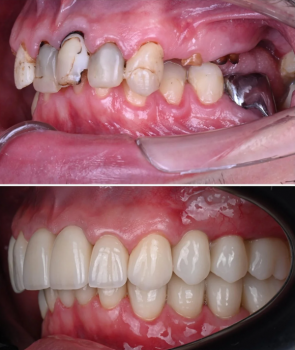
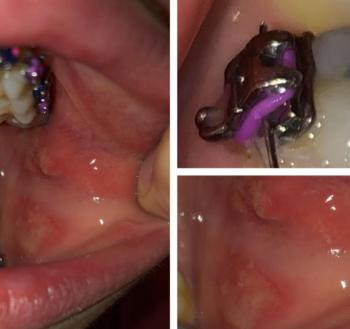
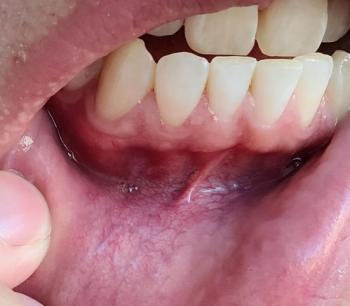
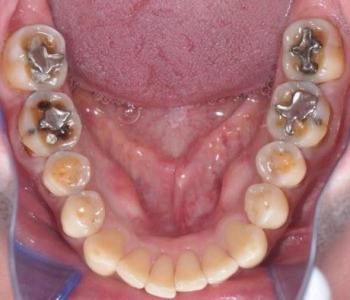
Patients with lower front gum inflammation may also experience tartar buildup, periodontal disease, gum abscesses, or tooth decay. Explore these related clinical case studies.
Other topics:
Other Dental Clinic