Your Smile, Our Passion.

Dry Socket Treatment Cost Texas (2026) – Expert Dentist Price Guide USA
Language :

Topics:
Dry socket, clinically known as Alveolar Osteitis, is one of the most uncomfortable complications following a tooth extraction. It occurs when the protective blood clot at the extraction site is lost too early, exposing bone and nerves.
From my clinical experience practicing in Texas, patients are often most concerned about two things: pain relief and treatment cost. Let’s break down exactly what you can expect.
What Is Included in Dry Socket Treatment?
Treatment is focused on relieving pain and promoting proper healing—not performing another surgery.
Typical treatment includes:
- Cleaning (irrigation) of the socket
- Medicated dressing placement
- Pain management
- Follow-up visits
In some cases, additional medication may be prescribed.
Average Dry Socket Treatment Cost (Texas, USA)
Costs can vary depending on the clinic, severity, and number of visits required.
Typical Price Range
- Basic treatment (single visit): $75 – $200
- With medicated dressing changes (multiple visits): $150 – $400 total
- With prescription medications: additional $20 – $80
Cost Breakdown
1. Consultation Fee
Some clinics charge a separate exam fee.
- $50 – $150
2. Socket Cleaning (Irrigation)
This is essential to remove debris and bacteria.
- $50 – $120
3. Medicated Dressing
A soothing dressing is placed inside the socket to reduce pain.
- $30 – $100 per visit
Patients may need 2–3 dressing changes depending on healing.
4. Medications
Dentists may prescribe:
- Pain relievers
- Antibiotics (if infection is present)
Is Dry Socket Treatment Covered by Insurance?
In the U.S., many dental insurance plans partially cover treatment.
Coverage depends on:
- Your specific plan
- Whether the extraction was covered
- Medical necessity
Patients typically pay co-pays or partial fees.
Why Costs Can Vary
From my Texas practice perspective, these factors affect pricing:
- Severity of the dry socket
- Number of follow-up visits
- Location of the clinic (urban vs rural)
- Dentist’s experience
- Whether complications are present
Can You Treat Dry Socket at Home?
Short answer: No, not safely.
While home remedies like saltwater rinses can help maintain hygiene, they cannot replace professional treatment.
Delaying care may lead to:
- Prolonged pain
- Infection
- Slower healing
How to Avoid Extra Costs
Prevention is always more affordable than treatment.
Key Prevention Tips
- Avoid smoking for at least 72 hours
- Do not use straws
- Follow post-extraction instructions strictly
- Keep the area clean but avoid aggressive rinsing
These simple steps significantly reduce your risk.
How Long Does Treatment Last?
- Pain relief usually begins within minutes after dressing placement
- Full healing typically takes 7–10 days
- Follow-ups may be needed every 1–3 days
When to See a Dentist Immediately
Contact your dentist if you experience:
- Severe pain 2–4 days after extraction
- Bad taste or odor
- Visible bone in the socket
- Pain spreading to ear or jaw
These are classic signs of dry socket.
Common FAQ
How much does dry socket treatment cost without insurance?
Most patients in Texas pay between $100 and $300, depending on severity and visits.
Is dry socket treatment expensive?
Compared to other dental procedures, it is relatively affordable, but costs increase with multiple visits.
Do I need multiple appointments?
Often yes. Dressing may need to be changed every few days until symptoms improve.
Can dry socket heal on its own?
Technically yes, but it can take longer and be extremely painful without treatment.
Will antibiotics cure dry socket?
Not always. Dry socket is primarily a healing issue, not just an infection, so local treatment is essential.
Final Thoughts
Dry socket can be painful, but it is very treatable and manageable when addressed early. From my experience as a dentist in Texas, patients who seek prompt care recover quickly and avoid unnecessary complications or added costs.
If you suspect a dry socket, don’t wait—early treatment saves both discomfort and money.
Related Topics
- Dry Socket Symptoms and Warning Signs
- Tooth Extraction Aftercare Guide
- Severe Pain 3 Days After Tooth Extraction – Is This Normal?
Can tooth extraction cause infection? Mild inflammation is normal, but increasing swelling, fever, or severe pain may indicate infection. Learn more about post-extraction infection warning signs in this detailed guide.
Book a consultation with our Cebu dental specialists for proper evaluation and care.
Ready to get expert guidance?
If you’re experiencing severe pain or delayed healing, book a consultation with our Cebu dental specialists to get proper evaluation and care.
Consultation or contact page .
Book a Consultation
For severe discomfort or delayed healing, book a consultation with our Cebu dental specialists today.
Looking for a dentist? Browse our Cebu dental directory to find trusted clinics near you.
Medical Review and Clinical Basis
This article is based on clinical dental guidelines and real patient recovery patterns observed after tooth extraction procedures. The information reflects common post-extraction healing stages, including normal clot formation, gum tissue repair, and signs of possible complications such as dry socket or infection.
While mild discomfort is expected after a dental extraction, worsening pain after Day 3, bad odor, exposed bone, or spreading pain may require professional evaluation. These symptoms are consistent with known post-extraction complications described in standard dental practice.
About Cebu Dental Implants
Cebu Dental Implants provides comprehensive tooth extraction, surgical procedures, and dental implant services in the Philippines. Our team evaluates post-extraction healing, manages complications such as dry socket, and advises patients on proper aftercare to prevent infection and delayed healing.
If you experience severe pain or unusual symptoms after extraction, early professional assessment is recommended to prevent further complications.
Important Medical Disclaimer
This content is for educational purposes only and does not replace professional dental diagnosis. Every patient heals differently. If symptoms worsen or do not improve within a few days, consult a licensed dentist for proper evaluation and treatment.
Author
This article was prepared by the Cebu Dental Implants content team in consultation with licensed dental professionals experienced in tooth extraction and implant procedures.
Related Clinical Cases
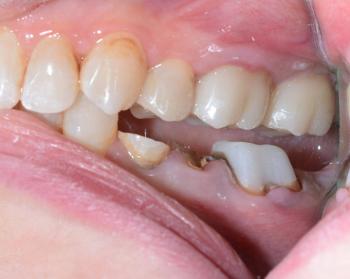
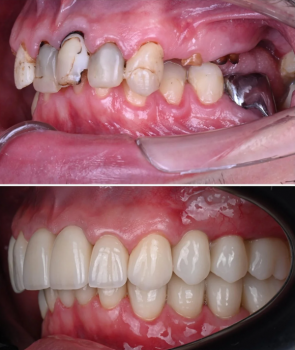
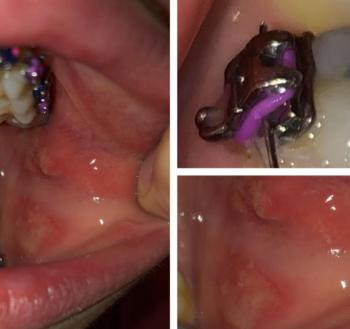
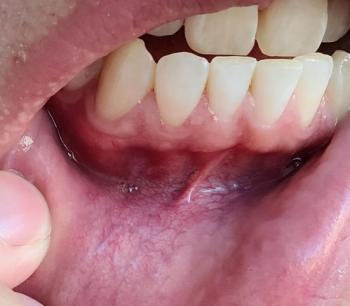
Patients with lower front gum inflammation may also experience tartar buildup, periodontal disease, gum abscesses, or tooth decay. Explore these related clinical case studies.


Other topics:
Other Dental Clinic