Transforming Smiles, Restoring Confidence.

A Nation in Decay: The Root Causes of the Philippine Dental Health Emergency
Language :

Beyond the Smile: Confronting the Oral Health Crisis in the Philippines and Building a Path Forward. The Silent Epidemic: Statistics That Tell a Painful Story
The Philippines is facing an oral health crisis of staggering proportions. Recent data reveals that approximately 44 million Filipinos suffer from oral disorders, with a shocking 29 million living with untreated dental caries. Even more alarmingly, the 2018 National Survey on Oral Health found that 73% of the population suffers from dental caries, with prevalence reaching a peak of 85% among 5-year-old children. This means that nearly all Filipino children will develop tooth decay before reaching school age, setting them on a trajectory of lifelong oral health problems.
The situation with periodontal (gum) disease is equally concerning. According to the same survey, only 50% of Filipinos enjoy healthy periodontal status. The remaining half exhibit symptoms ranging from gum bleeding (44%) to the presence of shallow (39%) or deep periodontal pockets (4.7%) that can lead to tooth loss. These aren't just dental statistics—they represent millions of Filipinos suffering daily pain, nutritional deficiencies due to chewing difficulties, and diminished quality of life.
Why Dental Health Matters: Beyond Just Teeth
Poor oral health extends far beyond dental discomfort. Research confirms significant connections between oral and systemic health:
Major health complications linked to poor oral health include:
-
Cardiovascular disease and stroke
-
Endocarditis (infection of the heart's inner lining)
-
Pneumonia
-
Pregnancy complications including premature birth and low birth weight
Conversely, conditions like diabetes, osteoporosis, and eating disorders can negatively impact oral health. This bidirectional relationship means that neglecting oral health can exacerbate other medical conditions, creating a vicious cycle of deteriorating overall health.The economic impact is equally devastating. When working-age adults suffer from dental pain and infections, they experience lost productivity due to absenteeism and decreased work efficiency. For the poor, dental treatment costs can consume a significant portion of household income, while untreated conditions lead to worsening health that requires even more expensive interventions.
Root Causes: Why Filipinos Struggle With Oral Health
Financial Barriers and Accessibility Issues
The most immediate obstacle to oral health for millions of Filipinos is financial constraint. Outpatient dental services are not covered by PhilHealth benefit packages, forcing 87.1% of Filipinos to pay out-of-pocket for dental care
. For families living below the poverty line, even basic supplies like fluoride toothpaste represent a significant expense, leading to practices like using a single toothbrush for an entire family for a year or more.
Geographic barriers compound the financial ones. The Philippines' archipelagic geography means that many rural communities have limited or no access to dental professionals. In these areas, traditional healers and unlicensed practitioners often become the only source of relief for dental pain, despite their inability to provide scientifically sound treatments.
Education and Cultural Factors
Oral health education in the Philippines faces significant challenges. A lack of consistent messaging means many Filipinos don't understand proper oral hygiene practices or their importance. This is reflected in the widespread reliance on alternative cleaning methods like brushing with baking soda or gargling with saltwater, which lack fluoride's proven anti-cavity effects.
Gender disparities also exist in oral health knowledge and practices. Similar to patterns observed in the U.S., where 59.3% of males reported not knowing that some foods impact dental health (compared to 39.7% of females), Filipino men may similarly lack crucial dental health information.
The Systemic Failure: How Corruption Undermines Oral Health
The oral health crisis in the Philippines cannot be understood without examining the systemic corruption that diverts resources away from healthcare. Recent investigations have revealed shocking patterns of misallocation and theft of public funds that should have supported health services.
The Corruption Playbook in Healthcare
-
Ghost projects: ₱11.5 billion was allocated for 123 health facility contracts, but not a single project was completed
-
Fund diversion: ₱89 billion earmarked for healthcare in 2024 was allegedly diverted illegally from the system
-
Budget manipulation: PhilHealth received a zero-peso allocation in the 2025 national budget despite its critical role
These aren't abstract financial irregularities—they translate directly into human suffering. The disappearance of these funds means:
-
Fewer rural health units equipped to provide dental services
-
Inadequate supplies of fluoride toothpaste for school-based prevention programs
-
Overwhelmed dental professionals facing shortages of anesthesia, filling materials, and even gloves
The impact is particularly severe on oral health services, which have historically been given low priority by the government
. While preventive programs like supervised toothbrushing with fluoride toothpaste in schools do exist, they reach only a fraction of the population and are chronically underfunded.
The Infrastructure Gap
The systemic problems extend beyond fund misallocation to critical infrastructure deficiencies:
Table: Healthcare Infrastructure Challenges in the Philippines
| Challenge | Impact on Oral Health Services |
|---|---|
| Severe healthcare worker shortage | Only 1 doctor per 25,300 people (well below WHO recommendations) limits dental service availability |
| Non-functional health facilities | 400 out of 600 special health centers built by DOH were non-operational due to lack of personnel |
| Urban-rural divide | Dental professionals concentrate in urban areas, leaving rural regions severely underserved |
| Public-private disparity | Quality dental care becomes a privilege for those who can afford private clinics |
Building Better Habits: An Evidence-Based Oral Hygiene Routine for All Budgets
Despite systemic challenges, individuals can take meaningful steps to protect their oral health. Here is a practical, evidence-based routine that can be adapted to various budgets:
The Gold Standard Routine (Based on Cleveland Clinic recommendations
)
-
Brush twice daily with fluoride toothpaste and a soft-bristled toothbrush
-
Floss once daily to clean between teeth where brushing can't reach
-
Brush your tongue to remove bacteria
-
Use antibacterial mouthwash daily (alcohol-free formula recommended)
-
Visit your dentist regularly for checkups and cleanings
Budget-Friendly Adaptations for Filipino Families
-
Toothbrush alternatives: If a commercial toothbrush is unaffordable, clean cloth wrapped around a finger with toothpaste can provide some cleaning benefit
-
Flossing alternatives: If dental floss is unavailable, interdental cleaning can be achieved with sanitized thread or thin plastic strips (though commercial floss is preferred)
-
Mouthwash alternative: Saltwater rinses (1/2 teaspoon salt in cup of warm water) can help reduce bacteria, though they lack fluoride's protective benefits
-
Maximizing fluoride: If only a small amount of fluoride toothpaste is available, focus it on brushing at night before bed when its protective effects can work uninterrupted
Special Considerations for Different Life Stages
-
Children: The Department of Education's Essential Health Care Program includes daily supervised toothbrushing with fluoride toothpaste in public schools—ensure your child participates
-
Older adults: Be vigilant for signs of gum recession and root caries, which become more common with age
-
Pregnant women: Hormonal changes increase susceptibility to gum disease—more frequent cleanings may be necessary
Navigating the System: How to Access Dental Care on a Limited Budget
Government Programs and Subsidized Services
Despite systemic challenges, some public dental services are available:
-
Rural Health Units (RHUs) often provide basic dental services at reduced costs or sometimes free for indigent patients
-
The "Doctors to the Barrios" program deploys healthcare professionals to underserved communities
-
Some local government units offer annual dental missions—inquire at your barangay health center
Maximizing Limited Resources
-
Prioritize prevention: The most cost-effective approach is preventing problems before they start. Consistent brushing with fluoride toothpaste is far cheaper than fillings or extractions
-
Seek early intervention: Don't wait until toothaches become unbearable. Early cavities are cheaper to treat than advanced decay requiring root canals or extractions
-
Inquire about payment plans: Some private dentists offer staggered payment options for necessary treatments
-
Dental schools: Student dentists at dental schools often provide supervised care at significantly reduced costs
Advocacy and Systemic Change: A Path Forward
Policy Solutions with Proven Effectiveness
Research demonstrates that including basic oral health services in PhilHealth benefit packages would be a cost-effective approach from a societal perspective. A 2025 study found that a subsidized oral health package would have an incremental cost-effectiveness ratio of PhP 75,636 per disability-adjusted life year (DALY) averted, well below the 2021 GDP per capita threshold of PhP 174,286
.
Specific interventions with strong evidence include:
-
Basic prevention and treatment delivered at primary health care settings
-
Water fluoridation programs, currently existing in only two pilot areas in the Philippines
-
School-based fluoride mouthrinsing programs and supervised brushing
What Citizens Can Do to Demand Change
-
Participate in citizen monitoring of government health projects in your community
-
Support investigative journalism that exposes corruption in the health sector
-
Advocate for policy change by engaging with local officials about oral health needs
-
Demand independent audits of all Department of Health infrastructure contracts and PhilHealth finances
-
Vote consistently against politicians with records of corruption, regardless of party affiliation
Conclusion: Reclaiming the Filipino Smile
The oral health crisis in the Philippines is multifaceted, rooted in poverty, inadequate education, and systemic corruption. Yet within this challenging landscape, both individual action and collective advocacy offer paths toward improvement. By adopting consistent oral hygiene practices within our means, seeking early intervention for dental problems, and demanding accountability from those entrusted with public health resources, Filipinos can begin to reverse the tide of decay and disease.
The connection between oral health and overall well-being is too significant to ignore. As one healthcare worker poignantly observed, "We're not just fighting dental diseases—we're fighting systemic apathy and corruption that trickles down to every level of care". This fight begins with each toothbrush stroke, each informed decision about dental care, and each demand for a health system that truly serves the Filipino people.
The road to better oral health for all Filipinos is long, but it starts with the recognition that oral health is not a luxury—it is a fundamental component of overall health and human dignity. By addressing both individual habits and systemic failures, we can work toward a future where every Filipino enjoys not just the absence of dental pain, but the confidence and health that comes with a truly healthy smile.
Looking for dentist : Visit directory list
Related Clinical Cases
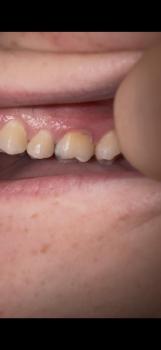
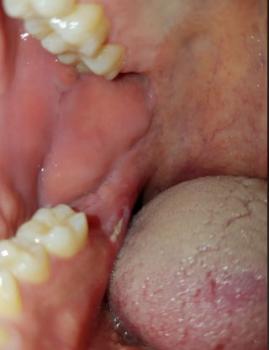
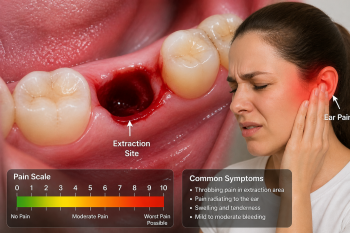
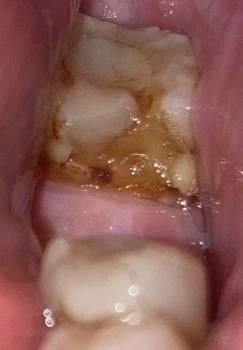
Patients with lower front gum inflammation may also experience tartar buildup, periodontal disease, gum abscesses, or tooth decay. Explore these related clinical case studies.

Other topics:
Other Dental Clinic