Building Confidence One Smile at a Time.

The Hidden Threat: What Back Tooth Pain and Bleeding Gums Could Mean for Your Health
Image:
Severity:
Teeth Problems:
Deep Examination & Analysis
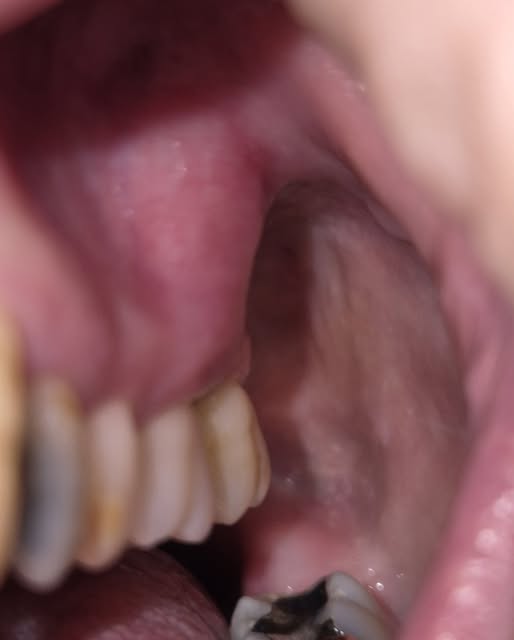
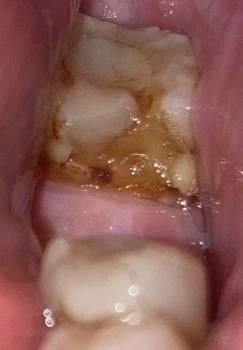
Based on the image provided, there are several significant dental health concerns that require immediate professional attention:
-
Gross Caries (Severe Decay): The lower molar (bottom right of the photo) shows a large, dark cavitation covering most of the occlusal (biting) surface. This indicates extensive tooth structure loss.
-
Likely Pulp Exposure: Given the depth of the dark area on the lower molar, the decay has likely reached the pulp (nerve) of the tooth.
-
Gingival Recession & Inflammation: The gums surrounding the upper teeth appear retracted, and there is visible redness/inflammation, suggesting periodontal (gum) disease.
-
Heavy Calculus/Staining: There is significant buildup on the lingual (inside) surfaces of the upper teeth, which harbors bacteria and contributes to bone loss.
Urgency Categorization
| Level | Status | Reasoning |
| Emergency | HIGH RISK | If you are experiencing throbbing pain, swelling in the jaw/cheek, or fever, this is an Emergency. |
| Critical | ACTIVE | Without pain, the state of the lower molar is Critical. The tooth is structurally compromised and at risk of fracturing or developing an abscess. |
The 14-Day Outlook: Risks of Delay
If this is not addressed within the next 14 days, the following issues may "scale up":
-
Abscess Formation: Bacteria can reach the root tip, causing a painful, pus-filled infection that can spread to the jawbone.
-
Tooth Loss: The lower molar may deteriorate to the point where it can no longer be saved with a crown or root canal, requiring full extraction.
-
Acute Pain: Decay often reaches a "tipping point" where it goes from a dull ache to unbearable, constant nerve pain.
Proposed Execution Process
A dentist will likely follow this workflow:
-
Step 1: Diagnostics: Digital X-rays (Periapical and Bitewing) to determine the depth of the decay and the health of the roots.
-
Step 2: Stabilization: Removal of the decayed tissue.
-
Step 3: Restoration: Depending on X-ray results, you will likely need a Root Canal Treatment (RCT) followed by a Crown, or an Extraction if the tooth is non-restorable.
-
Step 4: Periodontal Cleaning: A deep scaling (prophylaxis) to treat the gum inflammation.
Estimated Time Frame to Heal: * Simple Filling: 1 day.
-
Root Canal & Crown: 2–3 visits over 2 weeks.
-
Extraction: 7–10 days for soft tissue healing; 3–6 months for bone remodeling.
Comments: Please do not attempt to clean the cavity yourself or use "home kits," as this can push bacteria deeper into the nerve.
Action: You should visit a clinic immediately to prevent the infection from spreading. You can find a licensed professional near your area in Cebu using the directory below:
Search the Cebu Dental Directory Map
Would you like me to help you formulate a list of specific questions to ask the dentist during your appointment?
Frequently Asked Questions (FAQ): The Hidden Threat – What Back Tooth Pain and Bleeding Gums Could Mean for Your Health
Expert Answers from a USA Dentist
1. Why does my back tooth hurt and my gums bleed when I brush?
Back tooth pain combined with bleeding gums often indicates inflammation caused by plaque, gum disease, tooth decay, or an infection around the molars. While occasional bleeding may result from aggressive brushing, persistent symptoms should never be ignored because they may signal a more serious dental problem.
2. Is bleeding gums normal?
No. Healthy gums should not bleed during brushing or flossing. Bleeding is usually an early warning sign of gingivitis, which can progress to periodontal (gum) disease if left untreated.
3. What are the most common causes of back tooth pain?
Common causes include:
- Tooth decay
- Cracked or fractured molars
- Gum infection
- Impacted wisdom teeth
- Tooth abscess
- Teeth grinding (bruxism)
- Food trapped between teeth
- Loose fillings or crowns
A dental examination is necessary to determine the exact cause.
4. Could back tooth pain be caused by a wisdom tooth?
Yes. Partially erupted or impacted wisdom teeth frequently cause pain, swollen gums, difficulty opening the mouth, bad breath, and infection. In some cases, wisdom tooth removal is the best long-term solution.
5. Can gum disease cause tooth pain?
Yes. As gum disease progresses, bacteria destroy the tissues and bone supporting the teeth. This can lead to gum tenderness, loose teeth, pain while chewing, and even tooth loss if untreated.
6. When is back tooth pain considered a dental emergency?
Seek immediate dental care if you experience:
- Severe, throbbing pain
- Facial swelling
- Fever
- Difficulty swallowing
- Difficulty breathing
- Pus draining from the gums
- Bleeding that will not stop
These symptoms may indicate a serious infection requiring urgent treatment.
7. What is a dental abscess?
A dental abscess is a pocket of pus caused by a bacterial infection inside or around a tooth. It can produce severe pain, swelling, fever, and a bad taste in the mouth. Without treatment, the infection may spread into nearby tissues or, in rare cases, become life-threatening.
8. Can bleeding gums lead to tooth loss?
Yes. Untreated gum disease damages the bone and connective tissues that support the teeth. As the disease advances, teeth may loosen and eventually require extraction.
9. Could bad breath and bleeding gums be related?
Yes. Persistent bad breath often occurs alongside gum disease because bacteria accumulate below the gumline and release foul-smelling compounds. Treating the underlying infection usually improves both gum health and breath.
10. Can a cavity cause bleeding gums?
Indirectly, yes. A deep cavity can trap food and bacteria near the gums, causing irritation and inflammation. If the infection spreads, both tooth pain and gum bleeding may occur.
11. Why does my back tooth hurt only when I chew?
Pain during chewing may indicate:
- A cracked tooth
- A deep cavity
- A loose filling
- A tooth abscess
- Inflamed tooth pulp
- Gum infection
These conditions require professional evaluation before they worsen.
12. What treatments are available for back tooth pain and bleeding gums?
Treatment depends on the diagnosis and may include:
- Professional dental cleaning
- Scaling and root planing
- Tooth-colored fillings
- Root canal therapy
- Crown placement
- Gum disease treatment
- Wisdom tooth extraction
- Antibiotics when indicated
Your dentist will recommend the most appropriate option based on the underlying cause.
13. Can smoking make bleeding gums worse?
Yes. Smoking weakens the body's immune response, reduces blood flow to the gums, slows healing, and significantly increases the risk of periodontal disease, tooth loss, and oral infections.
14. What can I do at home before seeing a dentist?
While waiting for your appointment:
- Brush gently with a soft-bristled toothbrush.
- Floss carefully to remove trapped food.
- Rinse with warm salt water.
- Avoid very hot, cold, or sugary foods if they worsen pain.
- Take an over-the-counter pain reliever as directed, if appropriate.
- Do not place aspirin directly on the gums, as it can damage the tissue.
Home care may ease symptoms but will not treat the underlying cause.
15. Can stress contribute to bleeding gums and tooth pain?
Yes. Stress may lead to teeth grinding, reduced immune function, and neglected oral hygiene, all of which can increase the risk of gum inflammation and tooth discomfort.
16. Can diabetes increase the risk of gum disease?
Yes. Poorly controlled diabetes makes it harder for the body to fight infection, increasing the likelihood of gum disease, slower healing, and more severe periodontal damage.
17. How can I prevent back tooth pain and bleeding gums?
Good prevention includes:
- Brushing twice daily with fluoride toothpaste
- Flossing every day
- Limiting sugary foods and drinks
- Avoiding tobacco products
- Drinking plenty of water
- Scheduling dental cleanings every six months
- Seeking care promptly if symptoms develop
18. What happens if I ignore bleeding gums and tooth pain?
Ignoring these symptoms can allow disease to progress, leading to deeper infections, bone loss, loose teeth, abscess formation, and the need for more complex treatment. Early diagnosis often allows for simpler and more effective care.
19. Can a tooth infection affect my overall health?
Yes. In some cases, untreated dental infections can spread beyond the mouth into the jaw, facial tissues, or bloodstream. While uncommon, serious infections require immediate medical attention, especially if accompanied by fever, facial swelling, or difficulty breathing or swallowing.
20. When should I schedule a dental examination?
Arrange a dental appointment as soon as possible if you have:
- Bleeding gums lasting more than one week
- Persistent back tooth pain
- Swollen or tender gums
- Loose teeth
- Recurrent bad breath
- Sensitivity that continues or worsens
- Pain when chewing
Early diagnosis and treatment can help preserve your teeth, protect your gums, and reduce the risk of more serious complications.
Related Clinical Cases
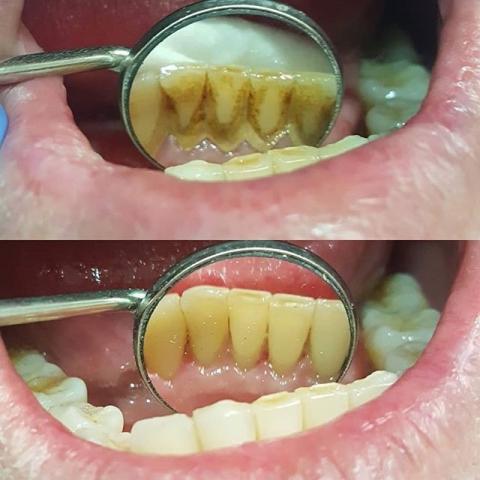
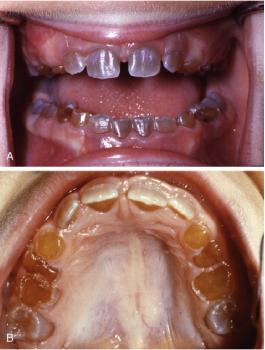
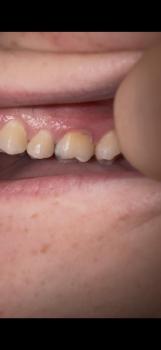
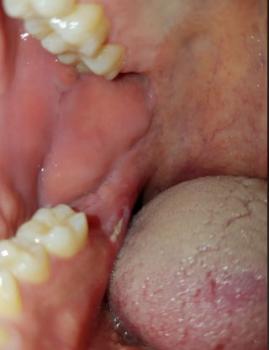
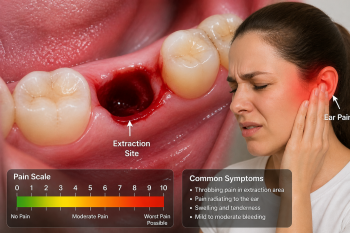
Patients with lower front gum inflammation may also experience tartar buildup, periodontal disease, gum abscesses, or tooth decay. Explore these related clinical case studies.



Other topics:
Other Dental Clinic