Transforming Smiles, Restoring Confidence.

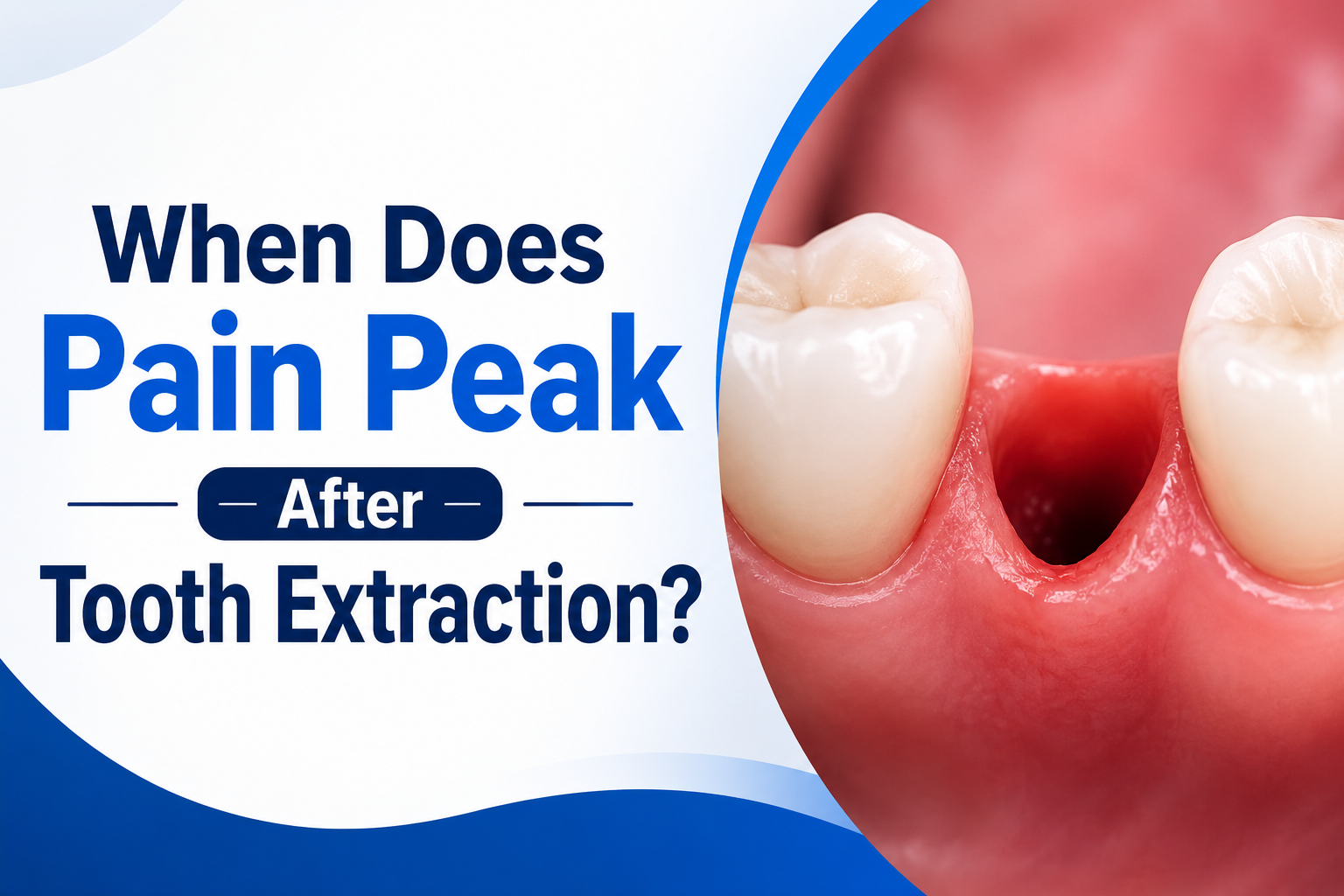
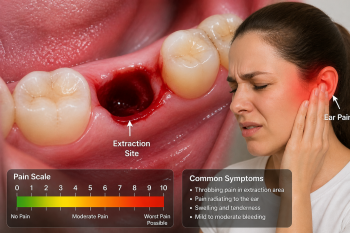
When Does Pain Peak After Tooth Extraction?
Language :
Topics:
A Clinical, Day-by-Day Guide from an Arizona Dental Bone Graft Expert
One of the most common questions I hear in my Arizona practice is:
“When will the pain be at its worst after a tooth extraction?”
It’s a fair question—and an important one. Understanding the pain timeline helps you manage expectations, reduce anxiety, and recognize early signs of complications like dry socket.
Here’s the clear answer:
Pain usually peaks between Day 2 and Day 3 after extraction.
But the full story matters. Let’s walk through the complete timeline so you know what’s normal and what needs attention.
Why Pain Happens After Tooth Extraction
Tooth extraction creates a controlled surgical wound. Your body responds with:
- Inflammation
- Blood clot formation
- Tissue repair
Pain is part of this natural healing process, and it follows a predictable pattern.
The Pain Timeline: Day-by-Day Breakdown
Day 1 (First 24 Hours): Immediate Post-Op Phase
What Happens
- A blood clot forms in the socket
- Initial inflammation begins
Pain Level
- Mild to moderate
- Often controlled by anesthesia at first
- Increases slightly as numbness wears off
What You’ll Feel
- Tenderness
- Mild swelling
- Slight bleeding
Clinical Advice
Take prescribed pain medication before the anesthesia fully wears off.
Day 2: Pain Intensifies
What Happens
- Inflammation increases
- Blood flow to the area peaks
Pain Level
Moderate to high. This is commonly the peak.
What You’ll Feel
- Throbbing discomfort
- Noticeable swelling
- Jaw stiffness
Why This Happens
Your body is actively repairing tissue and managing inflammation.
Day 3: Peak or Turning Point
What Happens
- Inflammation stabilizes
- Healing begins to take over
Pain Level
Still elevated, but should begin improving.
Important Clinical Insights
This is the most critical point in recovery.
Normal pattern:
- Pain stabilizes or starts decreasing
Abnormal pattern:
- Pain worsens
- Sharp or radiating pain develops
This may indicate dry socket.
Day 4–5: Pain Should Decrease
What Happens
- Tissue healing progresses
- Swelling reduces
Pain Level
- Mild to moderate
- Clearly improving
What You’ll Feel
- Less sensitivity
- Increased comfort
Day 6–7: Significant Relief
What Happens
- Healing continues steadily
Pain Level
- Minimal
What You’ll Feel
- Nearly normal
- Slight sensitivity when chewing
Week 2: Soft Tissue Recovery
What Happens
- Gum tissue closes
- Area stabilizes
Pain Level
- Little to none
What Is Considered Normal Pain?
Normal Pattern
- Pain increases slightly after Day 1
- Peaks at Day 2–3
- Gradually improves afterward
Abnormal Pattern
- Pain worsens after Day 3
- Sharp or radiating pain
- Persistent or increasing discomfort
This pattern often indicates a complication.
Real Case from My Arizona Practice
Carlos, a 46-year-old patient, underwent a molar extraction.
Day 1:
- Mild discomfort
Day 2:
- Peak pain
Day 3:
- Pain began to decrease
Day 5:
- Minimal discomfort
Outcome:
- Normal healing with no complications
Contrast Case
Another patient resumed normal habits too early:
- Used a straw on Day 2
- Developed severe pain on Day 3
Diagnosis:
Dry socket
Lesson:
Pain timing is a key indicator of healing quality.
Why Pain Peaks on Day 2–3
Biological Explanation
At this stage:
- Inflammation is highest
- Blood flow increases
- Immune response is active
Clinical Insighte
Pain during this phase is expected and part of the healing process.
Factors That Influence Pain Levels
1. Type of Extraction
- Simple extraction: lower pain
- Surgical extraction: higher pain
2. Bone Density
Denser bone can lead to more post-operative discomfort.
3. Number of Teeth Removed
Multiple extractions increase inflammation.
4. Overall Health
Conditions like diabetes can affect healing.
5. Smoking
Smoking increases both pain and complication risk.
How to Manage Peak Pain
1. Take Medication on Schedulee
Do not wait for pain to become severe.
2. Use Cold Compress
Apply for the first 48 hours:
- 15 minutes on
- 15 minutes off
3. Rest
Avoid physical activity that increases blood pressure.
4. Eat Soft Foods
Avoid irritation at the surgical site.
5. Stay Hydrated
Supports healing and reduces inflammation.
When Pain Is Not Normal
Contact your dentist if you experience:
- Severe pain after Day 3
- Pain spreading to ear or neck
- Bad taste or odor
- Visible bone in the sockete
Impact on Dental Implant Planning
If you’re preparing for implants, healing quality is critical.
Pain patterns help determine:
- Whether healing is progressing normally
- If complications are present
Expert Advice
Do not proceed with implant placement until healing is stable.
Common Mistakes That Increase Pain
- Skipping prescribed medication
- Smoking too soon
- Using straws
- Ignoring worsening symptoms
How Long Does Pain Last?
Typical Timeline
- Peak: Day 2–3
- Improvement: Day 4 onward
- Minimal discomfort: Day 7
FAQ: When Does Pain Peak After Extraction?
1. When is pain at its worst?
Usually Day 2–3.
2. Is pain after Day 3 normal?
Yes, but it should be improving.
3. What if pain gets worse after Day 3?
This may indicate dry socket or another complication.
4. How long does pain last overall?
Most patients feel significant relief within 5–7 days.
5. Can peak pain be avoided?
It cannot be fully avoided, but it can be managed.
6. Does everyone experience the same pain?
No, pain levels vary by individual and procedure type.
Related Topics
1. Dry Socket vs Normal Healing
Learn how to identify complications early.
2. Tooth Extraction Healing Stages Day-by-Day
Understand the full recovery process.
3. Dental Implant Recovery Guide
Prepare for implant healing after extraction.
Final Thoughts from an Arizona Bone Graft Expert
Pain after tooth extraction follows a predictable and useful pattern.
The most important takeaway:
Pain should peak early and then improve.
If pain continues to increase instead of decreasing, it is not normal and should be evaluated.
Understanding this timeline allows you to:
- Manage discomfort effectively
- Recognize complications early
- Support proper healing
A well-managed recovery sets the foundation for long-term oral health and successful dental implants.
Can tooth extraction cause infection? Mild inflammation is normal, but increasing swelling, fever, or severe pain may indicate infection. Learn more about post-extraction infection warning signs in this detailed guide.
Book a consultation with our Cebu dental specialists for proper evaluation and care.
Ready to get expert guidance?
If you’re experiencing severe pain or delayed healing, book a consultation with our Cebu dental specialists to get proper evaluation and care.
Consultation or contact page .
Book a Consultation
For severe discomfort or delayed healing, book a consultation with our Cebu dental specialists today.
Looking for a dentist? Browse our Cebu dental directory to find trusted clinics near you.
Medical Review and Clinical Basis
This article is based on clinical dental guidelines and real patient recovery patterns observed after tooth extraction procedures. The information reflects common post-extraction healing stages, including normal clot formation, gum tissue repair, and signs of possible complications such as dry socket or infection.
While mild discomfort is expected after a dental extraction, worsening pain after Day 3, bad odor, exposed bone, or spreading pain may require professional evaluation. These symptoms are consistent with known post-extraction complications described in standard dental practice.
About Cebu Dental Implants
Cebu Dental Implants provides comprehensive tooth extraction, surgical procedures, and dental implant services in the Philippines. Our team evaluates post-extraction healing, manages complications such as dry socket, and advises patients on proper aftercare to prevent infection and delayed healing.
If you experience severe pain or unusual symptoms after extraction, early professional assessment is recommended to prevent further complications.
Important Medical Disclaimer
This content is for educational purposes only and does not replace professional dental diagnosis. Every patient heals differently. If symptoms worsen or do not improve within a few days, consult a licensed dentist for proper evaluation and treatment.
Author
This article was prepared by the Cebu Dental Implants content team in consultation with licensed dental professionals experienced in tooth extraction and implant procedures.
Related Clinical Cases
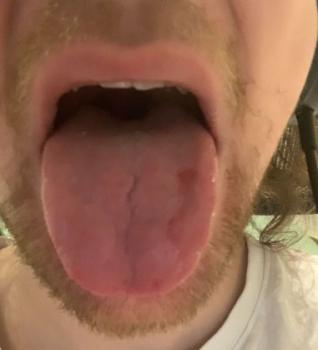
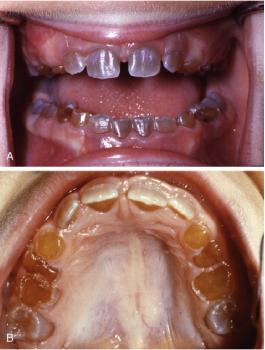
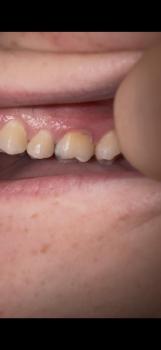
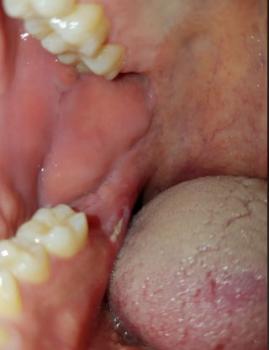
Patients with lower front gum inflammation may also experience tartar buildup, periodontal disease, gum abscesses, or tooth decay. Explore these related clinical case studies.

Other topics:
Other Dental Clinic