Your Smile, Perfected with Precision.

How Long After Tooth Extraction Can You Get a Dental Implant in Alaska?
Language :
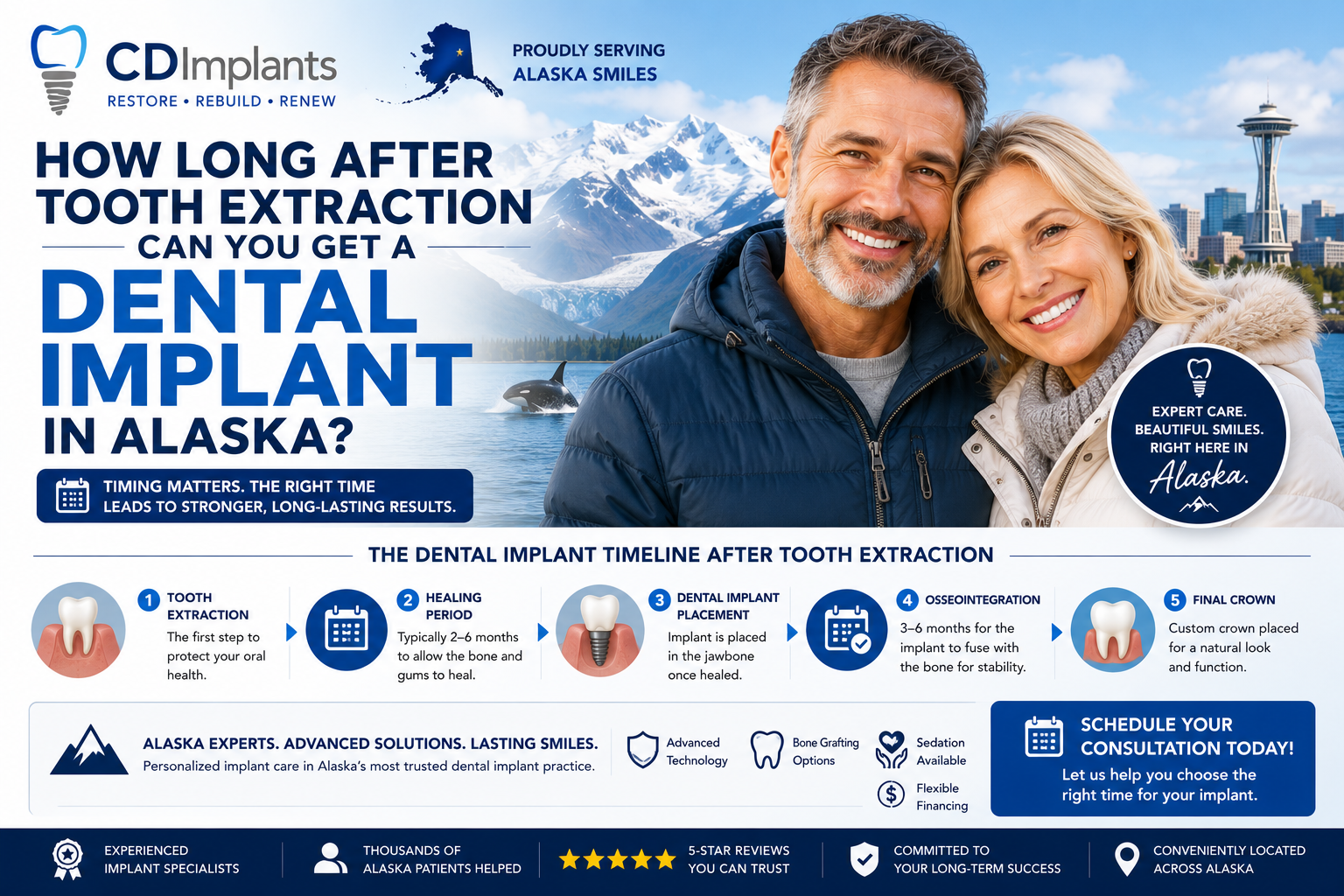
Losing a tooth can feel overwhelming, especially when you are trying to decide how soon you can replace it with a dental implant. Many patients in Alaska ask the same important question: How long after a tooth extraction can you get a dental implant?
The answer depends on several factors, including your bone health, gum condition, infection level, smoking habits, overall health, and how the tooth was removed. Some patients can receive an implant immediately after extraction, while others may need to wait several months for proper healing.
In Alaska, where cold weather, remote travel, and limited specialist access in some areas can affect dental scheduling, understanding implant timing is especially important. The good news is that modern dental implant techniques now allow many patients to restore their smile faster and more predictably than ever before.
This complete USA Alaska expert guide explains:
- When implants can be placed after extraction
- Immediate vs delayed implant timelines
- Healing stages
- Bone grafting needs
- Risks of waiting too long
- Cost considerations
- Recovery tips
- Frequently asked questions
Whether you lost a tooth because of decay, injury, infection, or gum disease, this guide will help you understand the safest and most effective timing for dental implants.
What Is a Dental Implant?
A dental implant is a titanium post surgically placed into the jawbone to replace the root of a missing tooth. After healing, a crown is attached to the implant to restore appearance and chewing function.
Dental implants are considered one of the best long-term tooth replacement options because they:
- Look natural
- Feel stable
- Help preserve jawbone
- Prevent shifting teeth
- Improve chewing strength
- Can last decades with proper care
Why Timing Matters After Tooth Extraction
After a tooth is removed, your jawbone immediately begins changing.
The body naturally starts:
- Healing the extraction socket
- Closing gum tissue
- Remodeling bone
- Reducing bone volume in the missing tooth area
This healing process affects when an implant can safely and successfully be placed.
If implants are placed too early in unhealthy tissue, failure risk increases. If implants are delayed too long, bone loss may require grafting procedures.
That is why timing is critical.
Main Implant Timing Options After Extraction
Immediate Implant Placement
An immediate implant is placed the same day the tooth is extracted.
Best Candidates
Patients with:
- Healthy gums
- Strong jawbone
- No severe infection
- Good overall health
- Non-smoking lifestyle
Advantages
- Fewer surgeries
- Shorter treatment time
- Less bone loss
- Faster cosmetic restoration
- Fewer dental appointments
Risks
- Higher complexity
- Infection risk if extraction site is contaminated
- Implant stability challenges
Common in Alaska?
Yes. Many implant specialists in Alaska offer same-day implant procedures for qualified patients.
Early Implant Placement
This approach places the implant several weeks after extraction.
Typical waiting period:
- 6 to 8 weeks
This allows soft tissue healing while limiting major bone loss.
Benefits
- Lower infection risk
- Better gum healing
- More predictable implant placement
Good For
- Mild infections
- Moderate gum inflammation
- Patients needing limited healing time
Delayed Implant Placement
Delayed implants are placed after full bone healing.
Typical waiting period:
- 3 to 6 months
Advantages
- Fully healed extraction site
- Stronger implant planning
- Reduced surgical complications
Disadvantages
- Longer total treatment time
- Possible bone shrinkage
- May require bone grafting
This is one of the most common approaches used across the USA.
Average Healing Timeline After Tooth Extraction
First 24 Hours
- Blood clot forms
- Swelling begins
- Mild discomfort expected
First Week
- Gum tissue starts closing
- Swelling improves
- Initial healing progresses
2 to 6 Weeks
- Soft tissue healing continues
- Bone remodeling begins
3 to 6 Months
- Bone matures
- Jaw stabilizes
- Implant site becomes more predictable
Every patient heals differently.
Factors That Affect Implant Timing
Bone Density
Strong bone helps stabilize implants.
Patients with bone loss may need:
- Bone grafting
- Sinus lift procedures
- Additional healing time
Bone quality is especially important for upper molars.
Gum Health
Healthy gums are essential before implant placement.
Conditions delaying implants include:
- Gum disease
- Active infection
- Severe inflammation
Dentists often treat periodontal disease before implant surgery.
Infection Severity
If the extracted tooth had:
- Abscess
- Deep infection
- Bone damage
Your dentist may delay implants until the infection fully resolves.
Smoking
Smoking significantly slows healing.
Smokers face increased risk of:
- Implant failure
- Infection
- Bone loss
- Poor gum healing
Many Alaska implant specialists strongly recommend quitting before surgery.
Diabetes and Medical Conditions
Uncontrolled diabetes can delay healing and increase infection risk.
Other conditions affecting timing:
- Autoimmune disorders
- Osteoporosis medications
- Immune suppression
Medical clearance may be required.
Immediate vs Delayed Implants Comparison
| Feature | Immediate Implant | Delayed Implant |
|---|---|---|
| Placement Time | Same day | 3–6 months later |
| Healing Time | Shorter overall | Longer |
| Bone Preservation | Better | More bone loss possible |
| Complexity | Higher | Lower |
| Infection Risk | Slightly higher | Lower |
| Cost | Sometimes higher | Variable |
| Cosmetic Results | Often excellent | Excellent |
When Immediate Implants Are NOT Recommended
Immediate implants may not work well if you have:
- Severe infection
- Large bone defects
- Advanced gum disease
- Heavy smoking habits
- Poor oral hygiene
- Teeth grinding issues
Your implant dentist will determine the safest timing.
Bone Grafting After Extraction
What Is Bone Grafting?
Bone grafting rebuilds lost jawbone.
It may be performed:
- During extraction
- Before implant placement
- During implant surgery
Why Bone Loss Happens
After tooth removal, the body no longer stimulates the jawbone.
As a result:
- Bone shrinks
- Gum tissue changes
- Facial structure may shift
Bone loss begins quickly after extraction.
Common Bone Graft Materials
Autograft
Bone from your own body.
Allograft
Processed donor bone.
Xenograft
Animal-derived bone material.
Synthetic Grafts
Man-made materials promoting bone growth.
How Long After Bone Grafting Can You Get an Implant?
Healing varies depending on graft size.
Typical timeline:
- Minor graft: 3 to 4 months
- Major graft: 6 to 9 months
Your dentist uses X-rays or CBCT scans to evaluate readiness.
Signs You May Need a Dental Implant Quickly
You should consult an implant dentist soon after extraction if:
- You lost a front tooth
- You want to preserve bone
- You want fewer surgeries
- You want fixed teeth instead of dentures
- You notice facial collapse or shifting teeth
Early consultation improves treatment options.
Risks of Waiting Too Long After Extraction
Increased Bone Loss
The longer you wait, the more bone can shrink.
This may require:
- Bone grafts
- More expensive treatment
- Additional healing time
Teeth Shifting
Nearby teeth may drift into the empty space.
This can:
- Affect bite alignment
- Create chewing issues
- Complicate implant placement
Sinus Expansion
Upper back teeth areas may experience sinus expansion after tooth loss.
This often requires sinus lift surgery before implants.
Dental Implant Procedure Step-by-Step
Step 1: Consultation
Your dentist examines:
- Bone structure
- Gum health
- Medical history
- X-rays or CBCT scans
Step 2: Tooth Extraction
The damaged tooth is removed carefully.
Sometimes bone grafting is added immediately.
Step 3: Implant Placement
The titanium implant is inserted into the jawbone.
Healing then begins.
Step 4: Osseointegration
The implant fuses with bone.
This usually takes:
- 3 to 6 months
Step 5: Abutment Placement
A connector piece is attached.
Step 6: Crown Placement
A custom dental crown completes the restoration.
How Painful Is Implant Surgery?
Most patients report less discomfort than expected.
Modern implant procedures use:
- Local anesthesia
- Sedation options
- Advanced surgical planning
Typical symptoms:
- Mild swelling
- Minor soreness
- Temporary tenderness
Most patients return to normal activities quickly.
Recovery Tips After Implant Surgery
Follow Post-Operative Instructions
Always follow your dentist’s guidance carefully.
Avoid Smoking
Smoking dramatically reduces implant success rates.
Eat Soft Foods
Recommended foods:
- Yogurt
- Mashed potatoes
- Soup
- Eggs
- Smoothies
Avoid:
- Hard foods
- Crunchy snacks
- Sticky foods
Maintain Excellent Oral Hygiene
Clean implants carefully using:
- Soft toothbrushes
- Non-alcohol rinses
- Water flossers if recommended
Attend Follow-Up Visits
Routine monitoring helps ensure proper healing.
Dental Implant Success Rates
Dental implants have very high success rates.
Average long-term success:
- 90% to 98%
Success depends heavily on:
- Bone quality
- Oral hygiene
- Smoking status
- Proper placement
- Medical health
Cost of Dental Implants in Alaska
Dental implant costs vary depending on:
- Specialist experience
- Bone grafting needs
- Number of implants
- Sedation
- Crown materials
Typical Alaska price ranges:
- Single implant: $3,000 to $6,500+
- Bone grafting: additional cost
- Full-mouth implants: significantly higher
Urban areas may offer more specialists, while remote Alaska patients sometimes travel for advanced procedures.
Are Dental Implants Worth It?
For many patients, yes.
Benefits include:
- Long-term durability
- Better chewing
- Improved confidence
- Bone preservation
- Natural appearance
Compared with bridges or dentures, implants often provide superior long-term function.
Dental Implant vs Dental Bridge
| Feature | Implant | Bridge |
|---|---|---|
| Bone Preservation | Yes | No |
| Adjacent Teeth Drilled | No | Yes |
| Longevity | Often longer | Moderate |
| Stability | Excellent | Good |
| Cleaning | Similar to natural teeth | More complex |
Dental Implant vs Dentures
| Feature | Implant | Dentures |
|---|---|---|
| Stability | Fixed | Removable |
| Chewing Power | Strong | Reduced |
| Bone Preservation | Yes | No |
| Comfort | High | Variable |
| Speech | Natural | Sometimes affected |
Choosing the Right Implant Dentist in Alaska
Look for:
- Implant experience
- Before-and-after cases
- CBCT imaging technology
- Good patient reviews
- Clear treatment planning
- Emergency support
Specialists may include:
- Oral surgeons
- Periodontists
- Prosthodontists
- General dentists with implant training
Frequently Asked Questions
Can you get a dental implant immediately after extraction?
Yes, some patients qualify for same-day implants if the bone and gums are healthy.
How long should gums heal before implants?
Soft tissue healing often takes:
- 6 to 8 weeks
Full bone healing may take several months.
Is bone grafting always necessary?
No. Some patients have enough natural bone for implants immediately.
Can infection stop implant placement?
Yes. Active infections sometimes require healing before implants are placed.
Are implants permanent?
Dental implants can last decades with proper care and maintenance.
What happens if I wait years after extraction?
Extended delays often cause bone loss and may require grafting procedures.
Do implants hurt more than extractions?
Most patients report implants are easier than expected and manageable with medication.
How soon can I eat normally after implant surgery?
Soft foods are recommended initially. Full chewing strength gradually returns during healing.
Final Thoughts
So, how long after extraction can you get an implant in Alaska?
The answer depends on your oral health, bone condition, infection level, and treatment goals. Some patients qualify for immediate implants the same day a tooth is removed, while others benefit from waiting several weeks or months for ideal healing.
The key is early evaluation.
The sooner you consult an experienced implant dentist, the more treatment options you may have. Delaying too long can increase bone loss, treatment complexity, and costs.
Modern dental implants remain one of the best long-term solutions for missing teeth because they restore function, confidence, appearance, and jawbone health.
If you recently had a tooth extracted or are planning one soon, speaking with an Alaska implant specialist can help you determine the safest and most effective timeline for your smile restoration journey.
Can tooth extraction cause infection? Mild inflammation is normal, but increasing swelling, fever, or severe pain may indicate infection. Learn more about post-extraction infection warning signs in this detailed guide.
Book a consultation with our Cebu dental specialists for proper evaluation and care.
Ready to get expert guidance?
If you’re experiencing severe pain or delayed healing, book a consultation with our Cebu dental specialists to get proper evaluation and care.
Consultation or contact page .
Book a Consultation
For severe discomfort or delayed healing, book a consultation with our Cebu dental specialists today.
Looking for a dentist? Browse our Cebu dental directory to find trusted clinics near you.
Medical Review and Clinical Basis
This article is based on clinical dental guidelines and real patient recovery patterns observed after tooth extraction procedures. The information reflects common post-extraction healing stages, including normal clot formation, gum tissue repair, and signs of possible complications such as dry socket or infection.
While mild discomfort is expected after a dental extraction, worsening pain after Day 3, bad odor, exposed bone, or spreading pain may require professional evaluation. These symptoms are consistent with known post-extraction complications described in standard dental practice.
About Cebu Dental Implants
Cebu Dental Implants provides comprehensive tooth extraction, surgical procedures, and dental implant services in the Philippines. Our team evaluates post-extraction healing, manages complications such as dry socket, and advises patients on proper aftercare to prevent infection and delayed healing.
If you experience severe pain or unusual symptoms after extraction, early professional assessment is recommended to prevent further complications.
Important Medical Disclaimer
This content is for educational purposes only and does not replace professional dental diagnosis. Every patient heals differently. If symptoms worsen or do not improve within a few days, consult a licensed dentist for proper evaluation and treatment.
Author
This article was prepared by the Cebu Dental Implants content team in consultation with licensed dental professionals experienced in tooth extraction and implant procedures.
Related Clinical Cases
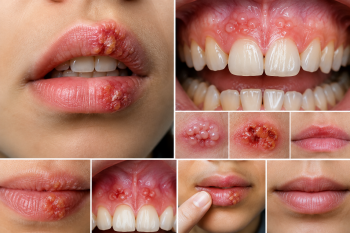
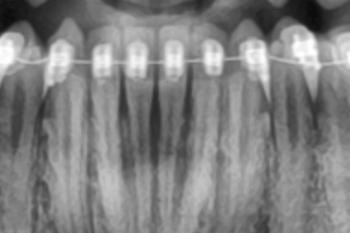
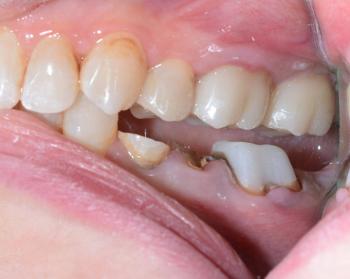
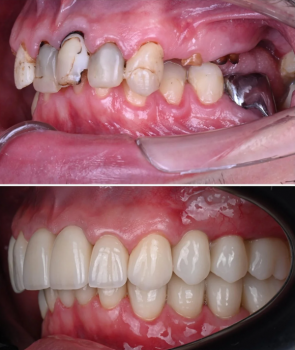
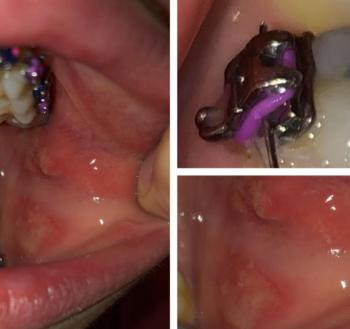
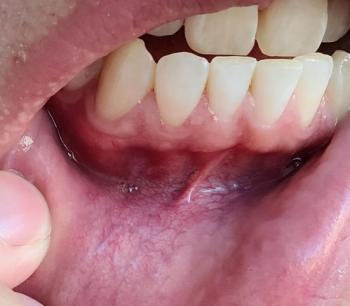
Patients with lower front gum inflammation may also experience tartar buildup, periodontal disease, gum abscesses, or tooth decay. Explore these related clinical case studies.


Other topics:
Other Dental Clinic