Other topics:

Dental Implant Aftercare Guide: Protecting Your Investment (From a Dallas Bone Graft Expert)

By a Dallas-based dental implant and bone graft specialist


Introduction: Aftercare Is Where Implants Succeed or Fail

In my practice in Dallas, I’ve placed thousands of dental implants—and I can tell you this with certainty:

The procedure is only half the journey. Aftercare determines the outcome.

A perfectly placed implant can fail if aftercare is ignored. On the other hand, even complex cases can succeed long-term when patients follow proper post-operative care.

The 7 Most Expensive Dental Machines & Their Costs (Full Guide)

The most expensive equipment for dental clinic facilities encompasses a range of high-tech diagnostic, treatment, and operational systems. The cost is driven by advanced technology, precision engineering, regulatory compliance, and the need for durability in a clinical environment.

Here is a breakdown of the most expensive equipment categories, with approximate cost rangez.

Tier 1: Major Capital Equipment ($50,000 - $500,000+)

These are the big-ticket items that form the core of a modern dental practice's clinical capabilities.

Oral Surgery Recovery & Pain Management Guide 2026

Topics: 

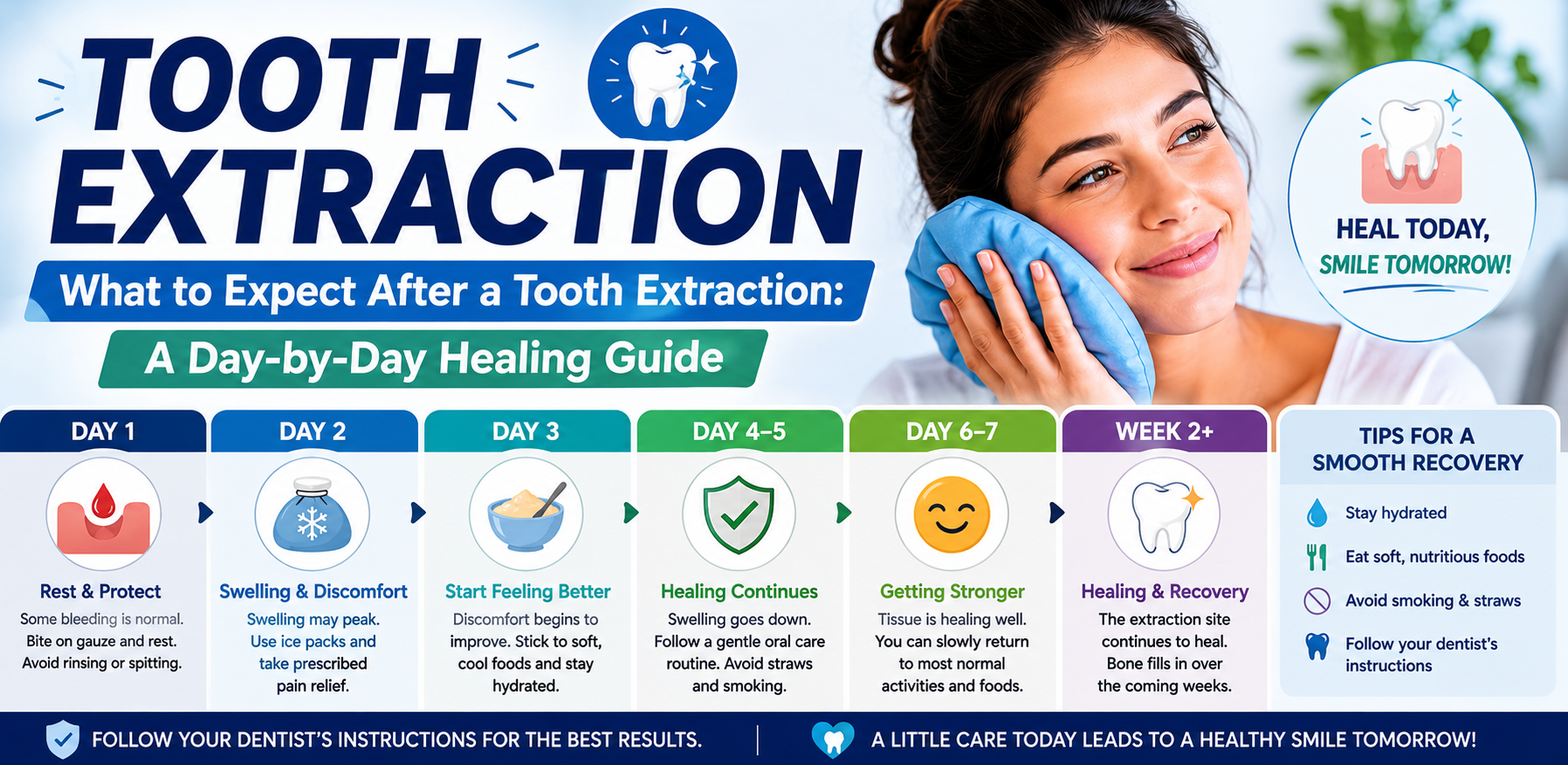
Tooth Extraction Healing Stages Day by Day

Healing after tooth extraction happens step by step. On Day 1, a blood clot forms to protect the area. This is very important for proper healing.

By Day 2–3, swelling and mild pain are normal. The body begins repairing the tissue. Pain should not get worse.

From Day 4–7, the gum starts to close, and discomfort decreases. You may still feel slight sensitivity.

At Week 2, the soft tissue is mostly healed. Daily activities return to normal.

Buccal Nerve Block Explained: How to Numb Mandibular Molars Perfectly

The buccal nerve block is a supplemental anesthetic technique primarily used to numb the buccal soft tissues in the mandibular molar region. While often overshadowed by the more commonly discussed inferior alveolar nerve block (IANB), the buccal nerve block plays a crucial role in ensuring patient comfort during procedures involving soft tissue manipulation near the mandibular molars and retromolar area.

Pacifier Teeth: How Prolonged Use Harms Your Child’s Jaw & Dental Health

Pacifiers can be a lifesaver for parents, soothing fussy babies and helping them sleep. However, prolonged use—especially beyond ages 2–3—can have lasting effects on a child’s dental and jaw development. Understanding these risks, knowing when to wean off pacifiers, and recognizing corrective measures can help parents make informed decisions.

How Pacifiers Affect Teeth & Jaw Alignment

Research shows that extended pacifier use can lead to:

Bone Graft vs No Bone Graft: Which Is Safer? Avoid Dental Implant Failure

Topics: 

Bone Graft vs No Bone Graft: Which Is Safer?

Dental implant success depends on one critical factor: bone support. Many patients rush into treatment without understanding whether they need a bone graft or not. Some skip grafting to save money and time. Others are advised to do grafting without clear explanation. The result? Failed implants, wasted money, stress, and sometimes legal disputes.

Dental Implants Ireland vs Philippines: Cost Comparison for OFWs and Dental Tourists

Dental implants are one of the most effective solutions for replacing missing teeth. However, the cost of treatment varies significantly depending on the country. Many patients searching for affordable dental implants are now comparing Ireland vs the Philippines, especially overseas Filipino workers (OFWs) and international dental tourists.

The large price difference, combined with modern dental clinics in the Philippines, has made the country an attractive destination for patients seeking high-quality yet affordable treatment.

Extensive Bone Loss Around a Tooth Requiring Root Canal Treatment in San Jose, California: A USA Dentist Explains Diagnosis, Worst-Case Scenarios, Treatment Options, and How Your Tooth May Still Be Saved

One of the most alarming statements a patient can hear during a dental examination is:

"You have extensive bone loss around this tooth."

Many patients immediately assume the tooth must be extracted. Others fear they have waited too long and that the infection has permanently damaged their jawbone. In my years of clinical practice treating patients across the United States, including individuals seeking root canal treatment in San Jose, California, I have seen many cases where severe bone loss appeared hopeless on X-rays but the tooth was ultimately saved.

Pages