Loose tooth

Tooth Extraction Aftercare Guide, Implant Healing Timeline & Recovery Tips
Proper dental aftercare is essential for fast healing, avoiding complications, and achieving the best results—especially for extractions, implants, and wisdom tooth removal. This guide covers everything patients need to recover safely and quickly.

Tooth Extraction Aftercare Guide

After a tooth extraction, the first 24–48 hours are critical for healing. A blood clot forms in the socket, protecting the bone and nerves underneath.

Essential aftercare tips:
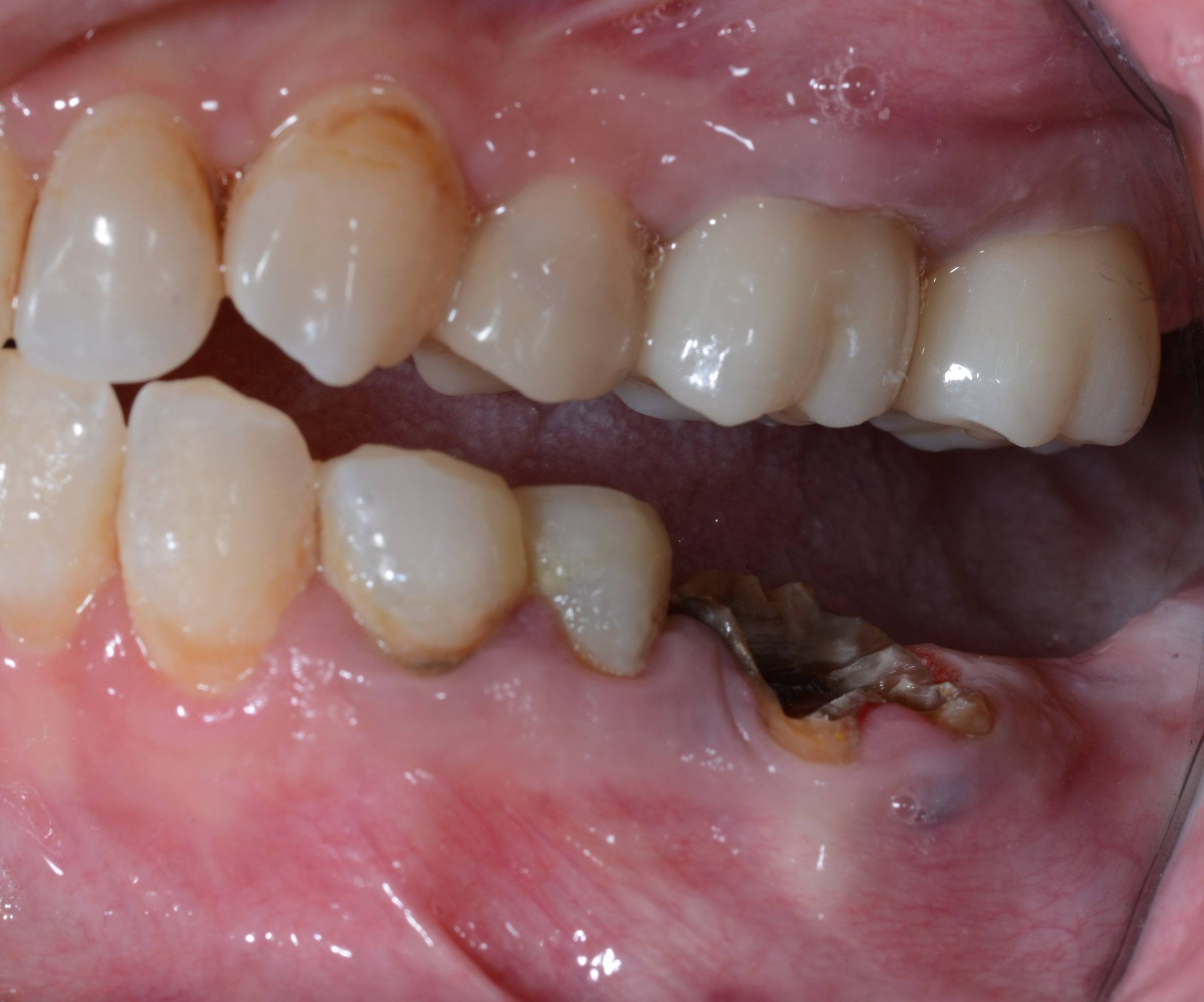
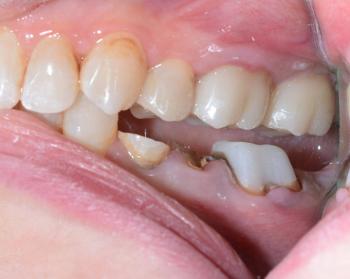
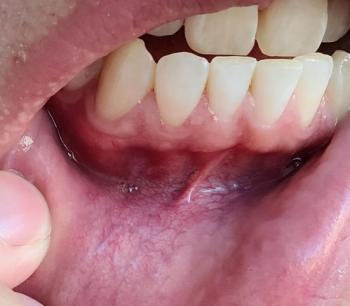
Severely Decayed Root Stump With Advanced Infection Causing Persistent Oral Odor

Severity: 

Zoom 100% Clinical Examination – What We See

Affected area:

  • Lower posterior region (missing crown with remaining root fragment)

Key findings from the image:

  • Severely broken-down tooth reduced to a root stump

  • Dark brown to black necrotic tooth structure

  • Accumulated plaque, calculus, and food debris

  • Surrounding gum tissue appears inflamed and irritated

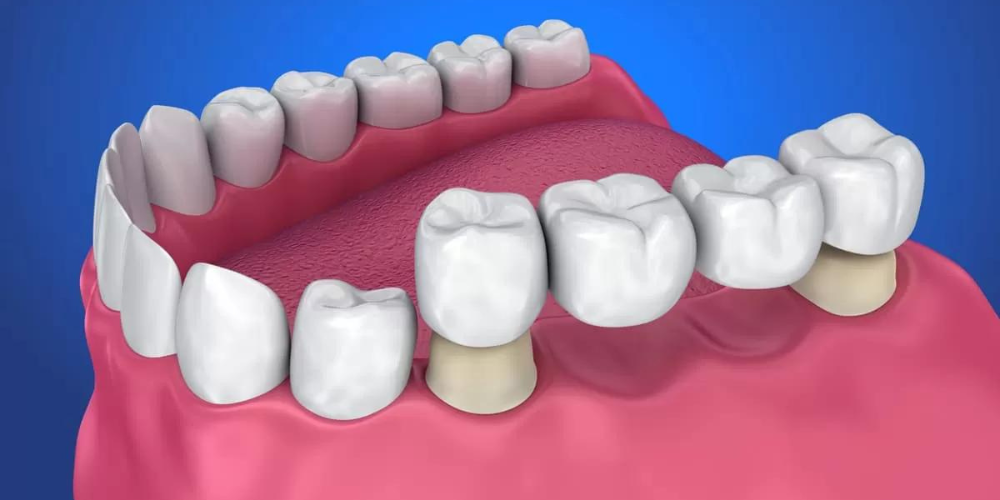
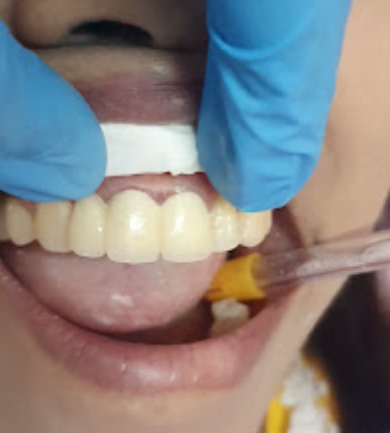
The Wobbly Bridge Wake-Up Call: Why Davao Families Can't Afford to Skip Dental Visits

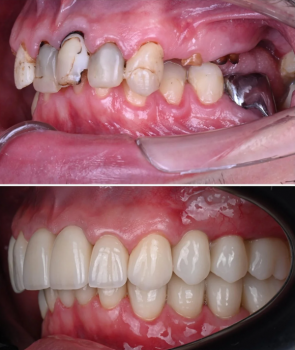
The Silent Shift: How Skipping Dental Visits Leads to Costly Bridge Failure in Davao

In the bustling city of Davao, where family and hard work are paramount, a dental check-up is often the first thing to be cut from a tight budget. For the low-income family, it's a choice between a week's worth of groceries and a dental cleaning. For the middle-class family, it's an expense that can be postponed. But this postponement has a silent, cumulative cost, one that often reveals itself in the failure of something meant to be permanent, like a dental bridge.

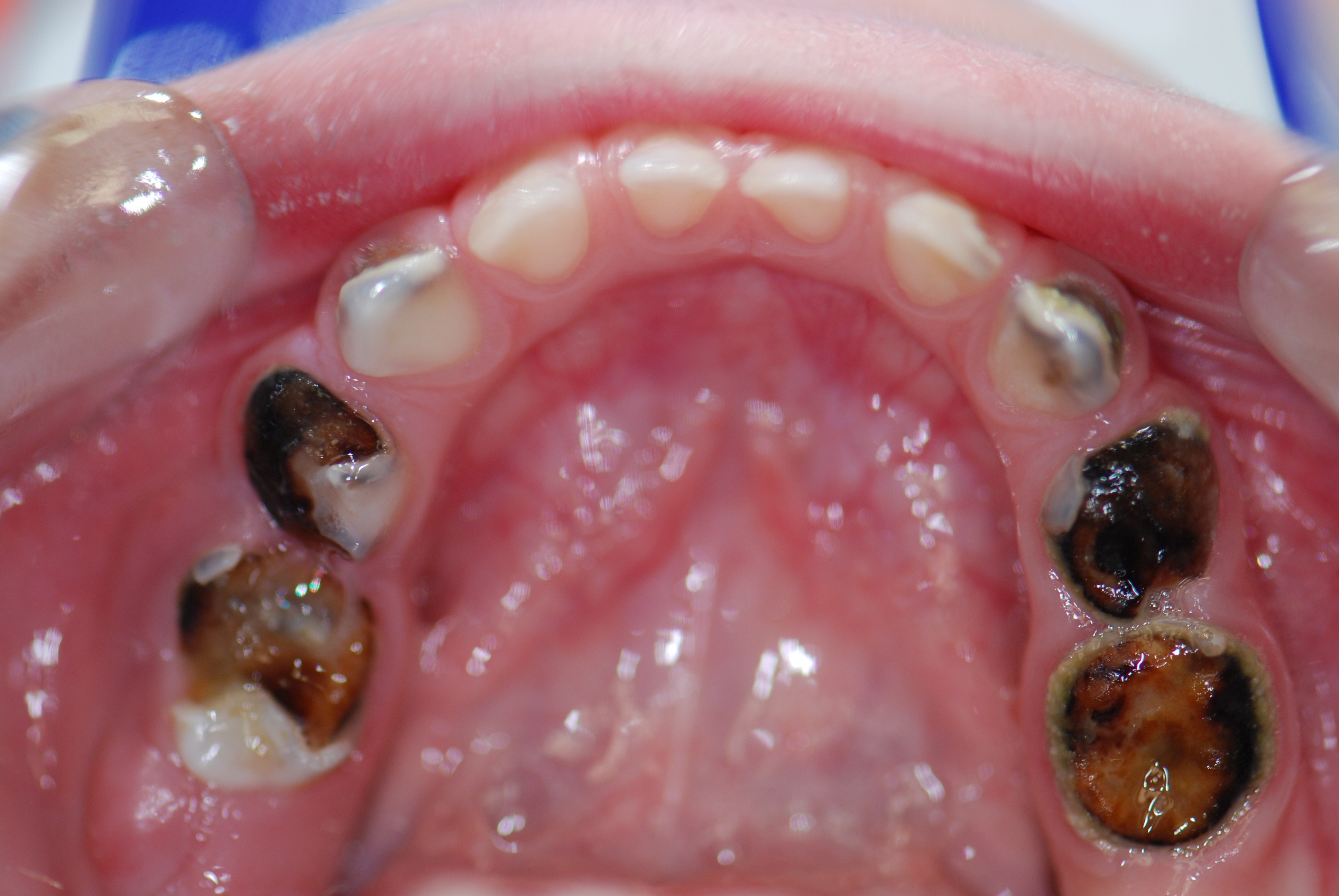
Rampant Early Childhood Caries: Diagnosis, Urgent Management & Definitive Treatment Options

Severity: 

Immediate visual diagnosis (short)

This image shows severe, rampant early childhood caries (S-ECC) of the maxillary primary teeth with extensive coronal destruction on both sides. Multiple primary molars appear non-restorable clinically (large cavitated lesions with dark necrotic dentine), and several teeth likely have pulpal involvement or necrosis. The upper anterior teeth look comparatively preserved, which is a typical pattern in bottle/formula/sugary-feed ECC.

Pages