Modern Dentistry, Timeless Smiles.

Gum Disease and Alzheimer’s: Scientists Study the Oral–Brain Connection
Language :
Topics:
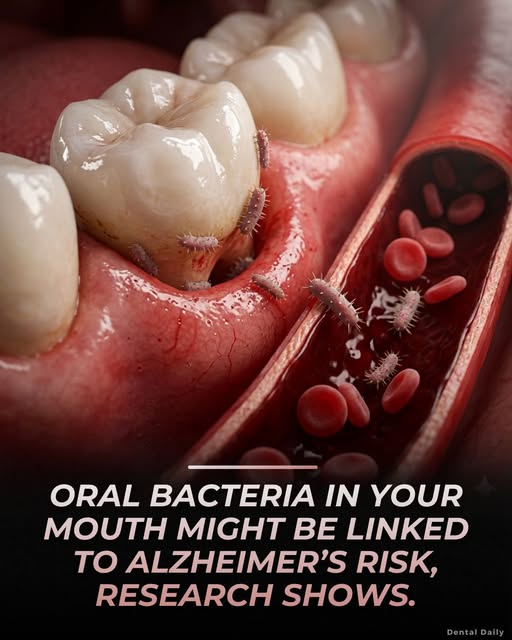
Researchers have discovered that Porphyromonas gingivalis, a bacterium strongly linked to periodontal (gum) disease, has been found in the brains of some people who died with Alzheimer’s disease.
Key findings from studies:
• P. gingivalis DNA detected in Alzheimer’s brain tissue
• The bacterium produces gingipains, toxic enzymes that damage cells
• Gingipains can affect brain proteins linked to Alzheimer’s, including:
-
Amyloid beta plaques
-
Tau protein abnormalities
Animal studies showed that when this bacterium infects mice, it can trigger brain inflammation and Alzheimer-like pathology.
However, scientists emphasize:
This does not prove gum bacteria cause Alzheimer’s.
It only suggests a possible contributing factor.
2. How Oral Bacteria May Reach the Brain
Researchers propose two main pathways:
1. Bloodstream Route
When gums are inflamed or bleeding:
-
Bacteria enter the bloodstream
-
They travel to other organs
-
Including the brain
This is similar to how oral bacteria are linked with:
-
Heart disease
-
Stroke
-
Diabetes complications
2. Nerve Pathways
Some microbes may travel through nerves that connect the mouth to the brain, especially the:
-
Trigeminal nerve
-
Olfactory pathways
These routes could allow bacterial toxins to reach brain tissue.
3. Why Inflammation Is the Key Factor
The strongest theory is chronic inflammation.
Gum disease causes:
-
Persistent immune response
-
Bacterial toxins
-
Systemic inflammation
Inflammation is already known to play a role in:
-
Alzheimer’s disease
-
Parkinson’s disease
-
Cardiovascular disease
So poor oral health may increase the inflammatory burden in the body.
4. Stress and Financial Problems Also Affect Brain Health
Your point about stress and money problems is actually supported by research.
Major risk factors for Alzheimer’s include:
Chronic Stress
Long-term stress increases cortisol, which can:
-
Damage hippocampus neurons
-
Reduce memory performance
-
Increase brain inflammation
Financial Pressure
Money problems lead to:
-
Chronic stress
-
Sleep disruption
-
Depression
These indirectly increase neurodegeneration risk.
Lack of Healthcare Support
In countries with limited healthcare access:
-
Gum disease often goes untreated
-
Preventive dental care is limited
-
Chronic inflammation increases
This can worsen long-term health outcomes.
5. The Bigger Picture: Whole-Body Health
Modern medicine increasingly sees oral health as part of systemic health.
Conditions linked to gum disease include:
-
Heart disease
-
Diabetes
-
Stroke
-
Pregnancy complications
-
Possible neurodegenerative diseases
That is why many doctors now say:
“The mouth is the gateway to the body.”
6. Practical Prevention
Protecting oral health may reduce systemic inflammation.
Important habits:
• Brush twice daily
• Floss daily
• Treat gum disease early
• Regular dental cleaning
• Reduce smoking
• Manage stress
These actions benefit both oral health and overall health.
7. Key Scientific Conclusion
The current consensus:
-
Gum disease does not directly cause Alzheimer’s
-
But periodontal bacteria may contribute to processes involved in the disease
-
More research is ongoing
This field is called “oral-systemic health research.”
Simple takeaway:
Healthy gums may help reduce inflammation in the body, and reducing inflammation is important for protecting both heart and brain health.
Can tooth extraction cause infection? Mild inflammation is normal, but increasing swelling, fever, or severe pain may indicate infection. Learn more about post-extraction infection warning signs in this detailed guide.
Book a consultation with our Cebu dental specialists for proper evaluation and care.
Ready to get expert guidance?
If you’re experiencing severe pain or delayed healing, book a consultation with our Cebu dental specialists to get proper evaluation and care.
Consultation or contact page .
Book a Consultation
For severe discomfort or delayed healing, book a consultation with our Cebu dental specialists today.
Looking for a dentist? Browse our Cebu dental directory to find trusted clinics near you.
Medical Review and Clinical Basis
This article is based on clinical dental guidelines and real patient recovery patterns observed after tooth extraction procedures. The information reflects common post-extraction healing stages, including normal clot formation, gum tissue repair, and signs of possible complications such as dry socket or infection.
While mild discomfort is expected after a dental extraction, worsening pain after Day 3, bad odor, exposed bone, or spreading pain may require professional evaluation. These symptoms are consistent with known post-extraction complications described in standard dental practice.
About Cebu Dental Implants
Cebu Dental Implants provides comprehensive tooth extraction, surgical procedures, and dental implant services in the Philippines. Our team evaluates post-extraction healing, manages complications such as dry socket, and advises patients on proper aftercare to prevent infection and delayed healing.
If you experience severe pain or unusual symptoms after extraction, early professional assessment is recommended to prevent further complications.
Important Medical Disclaimer
This content is for educational purposes only and does not replace professional dental diagnosis. Every patient heals differently. If symptoms worsen or do not improve within a few days, consult a licensed dentist for proper evaluation and treatment.
Author
This article was prepared by the Cebu Dental Implants content team in consultation with licensed dental professionals experienced in tooth extraction and implant procedures.
Related Clinical Cases
Patients with lower front gum inflammation may also experience tartar buildup, periodontal disease, gum abscesses, or tooth decay. Explore these related clinical case studies.