Healthy Teeth, Happy Life.

Medical Loans for Dental Implants in the USA: A Financial Advisor’s Guide from New York
Language :
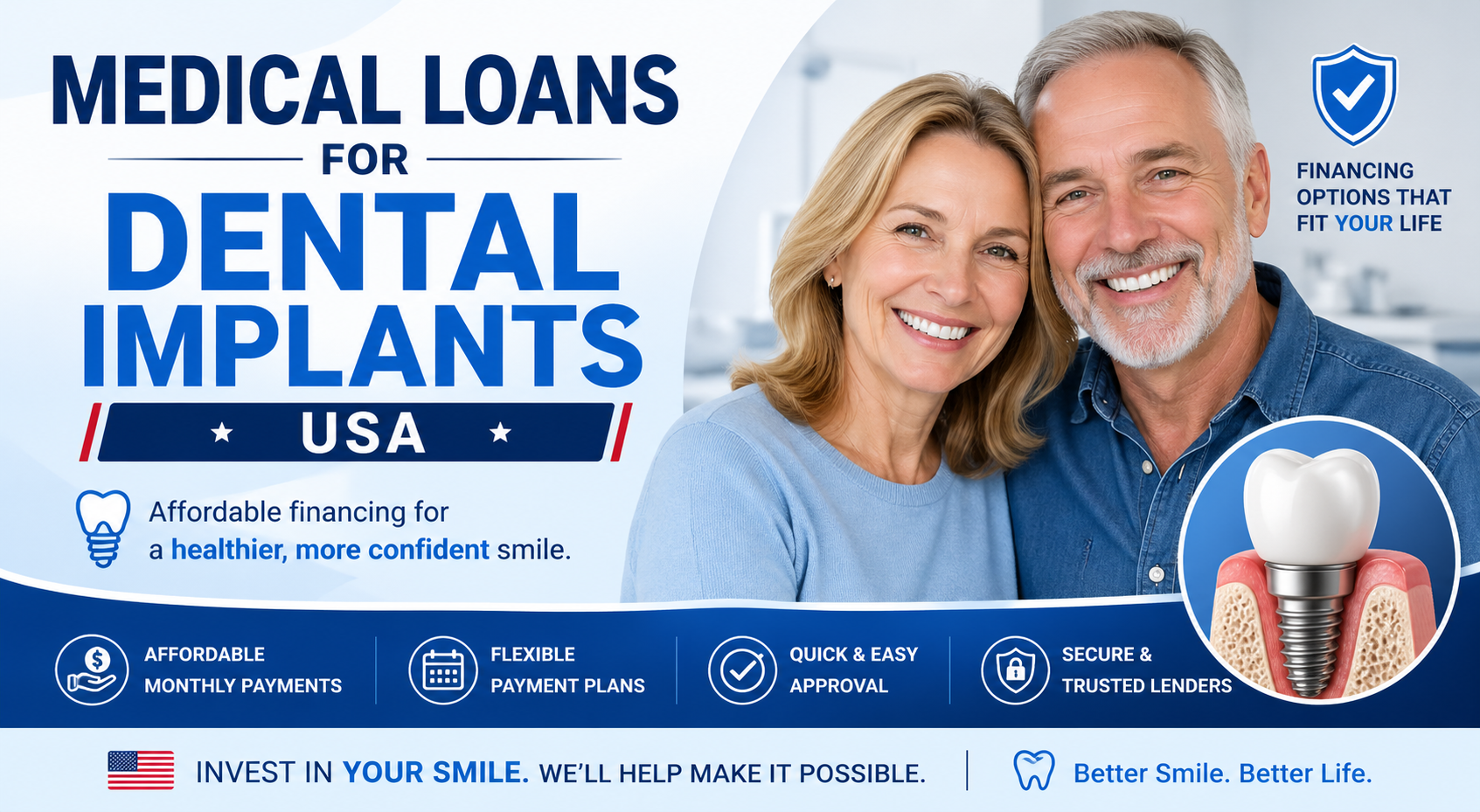
Dental implants are one of the most reliable and long-lasting solutions for missing teeth—but they’re also one of the most expensive. For many patients across New York City, the question isn’t whether implants are worth it—it’s how to afford them without financial strain.
As a financial advisor working with individuals and families in New York, I help clients structure medical financing decisions that protect both their health and their long-term financial stability. This guide will walk you through medical loans for dental implants, how they work, and how to choose the smartest option for your situation.
Understanding the True Cost of Dental Implants
Before exploring loans, you need a clear picture of what you’re financing.
Dental implants are not a single expense—they involve multiple stages:
- Initial consultation and 3D imaging
- Surgical implant placement
- Healing period (osseointegration)
- Abutment placement
- Crown or prosthetic restoration
- Possible bone grafting
Average Cost in the U.S.
- Single implant: $3,000 – $6,000
- Implant bridge: $6,000 – $15,000
- Full mouth implants: $20,000 – $50,000+
In cities like New York, prices often trend toward the higher end due to overhead and specialist expertise.
What Are Medical Loans?
Medical loans are personal loans specifically used for healthcare expenses, including dental implants.
Unlike traditional loans, they are designed with:
- Fixed monthly payments
- Flexible terms
- No collateral required (in most cases)
These loans allow patients to proceed with treatment immediately while spreading the cost over time.
Types of Medical Loans for Dental Implants
Let’s break down the most common options available in the United States.
1. Healthcare-Specific Financing Programs
Programs like CareCredit are widely accepted by dental clinics.
How it works:
- Apply online or in-office
- Receive a credit limit
- Choose promotional financing (6–24 months interest-free)
Pros:
- Fast approval
- Widely accepted
- Short-term interest-free options
Cons:
- High deferred interest if not paid in time
- Requires good credit
2. Online Medical Loan Providers
Platforms like LendingClub offer patient-focused financing.
How it works:
- Apply online
- Get matched with loan offers
- Fixed repayment terms (24–72 months)
Pros:
- Competitive interest rates
- Transparent terms
- Higher borrowing limits
Cons:
- Credit-based approval
- Interest adds to total cost
3. Traditional Personal Loans
Banks and credit unions offer unsecured personal loans that can be used for dental procedures.
Pros:
- Predictable monthly payments
- Longer repayment terms
- Often lower rates than credit cards
Cons:
- Slower approval process
- Requires strong credit profile
4. In-House Dental Financing
Some dental clinics in New York City provide internal payment plans.
Pros:
- Easier approval
- Minimal paperwork
- Sometimes interest-free
Cons:
- Short repayment periods
- Higher monthly payments
5. Insurance + Loan Combination
Dental insurance providers like Delta Dental or Cigna may cover:
- Tooth extractions
- Bone grafting
- Partial implant procedures
You can apply insurance benefits first, then finance the remaining balance through a loan.
What Monthly Payments Look Like
Let’s break this down with a realistic scenario.
Example Case:
- Total implant cost: $25,000
- Insurance coverage: $5,000
- Loan amount: $20,000
Loan Options:
| Term | Interest Rate | Monthly Payment |
|---|---|---|
| 24 months | 0% promo | $833 |
| 36 months | 8% | ~$627 |
| 60 months | 10% | ~$425 |
Key Insight:
Lower monthly payments increase total interest paid over time.
As a financial advisor, I always recommend balancing affordability vs total cost.
How to Qualify for a Medical Loan
Lenders typically evaluate:
- Credit score (usually 620+ preferred)
- Income stability
- Debt-to-income ratio
- Employment history
If You Have Low Credit:
You still have options:
- Apply with a co-signer
- Choose in-house financing
- Look for lenders specializing in subprime borrowers
Smart Financial Strategies (New York Advisor Perspective)
Living in New York City means managing high living costs—so financing decisions must be strategic.
1. Don’t Just Focus on Monthly Payments
Always calculate total repayment cost.
2. Use Short-Term 0% Financing When Possible
Only if you are confident in repayment within the promotional period.
3. Avoid Using High-Interest Credit Cards
Standard credit cards often exceed 20% APR—far more expensive than medical loans.
4. Build a Hybrid Strategy
Combine:
- Insurance benefits
- Savings
- Loan financing
This reduces borrowing and interest.
5. Plan for Long-Term Value
Dental implants last decades—this is not a short-term expense.
Short Success Story: A Financial Turnaround
“Elena’s Investment in Herself”
Elena, a 45-year-old marketing executive in New York City, had been delaying dental implants for years.
Her quote: $32,000 for full-mouth restoration.
She assumed it was financially impossible.
After reviewing her situation:
- Insurance covered $6,000
- She used $4,000 in savings
- Remaining $22,000 financed through a 60-month medical loan
Monthly payment: ~$470
At first, she was hesitant. But within months:
- She regained confidence in presentations
- Improved professional interactions
- Landed a promotion
Her takeaway:
“I stopped seeing it as a cost—and started seeing it as an investment.”
Common Mistakes to Avoid
1. Ignoring Loan Terms
Always review:
- APR
- Fees
- Penalties
2. Falling for “Low Monthly Payment” Traps
Longer terms = higher total cost.
3. Not Comparing Lenders
Rates can vary significantly between providers.
4. Skipping Insurance Benefits
Even partial coverage reduces your loan burden.
3 Related Topics You Should Explore
1. Monthly Payment Plans for Dental Implants
Learn how installment plans differ from loans.
2. Best Dental Insurance for Implants in the USA
Find policies that maximize coverage.
3. Dental Implants Cost Comparison: USA vs Overseas
Explore whether dental tourism is worth the risk.
Frequently Asked Questions (FAQ)
Are medical loans a good idea for dental implants?
Yes—if structured responsibly. They allow access to necessary care without large upfront costs.
What credit score do I need?
Typically 620+, but better scores qualify for lower interest rates.
Can I pay off my loan early?
Most lenders allow early repayment, but always confirm terms.
Is 0% financing better than a loan?
It can be—but only if you repay within the promotional period.
Do medical loans affect my credit score?
Yes. On-time payments improve your score; missed payments harm it.
Can I combine insurance with a medical loan?
Absolutely—and it’s one of the smartest strategies.
Final Thoughts
Dental implants are a major financial decision—but they are also a life-changing investment.
From a financial advisor’s perspective in New York City, the goal is not to avoid the cost—it’s to manage it wisely.
Medical loans provide a structured, predictable way to move forward with treatment while maintaining financial stability.
If you approach financing with a clear plan, realistic budget, and informed choices, dental implants can be one of the most valuable investments you’ll ever make—in both your health and your future.
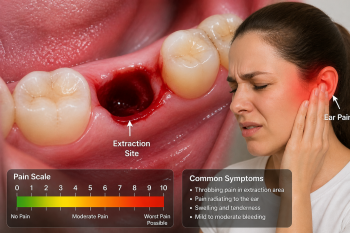
Can tooth extraction cause infection? Mild inflammation is normal, but increasing swelling, fever, or severe pain may indicate infection. Learn more about post-extraction infection warning signs in this detailed guide.
Book a consultation with our Cebu dental specialists for proper evaluation and care.
Ready to get expert guidance?
If you’re experiencing severe pain or delayed healing, book a consultation with our Cebu dental specialists to get proper evaluation and care.
Consultation or contact page .
Book a Consultation
For severe discomfort or delayed healing, book a consultation with our Cebu dental specialists today.
Looking for a dentist? Browse our Cebu dental directory to find trusted clinics near you.
Medical Review and Clinical Basis
This article is based on clinical dental guidelines and real patient recovery patterns observed after tooth extraction procedures. The information reflects common post-extraction healing stages, including normal clot formation, gum tissue repair, and signs of possible complications such as dry socket or infection.
While mild discomfort is expected after a dental extraction, worsening pain after Day 3, bad odor, exposed bone, or spreading pain may require professional evaluation. These symptoms are consistent with known post-extraction complications described in standard dental practice.
About Cebu Dental Implants
Cebu Dental Implants provides comprehensive tooth extraction, surgical procedures, and dental implant services in the Philippines. Our team evaluates post-extraction healing, manages complications such as dry socket, and advises patients on proper aftercare to prevent infection and delayed healing.
If you experience severe pain or unusual symptoms after extraction, early professional assessment is recommended to prevent further complications.
Important Medical Disclaimer
This content is for educational purposes only and does not replace professional dental diagnosis. Every patient heals differently. If symptoms worsen or do not improve within a few days, consult a licensed dentist for proper evaluation and treatment.
Author
This article was prepared by the Cebu Dental Implants content team in consultation with licensed dental professionals experienced in tooth extraction and implant procedures.
Related Clinical Cases
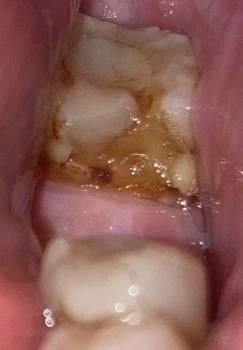
Patients with lower front gum inflammation may also experience tartar buildup, periodontal disease, gum abscesses, or tooth decay. Explore these related clinical case studies.



Other topics:
Other Dental Clinic