Transforming Smiles, Restoring Confidence.

Broken and Rotting Wisdom Tooth With Severe Molar Loss
Image:
Severity:
Teeth Problems:
Broken and Rotting Wisdom Tooth With Severe Molar Loss Case Analysis
What Is Seen in This Case
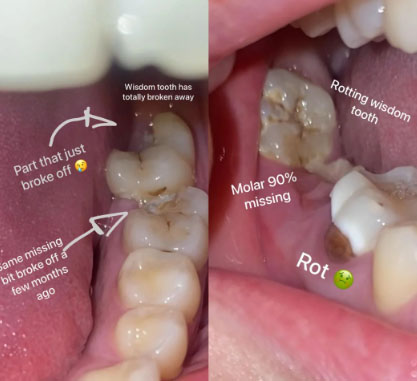
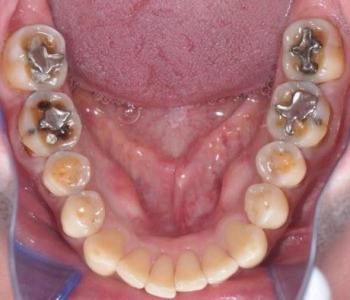
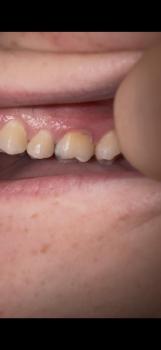
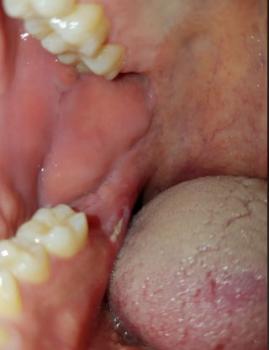
The images show advanced damage to the back teeth, including:
-
A wisdom tooth that has completely broken down
-
A nearby molar that is more than 90% missing
-
Visible rotting tooth structure
-
History of repeated tooth breakage over the past few months
The remaining tooth structure appears weak and infected, with high risk of bacterial spread.
Most Likely Diagnosis
Based on visual examination, the most likely conditions include:
-
Severely decayed wisdom tooth
-
Grossly broken molar with minimal remaining structure
-
Active dental caries and bacterial infection
-
High risk of tooth nerve infection
-
Possible early abscess formation
Dental X-rays are required to assess root and bone involvement.
What Causes Teeth to Break and Rot Like This
Common causes include:
-
Long-term untreated cavities
-
Weakening of enamel and dentin over time
-
Delayed dental treatment
-
Repeated chewing stress on already decayed teeth
-
Wisdom teeth that are difficult to clean
Once decay reaches this stage, teeth can fracture suddenly with normal chewing.
Is This a Serious Problem
Yes. This condition is severe and progressive. If left untreated, it will scale up into:
-
Constant or sudden severe tooth pain
-
Dental abscess with swelling and pus
-
Infection spreading to jawbone
-
Facial swelling
-
Fever and systemic infection
-
Emergency tooth extraction
At this stage, the teeth cannot repair themselves.
Recommended Treatment Process
Initial Assessment (Days 1–3)
-
Comprehensive dental examination
-
Dental X-rays to assess roots and bone
-
Infection risk evaluation
Active Treatment Phase (Days 4–7)
Treatment will likely include:
-
Surgical extraction of the broken wisdom tooth
-
Removal of the severely damaged molar
-
Infection control and possible antibiotics
-
Cleaning of infected tissue
Healing and Stabilization Phase (Days 8–14)
-
Gum tissue begins to close
-
Pain and swelling reduce
-
Planning for tooth replacement options
Replacement options may include dental implants, bridges, or partial dentures once healing is complete.
Expected Healing Time
-
Initial pain and swelling: 3–7 days
-
Gum healing after extraction: up to 14 days
-
Bone healing continues for several weeks
What Happens If Treatment Is Delayed
If delayed beyond 14 days, this condition may worsen and lead to:
-
Spreading jawbone infection
-
Severe abscess formation
-
Difficulty opening the mouth
-
Emergency hospital treatment
-
Higher treatment cost
-
Long-term bone loss
Delaying care increases risk significantly.
Home Care While Waiting for Treatment
These steps may reduce symptoms temporarily but do not stop infection:
-
Avoid chewing on the affected side
-
Rinse gently with warm salt water
-
Avoid sugary foods and drinks
-
Maintain gentle oral hygiene
Seek dental care as soon as possible.
Professional Comment
This case shows advanced tooth destruction involving a wisdom tooth and adjacent molar. Extraction and infection control are urgently required to prevent serious complications. Early intervention improves healing and reduces long-term damage.
Visit a Dental Clinic Near You
For urgent dental evaluation and treatment, visit:
https://cebudentalimplants.com/map-dental-clinic
Related Clinical Cases
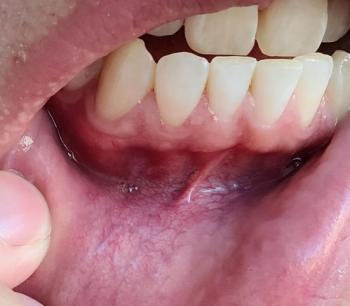
Patients with lower front gum inflammation may also experience tartar buildup, periodontal disease, gum abscesses, or tooth decay. Explore these related clinical case studies.

Other topics:
Other Dental Clinic