Because Every Tooth Deserves Care.

Severe Tooth Socket Infection at 100% Zoom: Deep Clinical Analysis, Foul Odor Cause, Healing Timeline & Escalation Risks
Image:
Severity:
Teeth Problems:
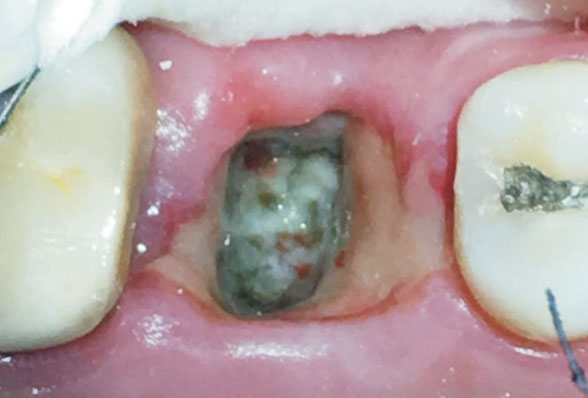
Case Overview (Image-Based Observation – 100% Zoom)
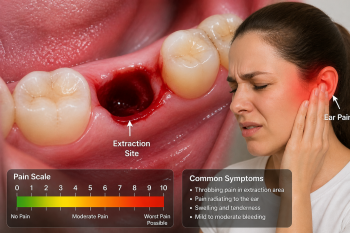
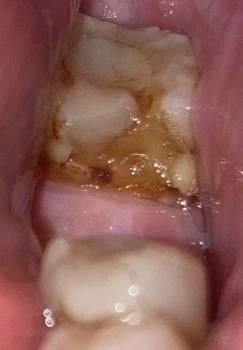
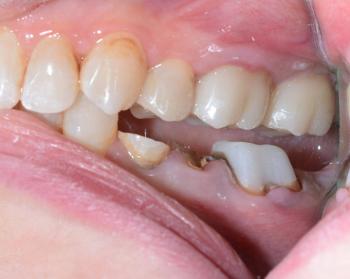
At full zoom, the image shows an open tooth socket between two adjacent teeth with dark gray–green necrotic material, inflamed surrounding gingiva, and exposed socket walls. The gum tissue appears red, swollen, and irregular, with signs of delayed or failed clot formation.
The patient reports the tooth “really smells worse”, which is a critical diagnostic clue.
Primary Clinical Impression
Dry Socket (Alveolar Osteitis) with Secondary Infection
(Highly consistent with findings from Europe PMC source)
Color & Tissue Analysis (Detailed)
Socket Area
-
Gray-green discoloration → necrotic tissue + bacterial biofilm
-
Dark brown/black spots → decomposed blood remnants
-
White-yellow film → bacterial exudate / fibrin breakdown
-
No healthy red blood clot visible
Gum Tissue
-
Bright red margins → acute inflammation
-
Shiny surface → edema
-
Uneven healing edges → tissue breakdown
Adjacent Teeth
-
Old restorations present
-
Increased plaque retention zones
-
Potential bacterial spillover into socket
Diagnosis (Expanded & Evidence-Based)
Primary Diagnosis
Infected Dry Socket (Alveolar Osteitis with Putrefaction)
Supporting Signs
-
Exposed socket
-
Necrotic debris
-
Severe halitosis (bad smell)
-
Inflammation persisting beyond normal extraction timeline
Clinical source expansion (Europe PMC – PMC5932271):
-
Dry socket occurs when the blood clot dissolves or is lost
-
Bacteria colonize exposed bone
-
Tissue necrosis produces volatile sulfur compounds → foul odor
-
Healing is delayed without intervention
Why the Smell Is Extremely Bad (Deep Analysis)
The odor comes from:
-
Anaerobic bacteria breaking down dead tissue
-
Production of:
-
Hydrogen sulfide
-
Putrescine
-
Cadaverine
-
This smell is not normal healing and indicates active infection
Biological Progression (What’s Happening Inside)
-
Tooth extracted
-
Blood clot fails or dissolves
-
Bone exposed
-
Anaerobic bacteria colonize socket
-
Tissue necrosis begins
-
Infection spreads locally
-
Pain, odor, inflammation escalate
Healing Time Frame (With Proper Treatment)
Day 0–2 (After Intervention)
-
Odor reduces significantly
-
Pain becomes manageable
-
Socket cleaned and medicated
Day 3–7
-
Granulation tissue begins forming
-
Gum inflammation decreases
-
Smell nearly gone
Day 8–14
-
Socket closes progressively
-
Healthy pink tissue replaces necrosis
-
Normal healing resumes
14 days is realistic ONLY with professional treatment
Without treatment, healing may never occur properly
Treatment Process to Execute (Critical)
Immediate Dental Intervention
-
Thorough socket irrigation
-
Removal of necrotic debris
-
Medicated dressing (eugenol / antimicrobial)
-
Pain management
-
Possible antibiotics (case-dependent)
At-Home Care (Adjunct Only)
-
Warm saline rinses (gentle)
-
Avoid suction, smoking, spitting
-
Maintain oral hygiene without disturbing socket
-
Follow dentist’s dressing schedule
Do NOT self-medicate or scrape the socket
If Untreated: What Will Scale Up (Serious Risks)
Infection progression may lead to:
-
Spreading abscess
-
Osteomyelitis (bone infection)
-
Facial cellulitis
-
Fever and systemic infection
-
Damage to adjacent teeth
-
Chronic non-healing socket
-
Hospital-level intervention
The smell worsening is a sign of rapid bacterial escalation
Professional Comments
-
This is not normal post-extraction healing
-
Foul odor + necrosis = urgent dental condition
-
Early treatment drastically shortens healing time
-
Delayed care increases cost, pain, and complications
Next Step: Visit a Dental Clinic Immediately
Do not wait for symptoms to improve on their own.
Find a nearby dental clinic now:
https://cebudentalimplants.com/map-dental-clinic
Related Clinical Cases
Patients with lower front gum inflammation may also experience tartar buildup, periodontal disease, gum abscesses, or tooth decay. Explore these related clinical case studies.


Other topics:
Other Dental Clinic