Building Confidence One Smile at a Time.

Average Cost of Dental Implants in the USA
Language :
A Complete Guide from a U.S. Dental Expert
Dental implants are widely considered the gold standard for replacing missing teeth—but they’re also one of the most expensive dental procedures in the United States. Patients often ask:
“What is the average cost of dental implants in the USA—and what am I really paying for?”
As a U.S.-based dental expert, I’ll break down the real numbers, what affects pricing, how to reduce your cost, and how patients successfully manage treatment financially.
What Is the Average Cost of Dental Implants in the USA?
The average cost depends on the complexity of your case, materials used, and location.
Typical Price Range:
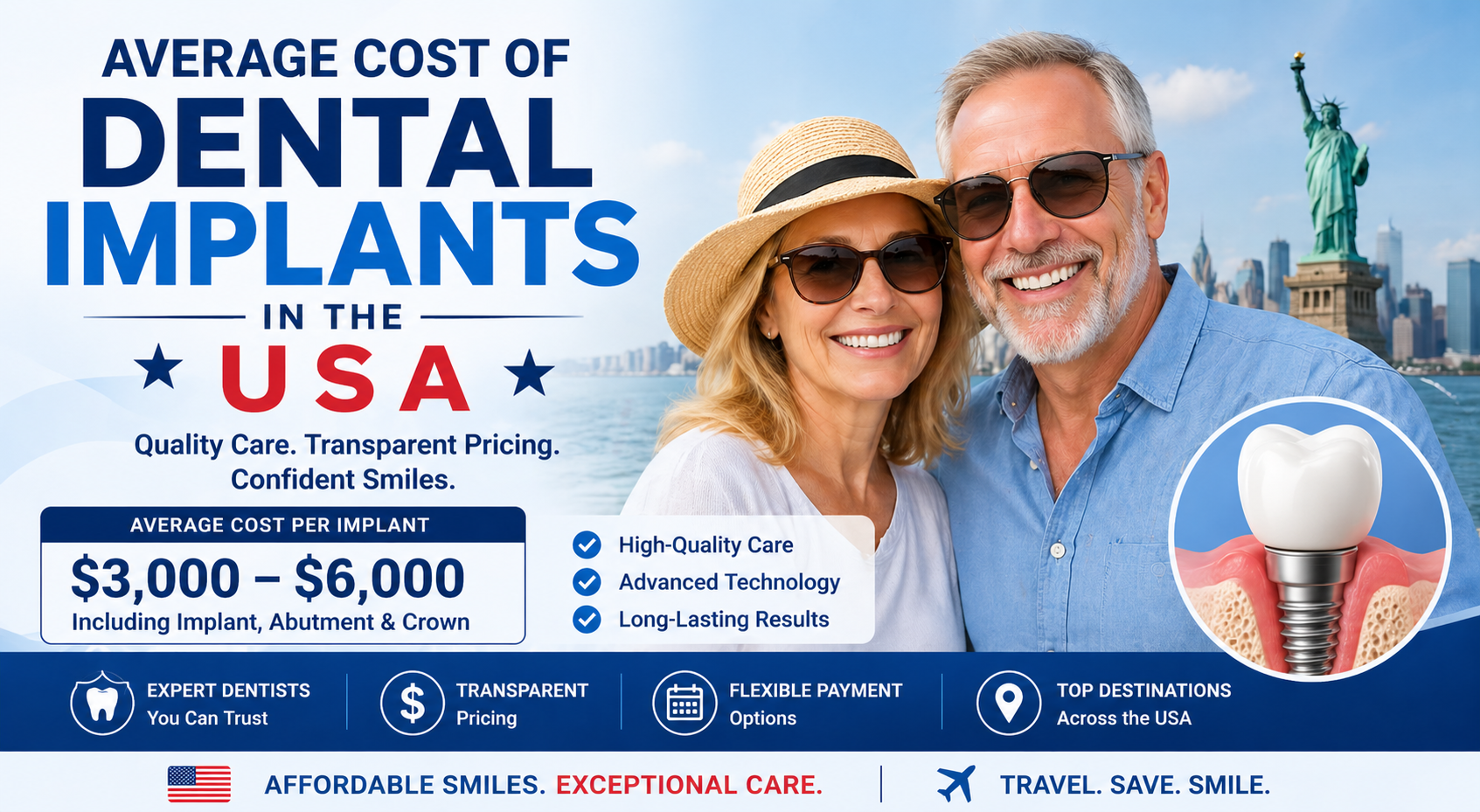
- Single dental implant: $3,000 – $6,000
- Implant + crown package: $4,000 – $7,500
- Full-mouth implants (All-on-4): $20,000 – $50,000
- Full-mouth implants (All-on-6): $25,000 – $60,000
These estimates include the implant post, abutment, and crown—but additional procedures can increase the total cost.
What’s Included in the Cost?
Many patients assume the implant price is a single fee—but it’s actually made up of several components:
1. Consultation and Imaging
- Digital X-rays
- 3D CBCT scans
2. Implant Placement
- Titanium post surgically placed in the jawbone
3. Abutment and Crown
- Connector + visible tooth restoration
4. Follow-Up Care
- Healing checks
- Final adjustments
Key Factors That Affect Implant Cost
1. Geographic Location
Implant costs vary significantly depending on where you live.
Examples:
- California / New York: Higher costs
- Texas / Midwest: Moderate pricing
- Rural areas: Lower costs
Why?
- Cost of living
- Clinic overhead
- Specialist fees
2. Dentist Experience and Credentials
Highly experienced implant specialists often charge more—but offer:
- Better outcomes
- Lower complication rates
- Advanced techniques
3. Materials Used
Most implants are made from titanium, but variations exist:
- Premium implant brands
- Zirconia (metal-free option)
- Custom crowns
Higher-quality materials increase durability—and cost.
4. Additional Procedures
Many patients require preparatory treatments:
- Bone grafting: $300 – $3,000
- Sinus lift: $1,500 – $5,000
- Tooth extraction: $150 – $500
These can significantly raise total cost.
5. Number of Implants Needed
A single missing tooth is straightforward—but full-mouth restoration involves multiple implants and prosthetics.
Cost Comparison: Single vs Full Mouth
Single Implant
- Average: $3,000 – $6,000
- Best for isolated tooth loss
Multiple Implants
- $6,000 – $15,000+
- Depends on number and spacing
Full-Mouth Implants
- $20,000 – $60,000
- Includes All-on-4 or All-on-6 systems
Does Insurance Cover Dental Implants?
Coverage is improving—but still limited.
Major Providers:
- Delta Dental
- Cigna
- MetLife
What to Expect:
- 10%–50% partial coverage
- Annual limits: $1,000–$2,500
- Waiting periods for major procedures
Expert Insight:
Insurance rarely covers the full cost—but it can reduce your out-of-pocket expense significantly.
Financing Options for Dental Implants
Most patients don’t pay upfront.
1. Medical Credit Cards
- CareCredit
2. Personal Loans
- SoFi
- LendingClub
3. In-House Payment Plans
- Offered by many dental clinics
4. HSA / FSA Accounts
- Use pre-tax dollars
Short Story: A Patient Success Case
Meet Robert, a 55-year-old engineer from Chicago.
Robert had been struggling with missing teeth for years. Eating became uncomfortable, and he avoided social events.
His Situation:
- Needed 3 implants
- Total cost: $14,000
His Strategy:
- Insurance via Cigna covered $2,000
- Used HSA funds: $3,000
- Financed the remaining $9,000 with CareCredit
Monthly Payment:
~$375 for 24 months
The Result:
- Full chewing function restored
- Improved confidence
- Better overall health
Expert Perspective:
Robert didn’t just pay for implants—he invested in long-term quality of life.
How to Reduce the Cost of Dental Implants
1. Compare Multiple Clinics
Prices can vary significantly.
2. Use Insurance Strategically
Maximize annual benefits across multiple years if needed.
3. Ask About Package Pricing
Some clinics offer bundled discounts.
4. Consider Financing Plans
Spread cost over time.
5. Explore Dental Schools
Lower-cost treatment supervised by professionals.
Are Dental Implants Worth the Cost?
From a clinical perspective: Yes.
Benefits:
- Long-lasting (20+ years)
- Natural appearance
- Improved speech and chewing
- Prevents bone loss
Compared to dentures or bridges, implants often provide better long-term value.
FAQ: Average Cost of Dental Implants USA
1. Why are dental implants so expensive?
They involve surgery, advanced materials, and multiple stages of treatment.
2. Can I get cheaper implants in the USA?
Yes—prices vary by location and provider.
3. How long do implants last?
20 years or more with proper care.
4. Is financing common?
Yes, most patients use financing options like CareCredit.
5. Are implants better than dentures?
In most cases, yes—especially for long-term stability.
6. Can I get implants with bone loss?
Yes, but you may need bone grafting first.
Related Topics
1. All-on-4 vs All-on-6 Cost Comparison
Understand differences in pricing and long-term value.
2. Dental Implant Financing Options in the USA
Explore ways to make implants more affordable.
3. Dental Implants Cost USA vs Philippines
Compare domestic vs international pricing strategies.
Final Thoughts from a U.S. Dental Expert
Dental implants may seem expensive—but they are one of the most reliable, long-term solutions in modern dentistry.
The real question isn’t:
“Why do implants cost so much?”
It’s:
“What value do they provide over time?”
When you factor in durability, functionality, and quality of life, dental implants are not just a dental procedure—they are a long-term investment in your health and confidence.
With the right combination of insurance, financing, and planning, this investment becomes far more accessible than most patients initially believe.
Can tooth extraction cause infection? Mild inflammation is normal, but increasing swelling, fever, or severe pain may indicate infection. Learn more about post-extraction infection warning signs in this detailed guide.
Book a consultation with our Cebu dental specialists for proper evaluation and care.
Ready to get expert guidance?
If you’re experiencing severe pain or delayed healing, book a consultation with our Cebu dental specialists to get proper evaluation and care.
Consultation or contact page .
Book a Consultation
For severe discomfort or delayed healing, book a consultation with our Cebu dental specialists today.
Looking for a dentist? Browse our Cebu dental directory to find trusted clinics near you.
Medical Review and Clinical Basis
This article is based on clinical dental guidelines and real patient recovery patterns observed after tooth extraction procedures. The information reflects common post-extraction healing stages, including normal clot formation, gum tissue repair, and signs of possible complications such as dry socket or infection.
While mild discomfort is expected after a dental extraction, worsening pain after Day 3, bad odor, exposed bone, or spreading pain may require professional evaluation. These symptoms are consistent with known post-extraction complications described in standard dental practice.
About Cebu Dental Implants
Cebu Dental Implants provides comprehensive tooth extraction, surgical procedures, and dental implant services in the Philippines. Our team evaluates post-extraction healing, manages complications such as dry socket, and advises patients on proper aftercare to prevent infection and delayed healing.
If you experience severe pain or unusual symptoms after extraction, early professional assessment is recommended to prevent further complications.
Important Medical Disclaimer
This content is for educational purposes only and does not replace professional dental diagnosis. Every patient heals differently. If symptoms worsen or do not improve within a few days, consult a licensed dentist for proper evaluation and treatment.
Author
This article was prepared by the Cebu Dental Implants content team in consultation with licensed dental professionals experienced in tooth extraction and implant procedures.
Related Clinical Cases
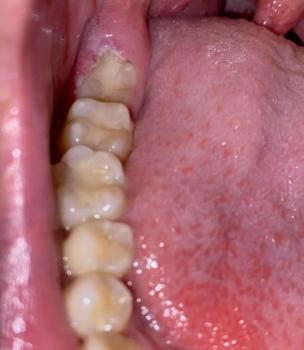
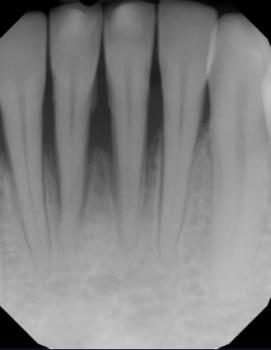
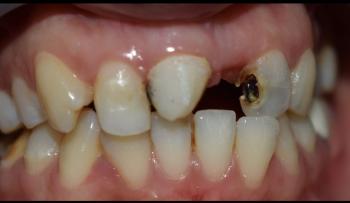
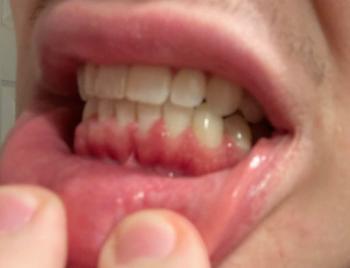
Patients with lower front gum inflammation may also experience tartar buildup, periodontal disease, gum abscesses, or tooth decay. Explore these related clinical case studies.